General Sir Martin Farndale KCB
Commander Northern Army Group
Commander British Army on the Rhine
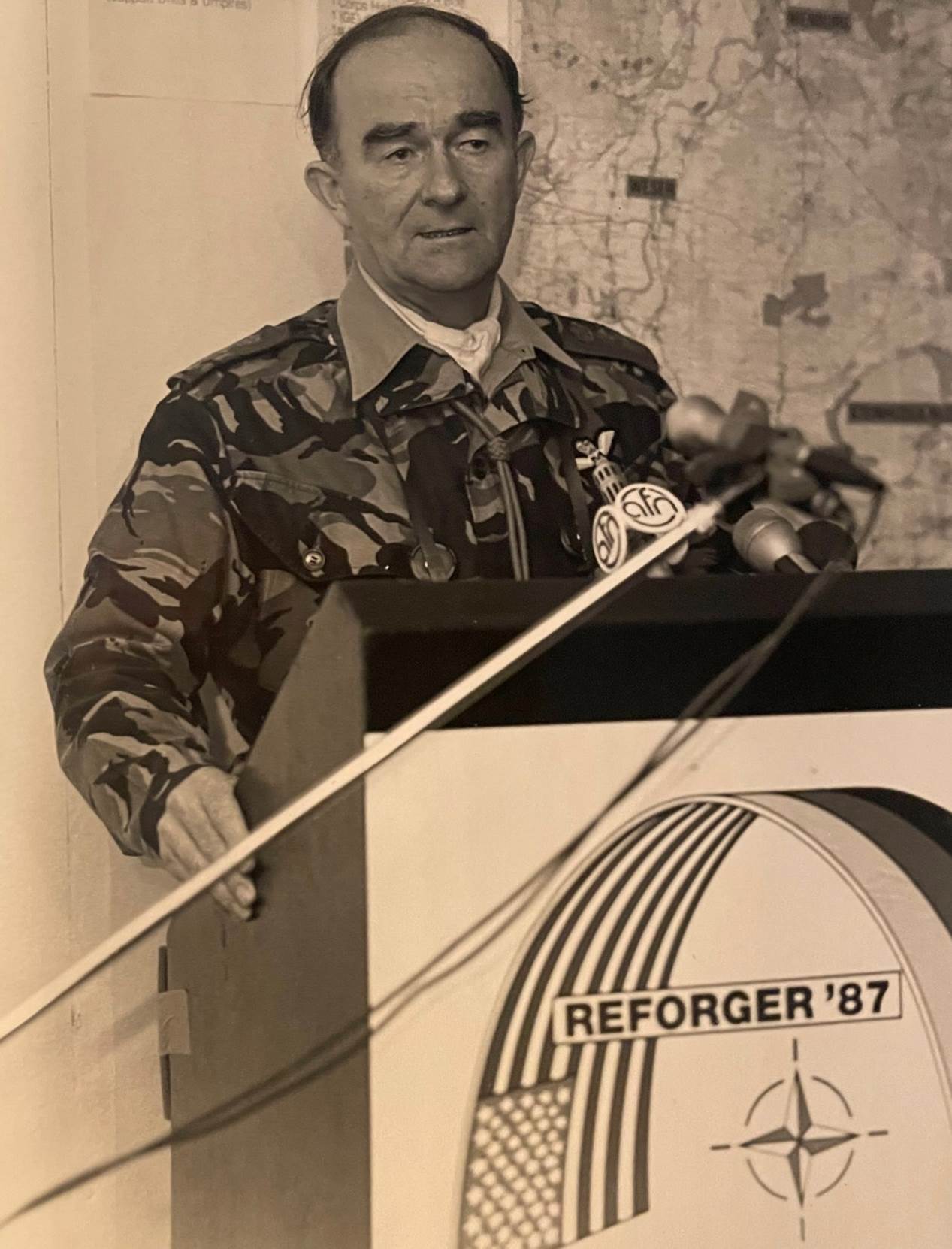
Rheindalen, West Germany
1985 to 1987
FAR00911
|
Return to the Home
Page of the Farndale Family Website |
The story of one
family’s journey through two thousand years of British History |
The 83 family lines
into which the family is divided. Meet the whole family and how the wider
family is related |
Members of the
historical family ordered by date of birth |
Links to other pages
with historical research and related material |
The story of the
Bakers of Highfields, the Chapmans, and other related families |
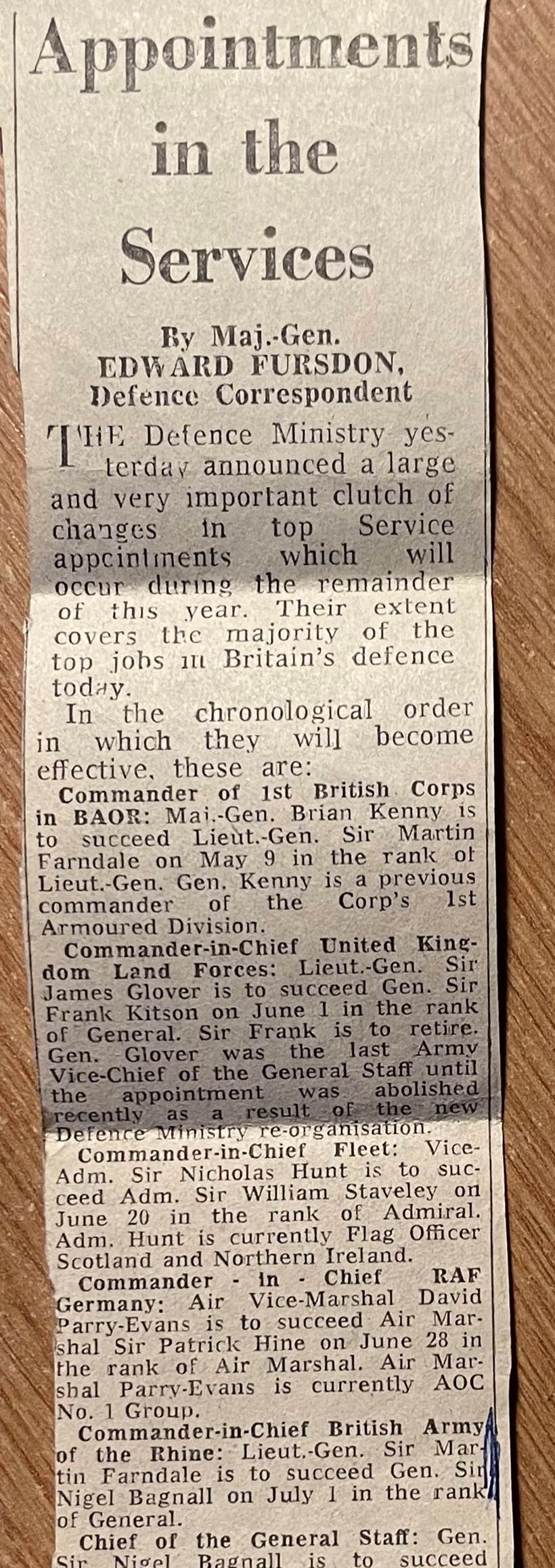
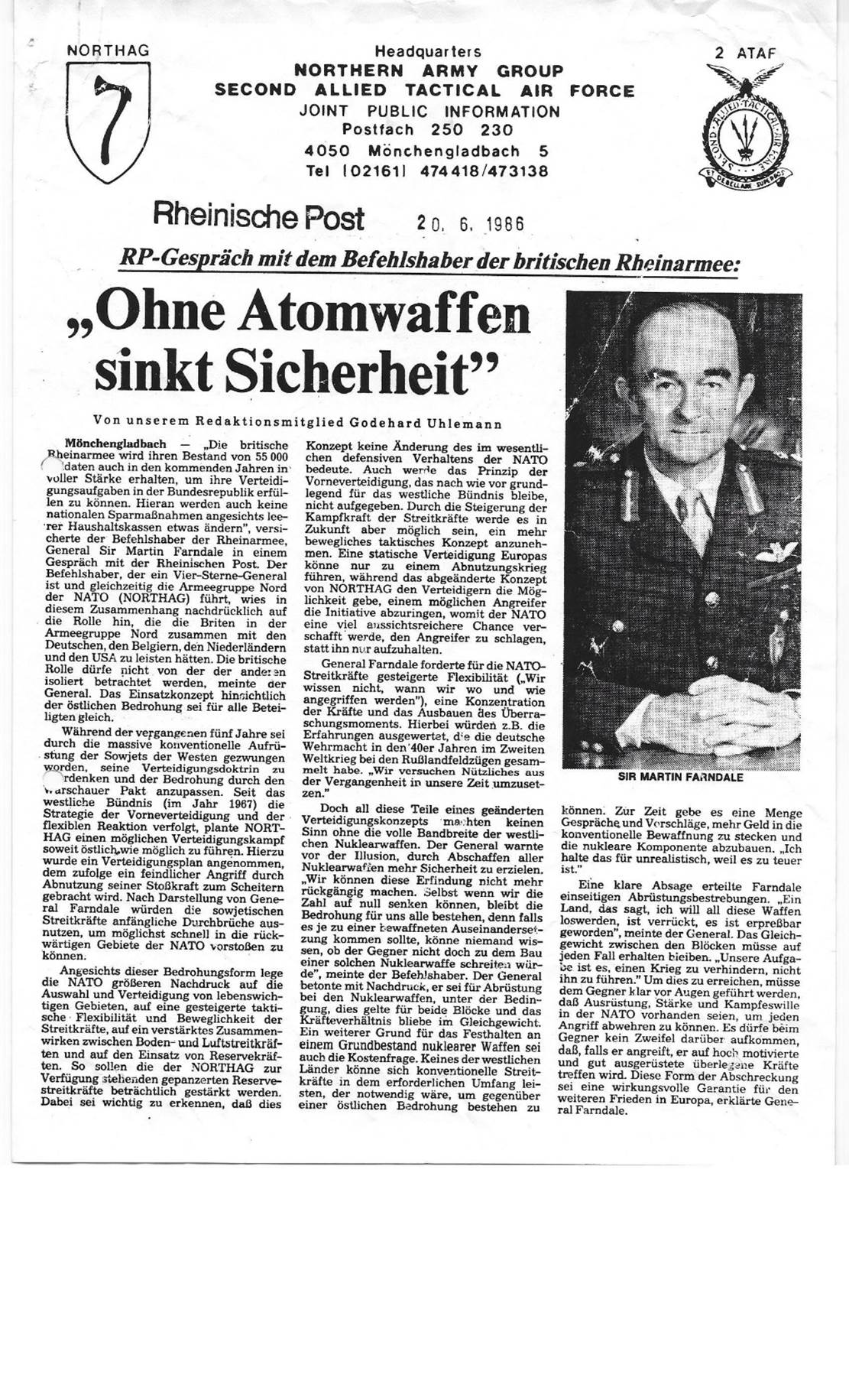
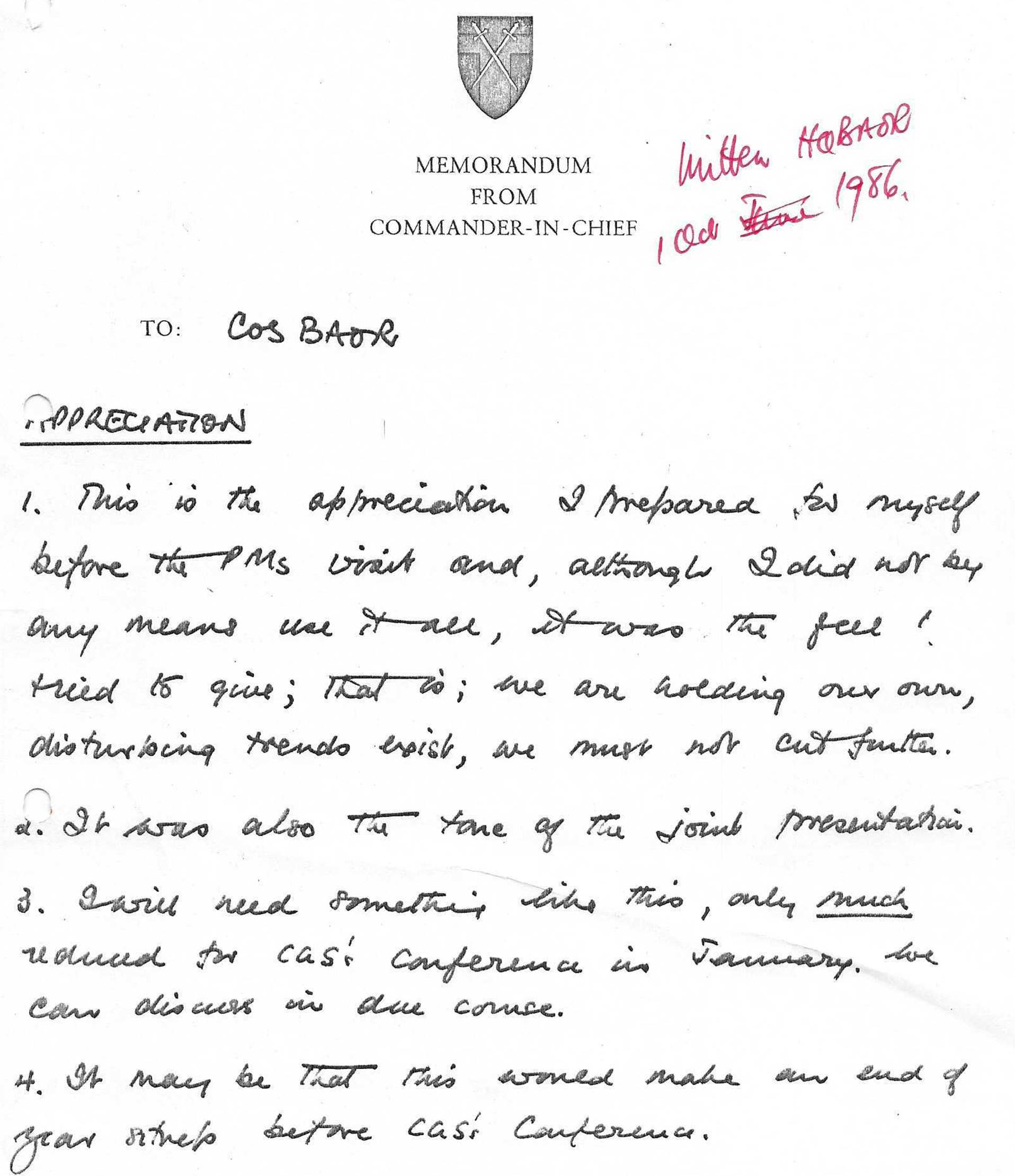
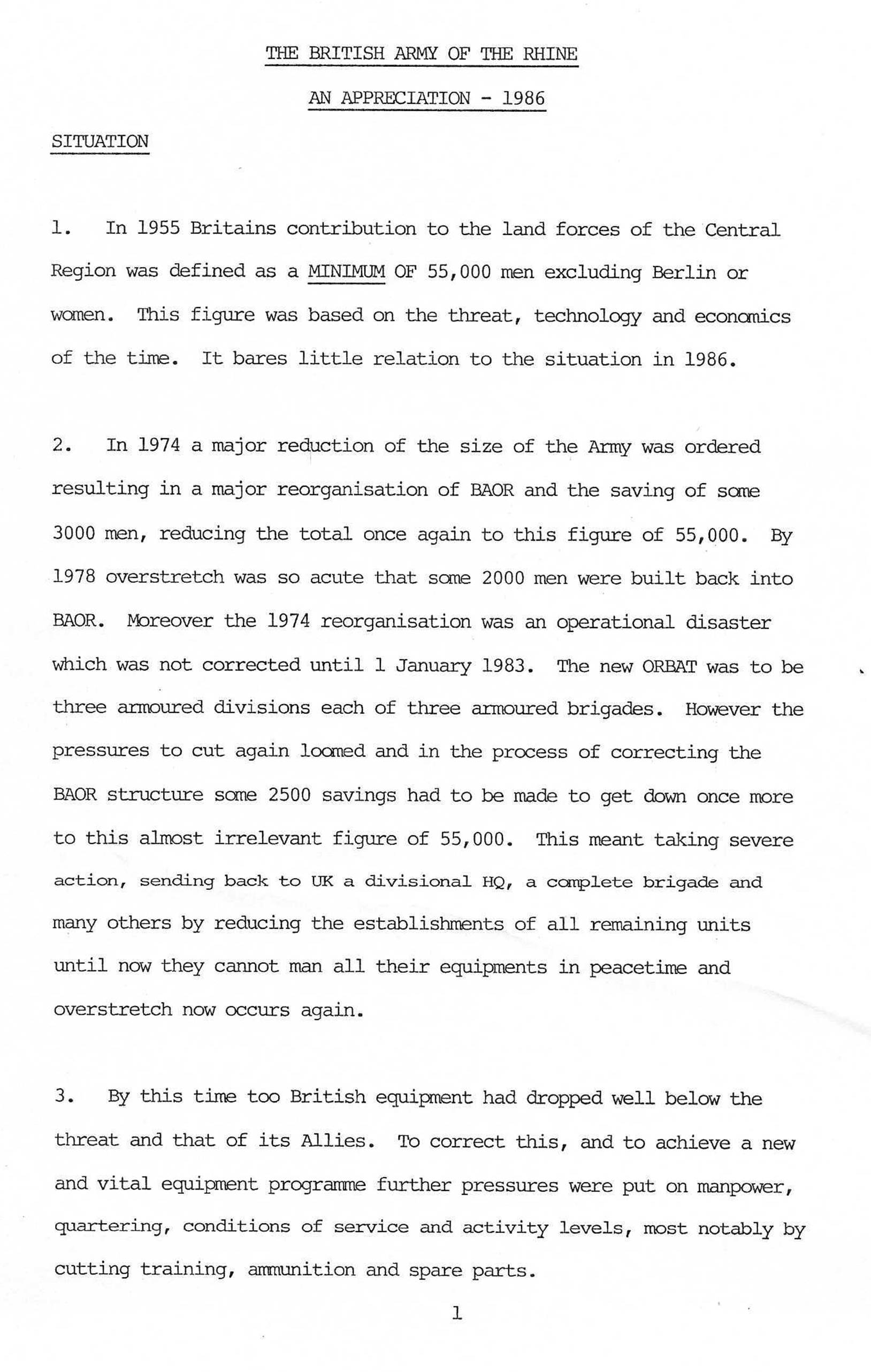
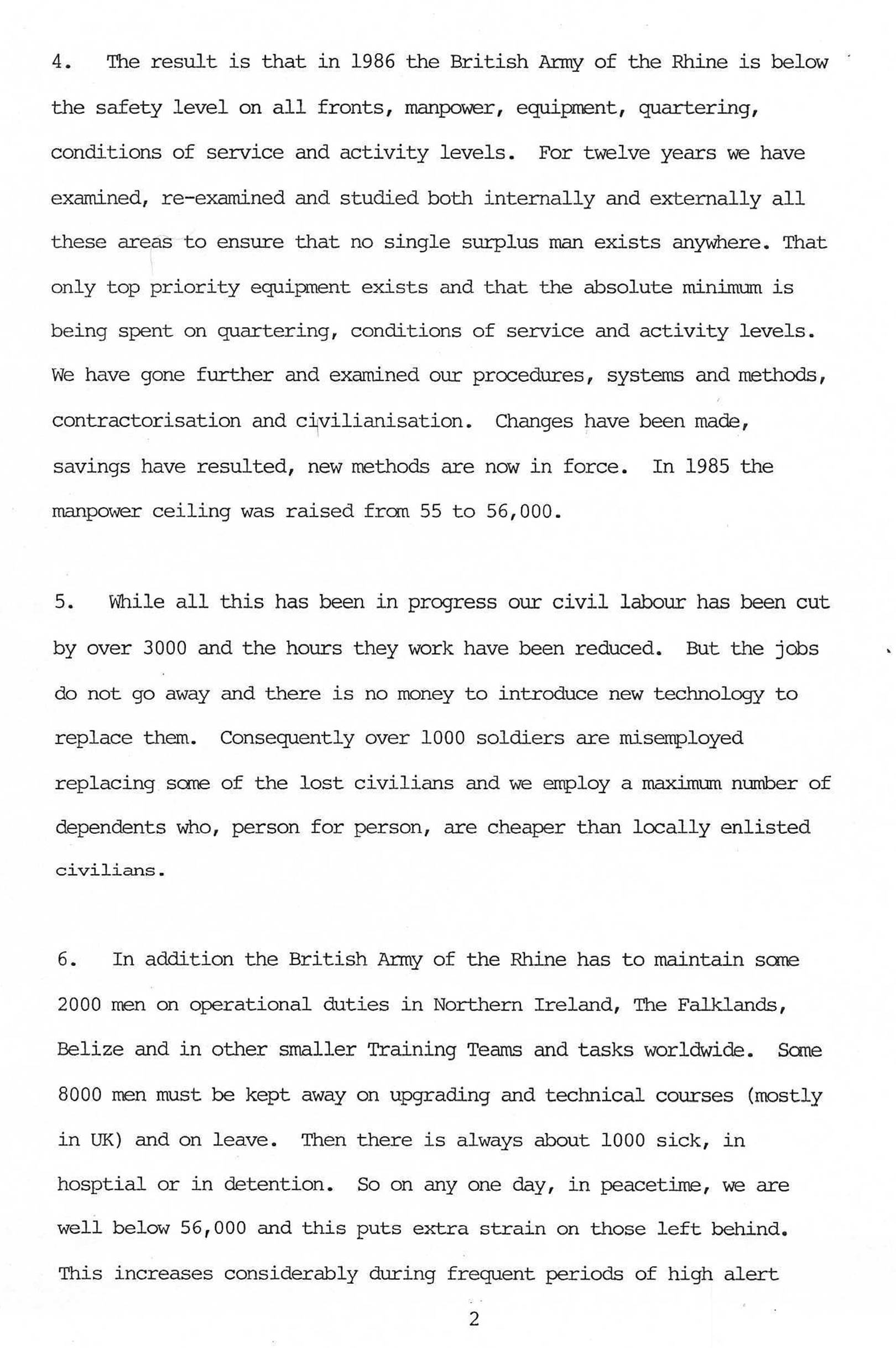
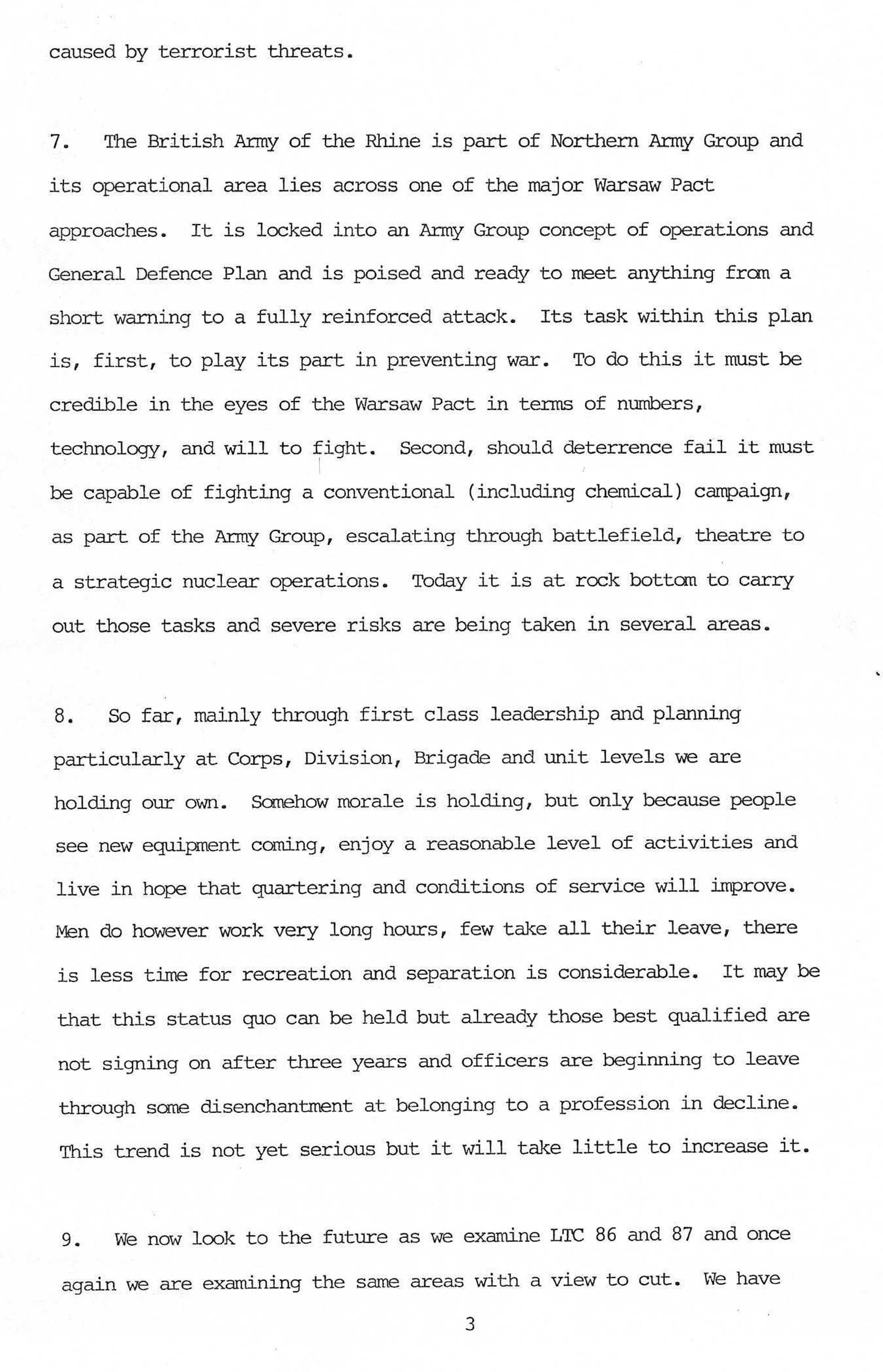
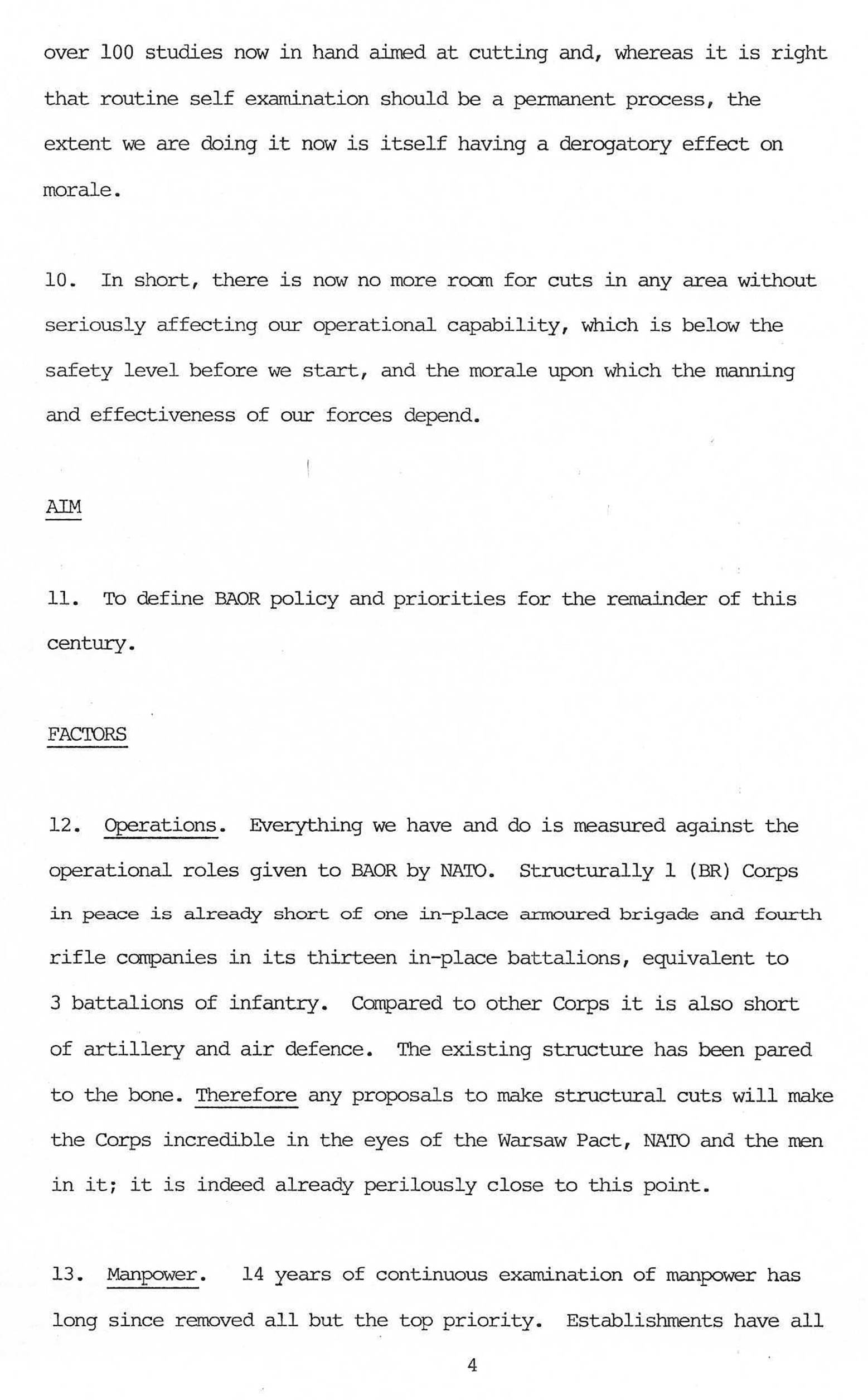
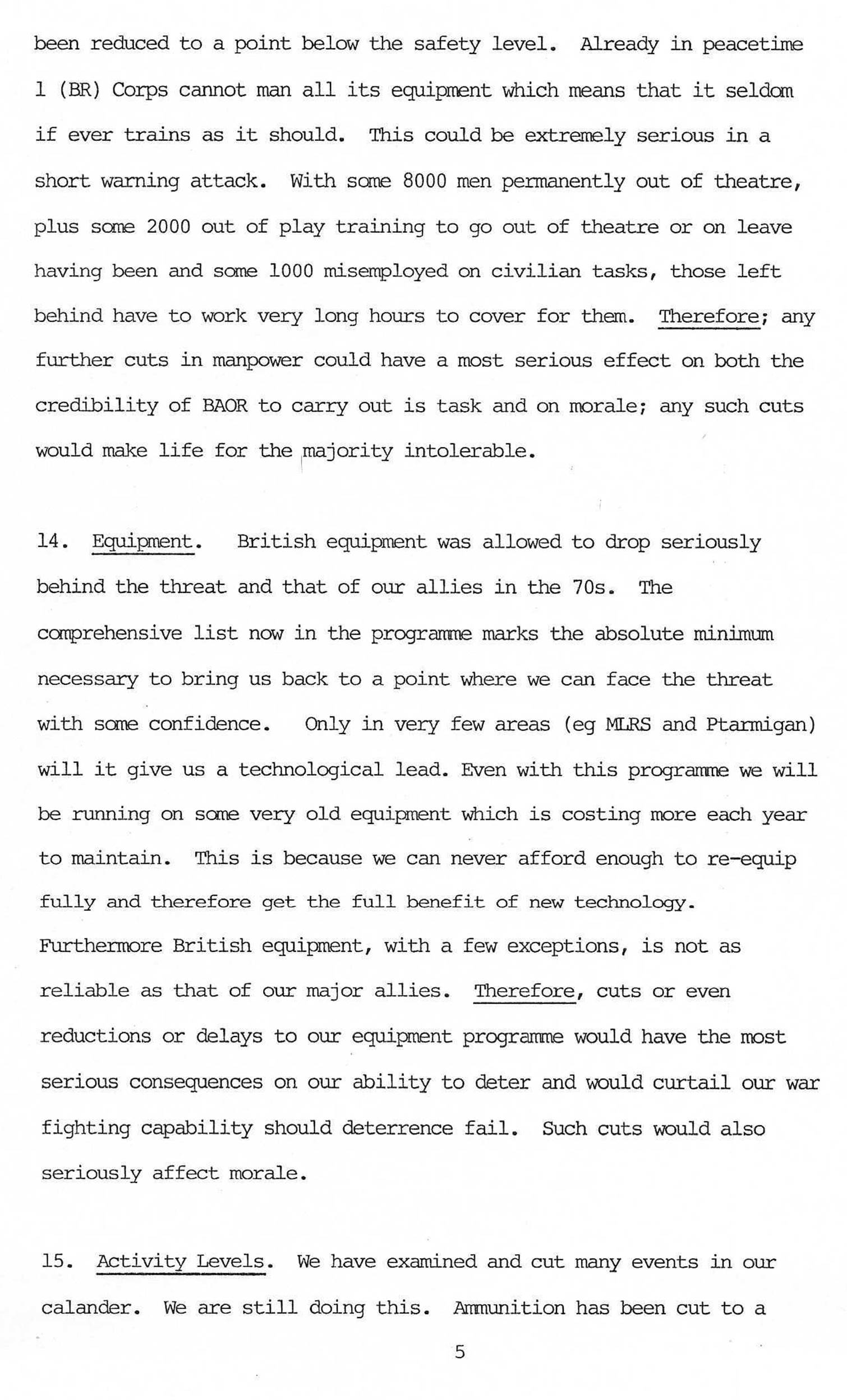
From 1985 General Sir Martin Farndale KCB assumed the dual role of
Commander of the British Army on the Rhine (“BAOR”) and Commander
Northern Army Group (“NORTHAG”).
BAOR comprised all British servicemen in Germany during the Cold
War, when that is where the bulk of British armed forces were based. This
included the main fighting unit of the British Army, 1st British
Corps.
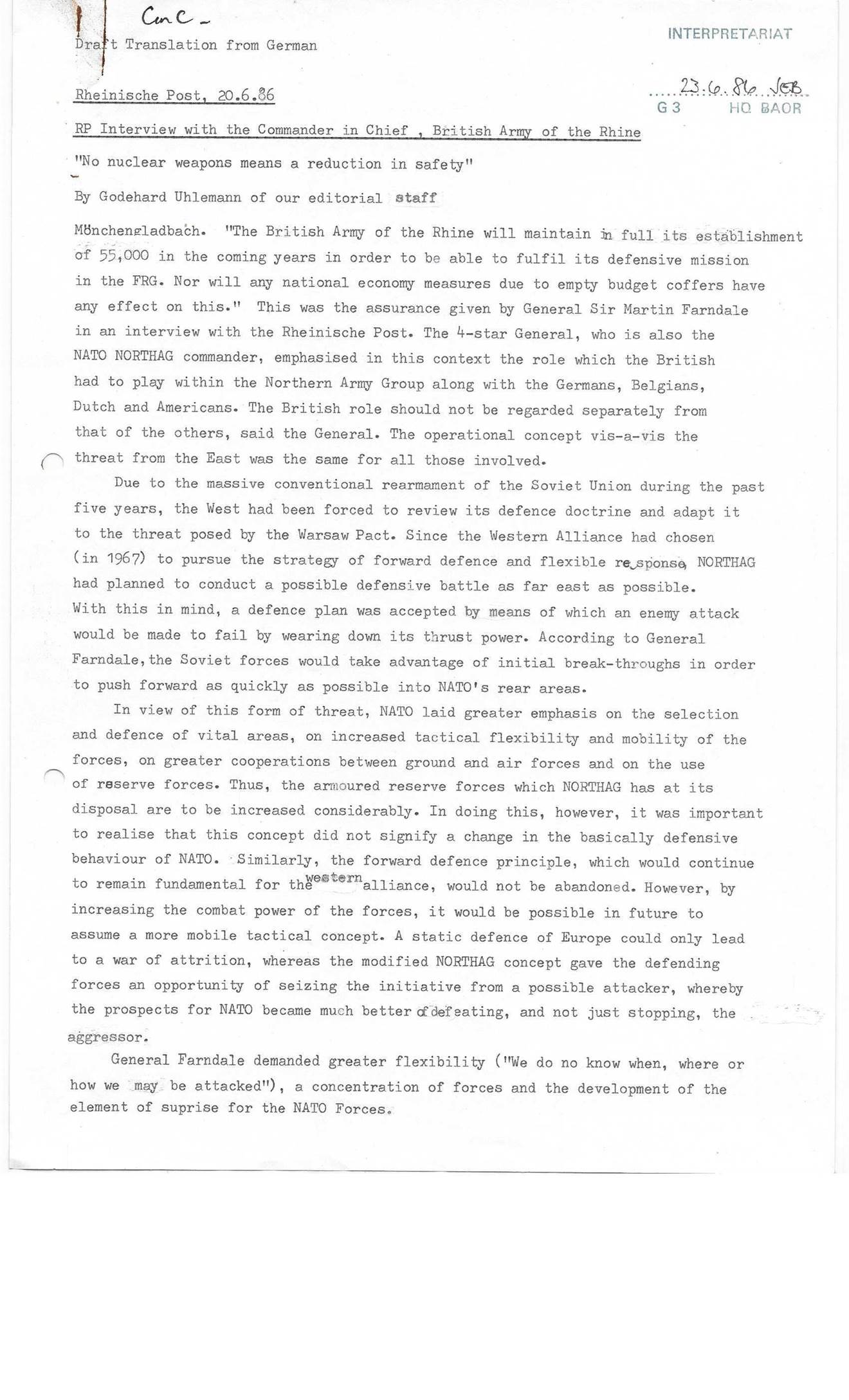
NORTHAG was the NATO fighting force which covered the entire north
flank of NATO during the Cold War. To its south was the Central Army Group (“CENTRAG”),
which covered southern Europe. To its north, the Allied Forces Northern Europe
protected the Scandinavian arctic.
NORTHAG reported to Allied Forces Central Europe (“AFCENT”),
which in turn reported to the Supreme Headquarters Allied Powers Europe (“SHAPE”).
NORTHAG
had five Corps under its command including the British Corps:
·
I Dutch Corps (Dutch 1st, 4th and 5th Mechanized Divisions and
the 101st Infantry Brigade. From July 1985 the German 3rd Panzer Division was
added.)
·
I German Corps (1st Panzer Division, 7th
Panzer Division, 11th Panzer grenadier Division, and 27th Airborne
Brigade.)
·
I British Corps (1st Armoured Division, 3rd and 4th Armoured,
and 2nd Infantry Division)
·
I Belgian
Corps (1st Infantry and 16th Armoured Division)
·
III French Corps as reserve corps (2nd Armoured Division, and
10th Armoured, and 8th Infantry Division (France))
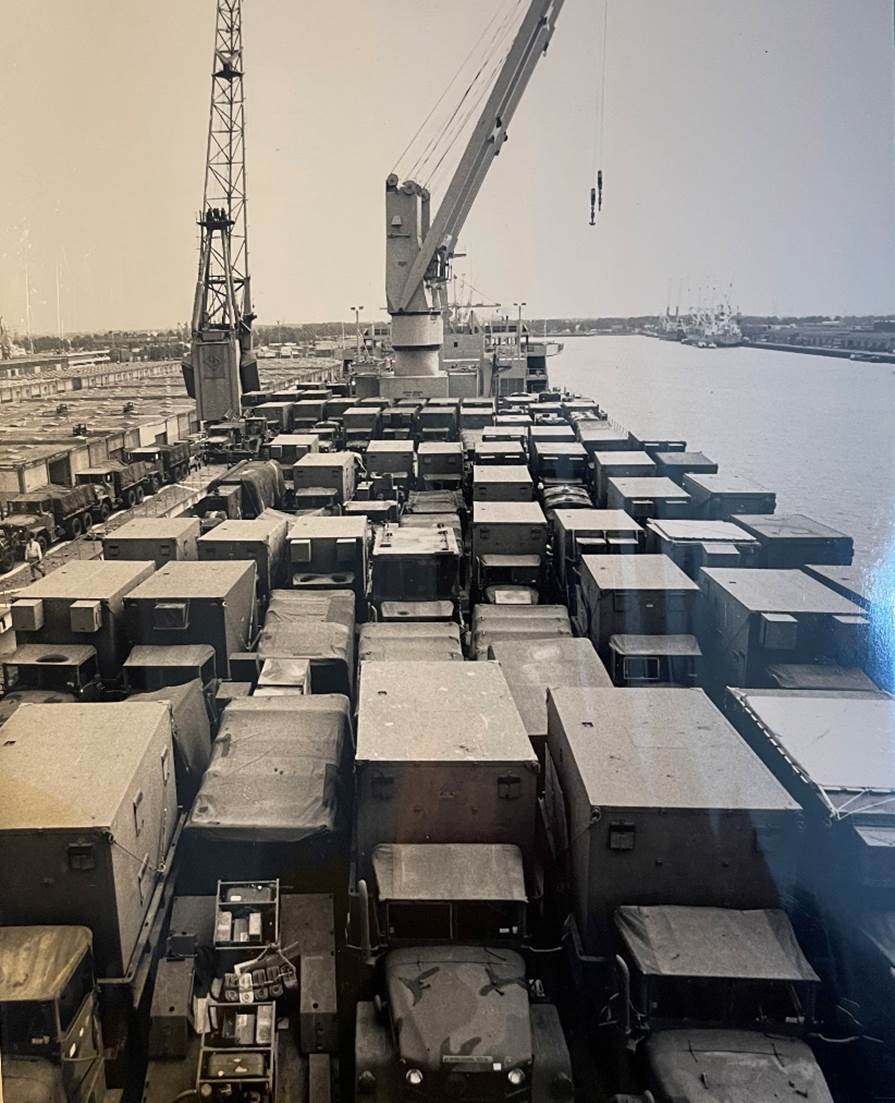
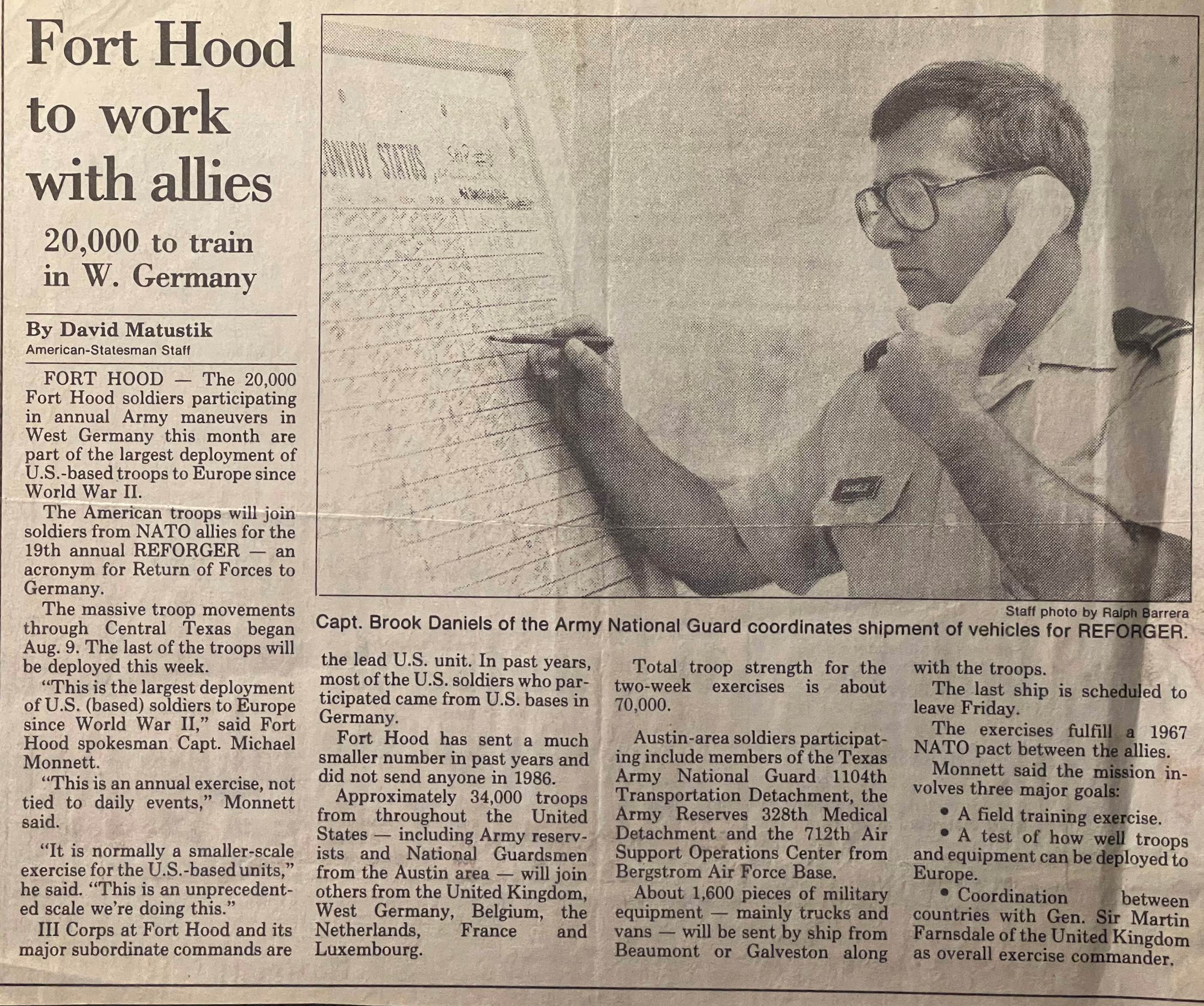
It also had III (US) Corps was assigned as reserve corps. 3rd
Brigade, 2nd Armoured Division was forward deployed at Garlstedt.
The rest of 2nd Armoured Division,
along with 1st Cavalry Division, 5th Infantry Division
(Mech), 212th Field Artillery Brigade and 3rd Armoured Cavalry
Regiment would join NORTHAG through OPERATION REFORGER within
days after an outbreak of hostilities. They would draw their equipment
from POMCUS depots
in the Netherlands, Belgium and North Rhine-Westphalia.
Air Support was provided by the Second Allied Tactical Air Force (“ATAC”)
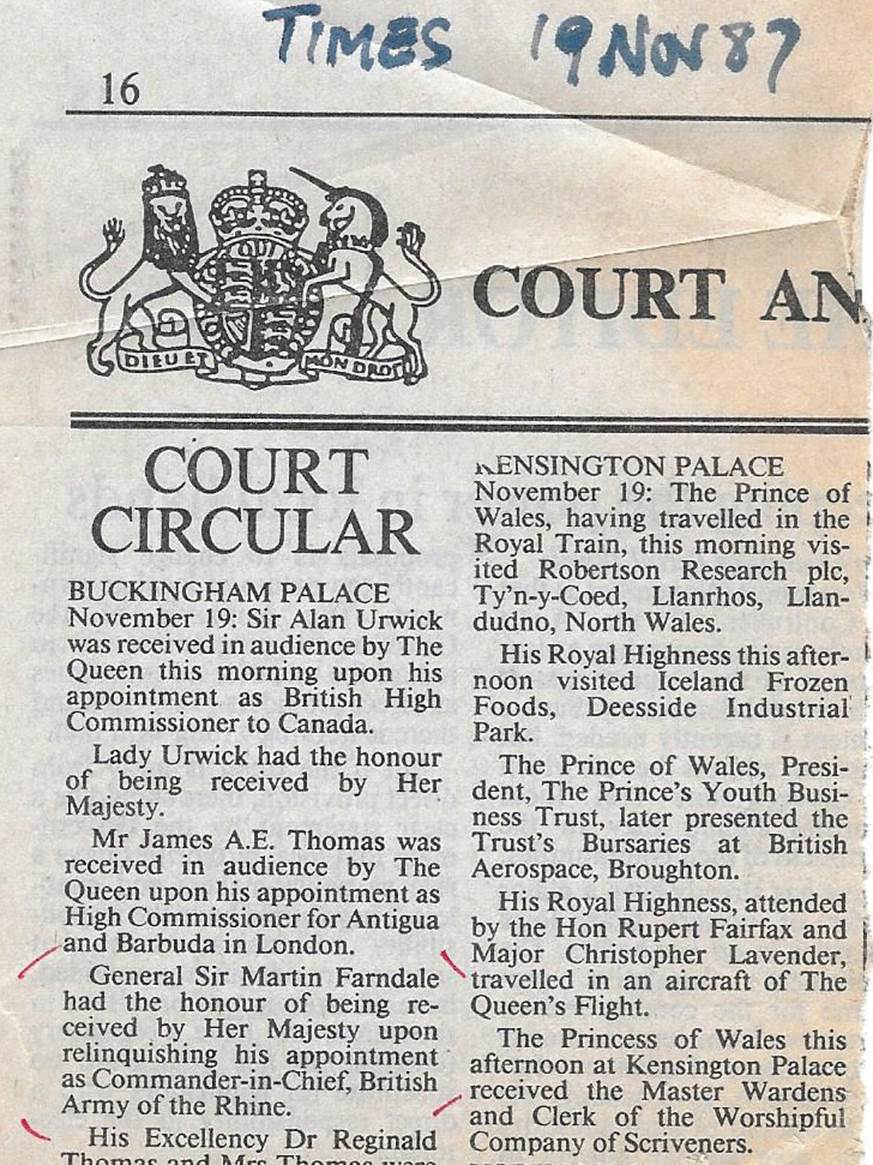
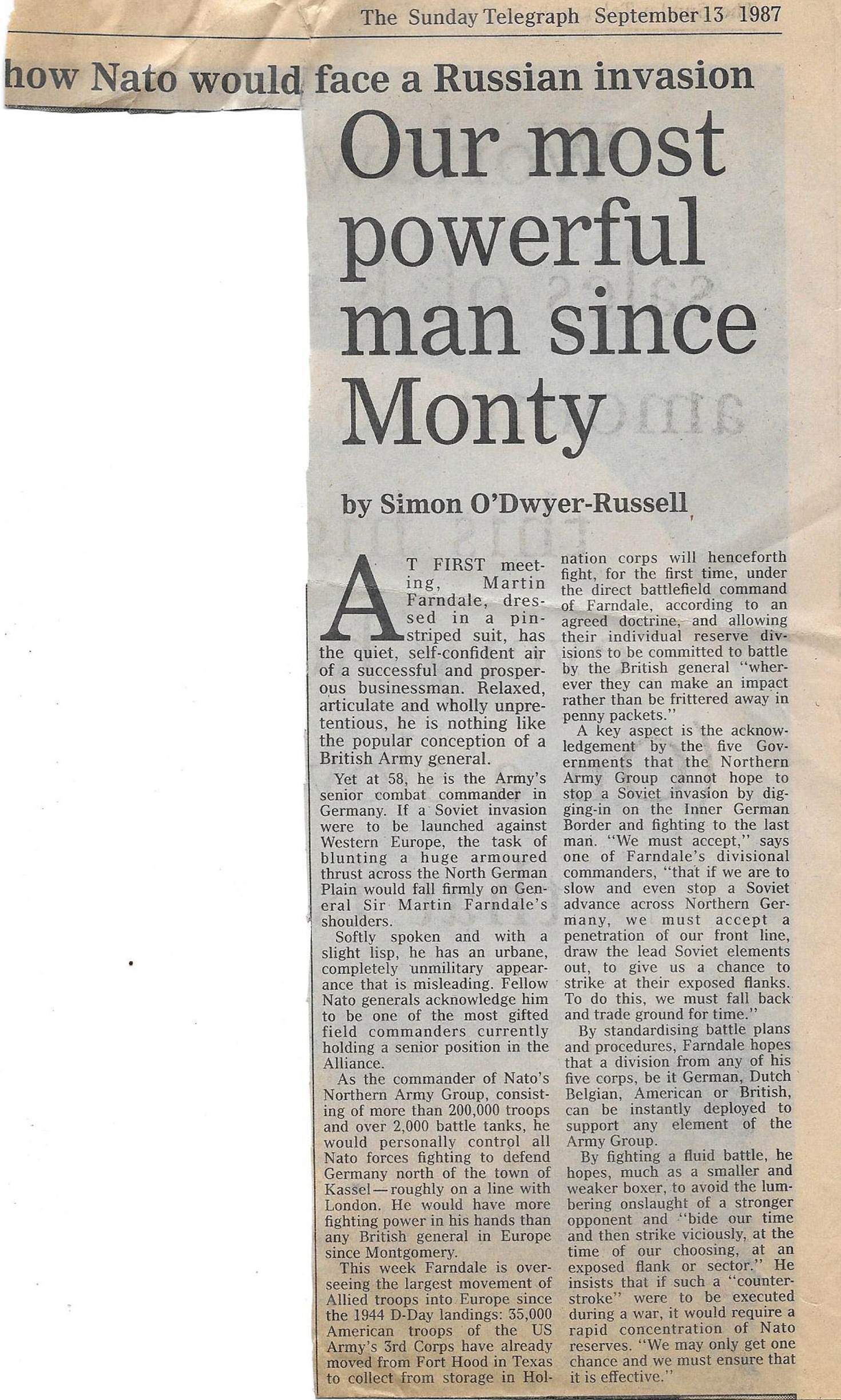
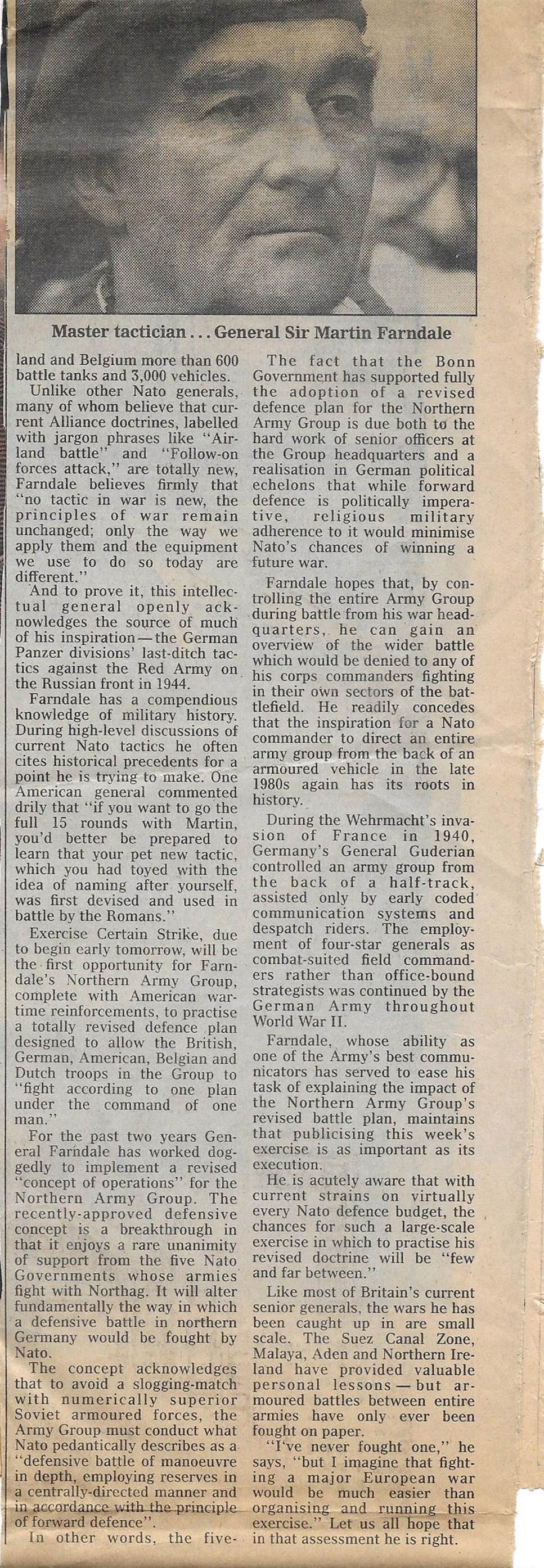
So during the late 1980s, at the height of the Cold War, Martin
Farndale had a potent military force at his disposal, and a significant
responsibility for the defence of Europe. In terms of firepower it is probably
the most potent military force ever, since after 1990, NATO powers started to
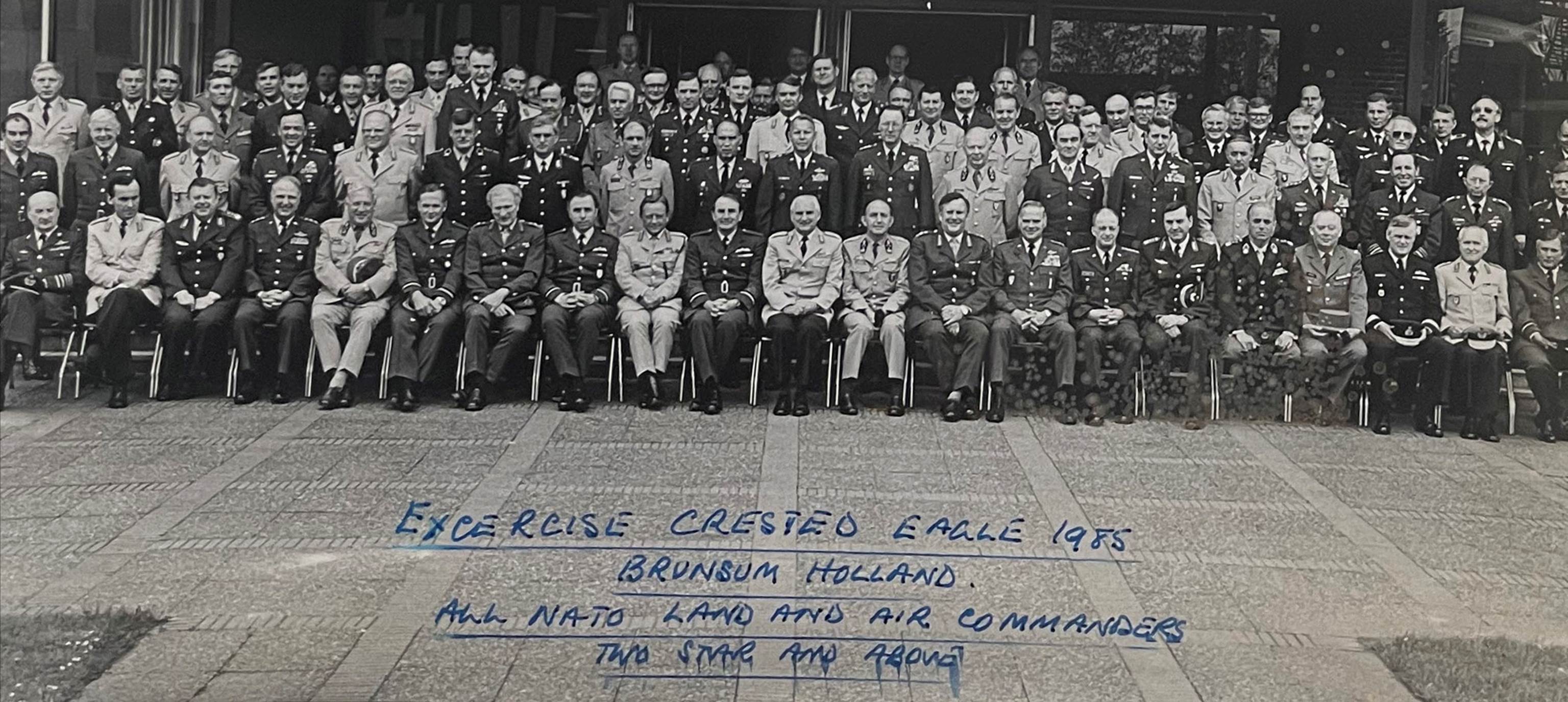
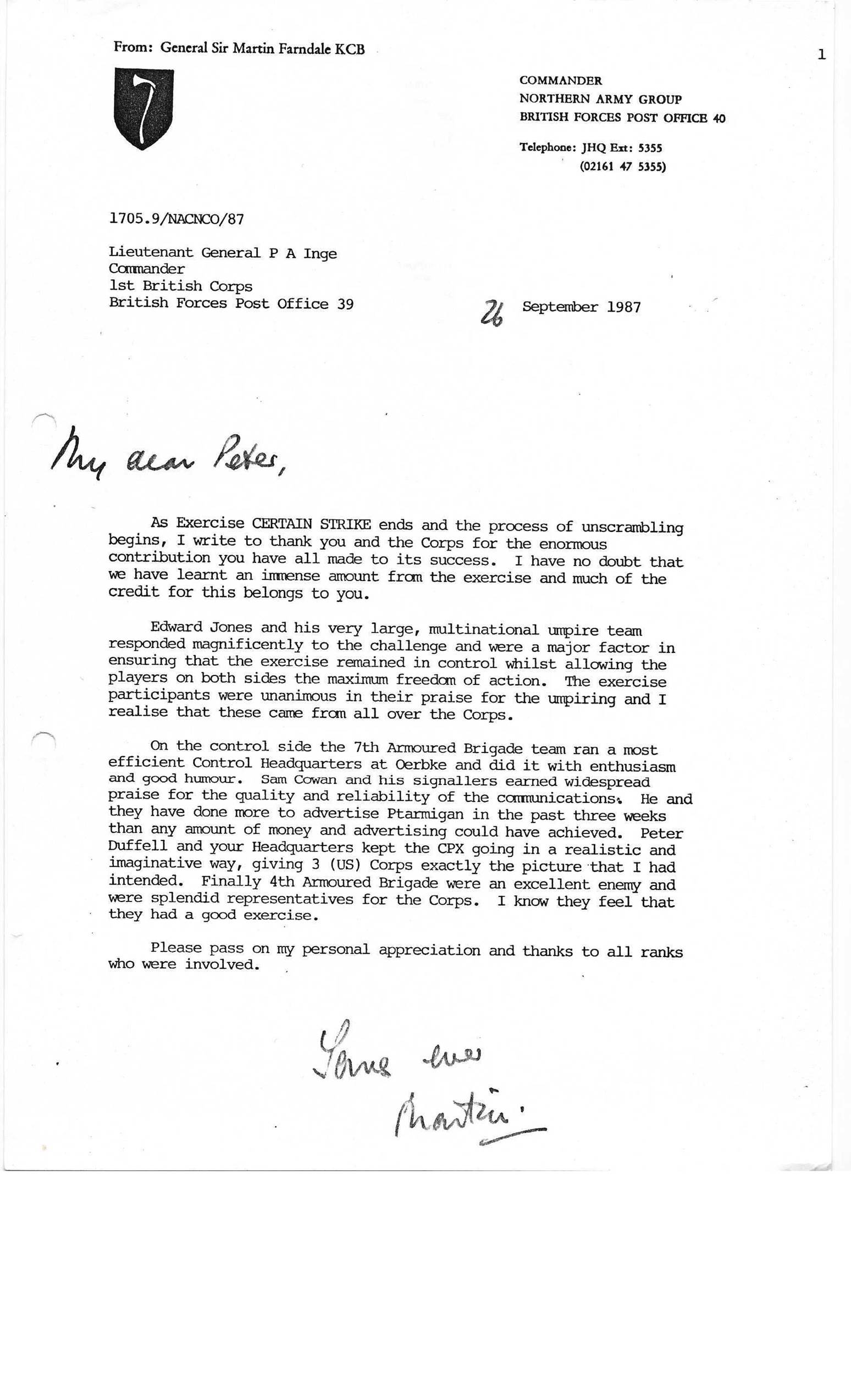
reduce their armed forces very significantly. He conducted exercises during his
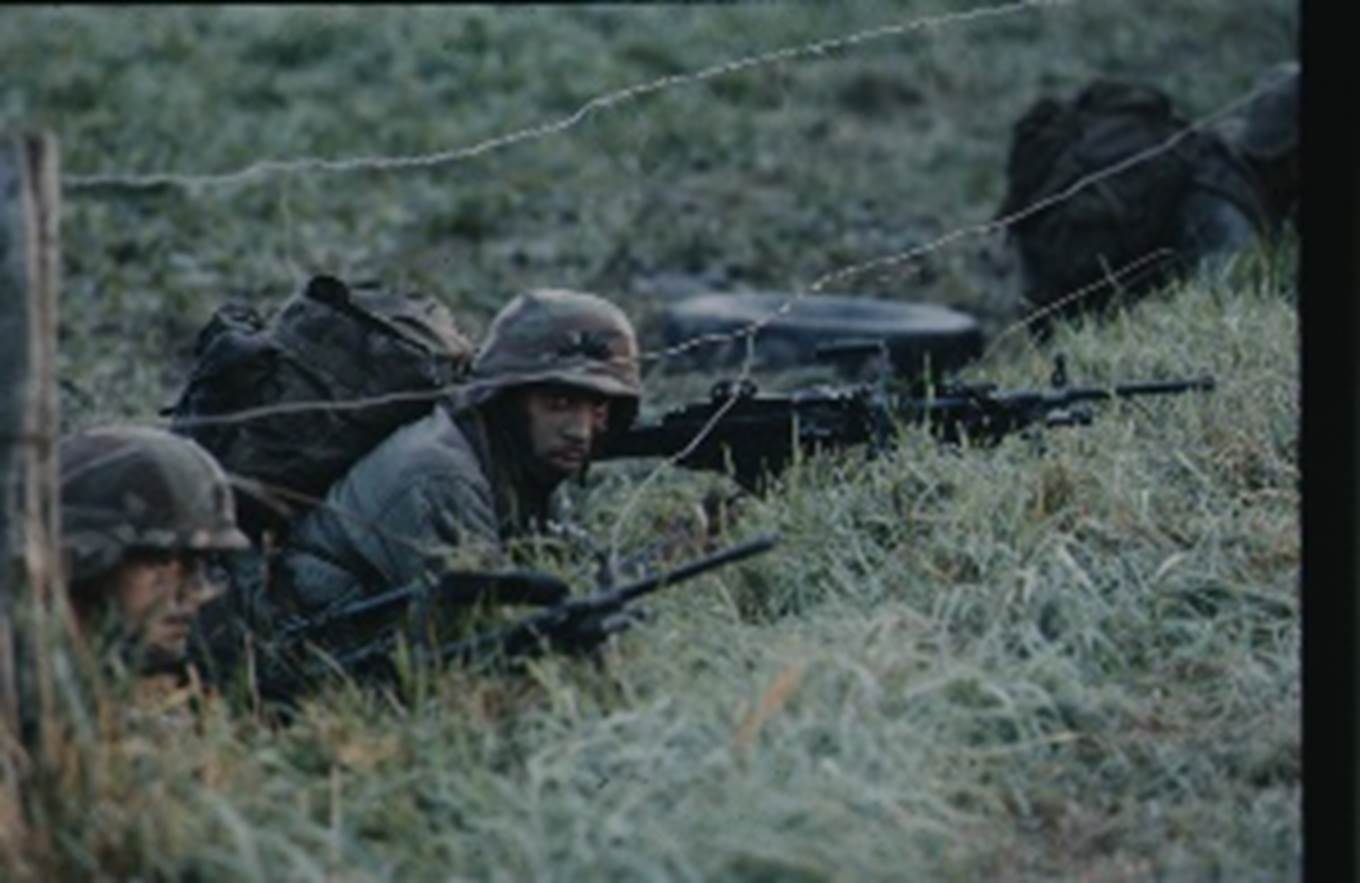
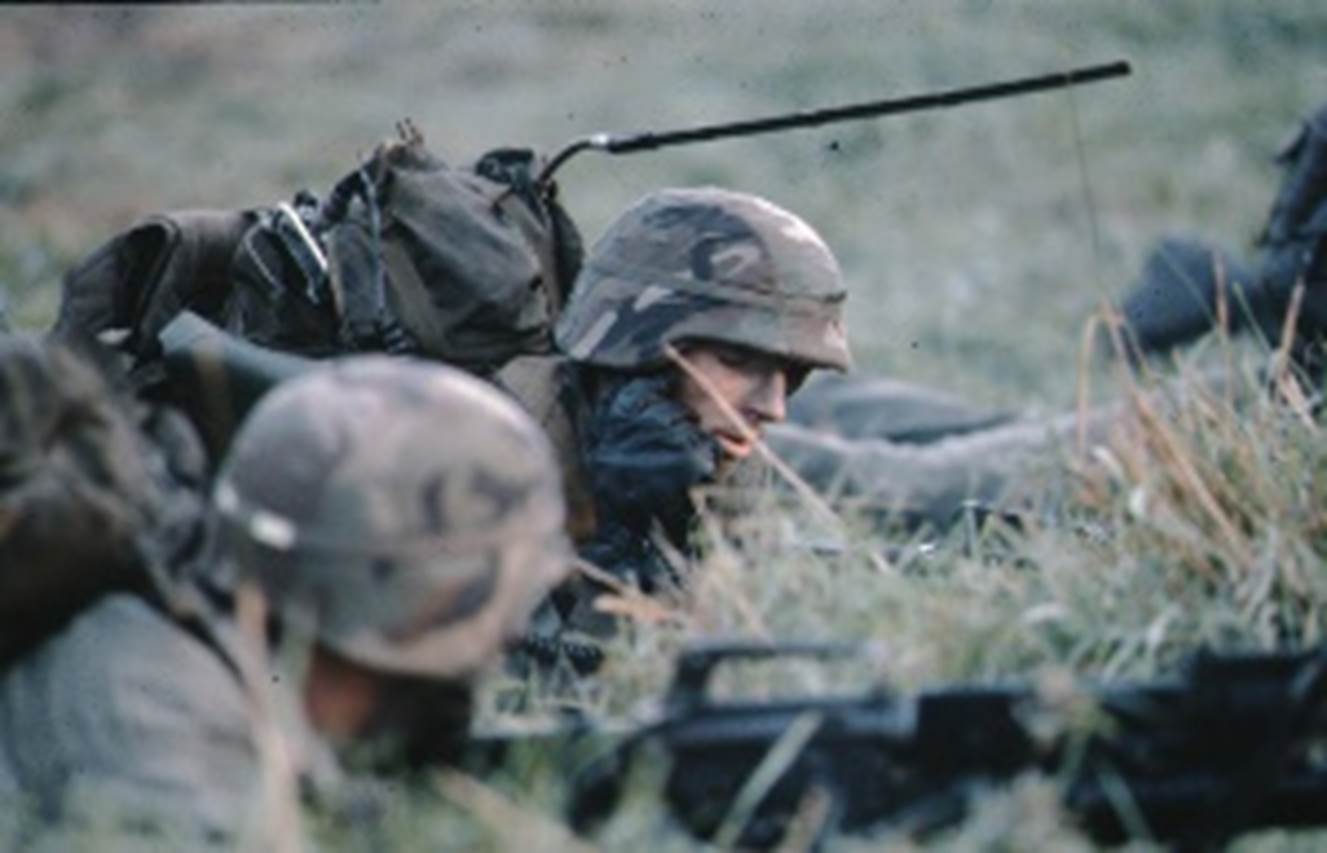
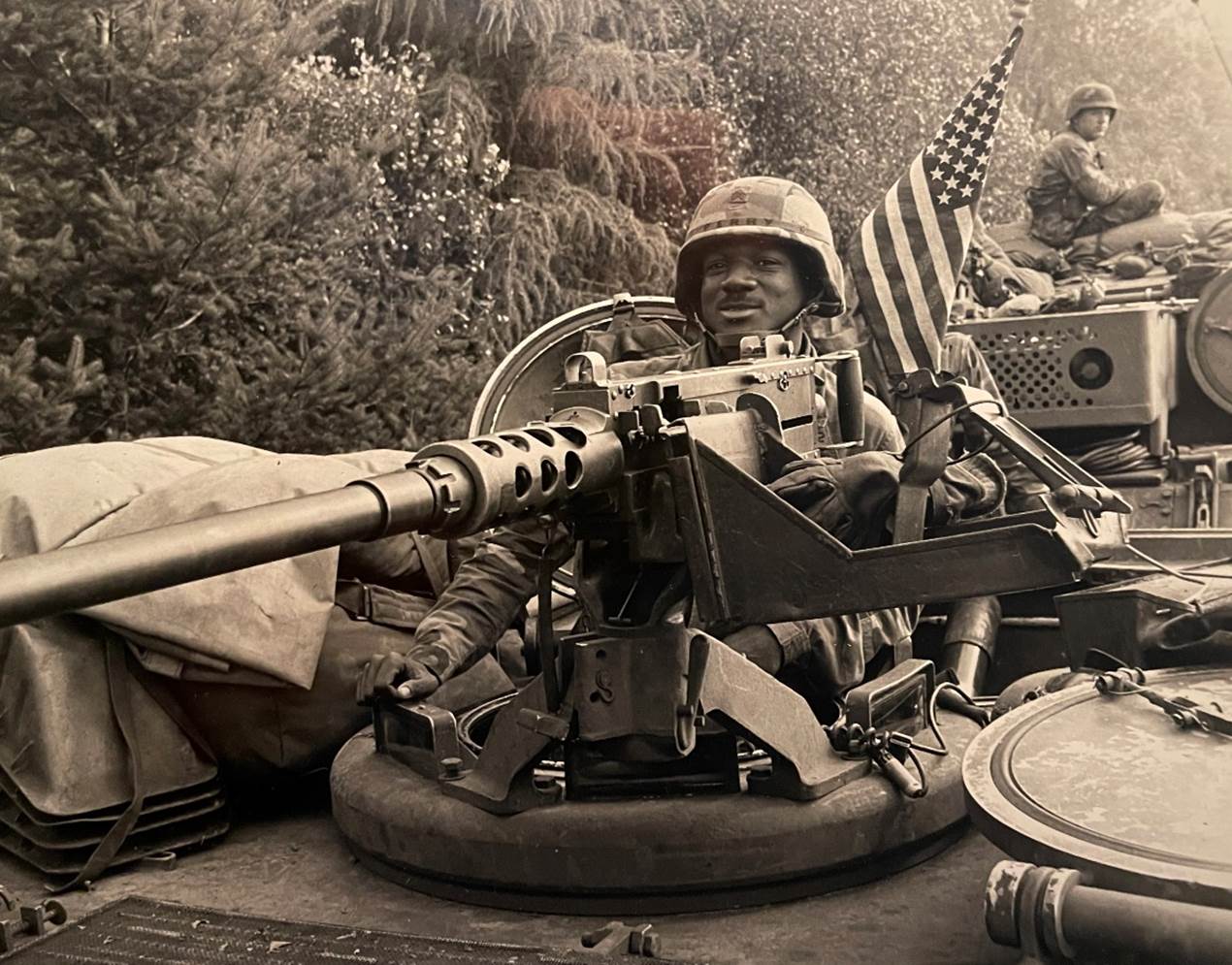
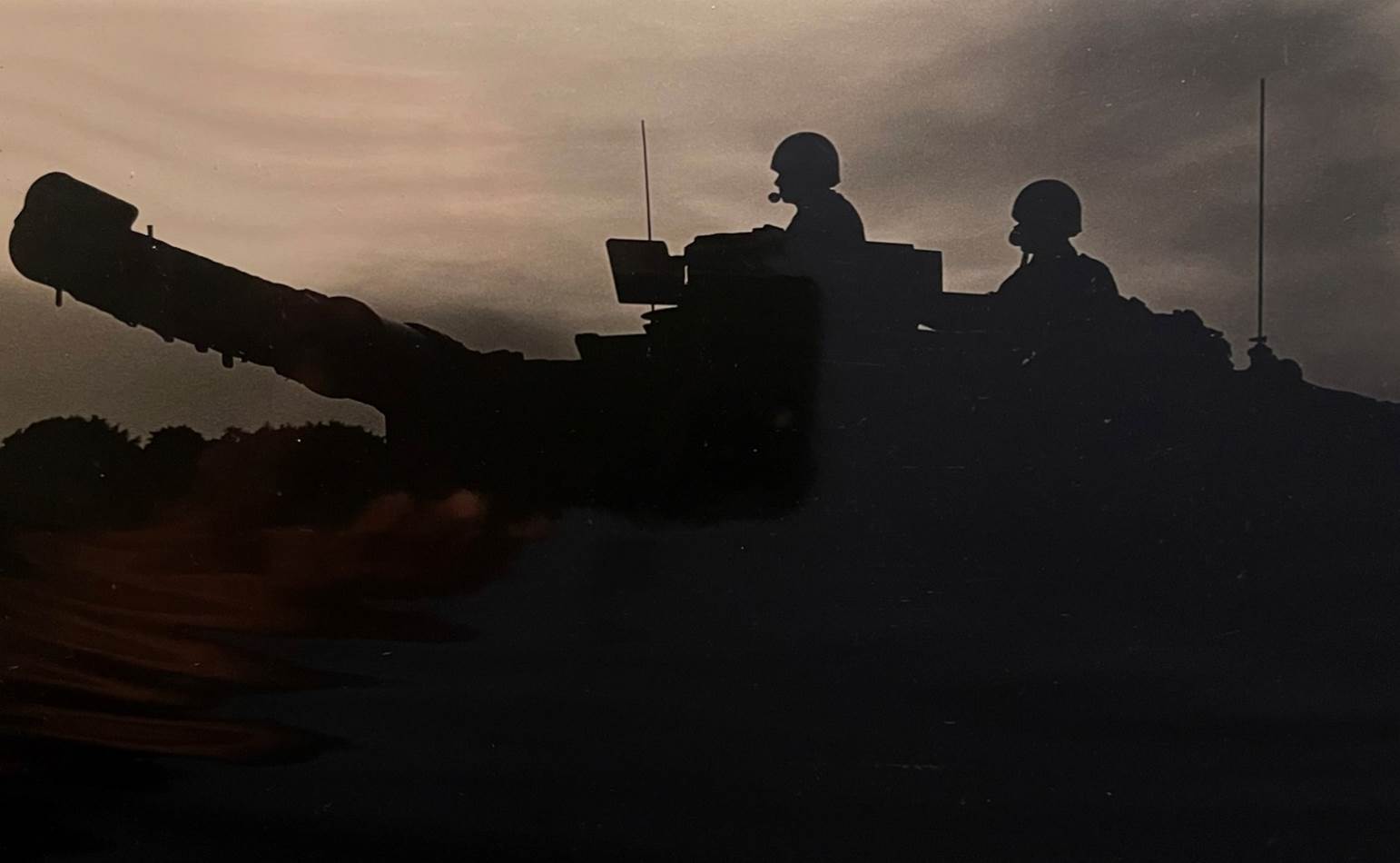
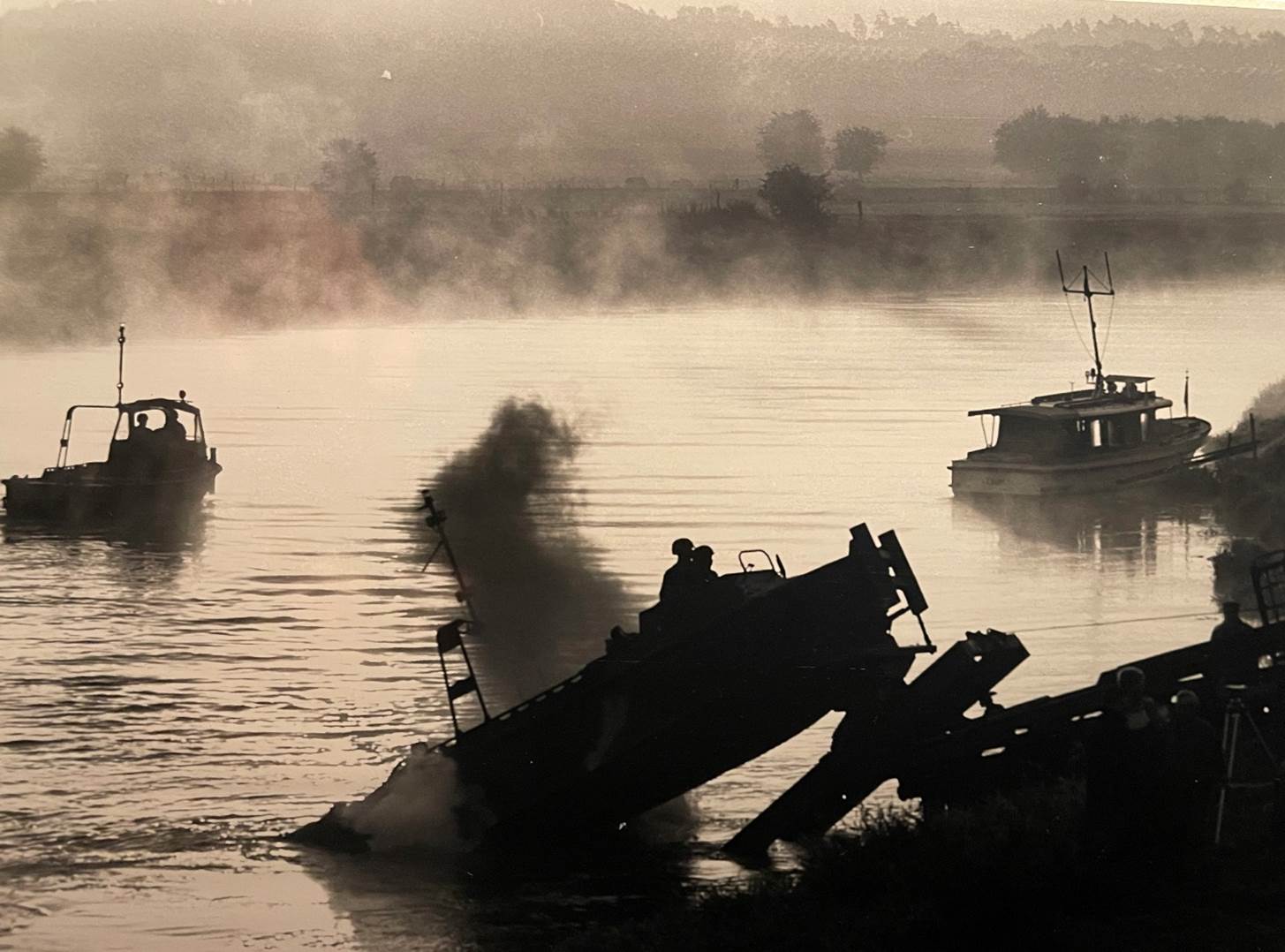
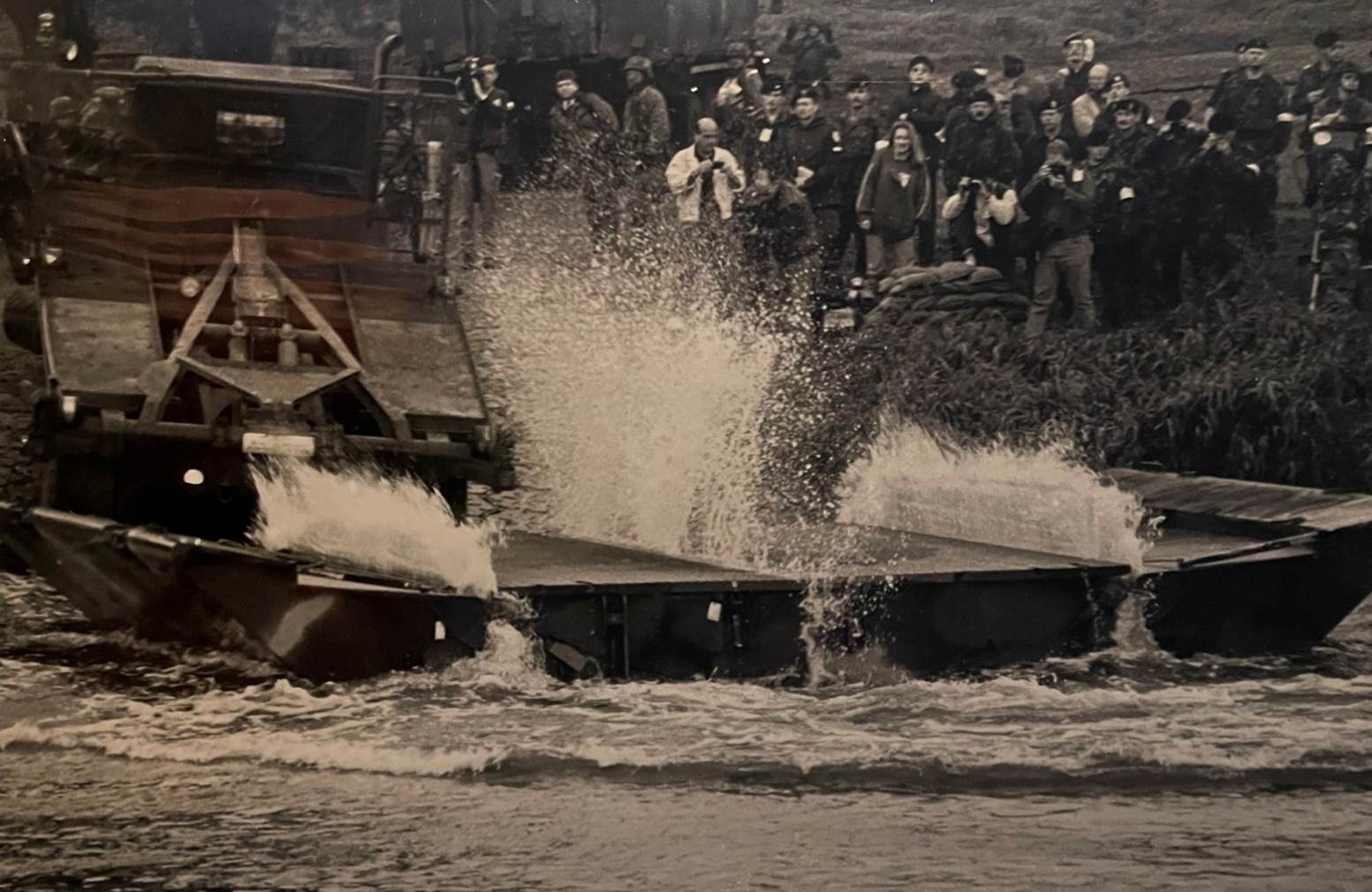
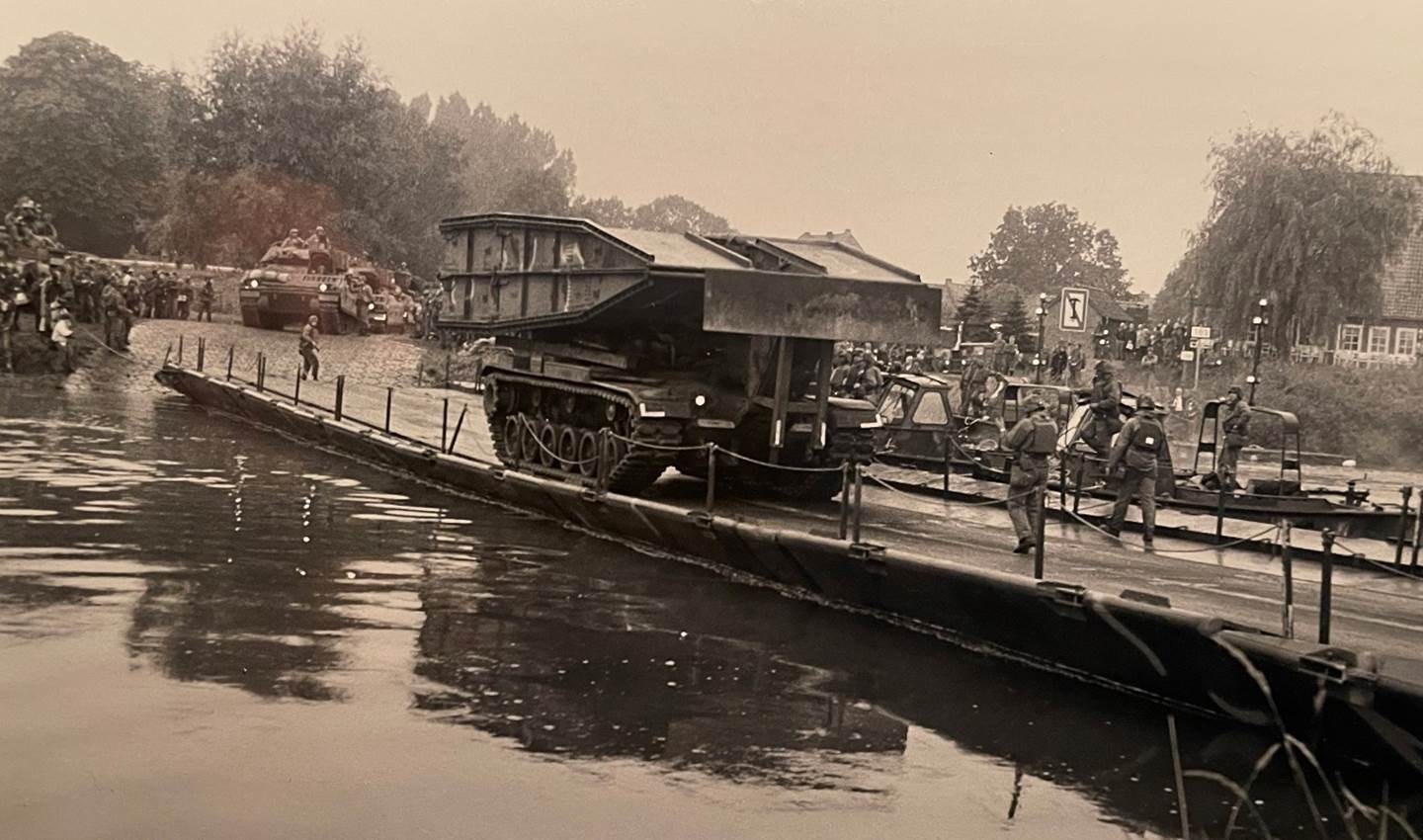
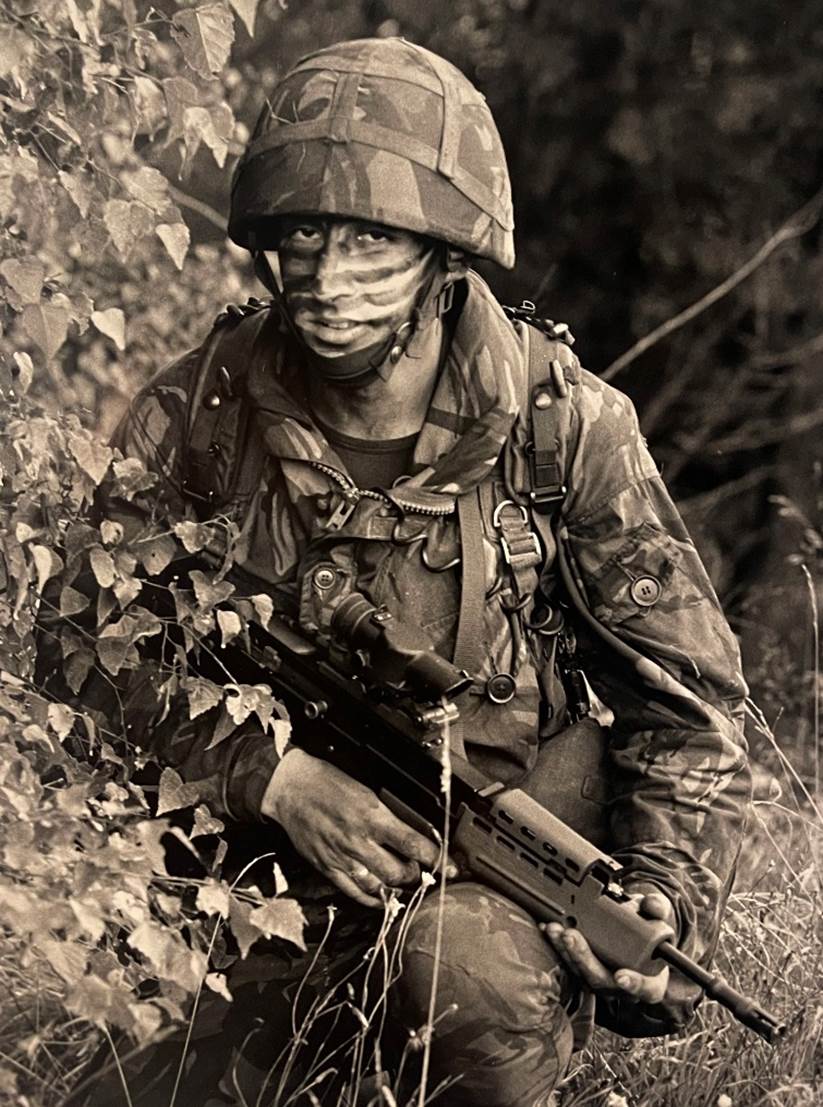
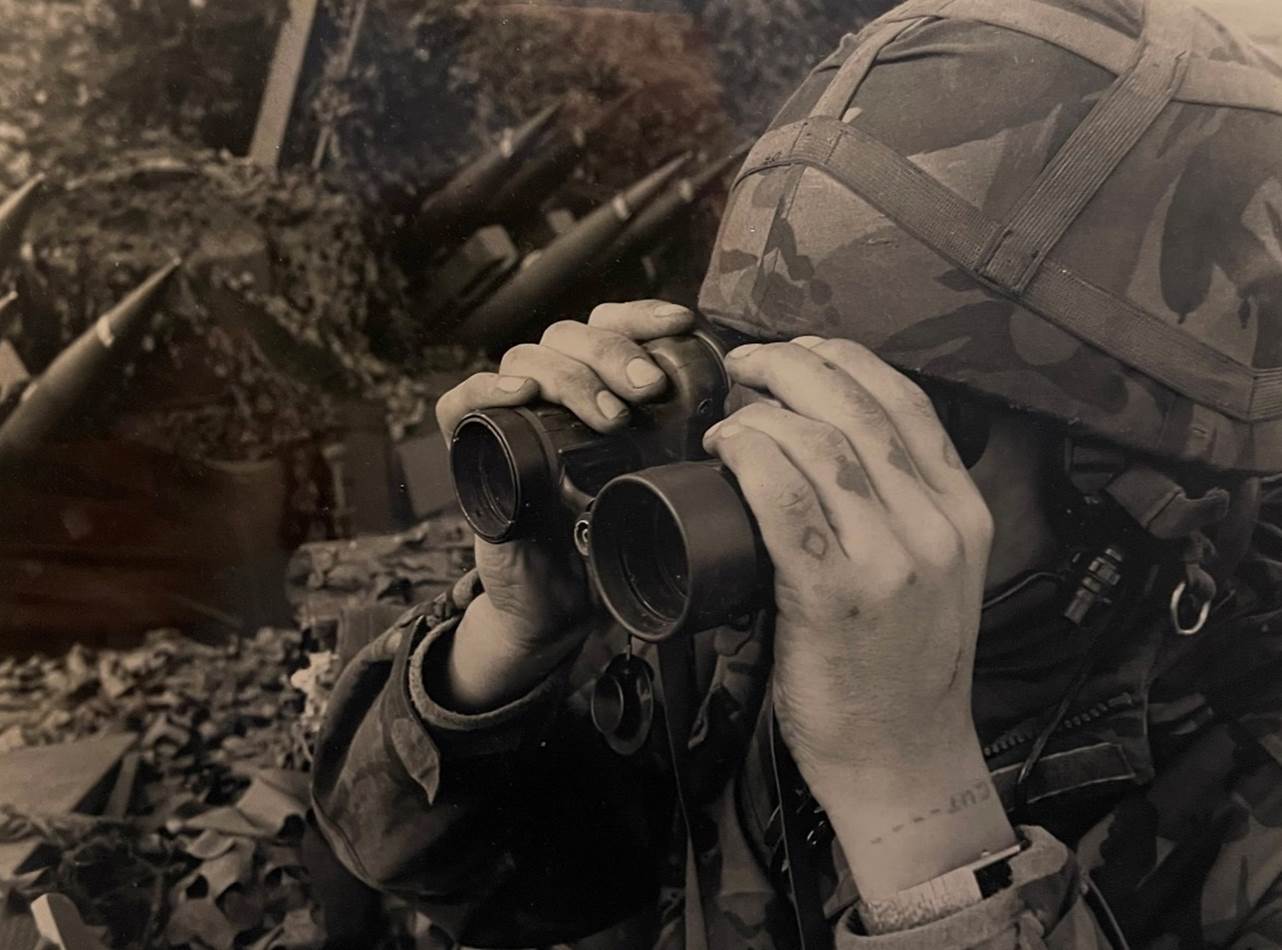
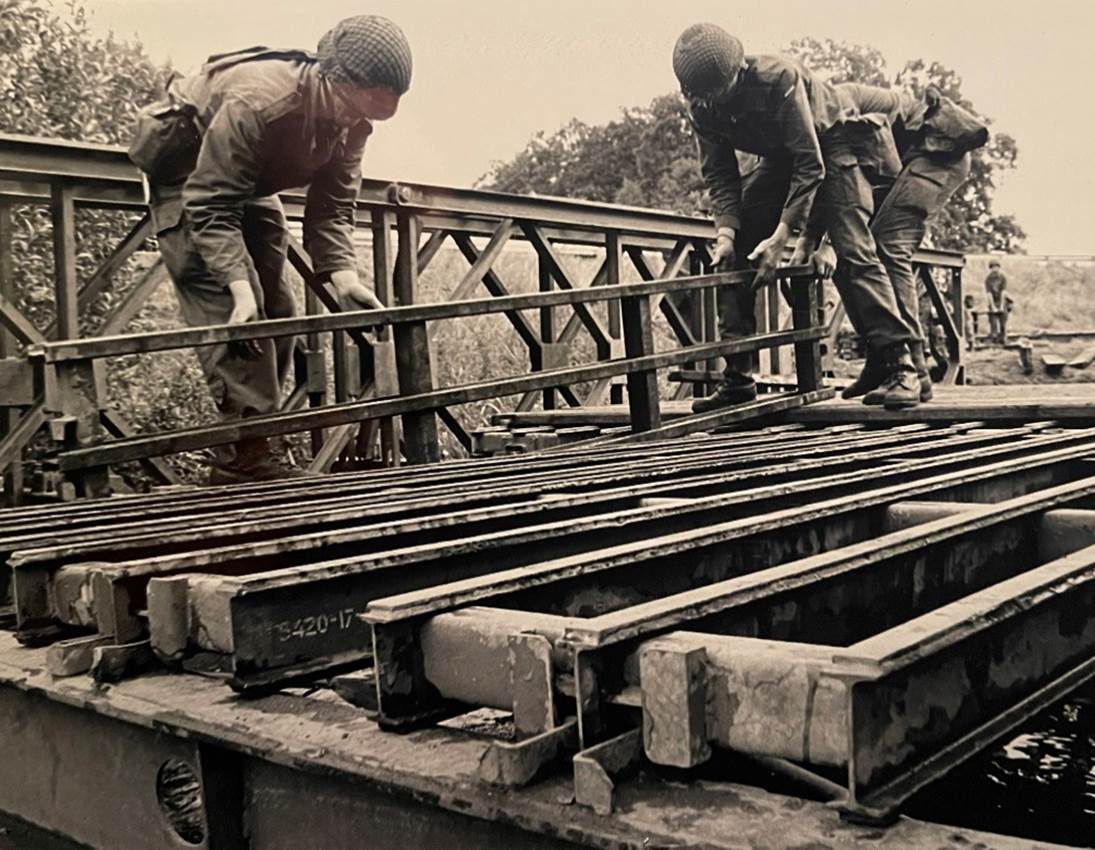
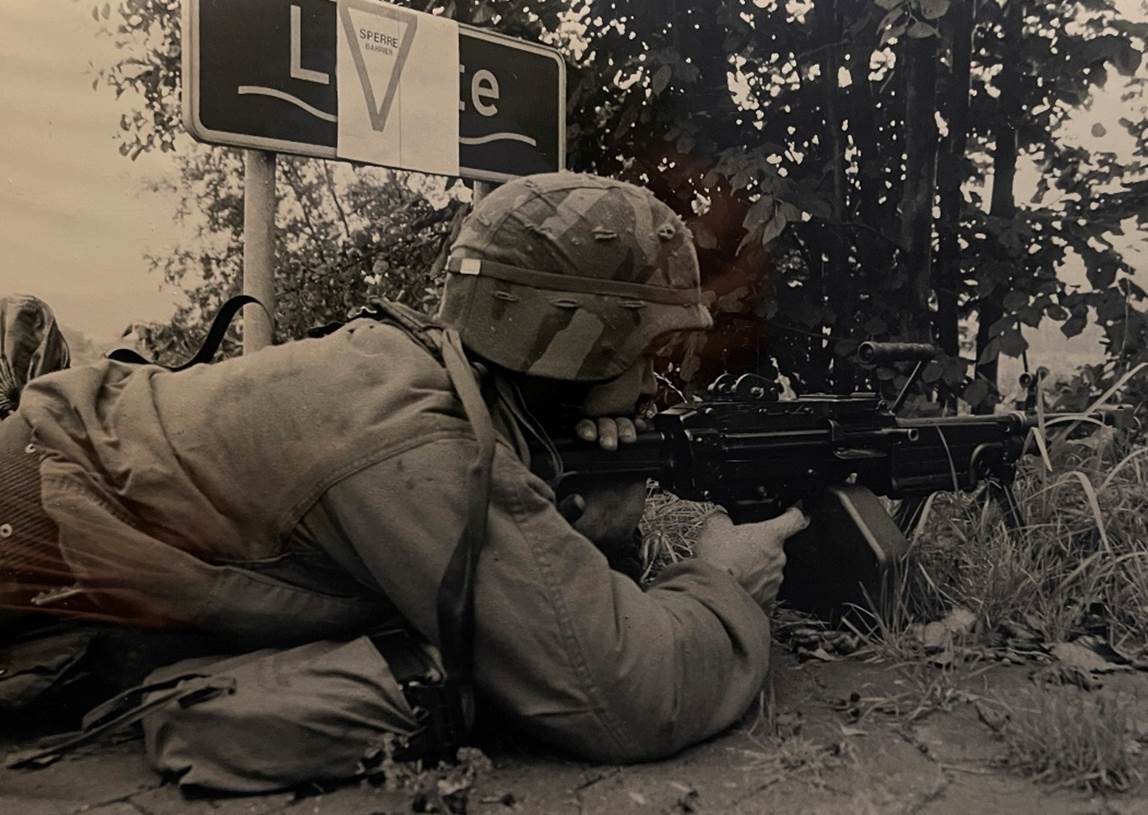
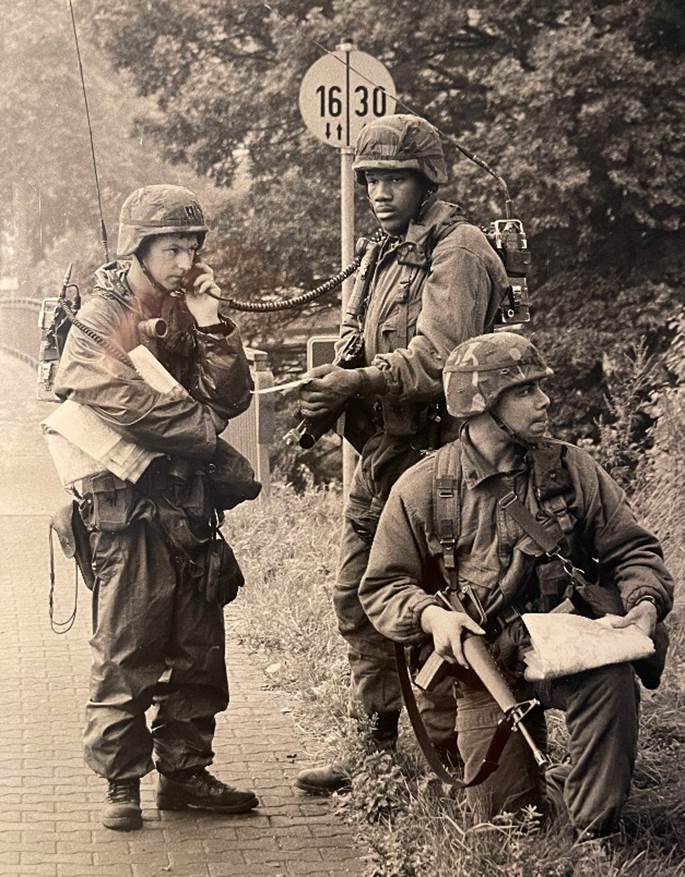
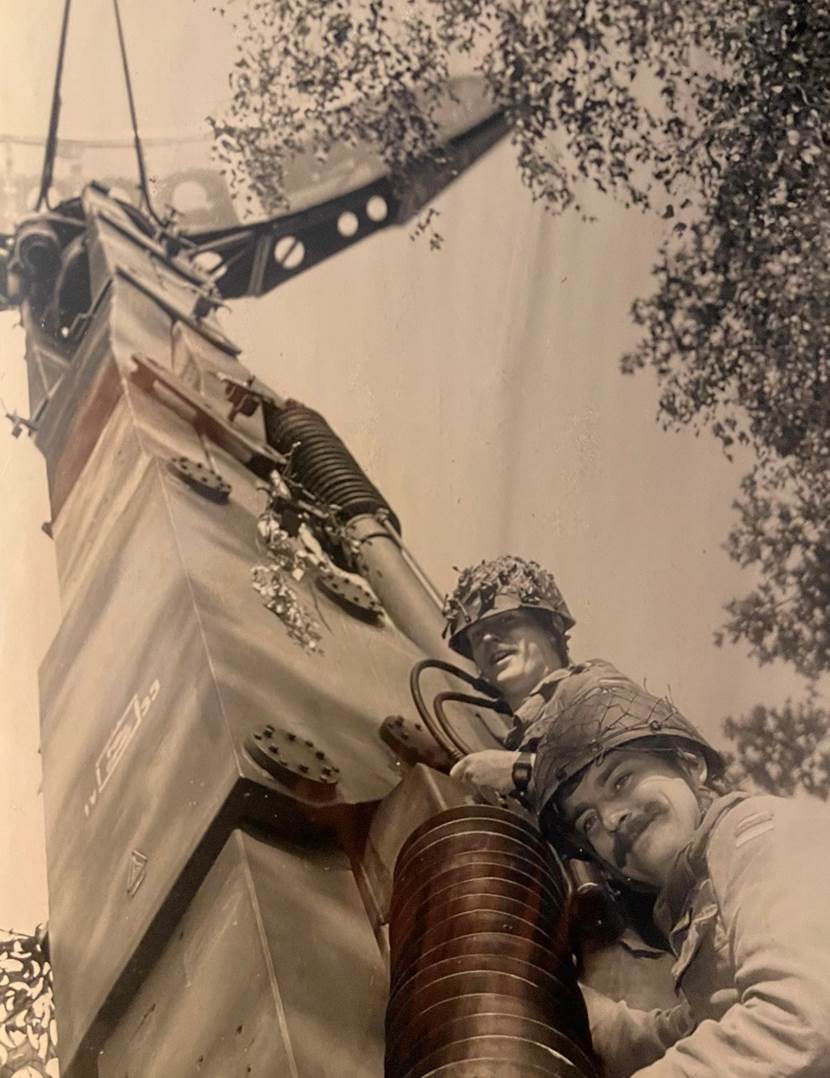
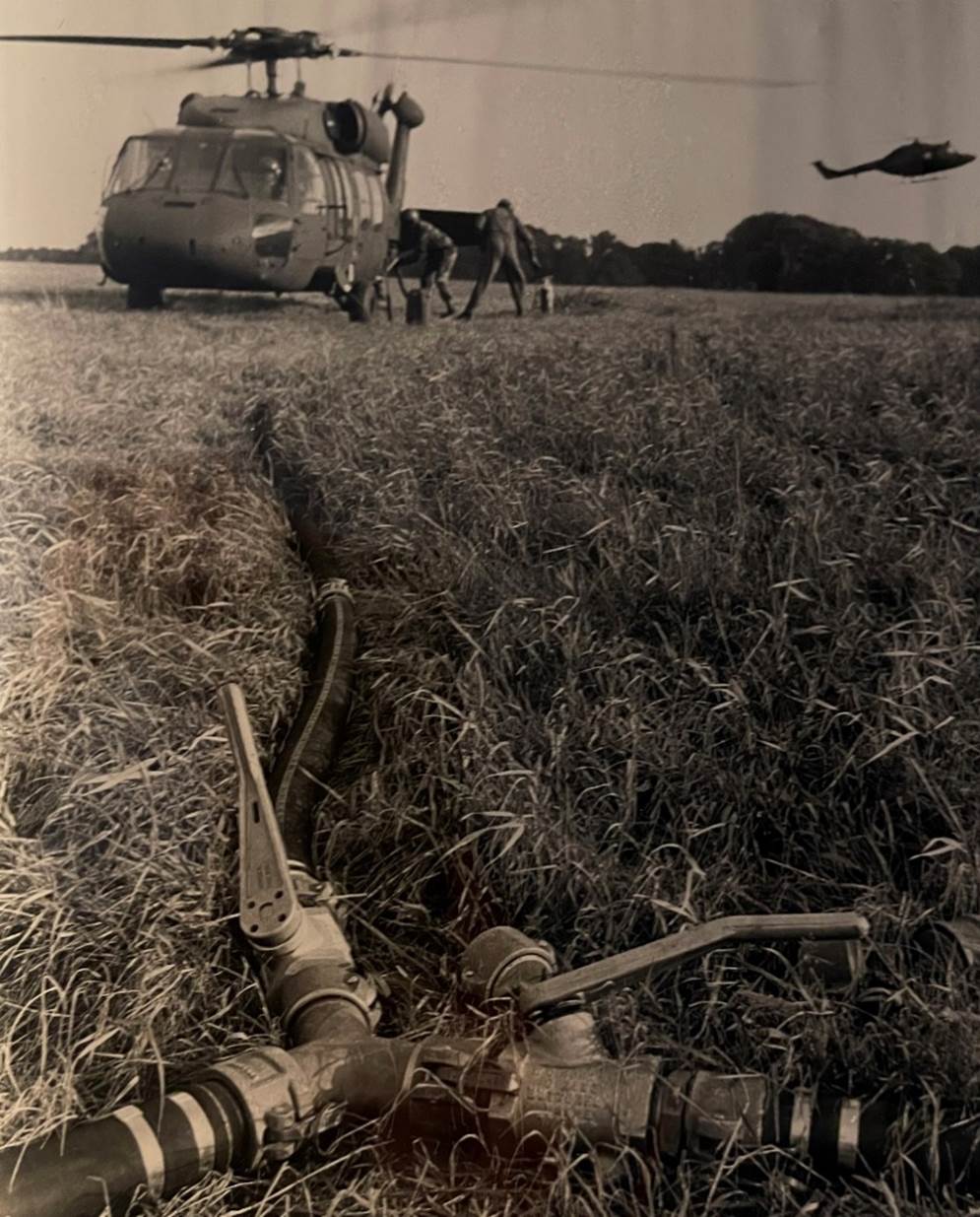
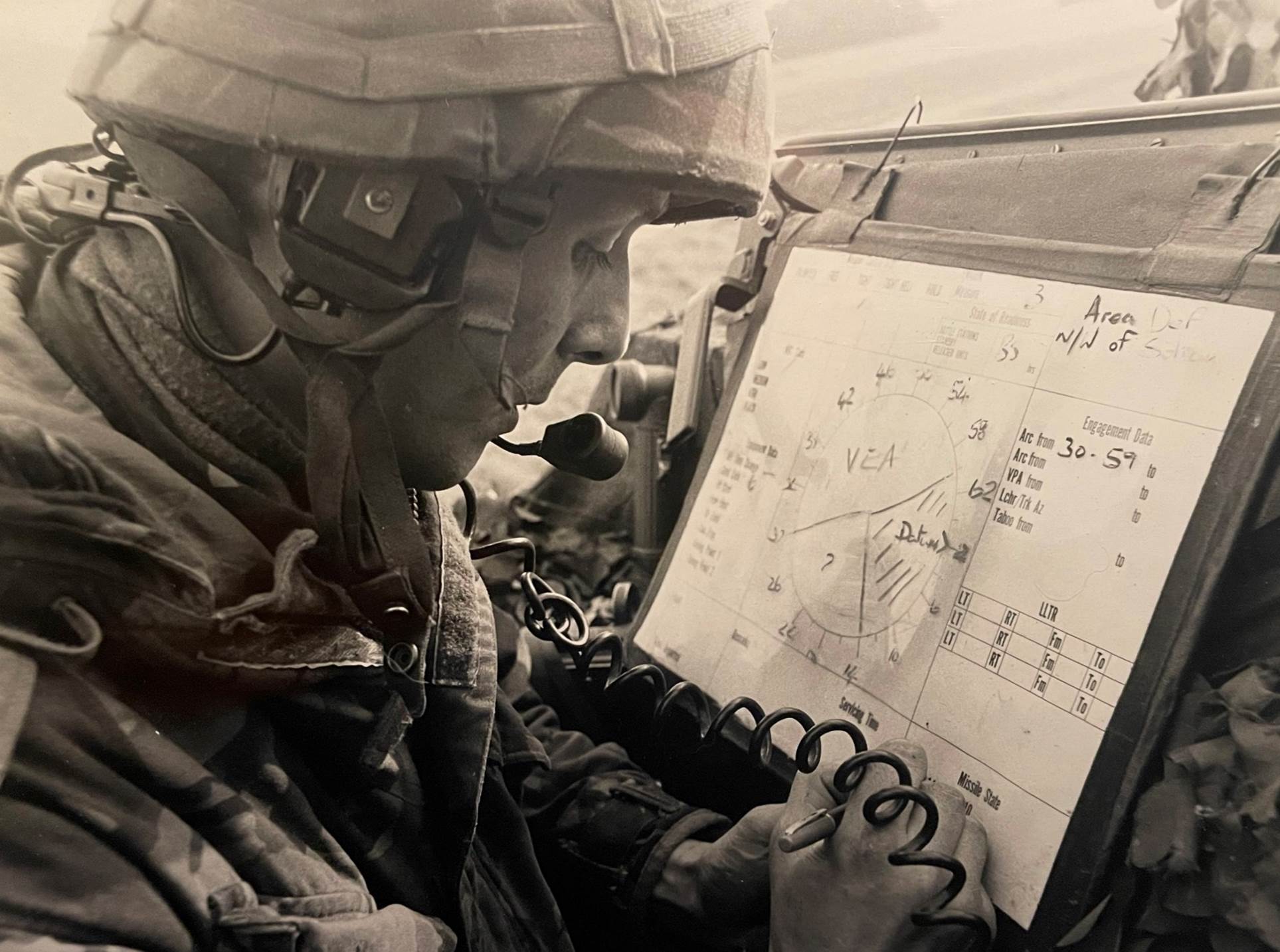
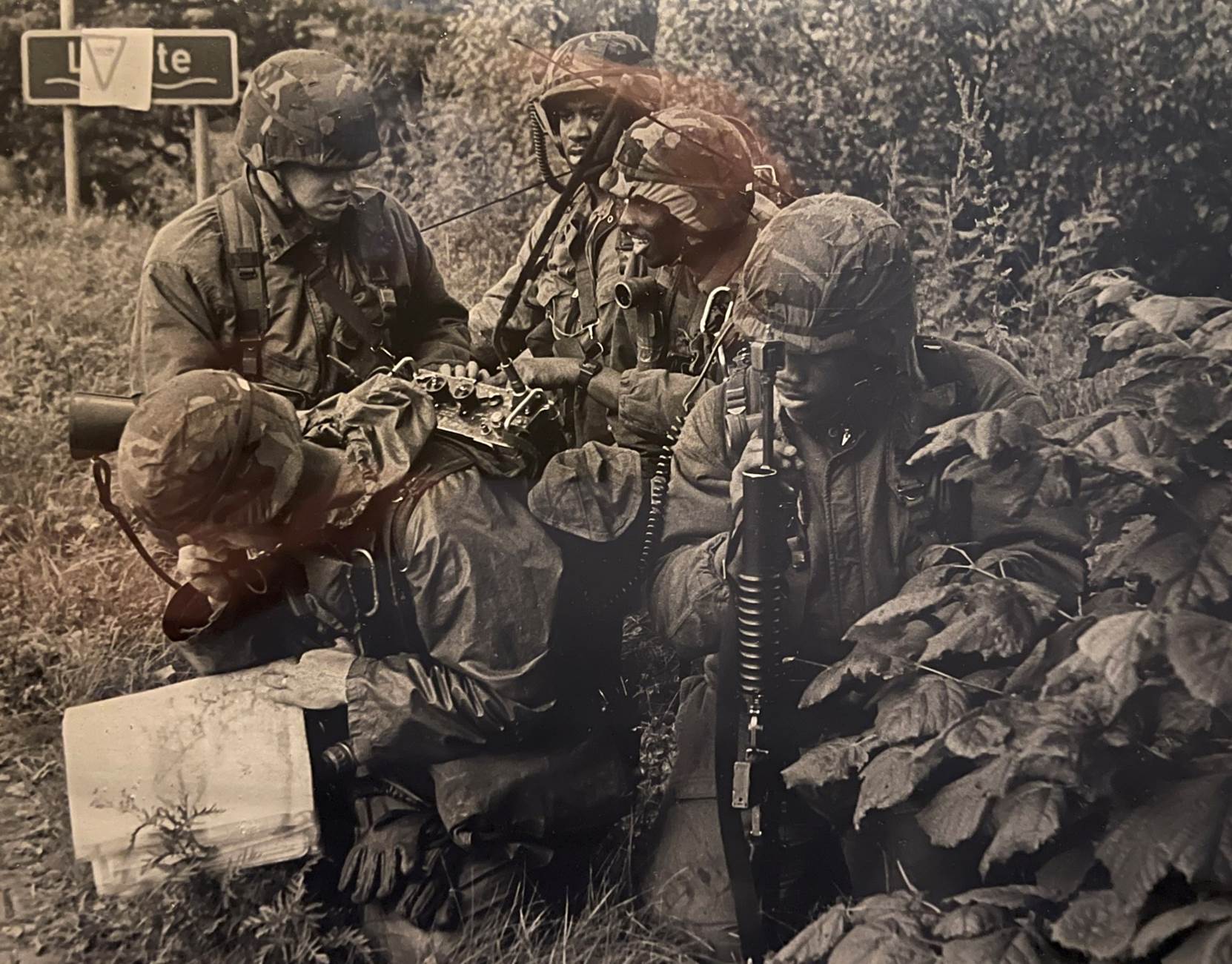
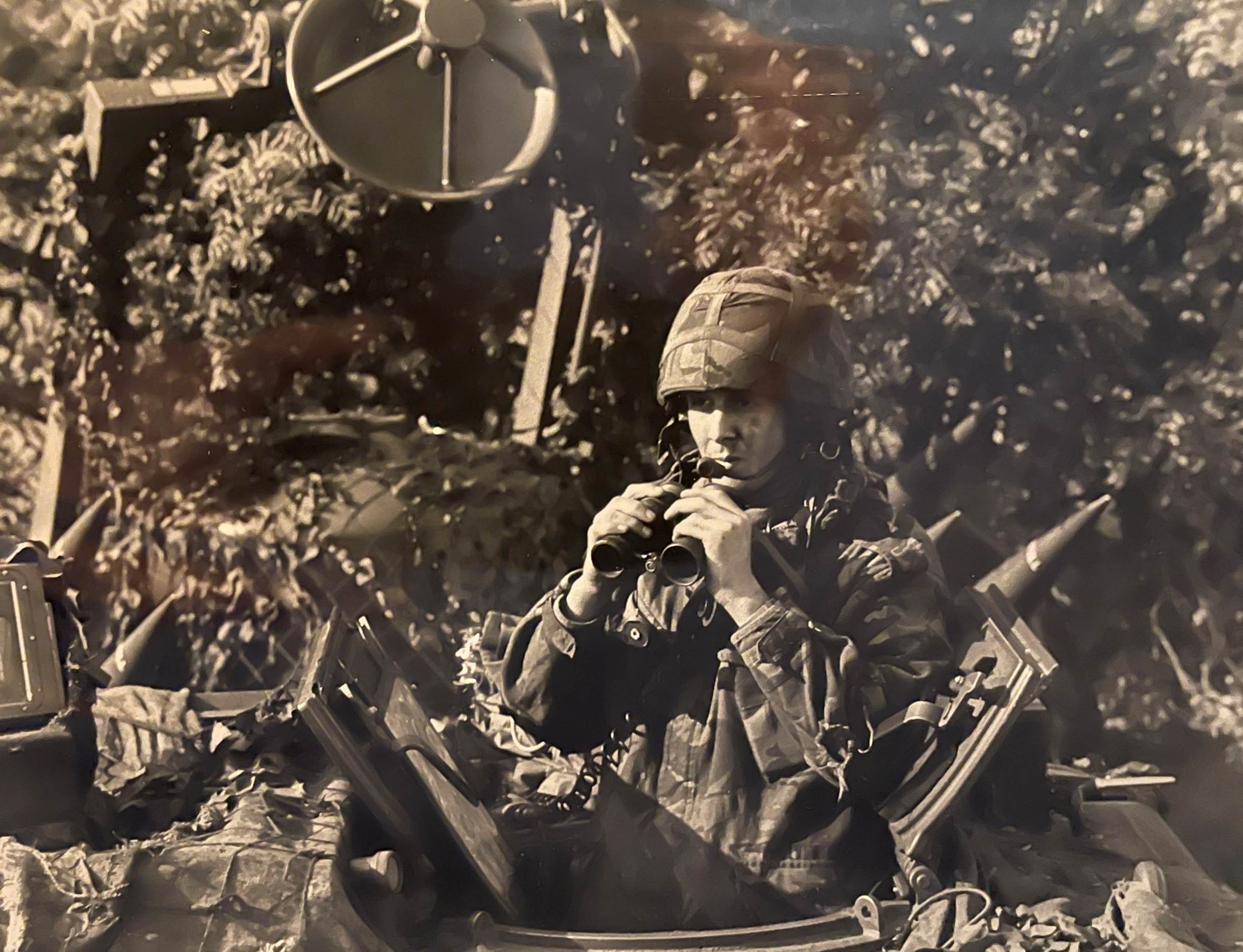
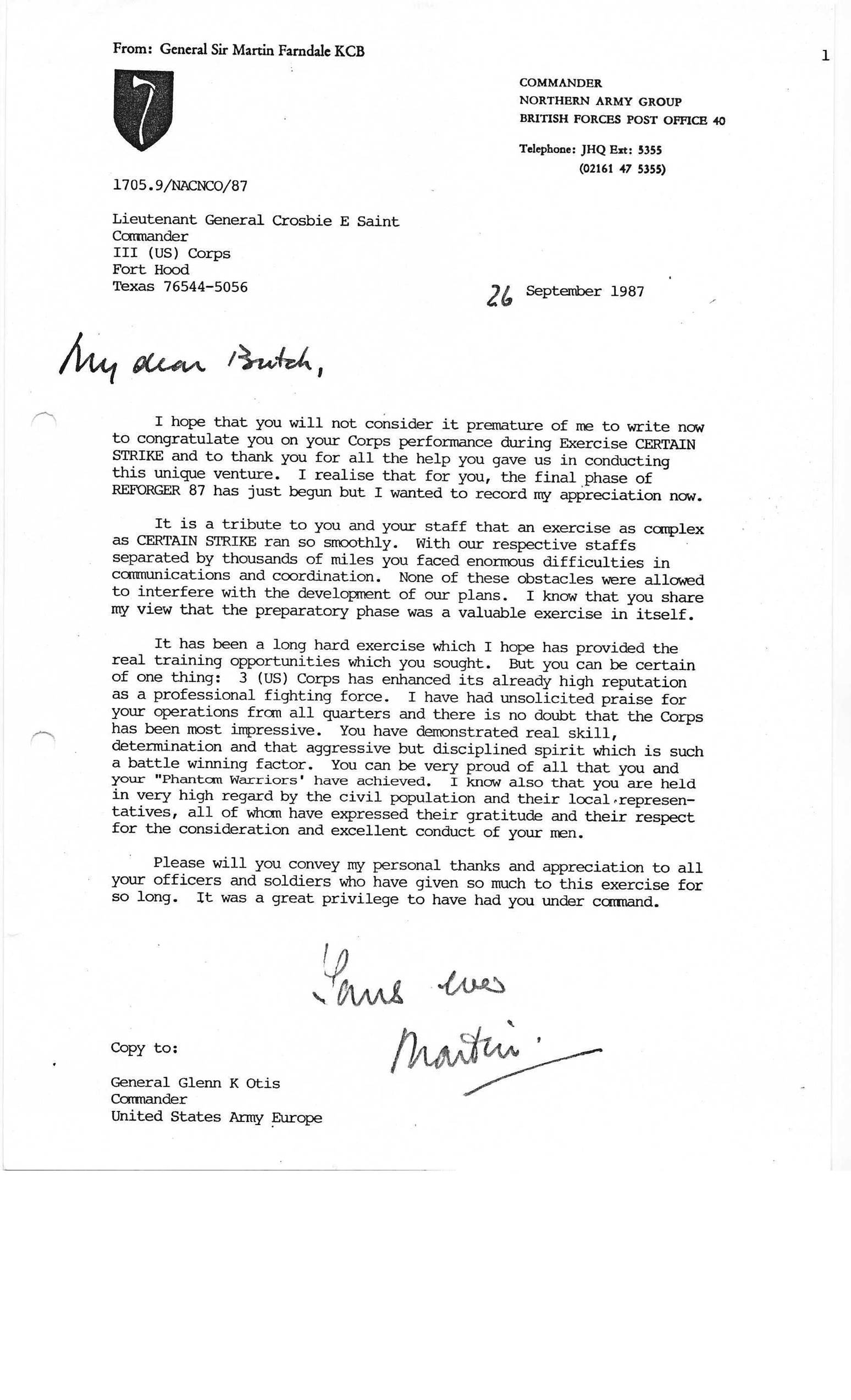
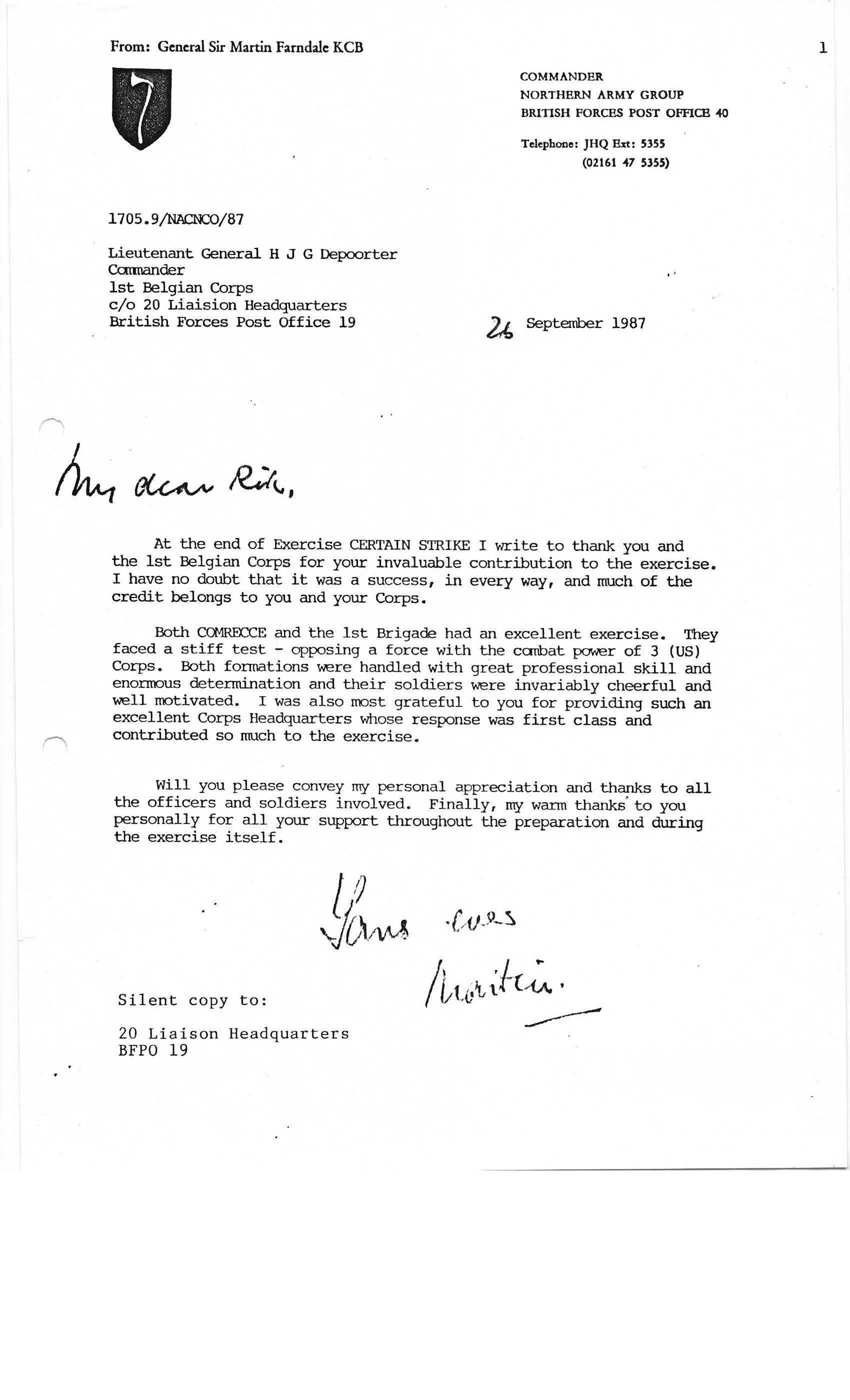
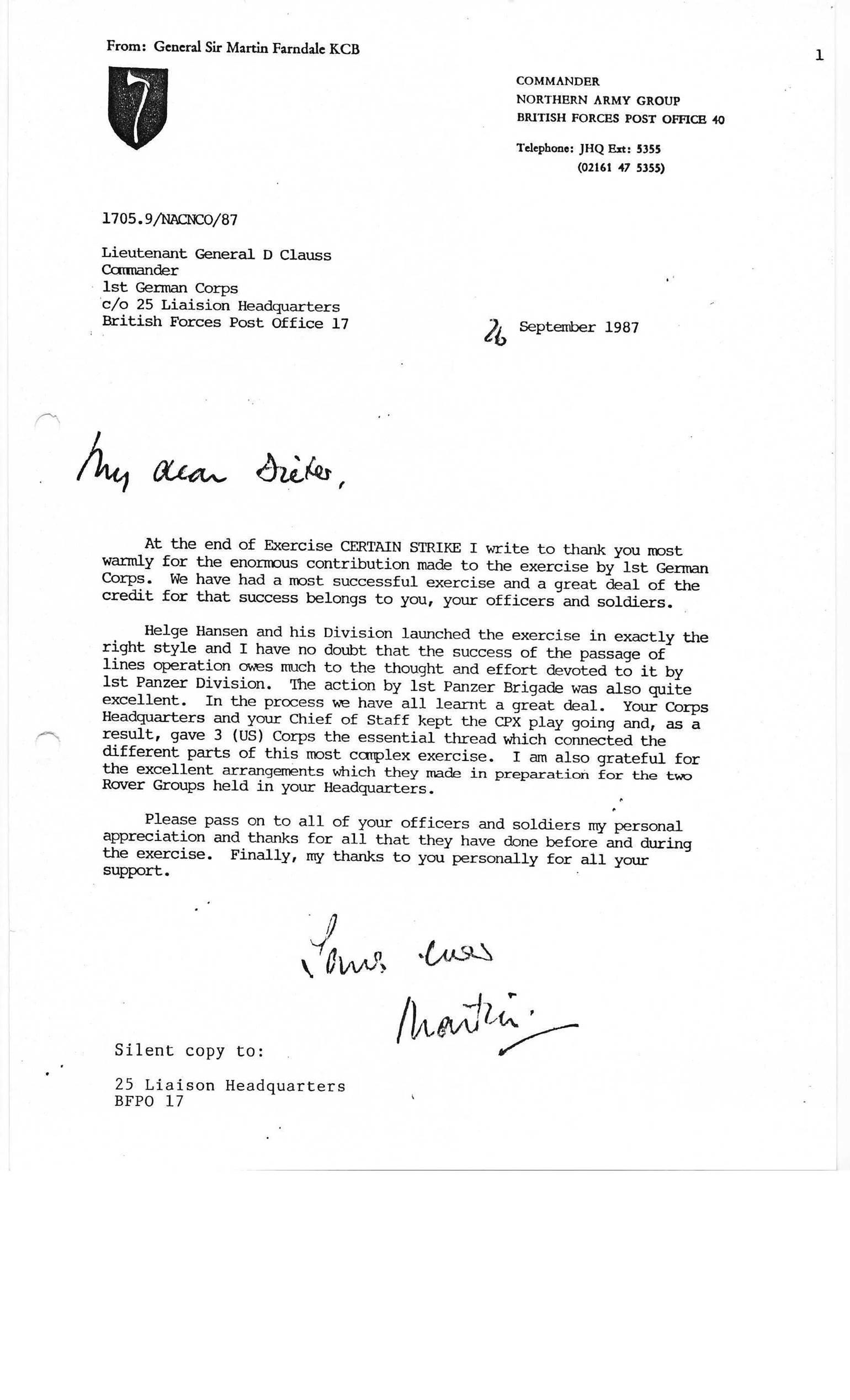
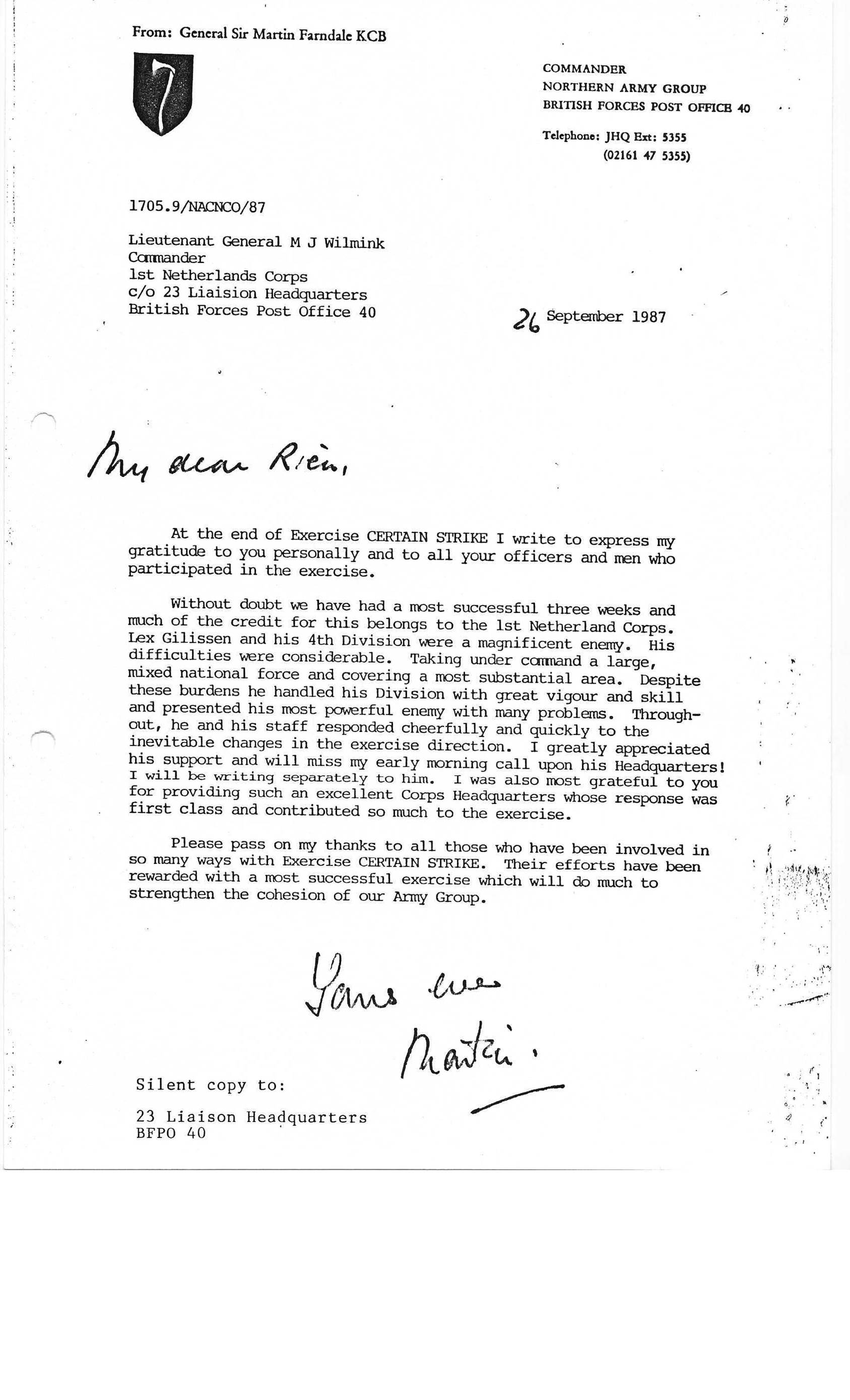
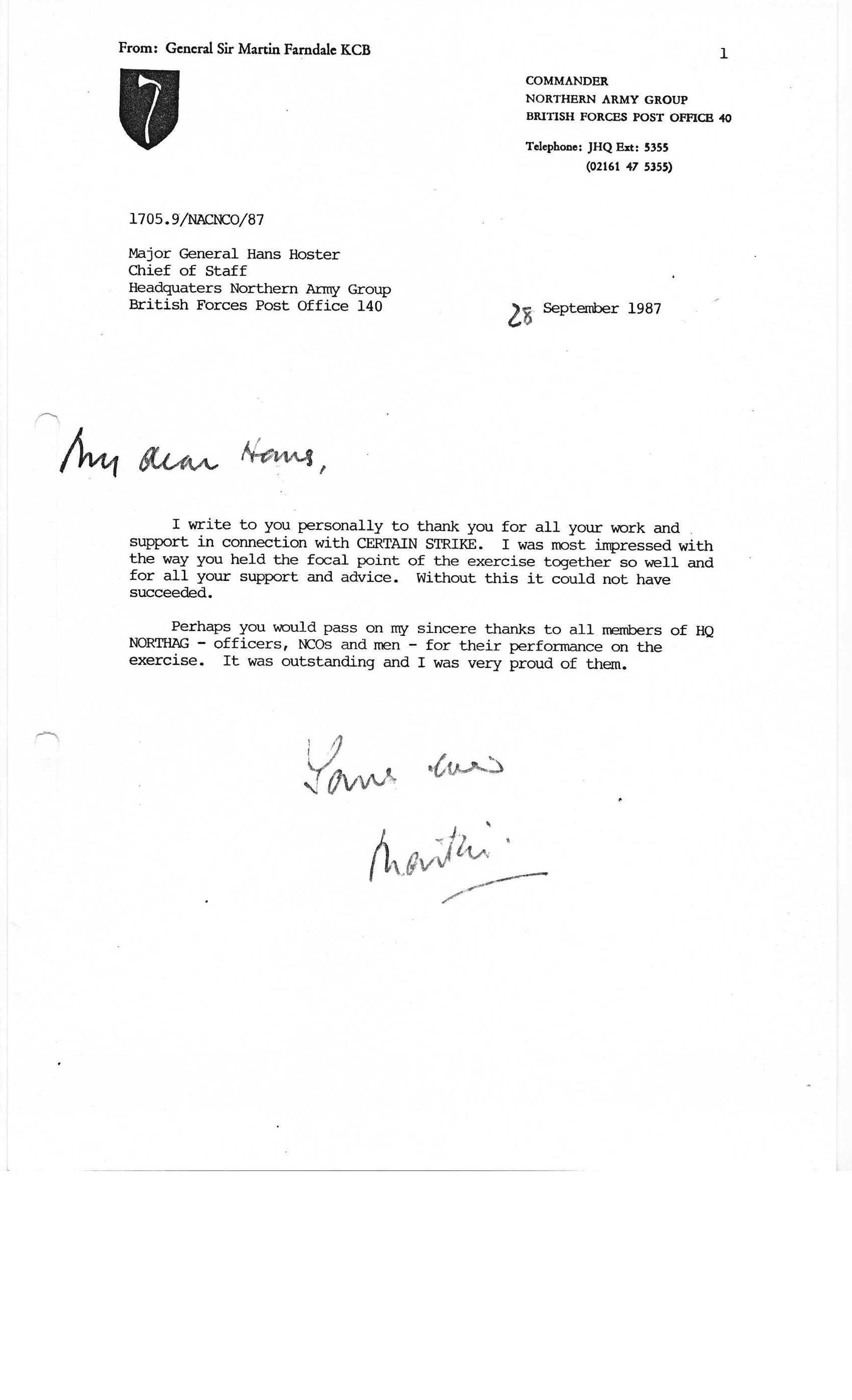
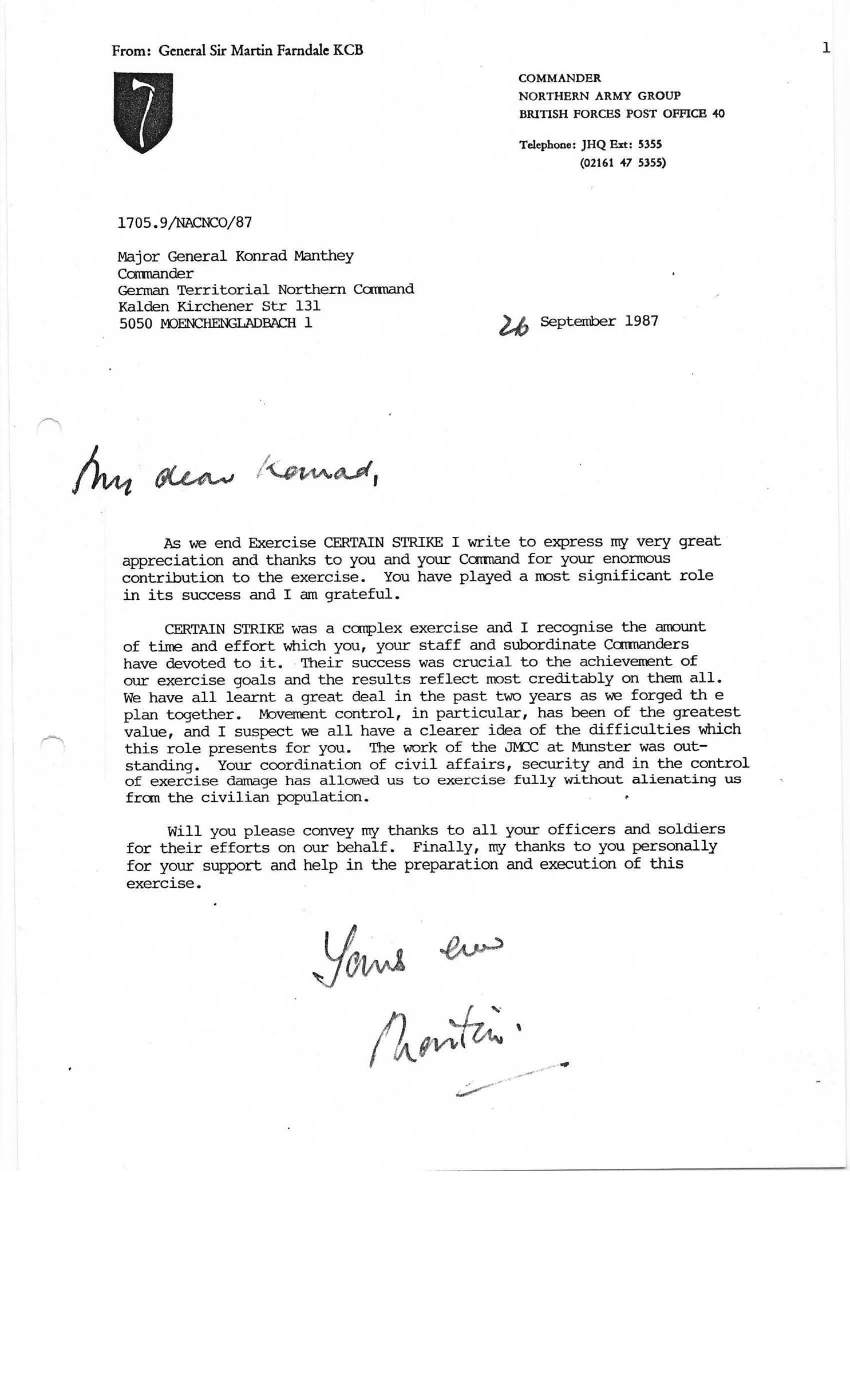
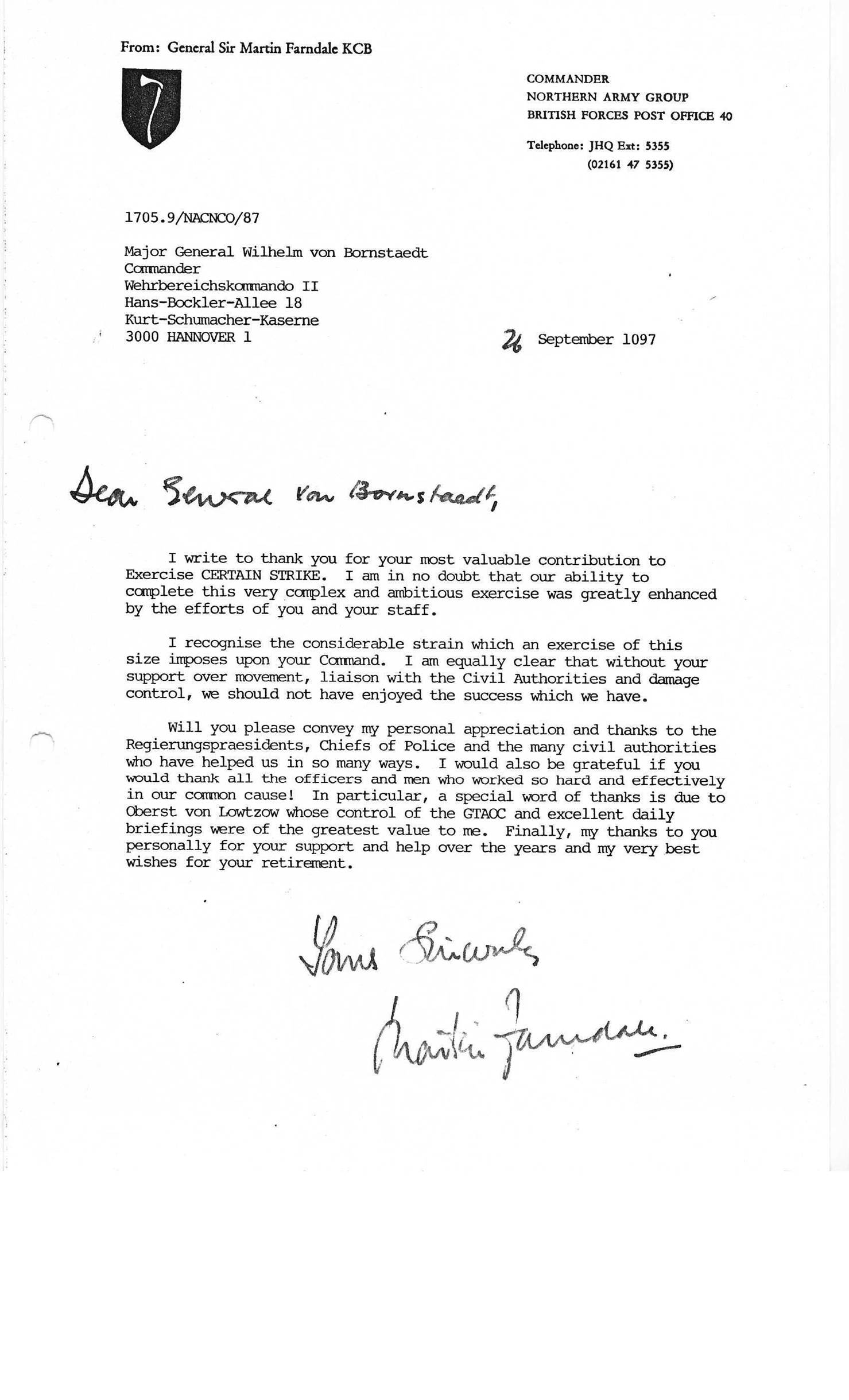
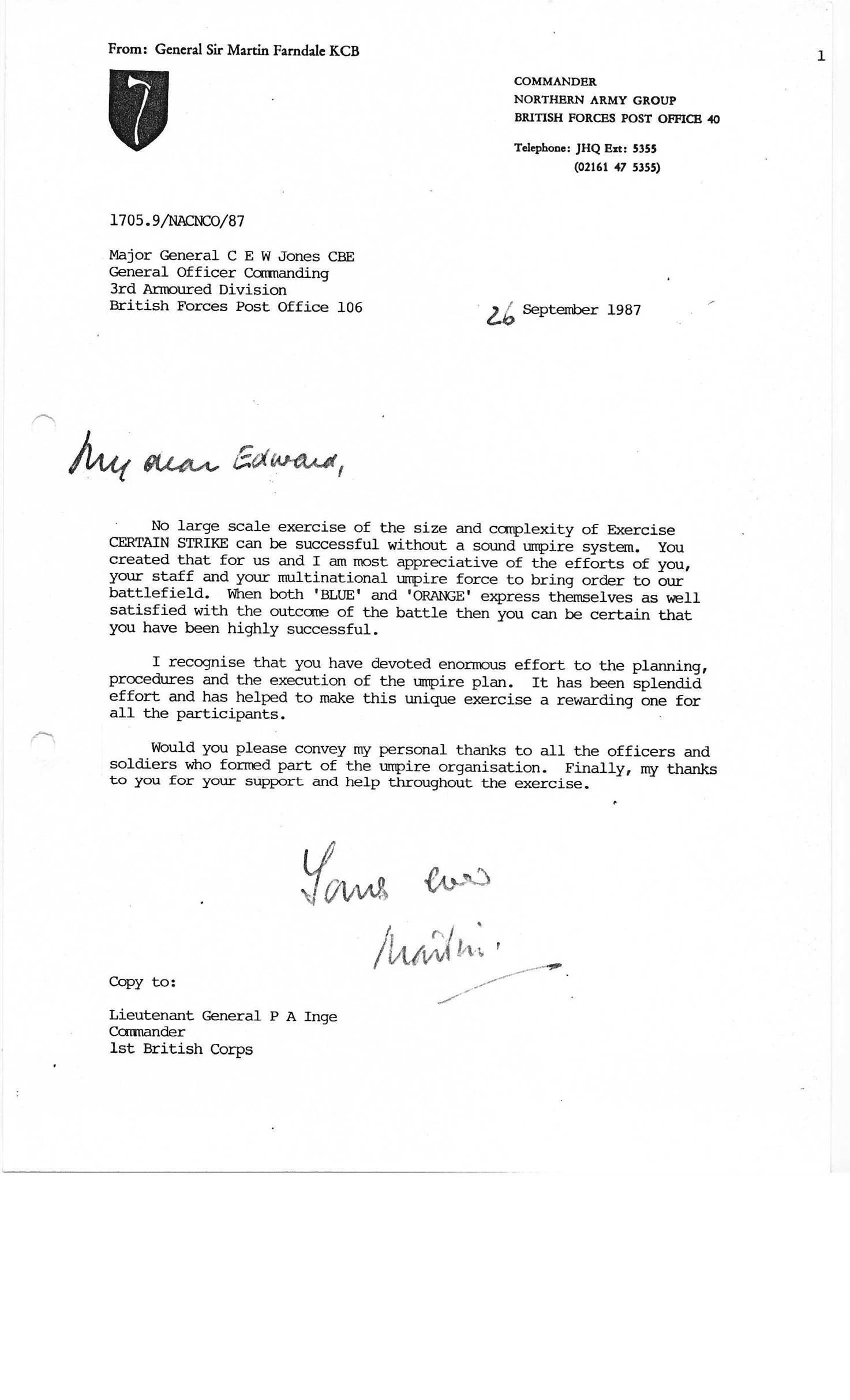
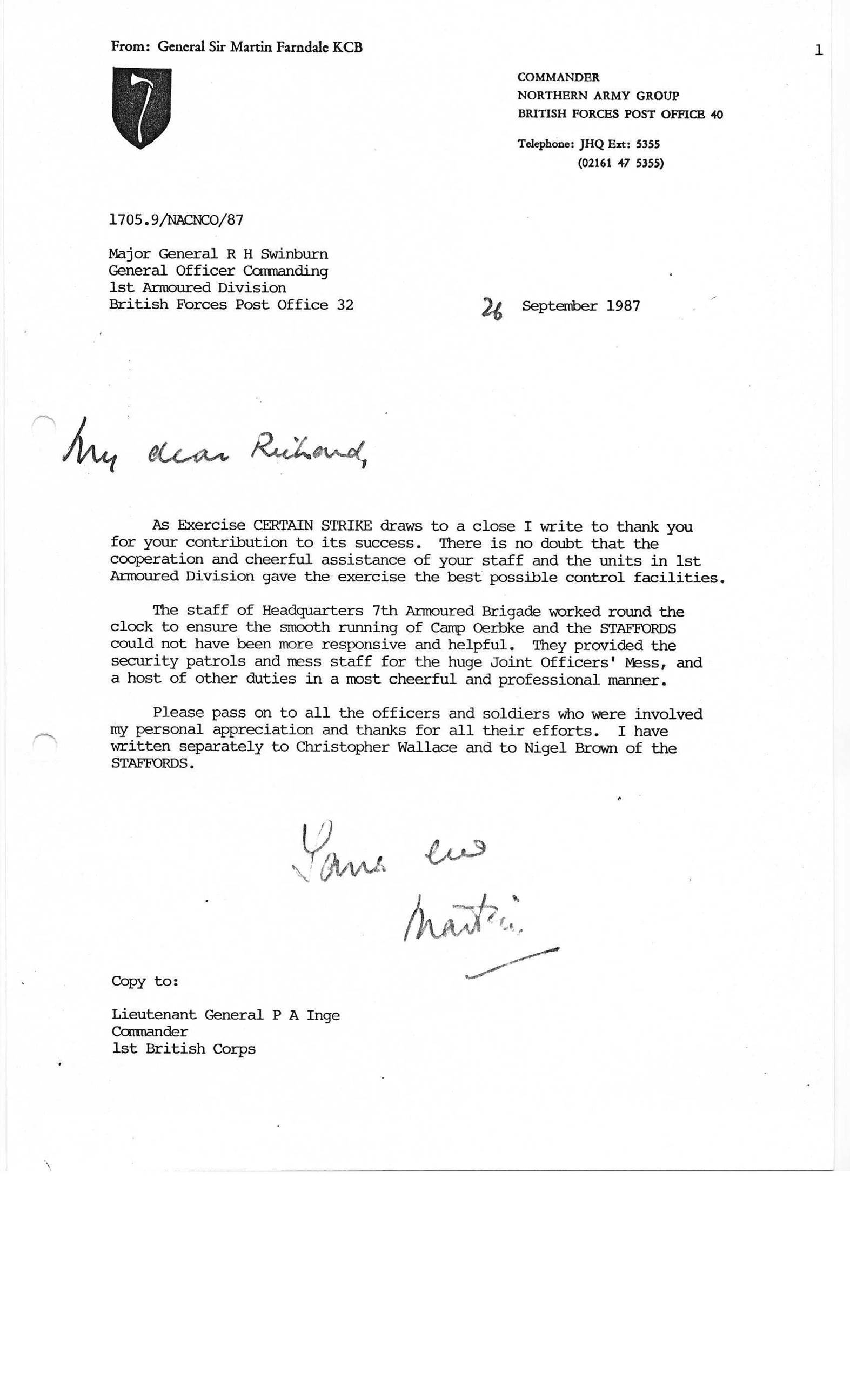
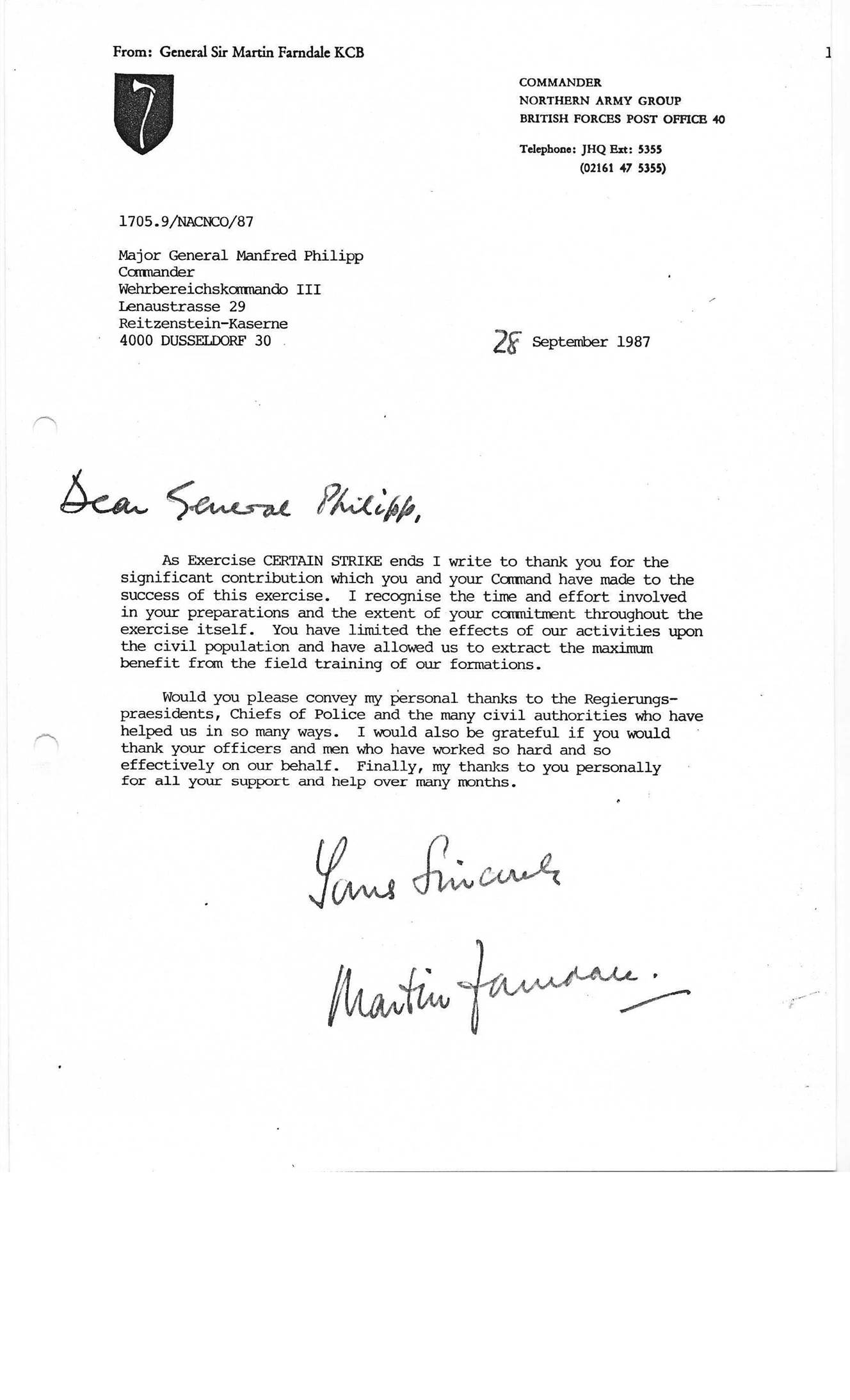
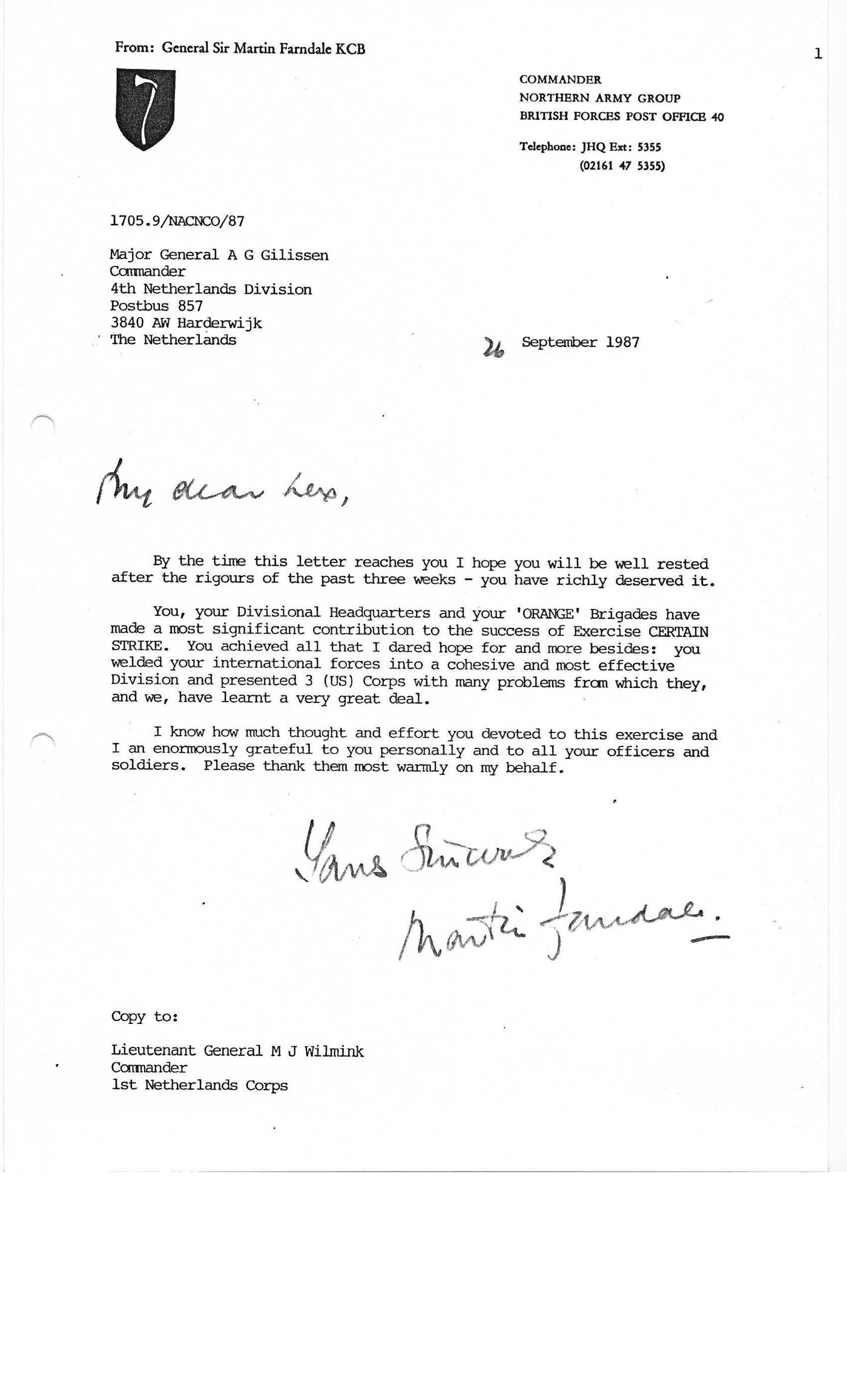
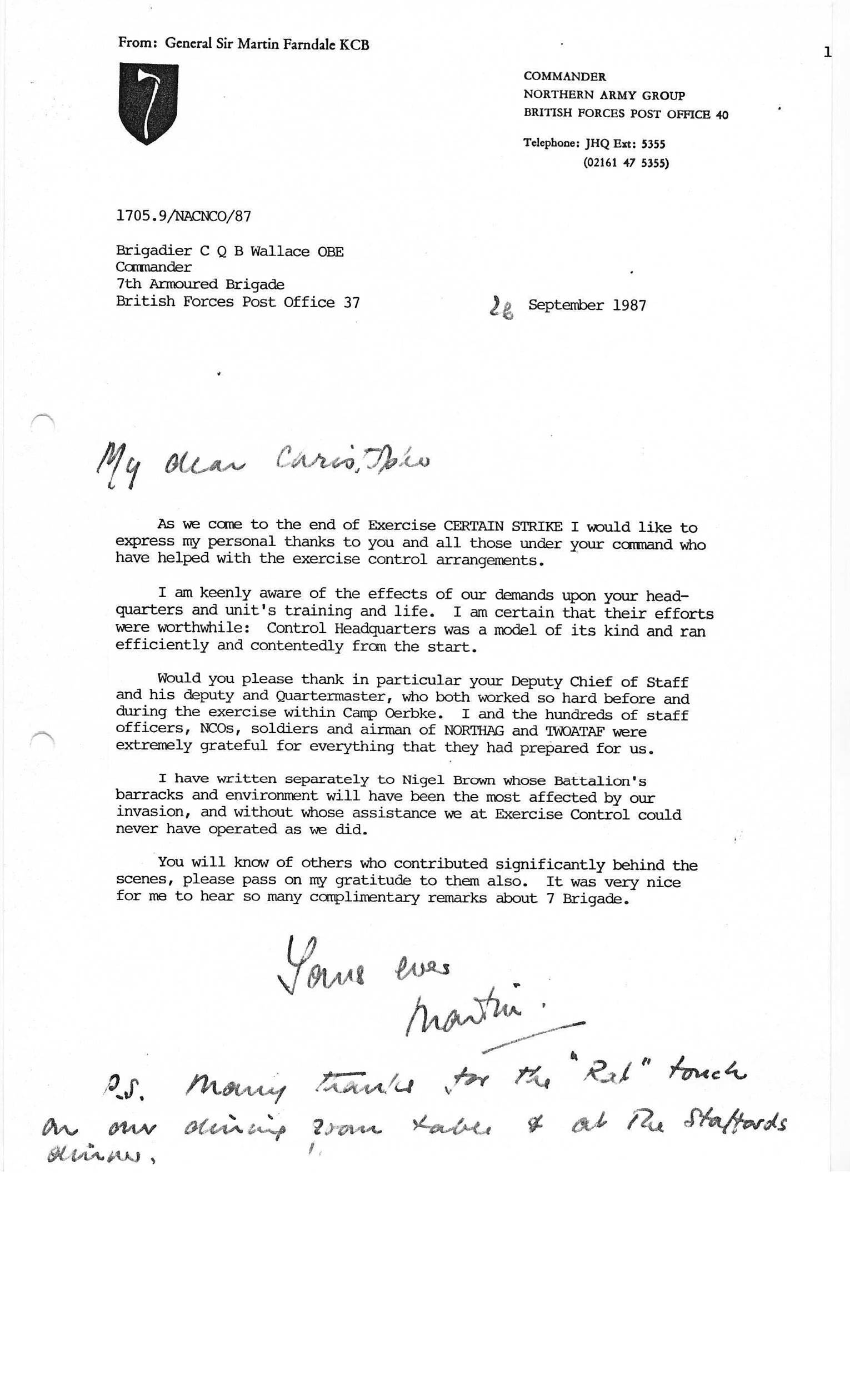
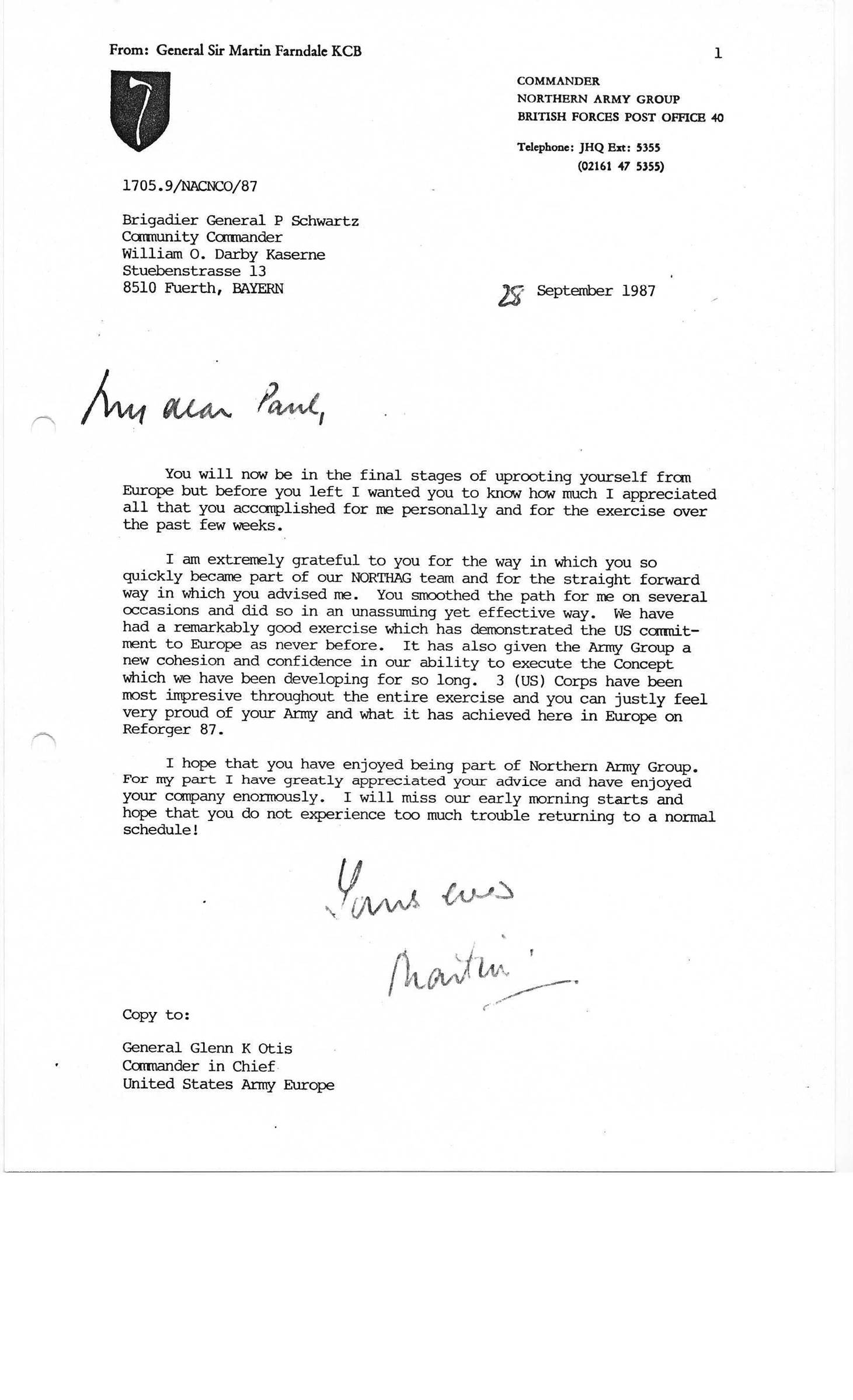
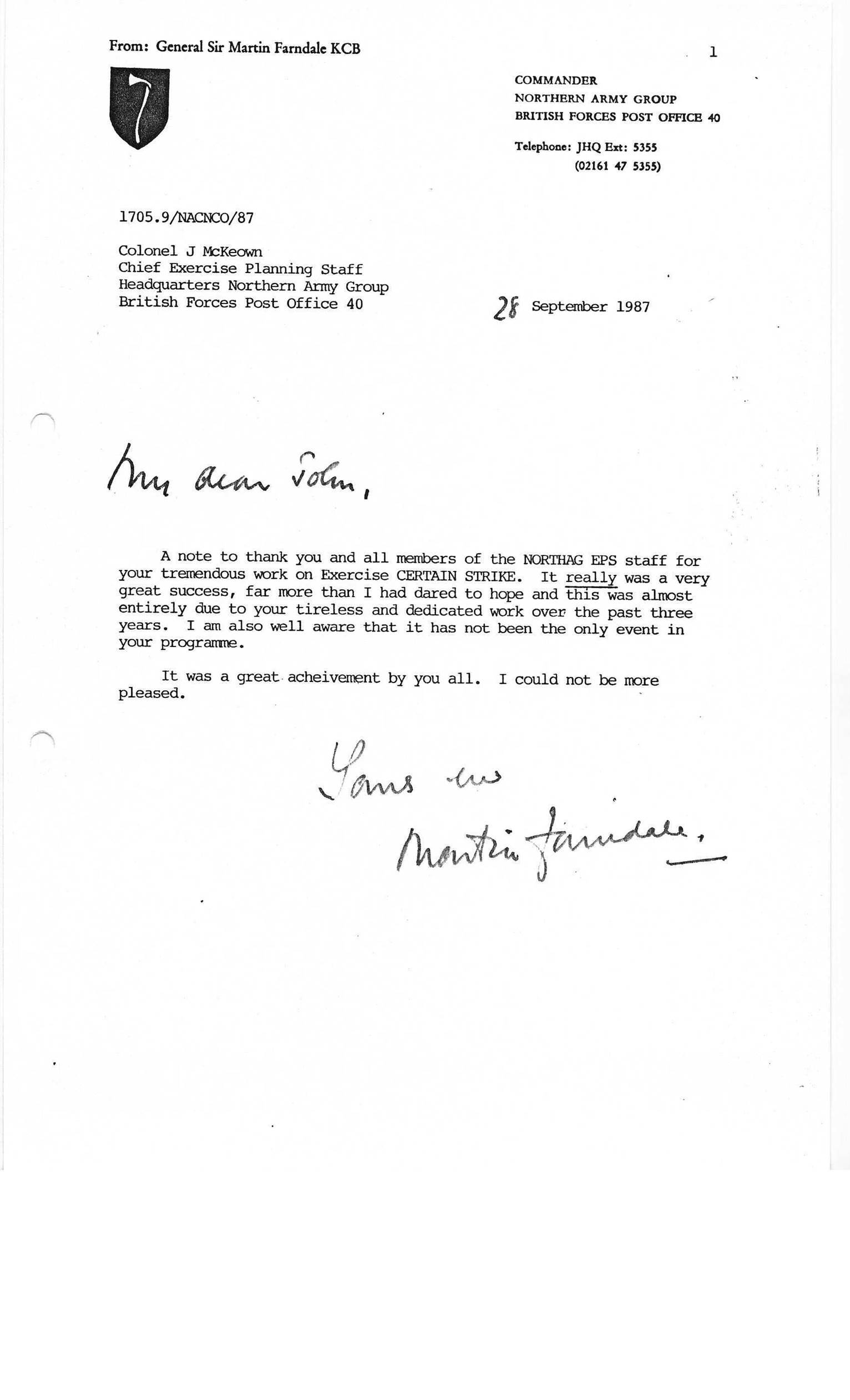
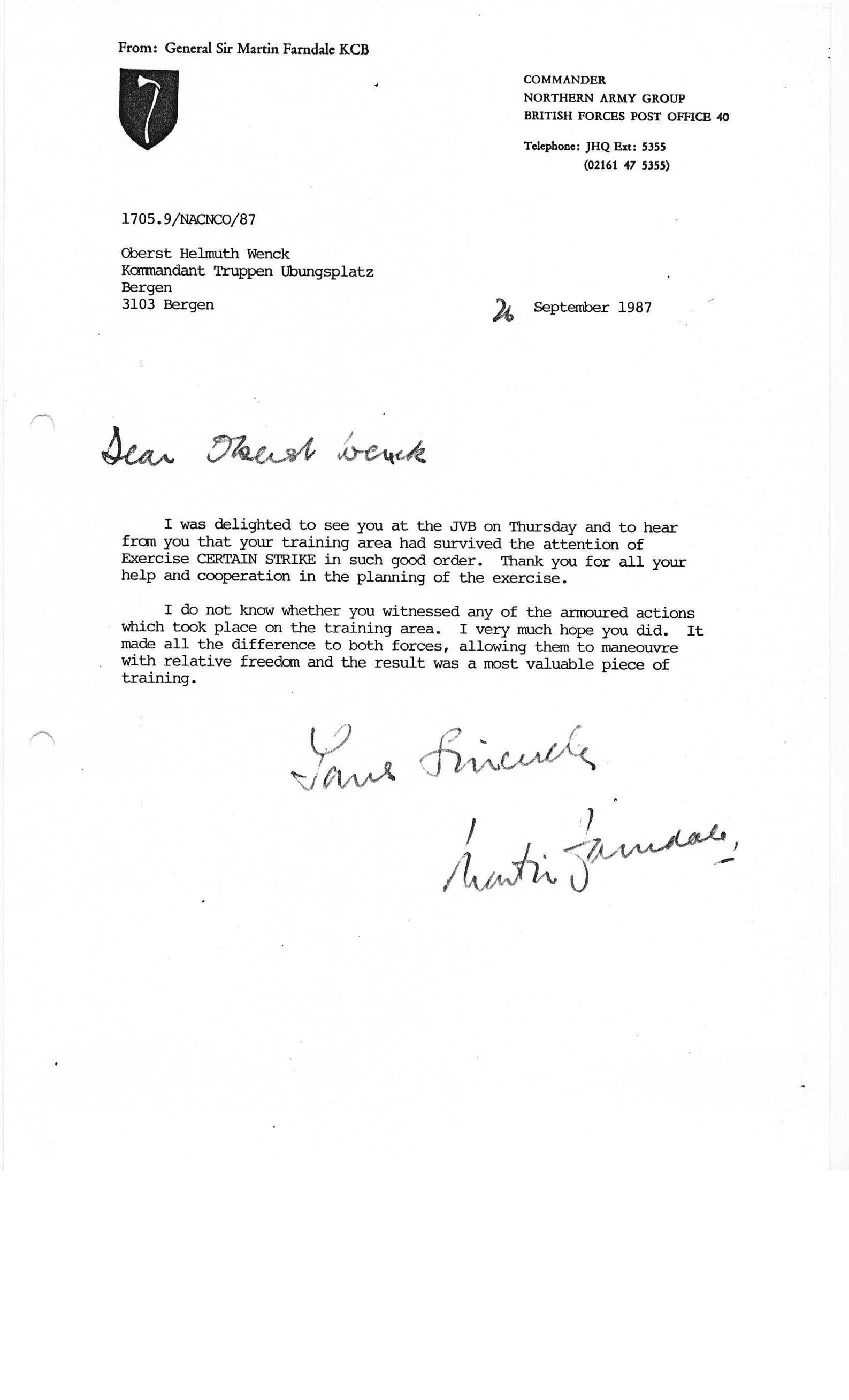
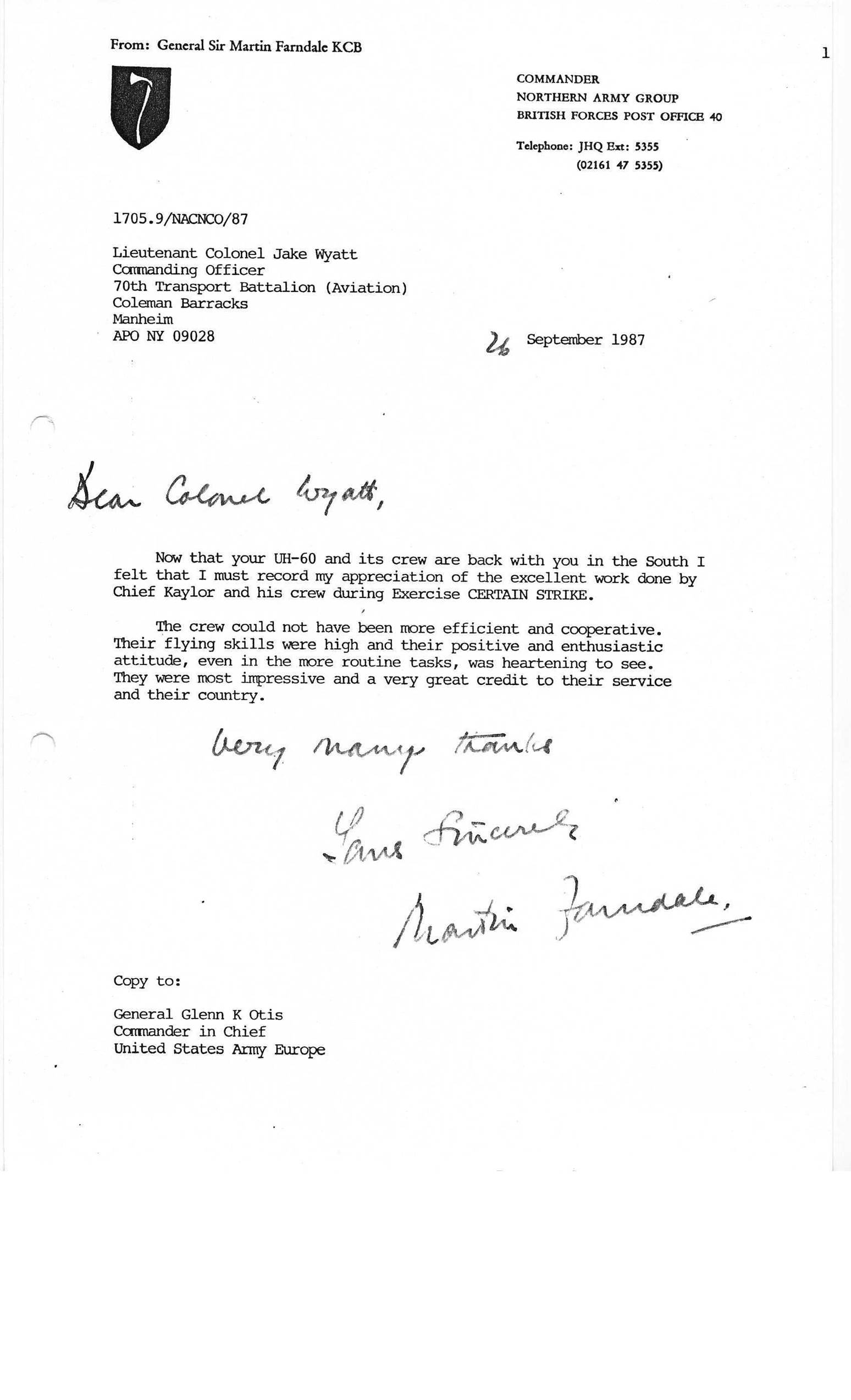
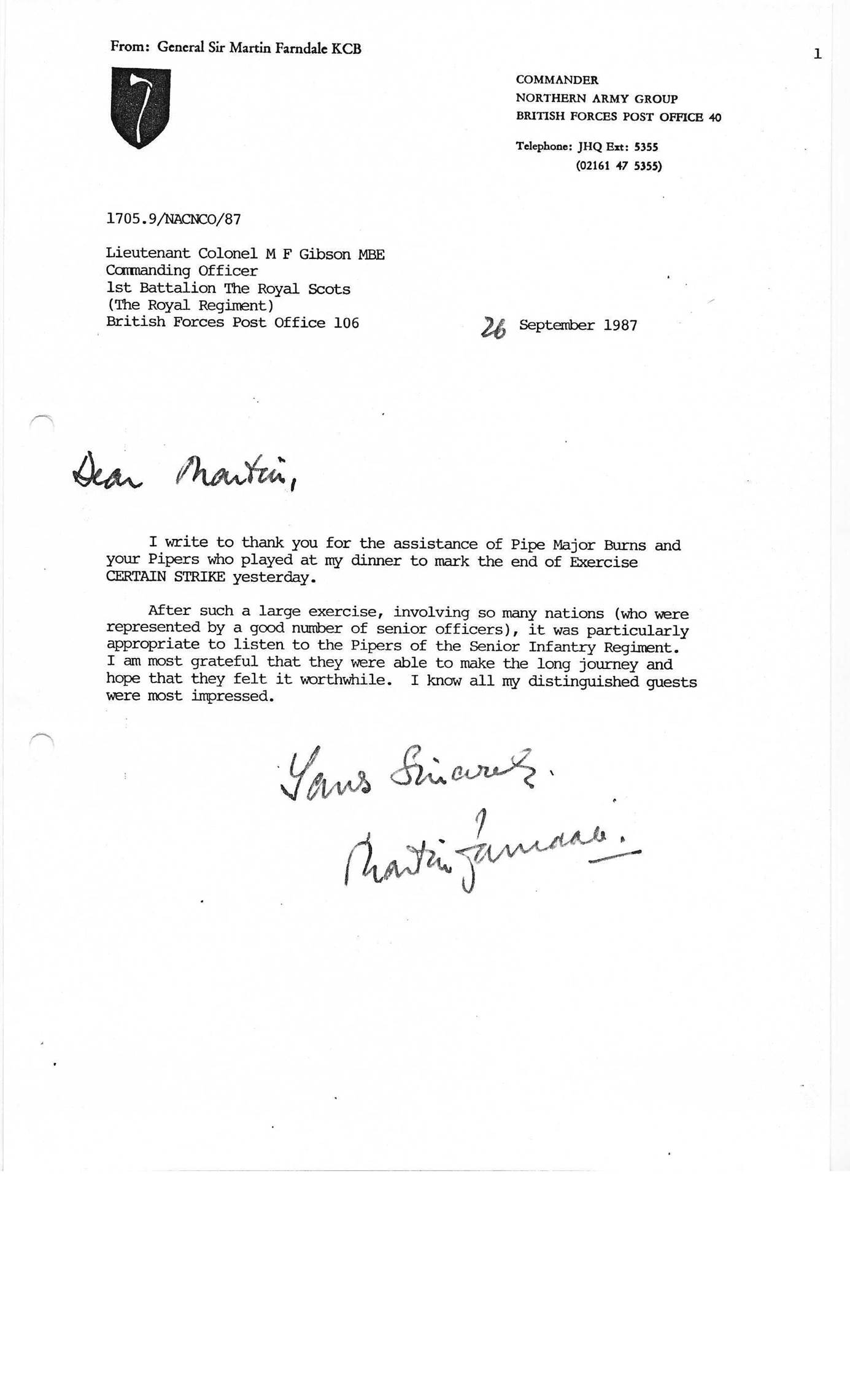
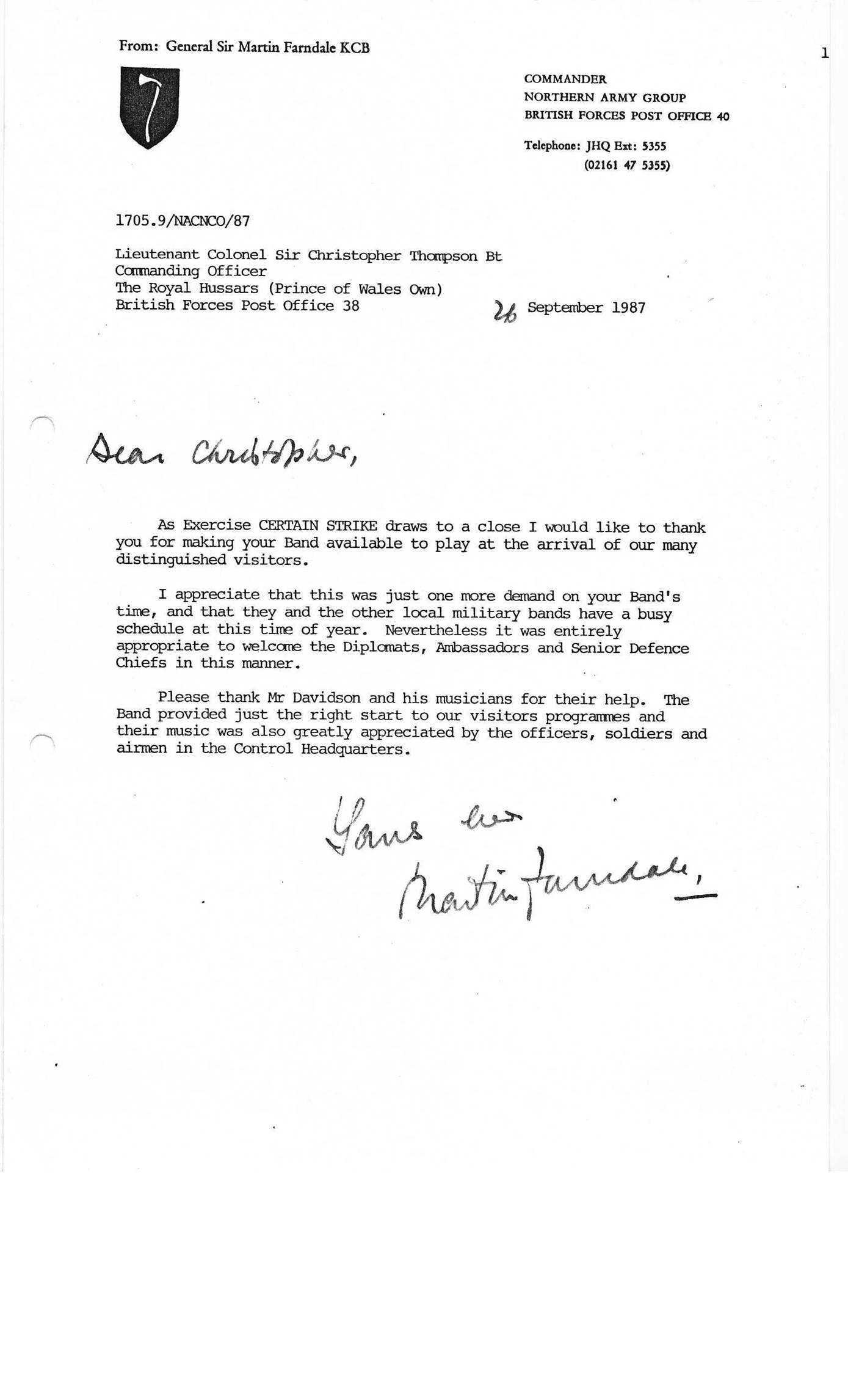
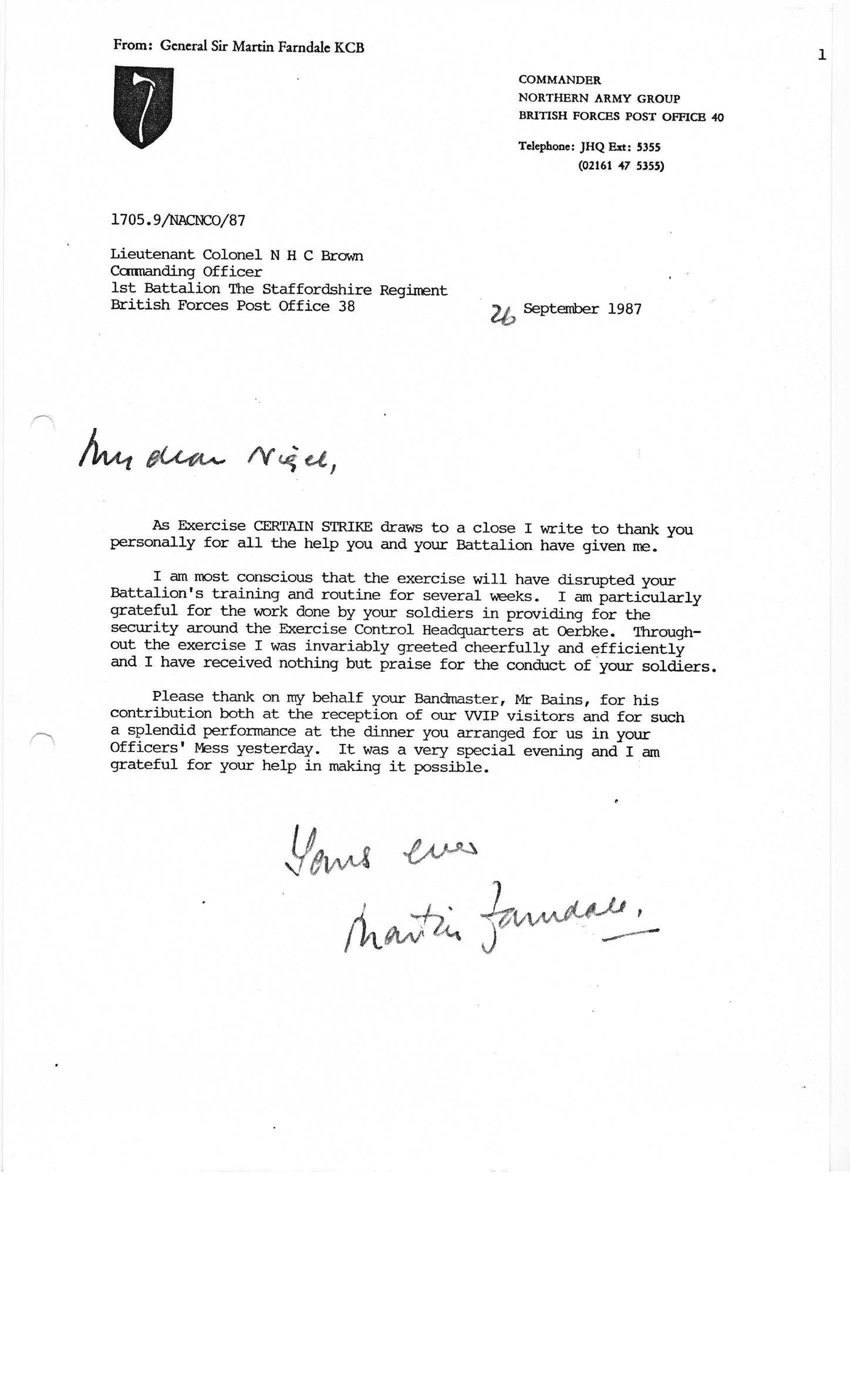
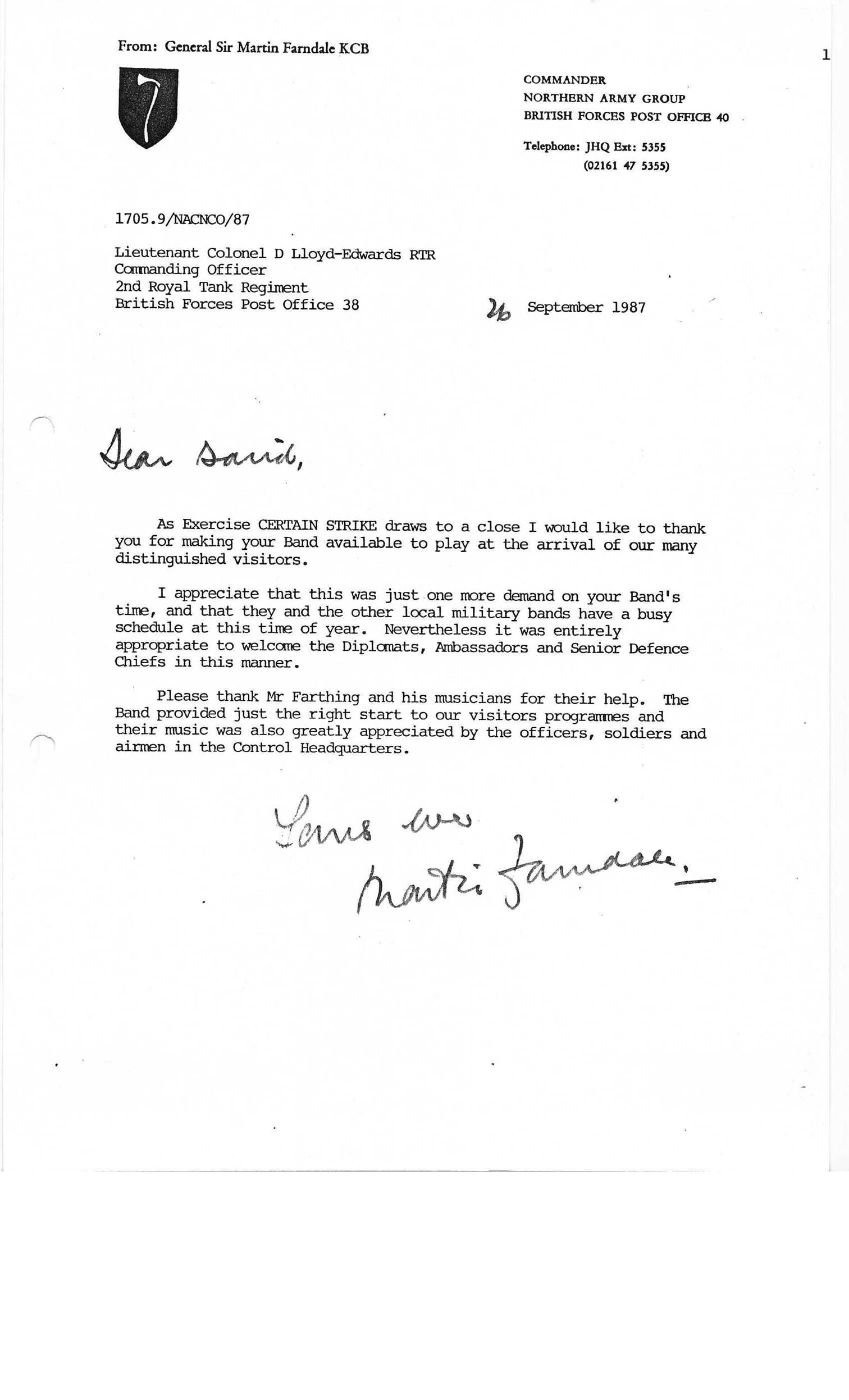
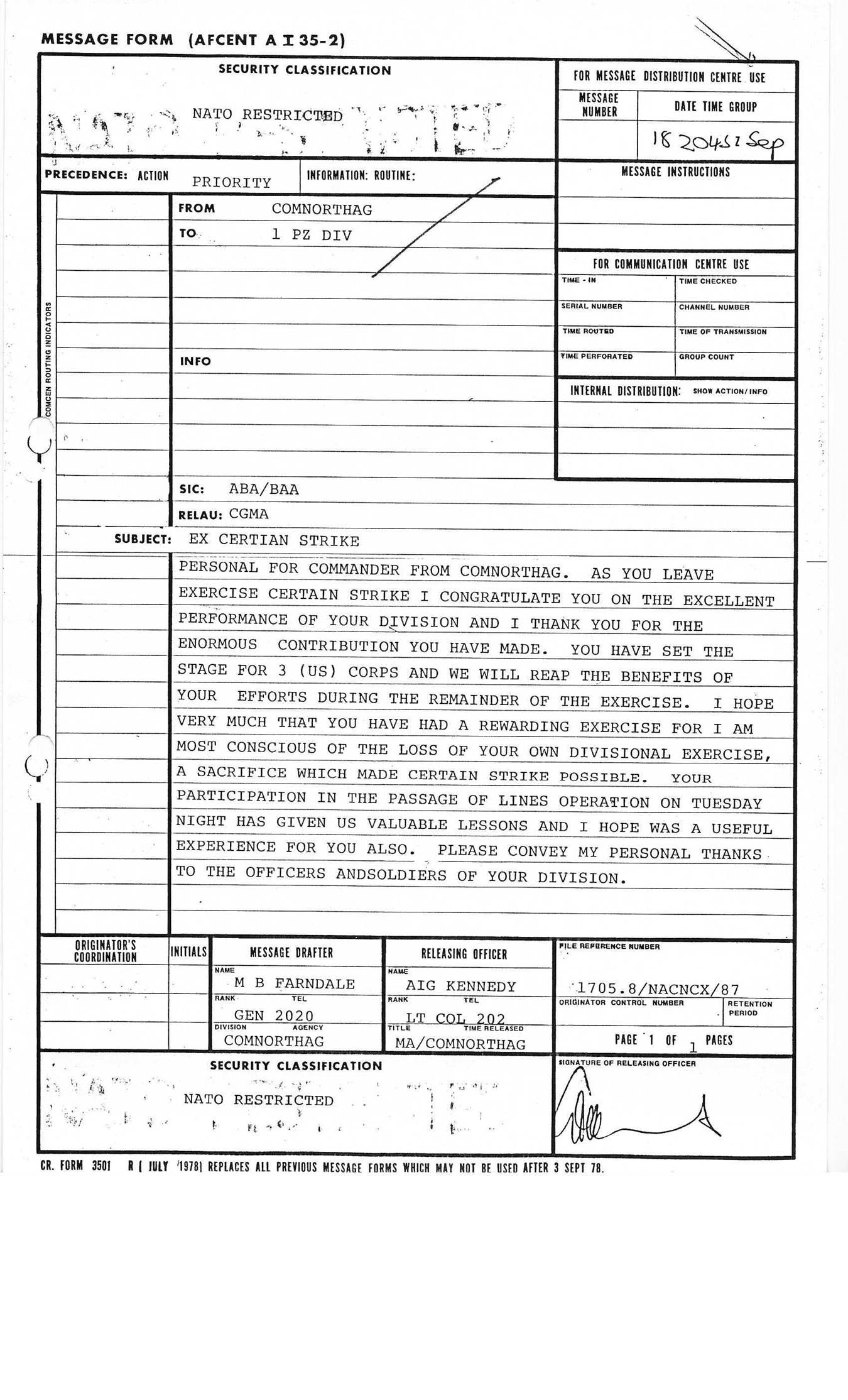
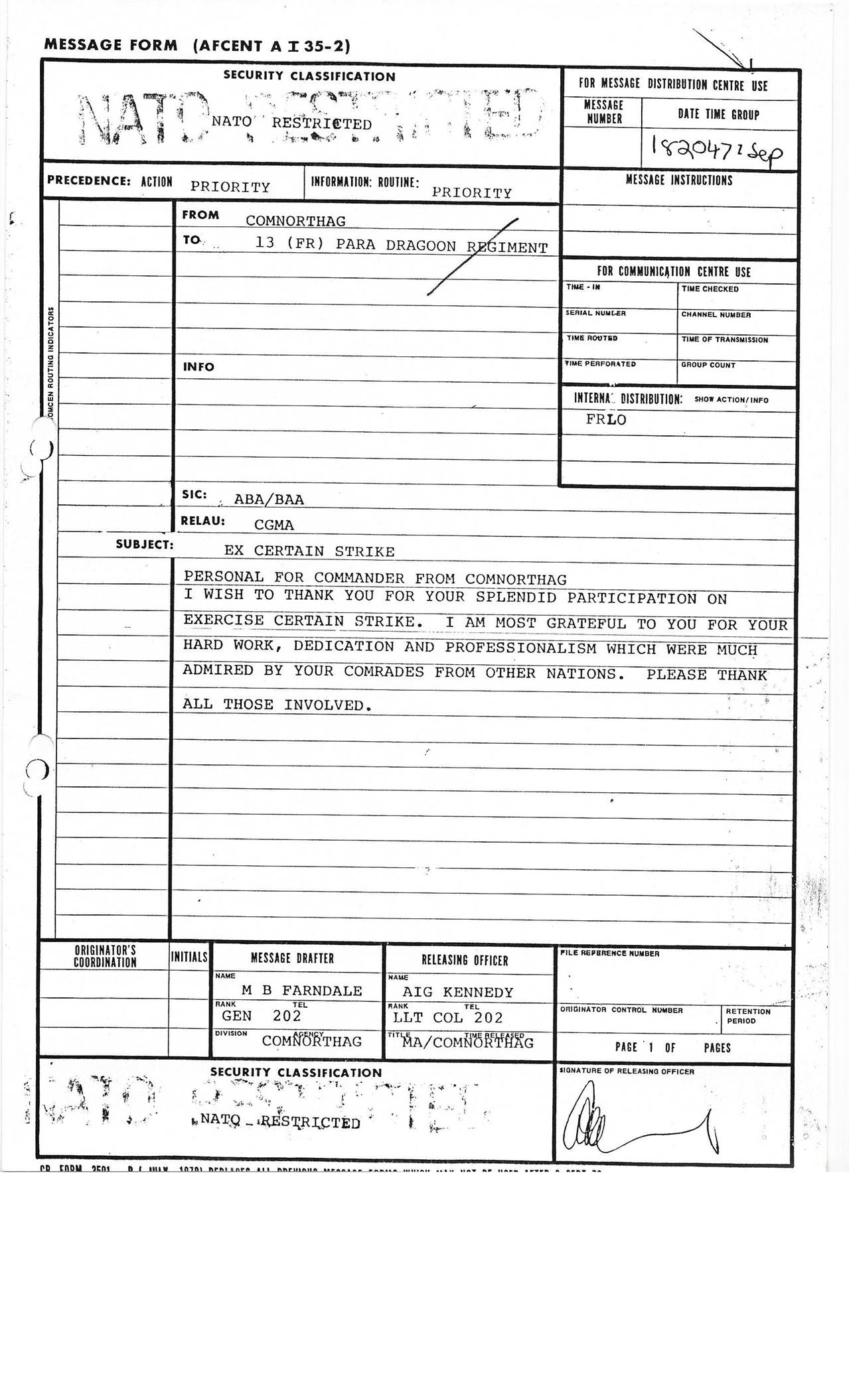
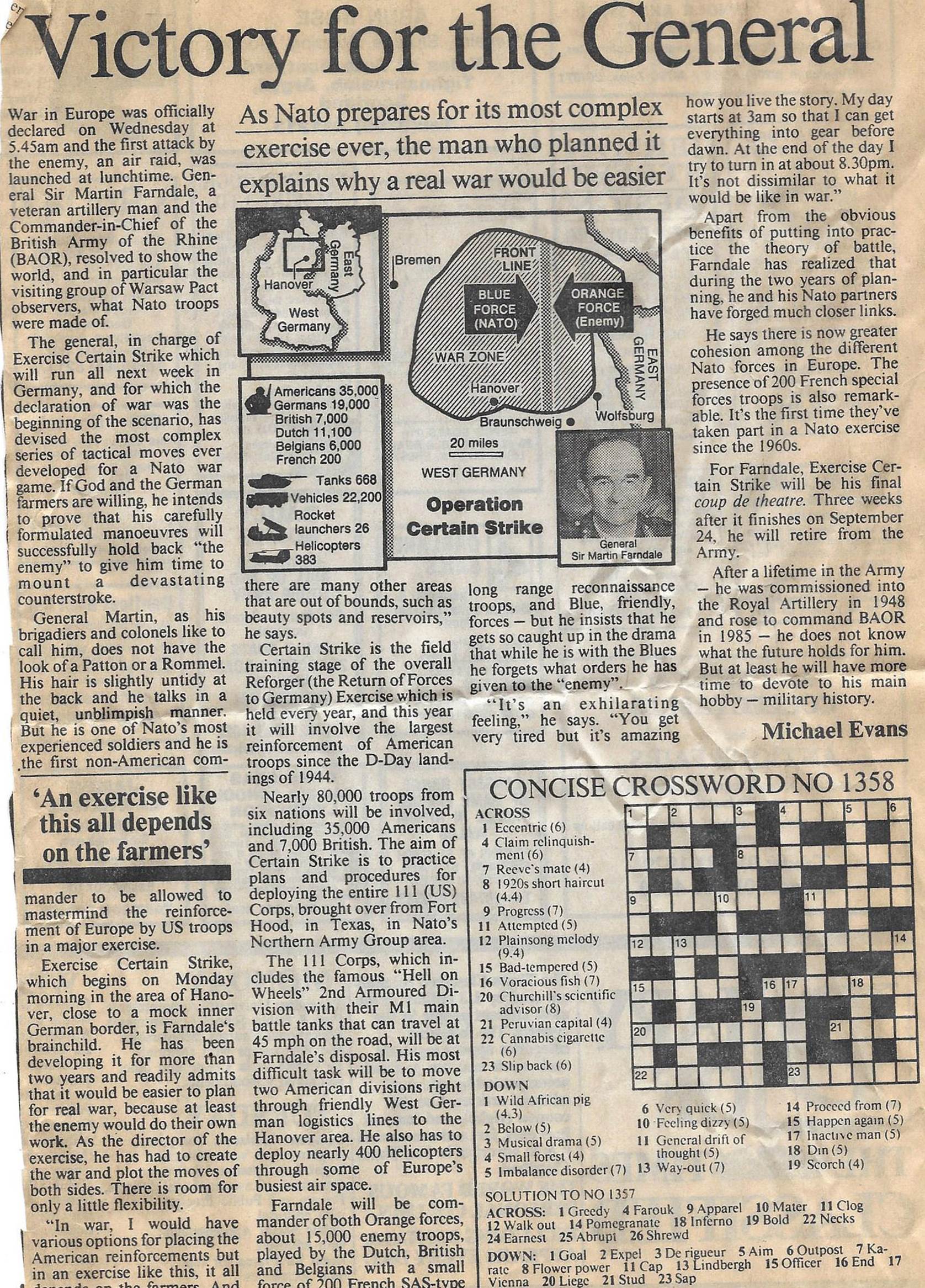
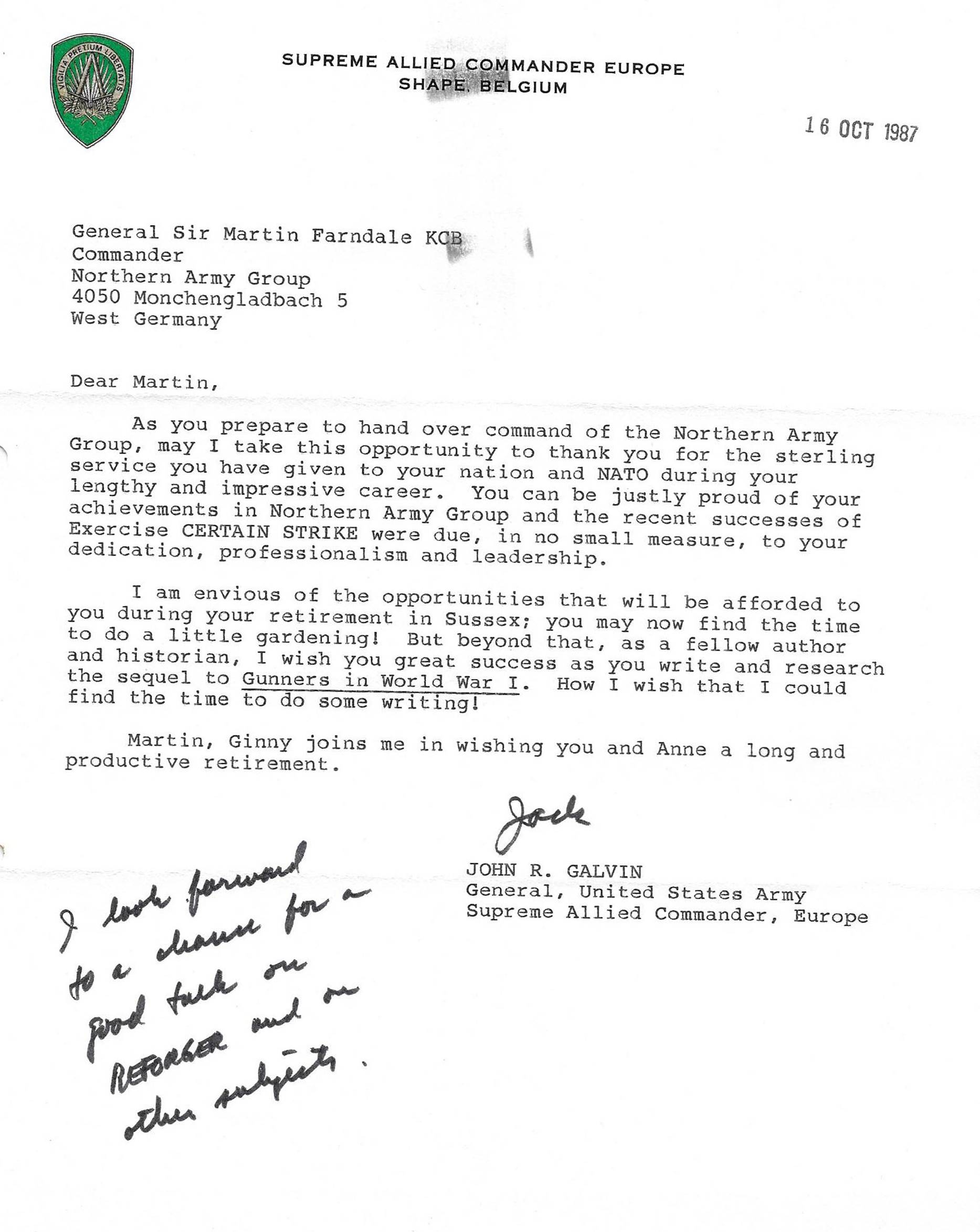
time in command, including Exercise Certain Strike in 1987, which was the
largest military operation since D Day and has unlikely been surpassed since
then.
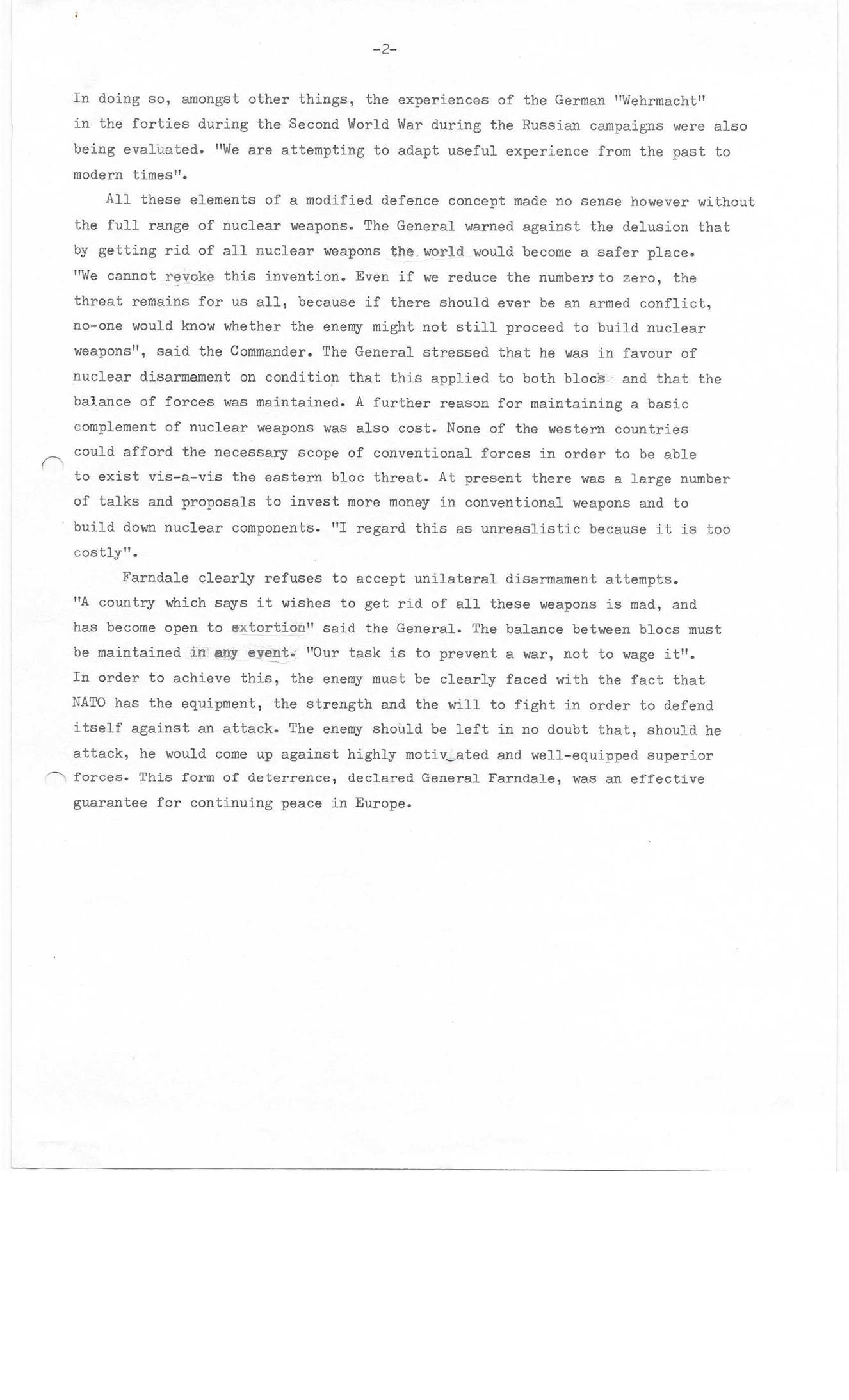
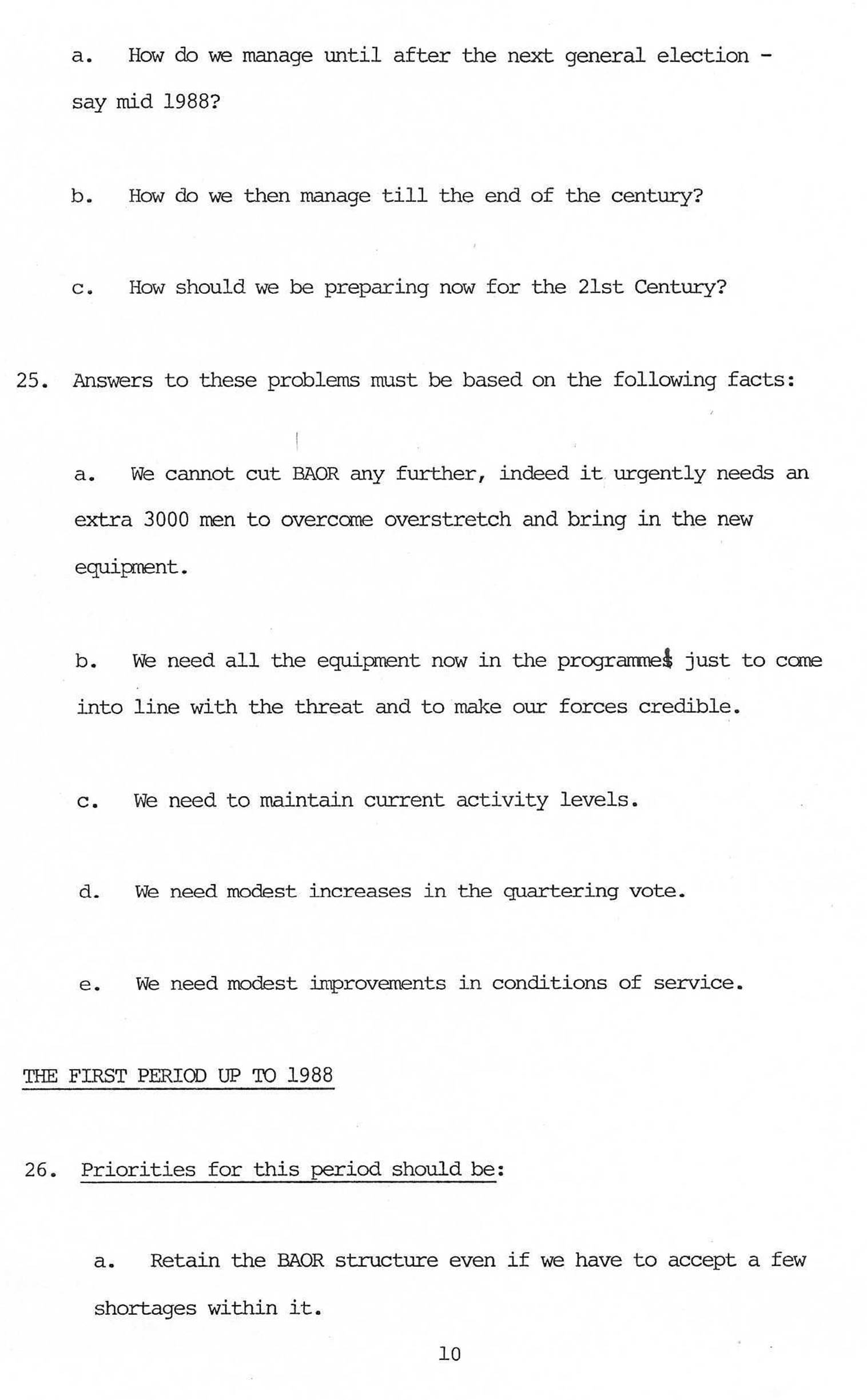
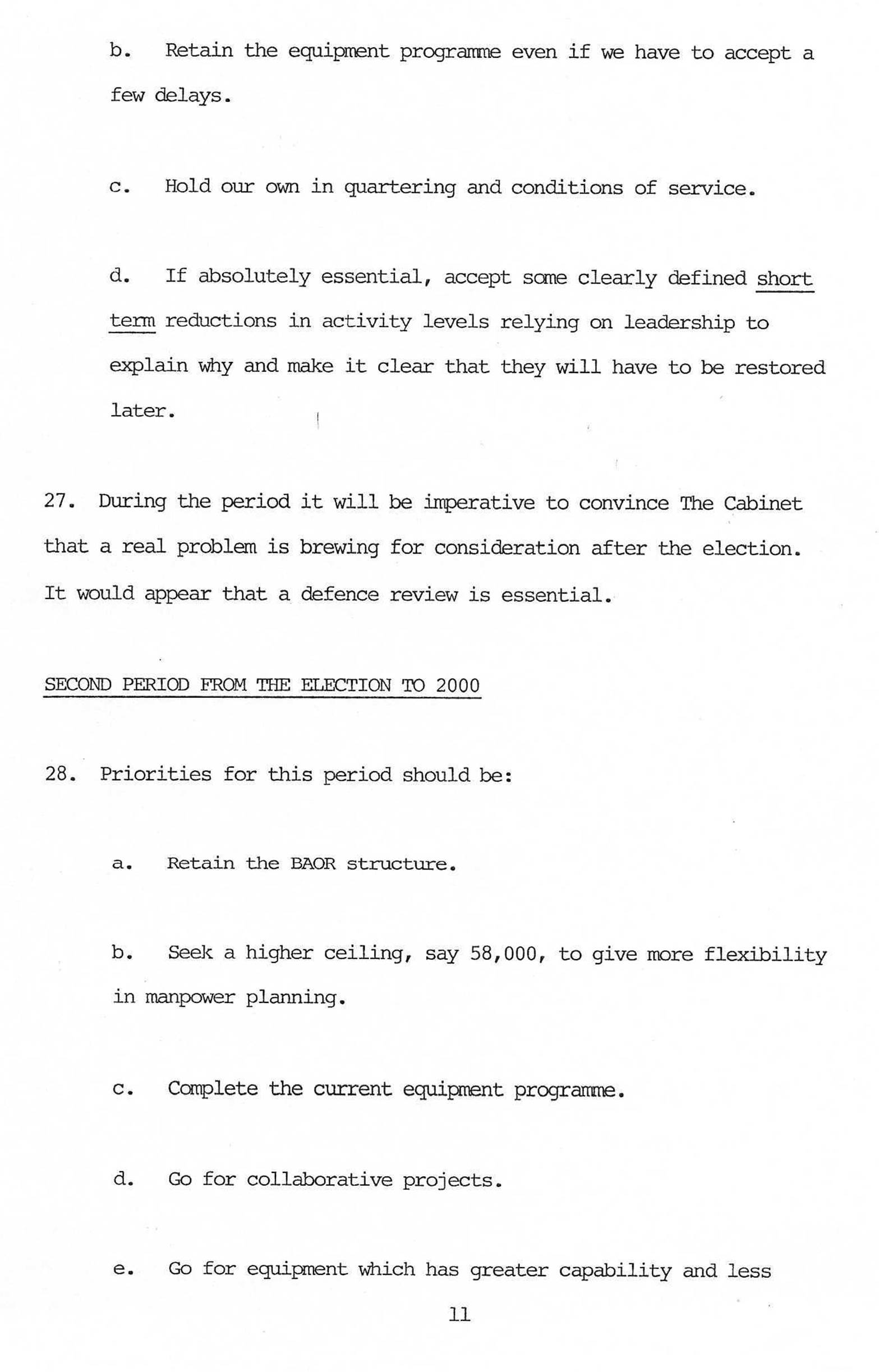
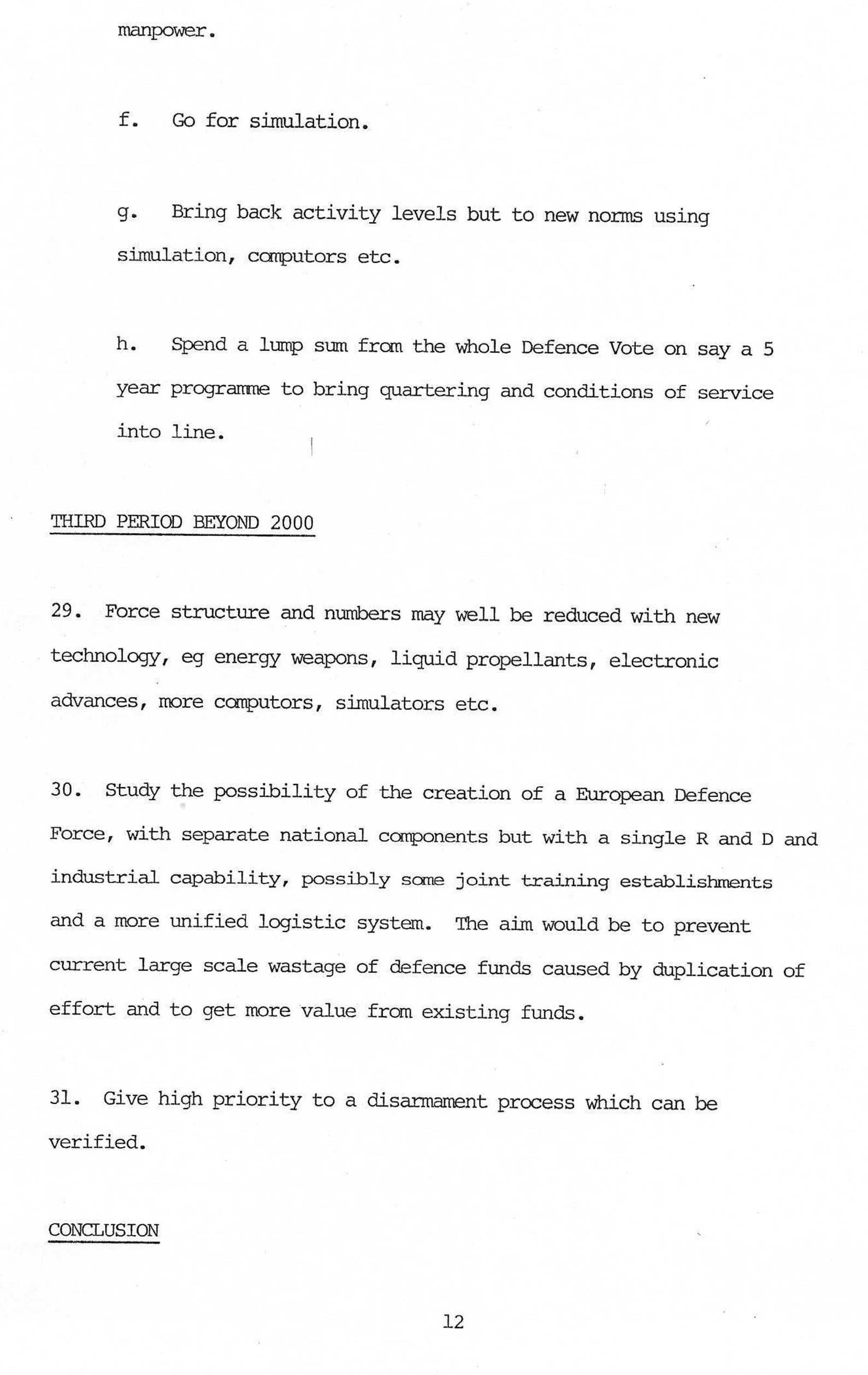
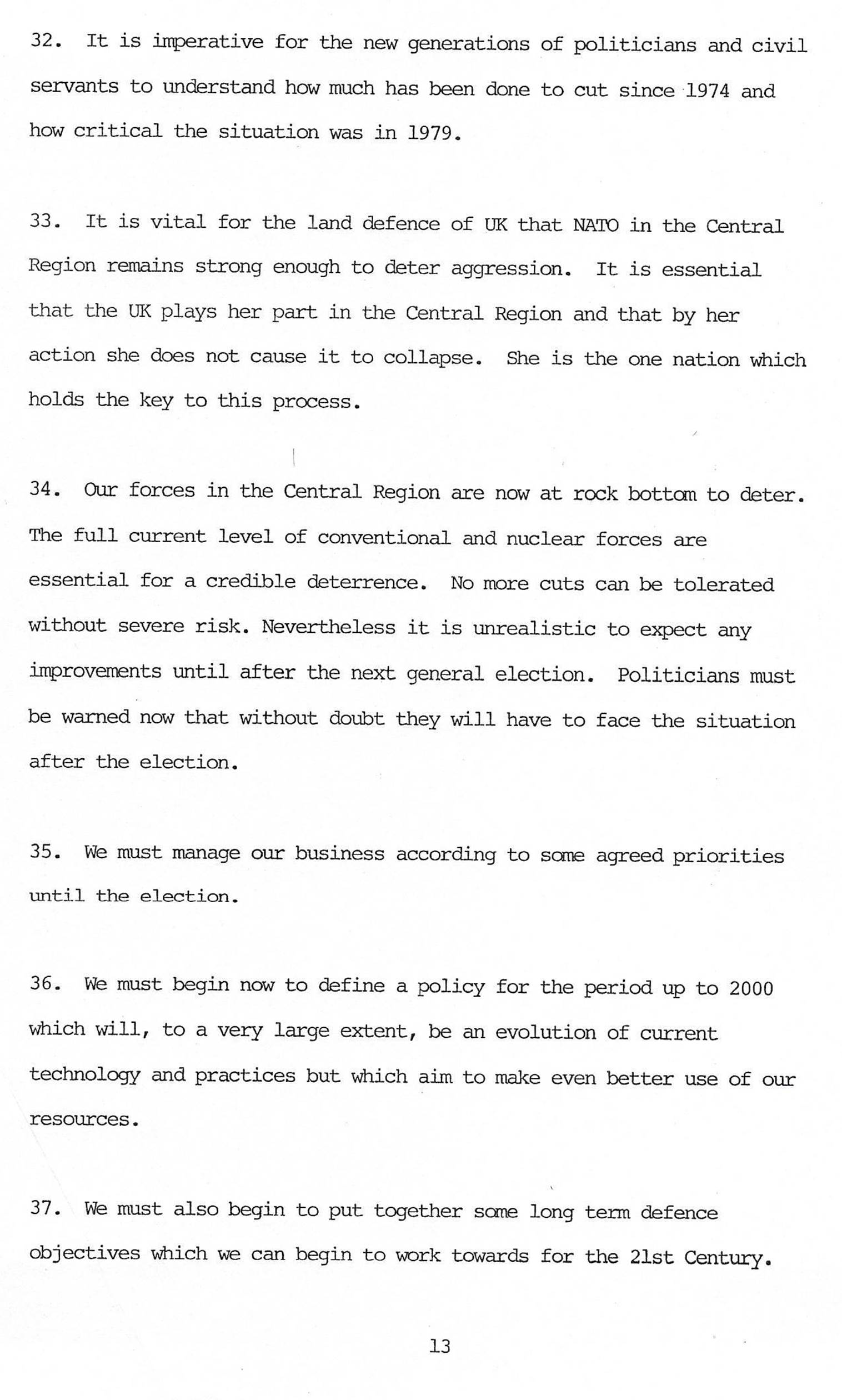
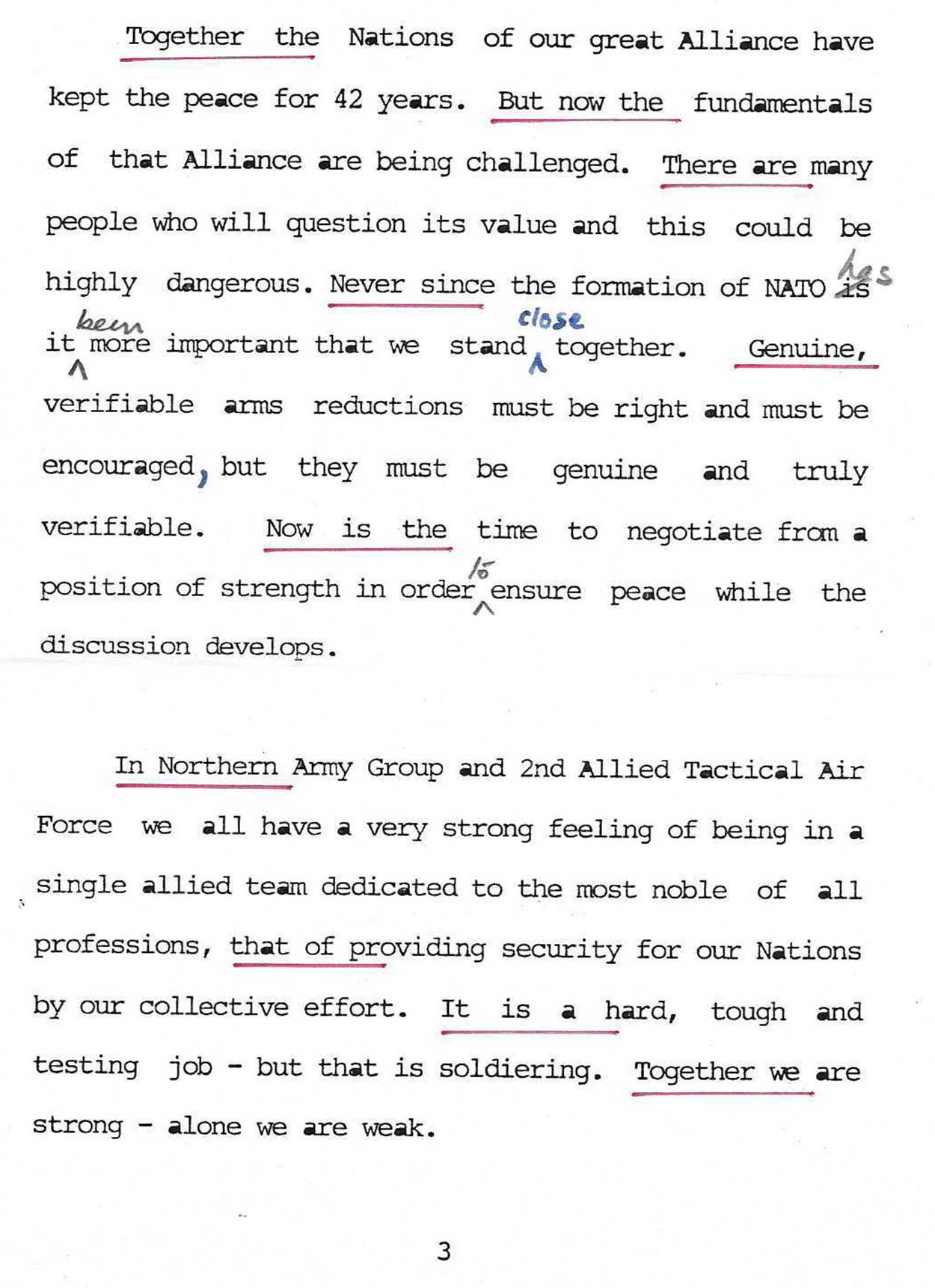
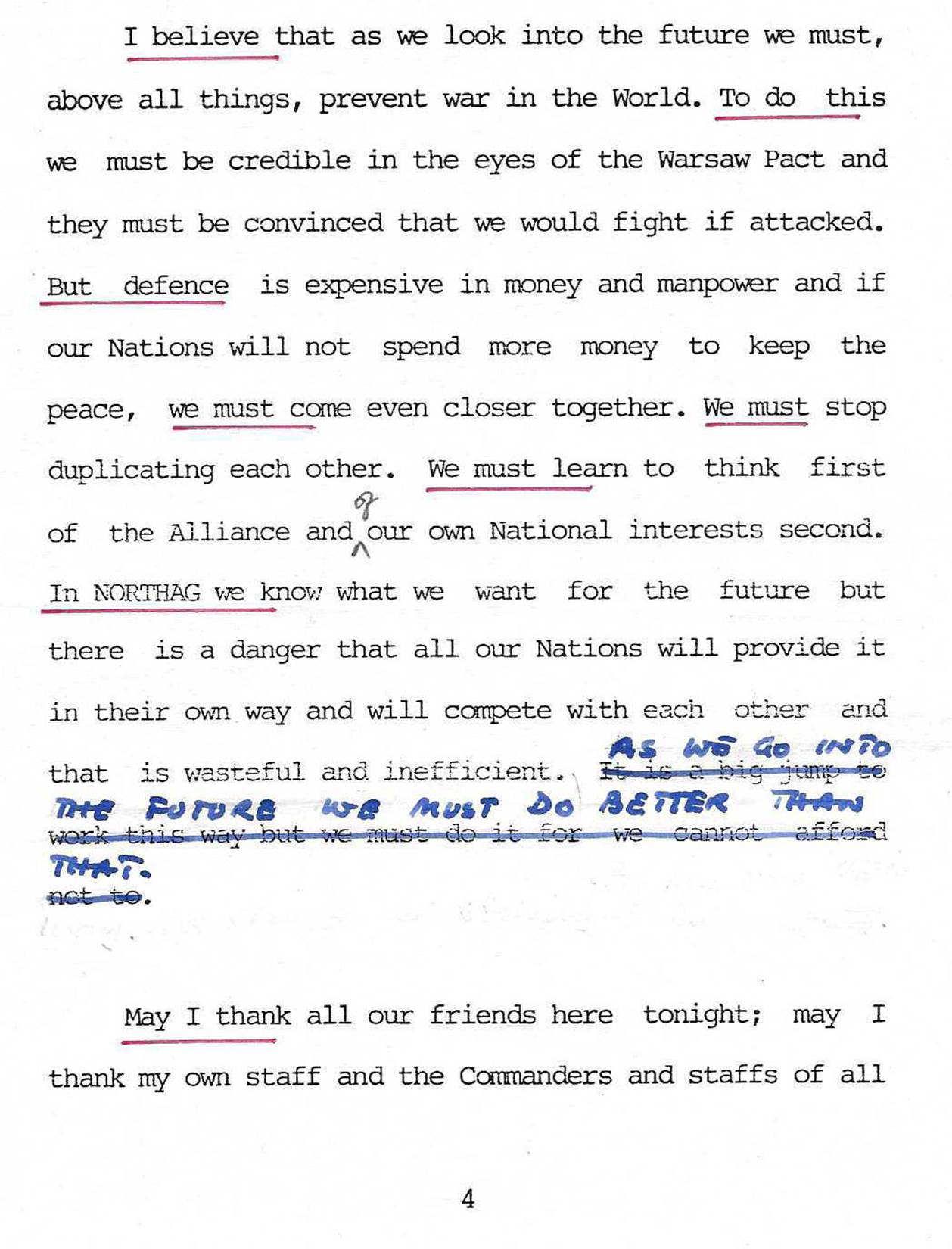
Martin was a passionate believer in the importance of deterrence
and peacekeeping. He was driven by the vital importance to stop another major
war occurring in Europe and to avoid real clashes of arms, especially in
Europe. This comes across in many of the interviews on the
video and audio page, particular towards the end of the 1983 interview on
assuming command of 1 (BR) Corps) in which he passionately speaks of the
importance of maintaining the peace and avoiding the unnecessary misery of war
in Europe by the maintenance of a sufficiently strong deterrent.

NATO corps sectors in the Central Region
1985
1986
1987
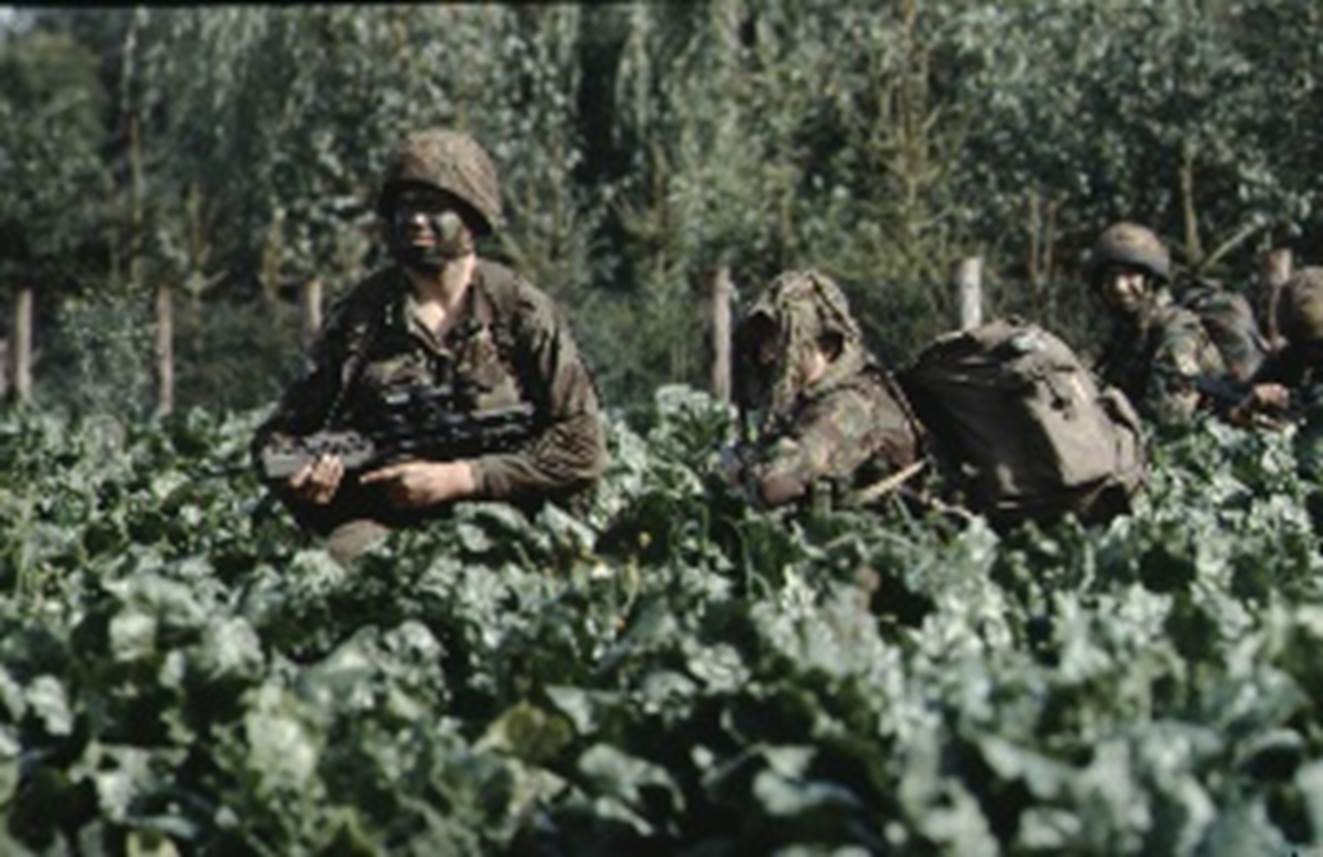
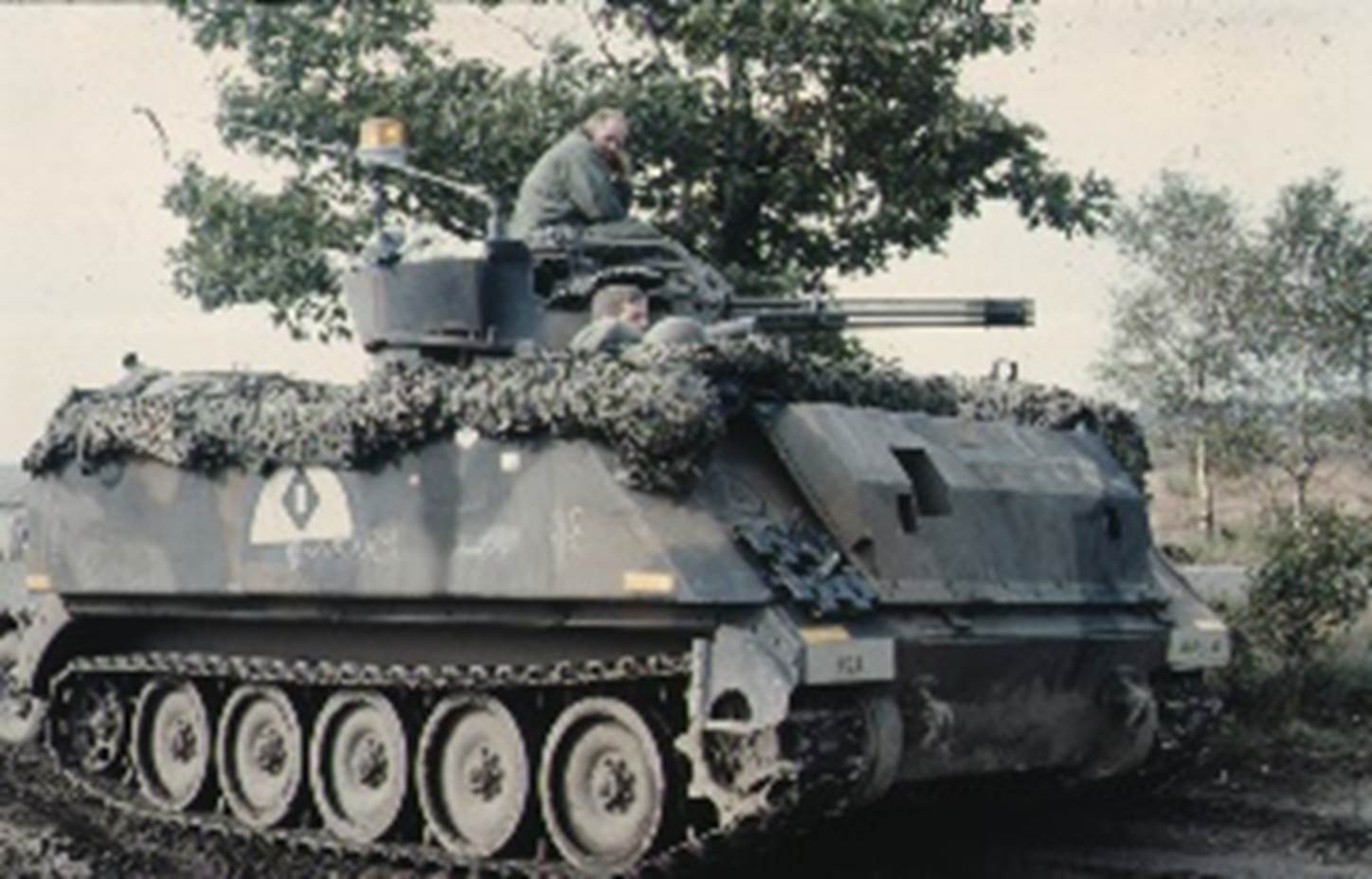
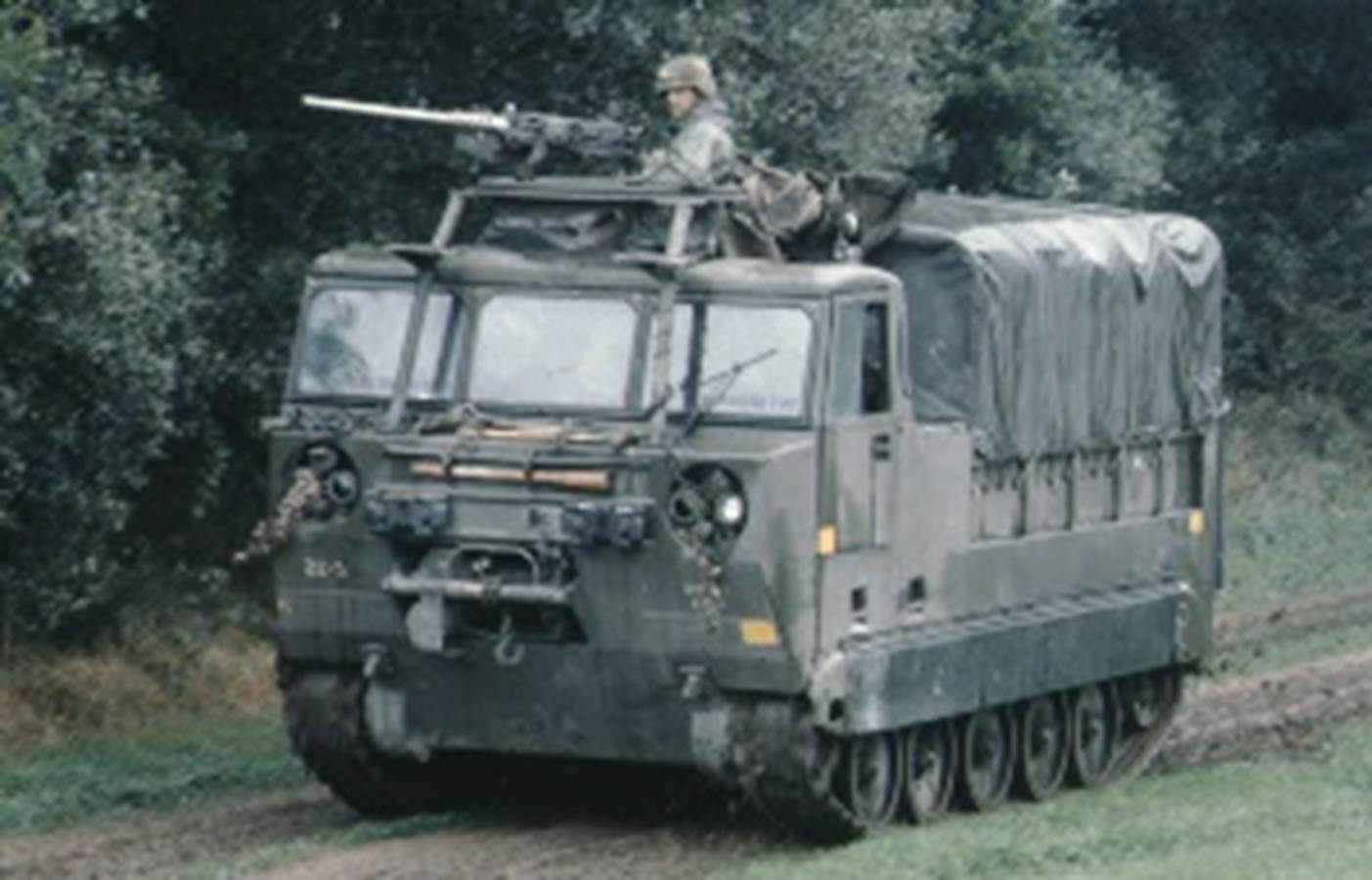
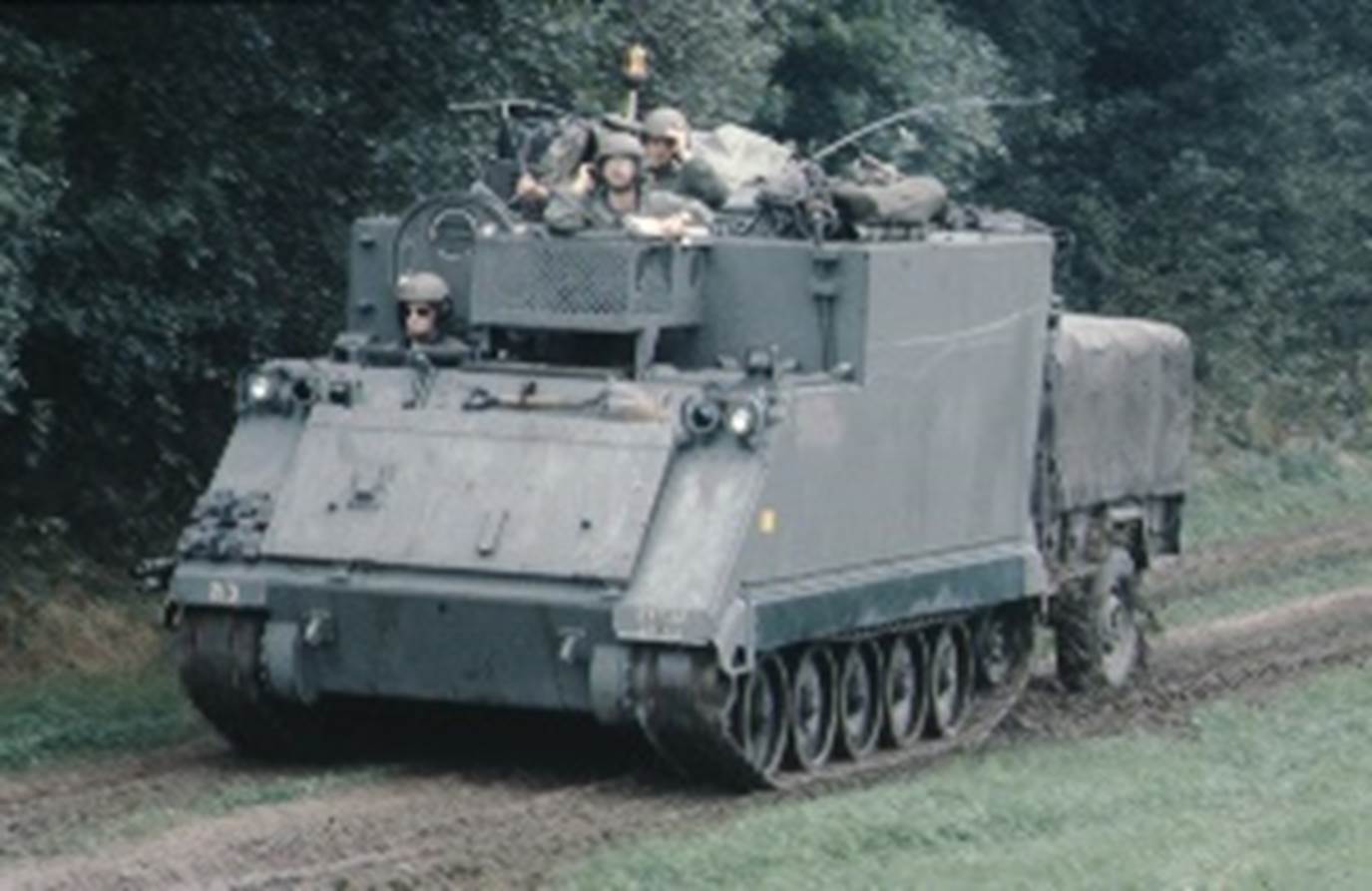
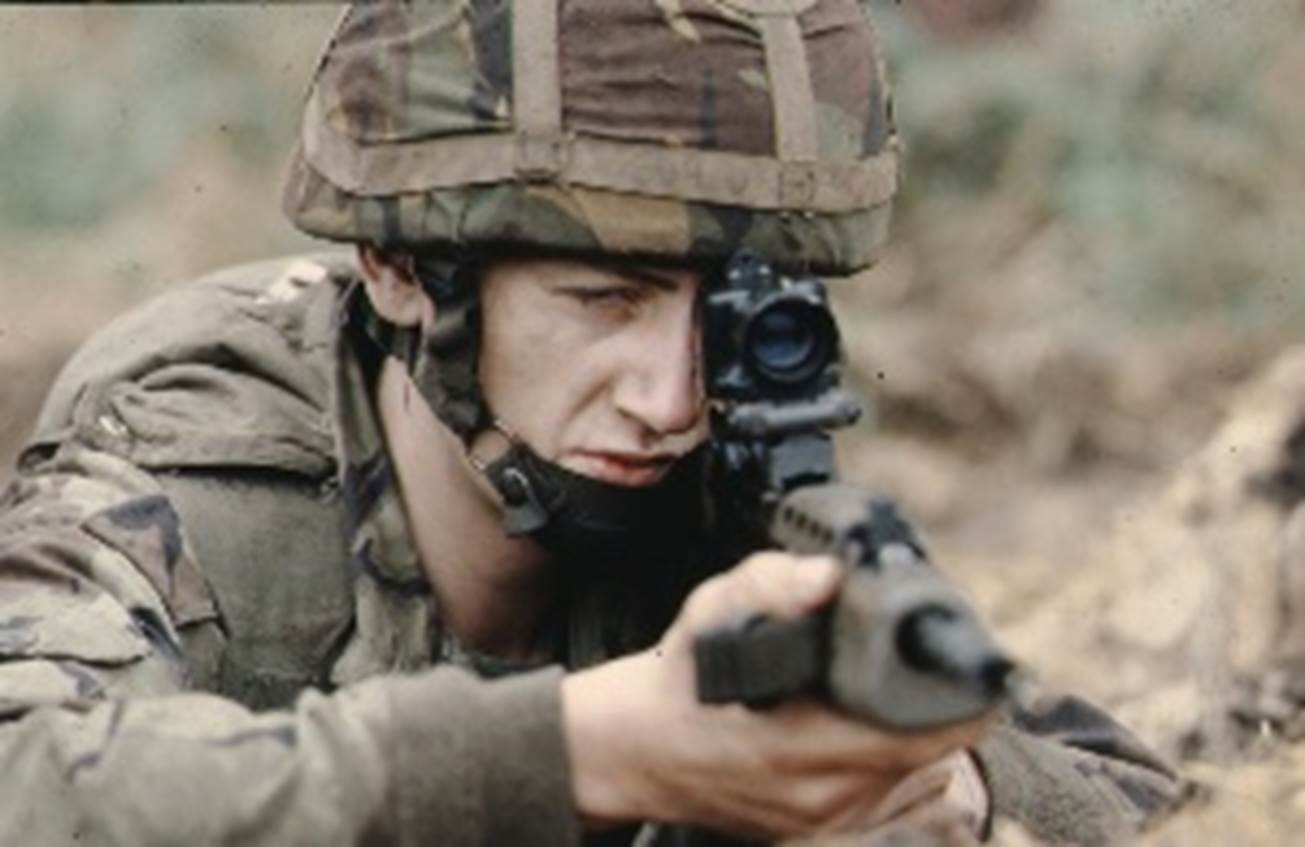
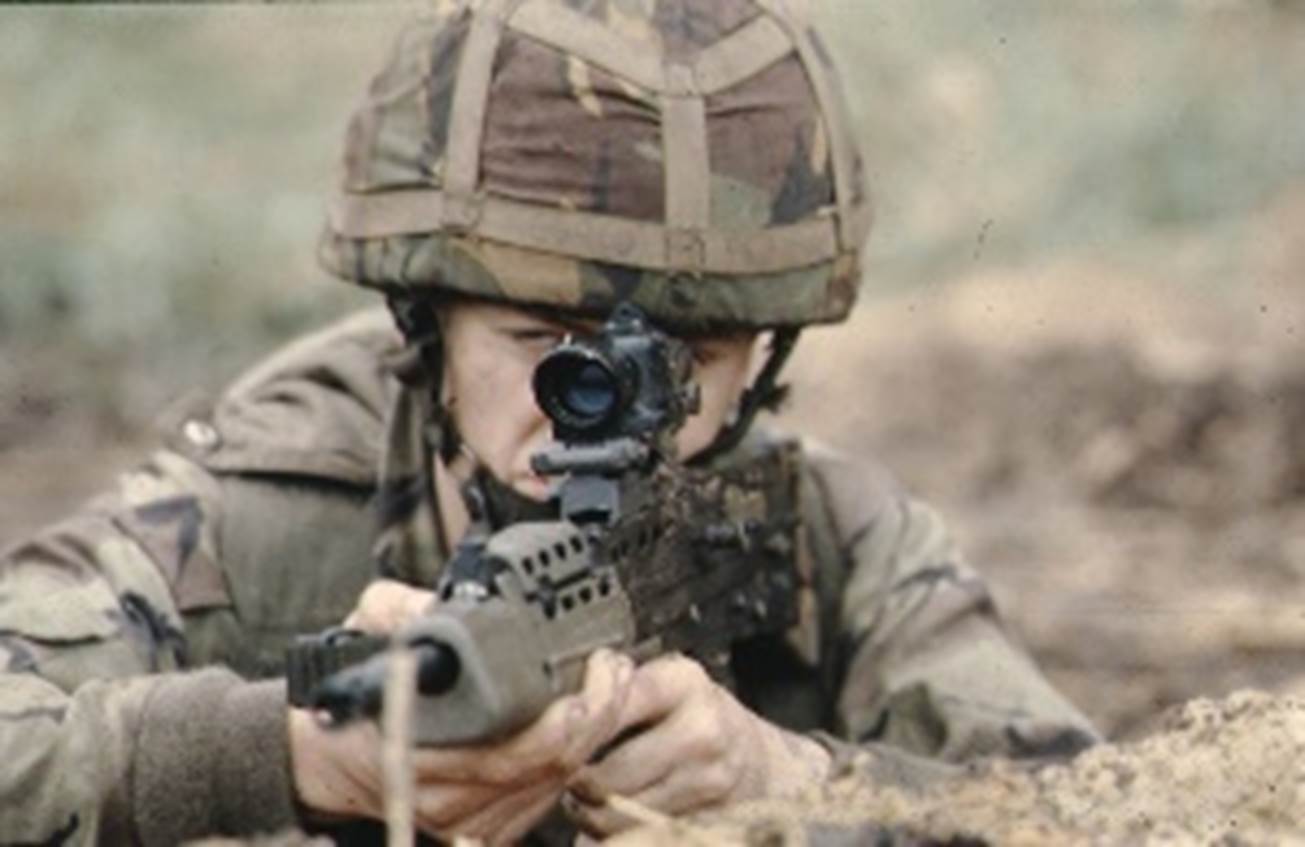
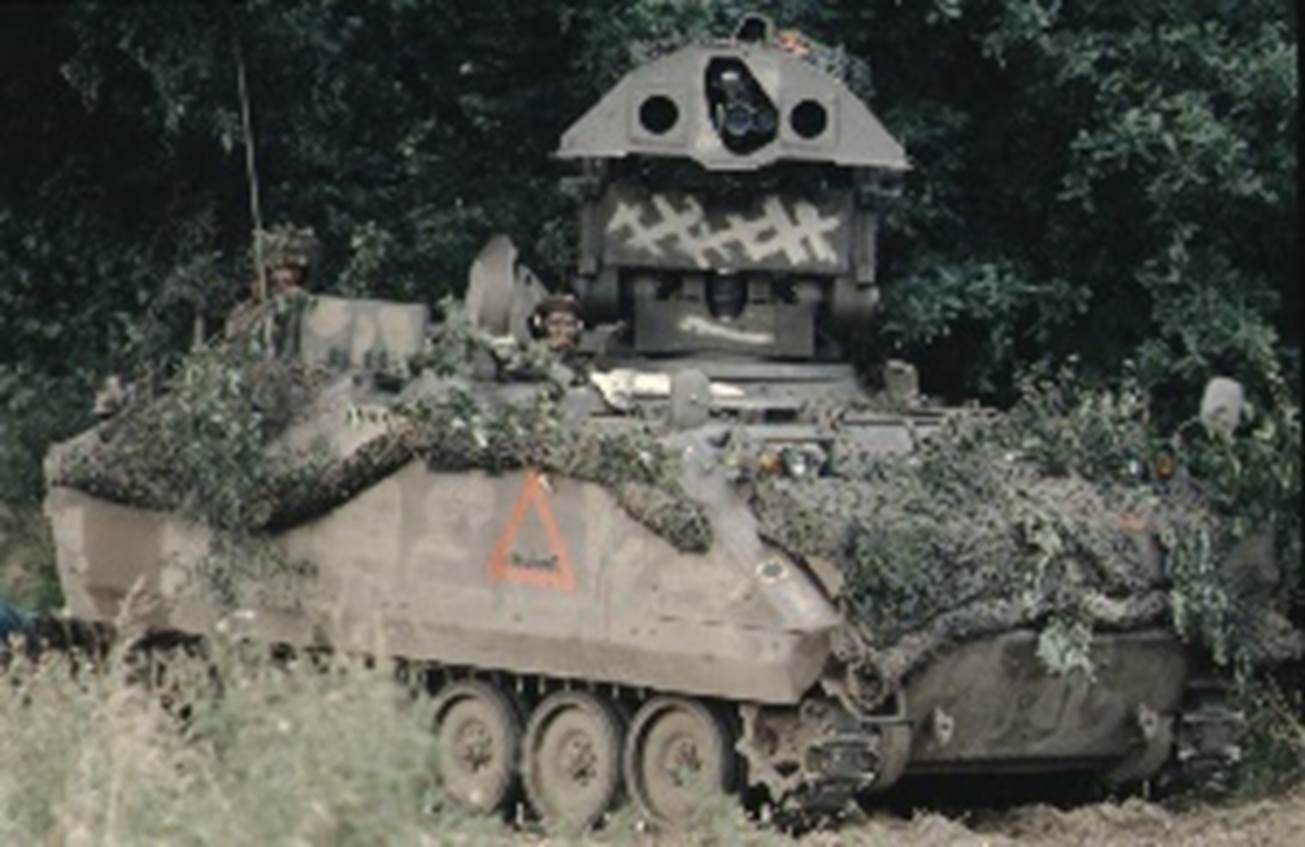
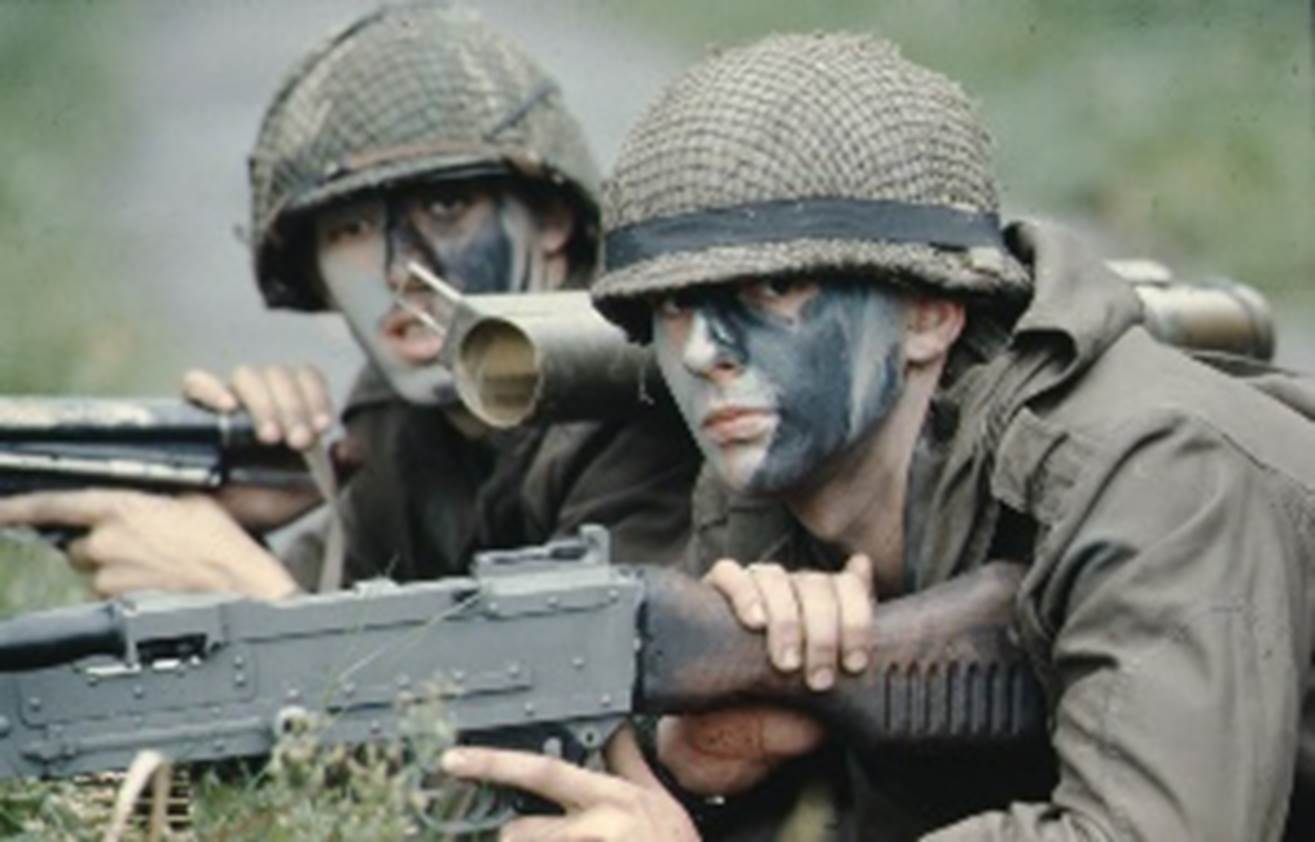
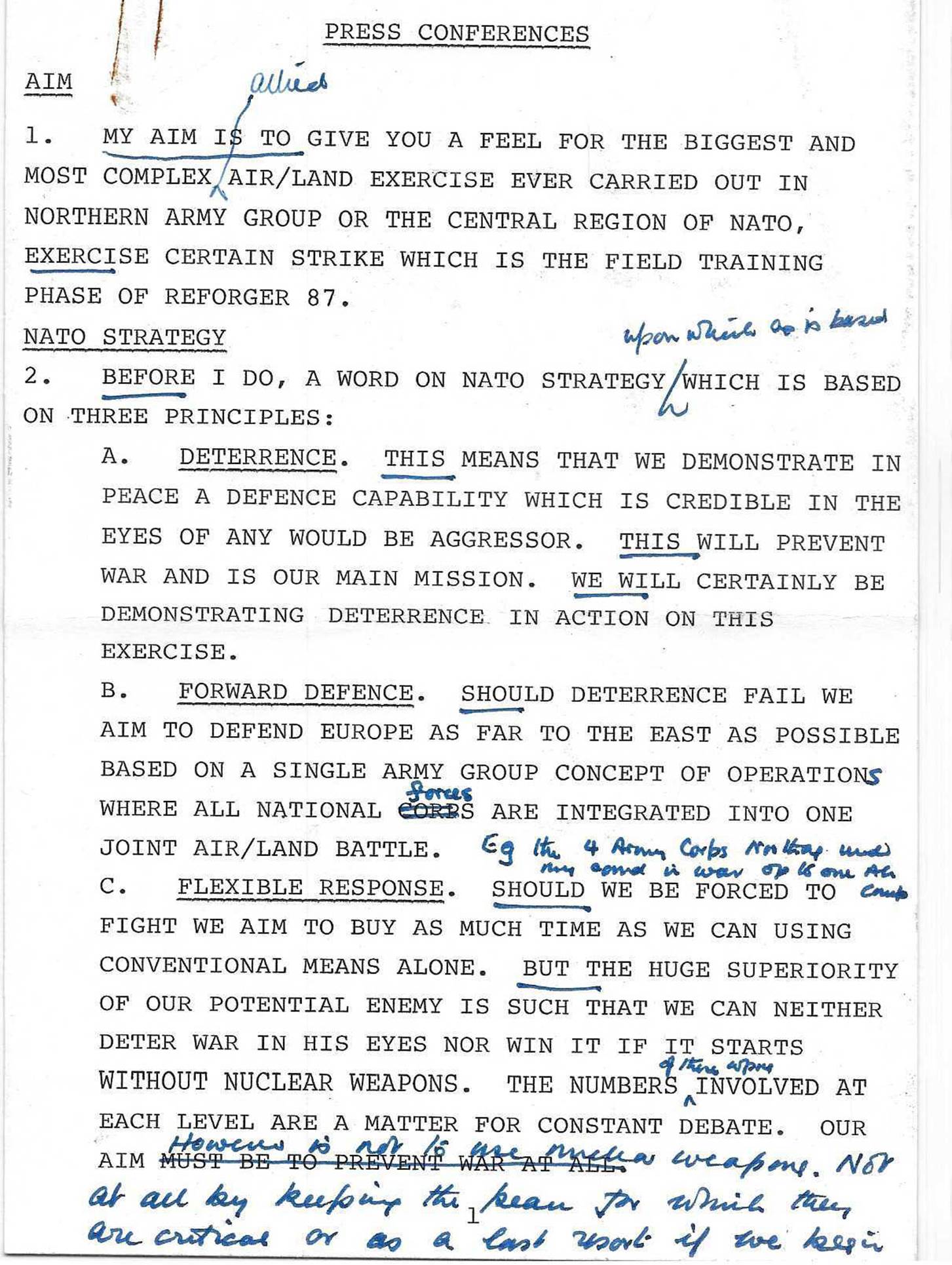
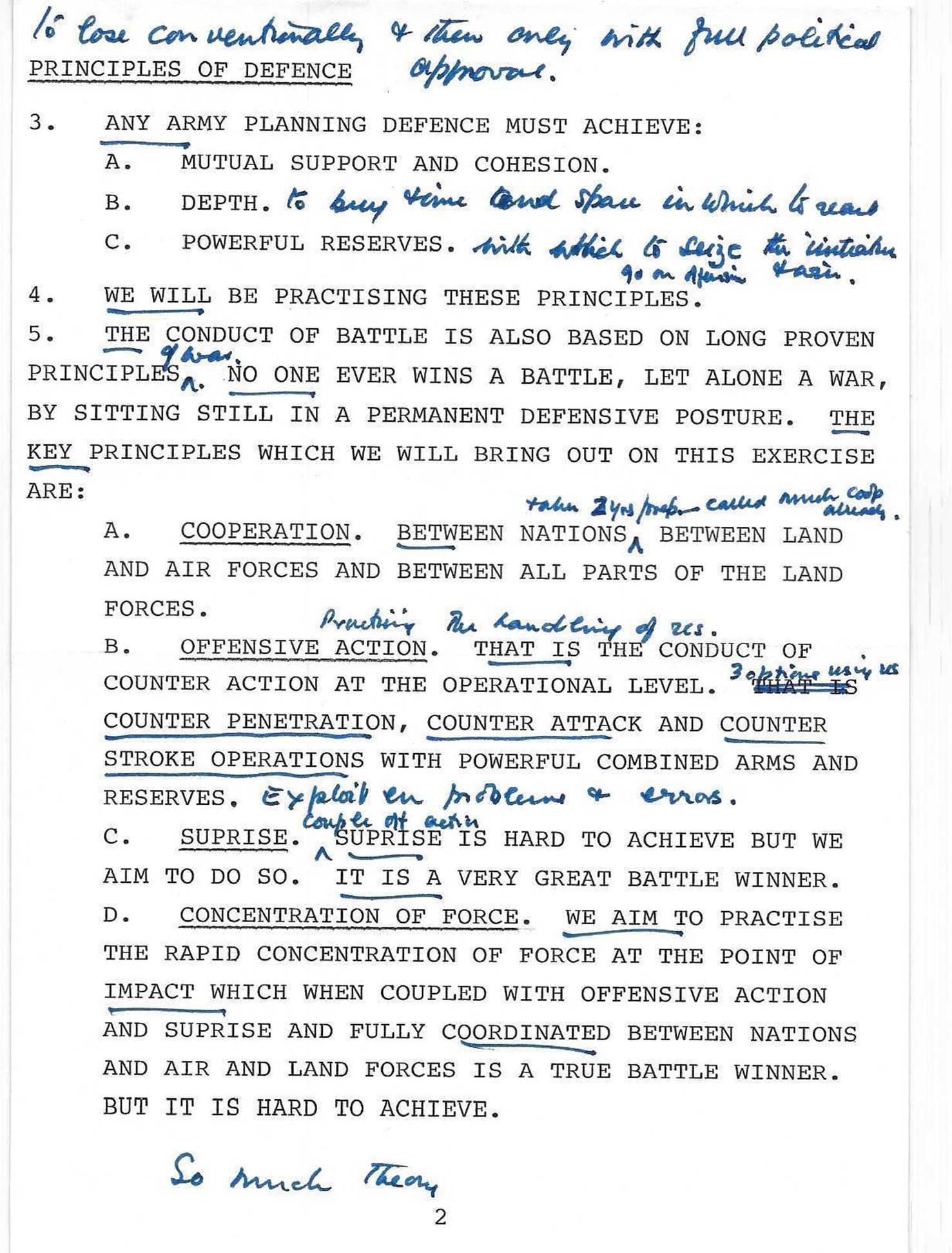
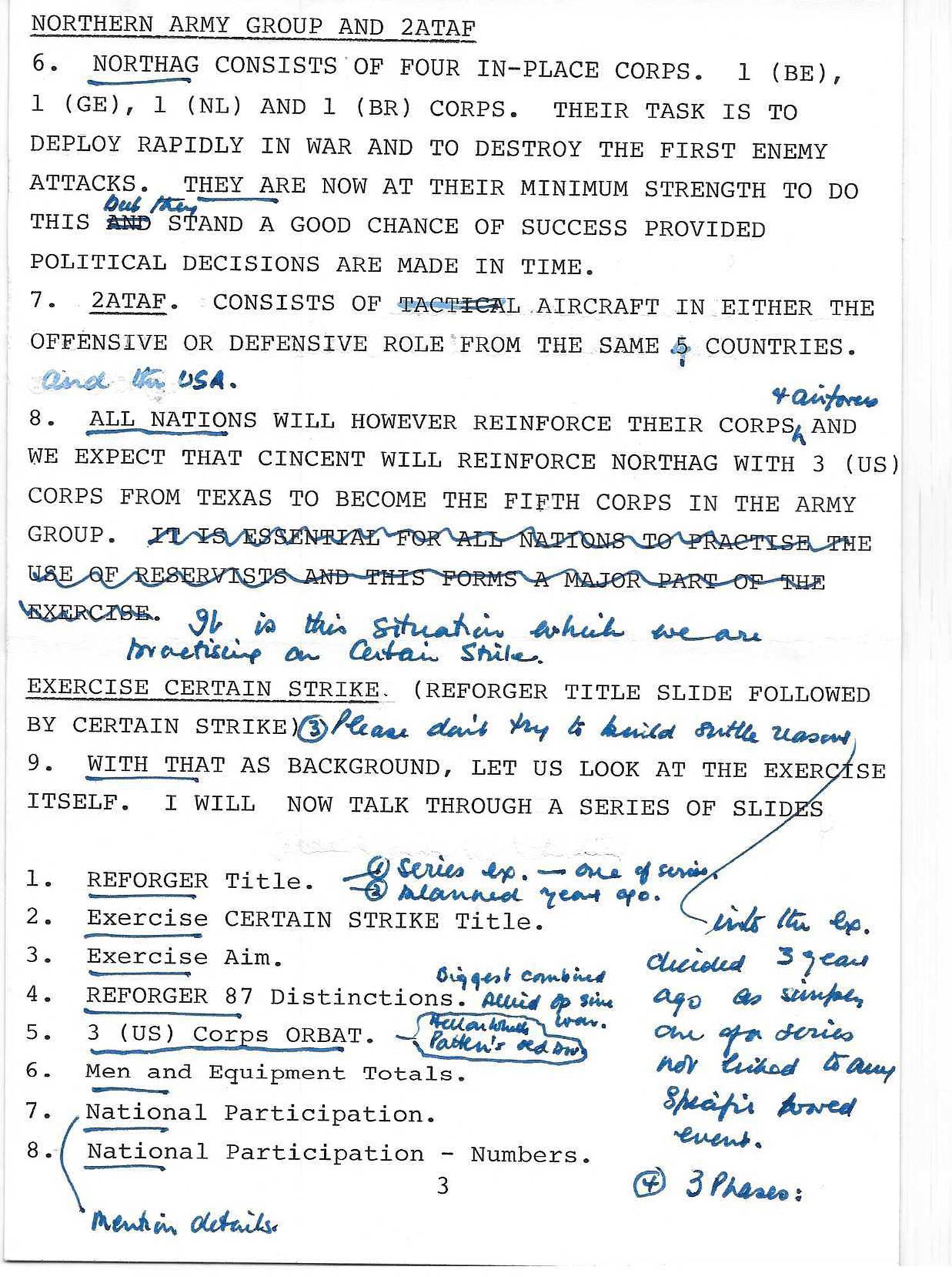
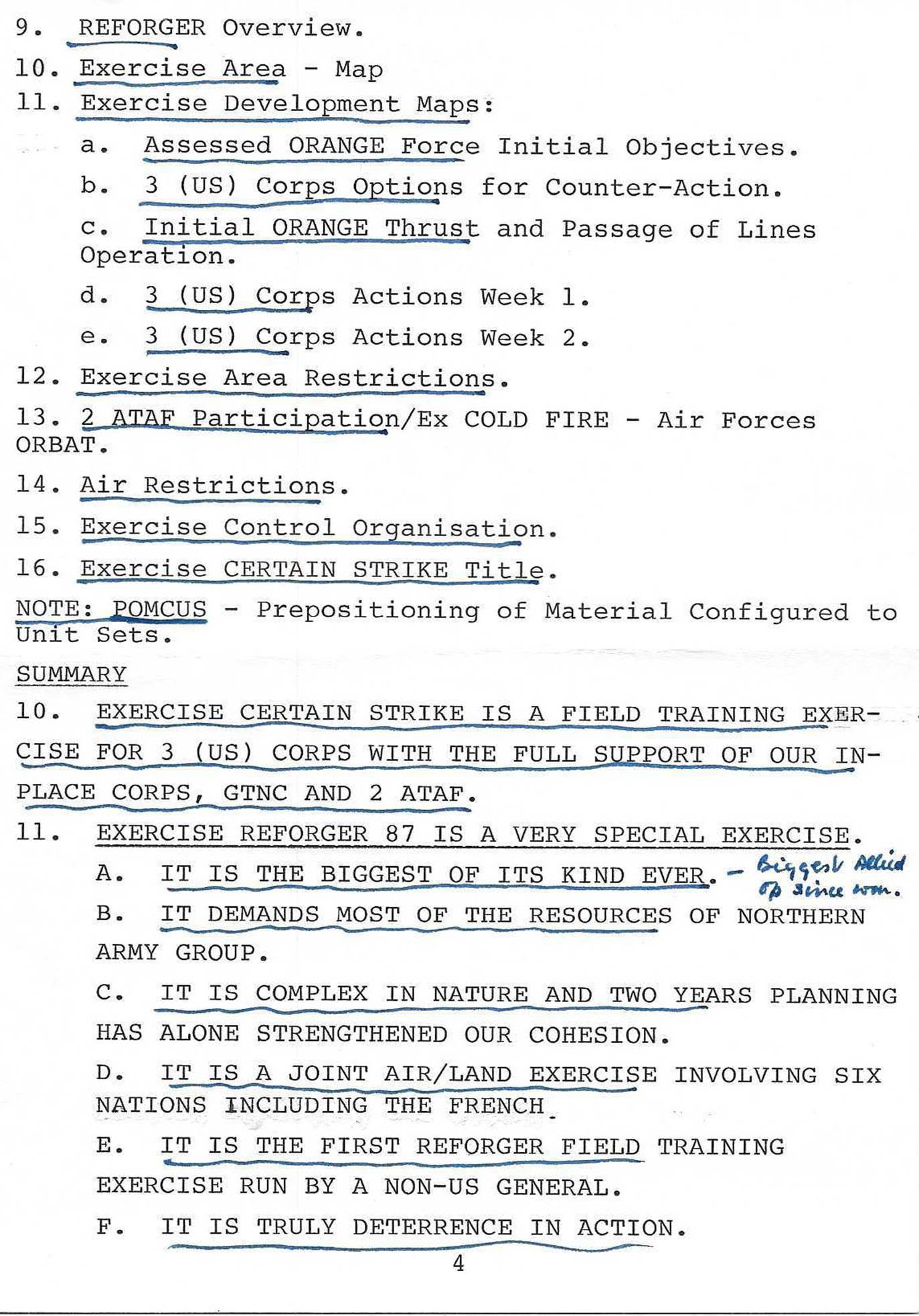
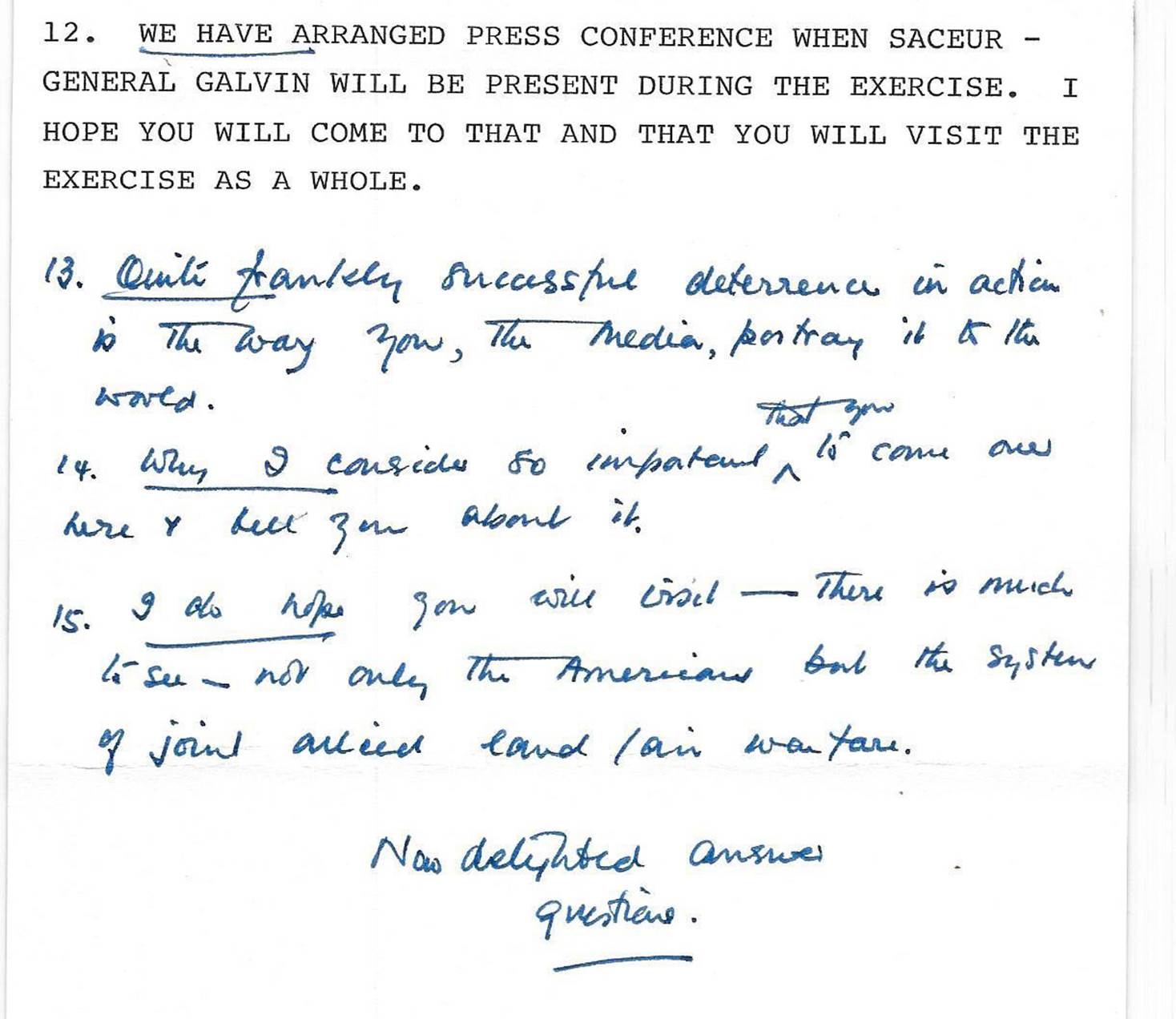
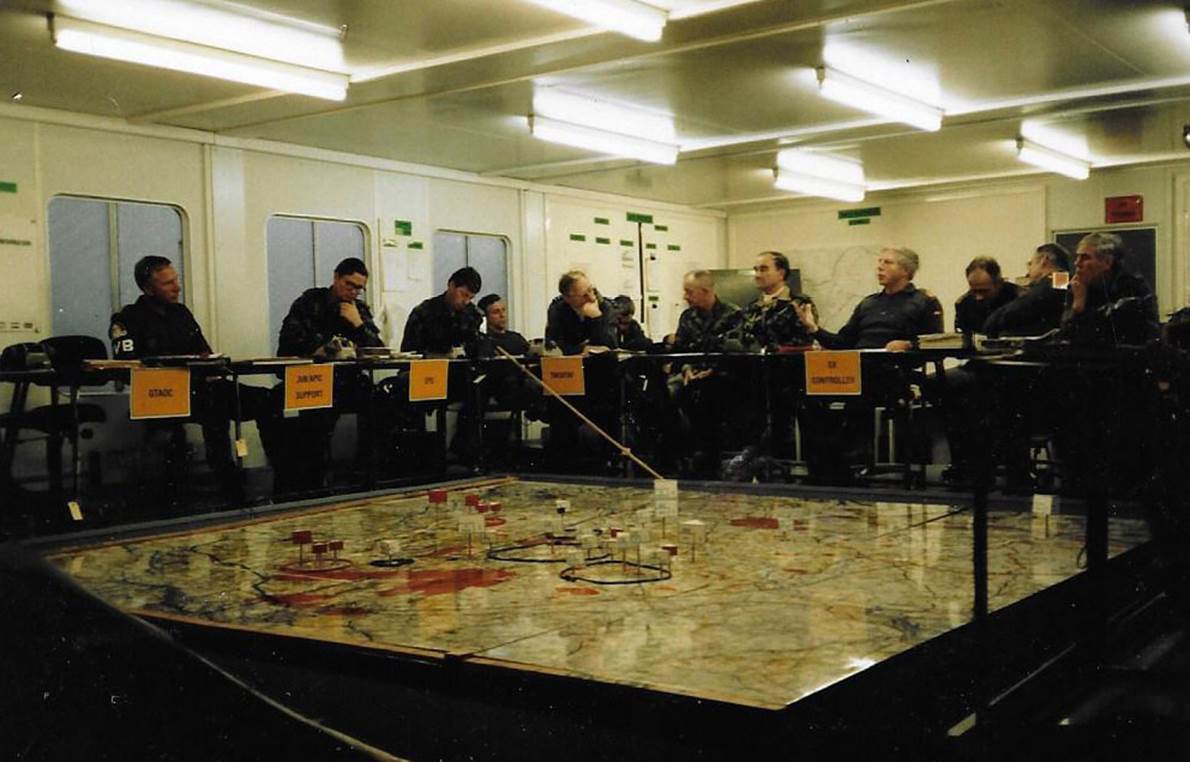
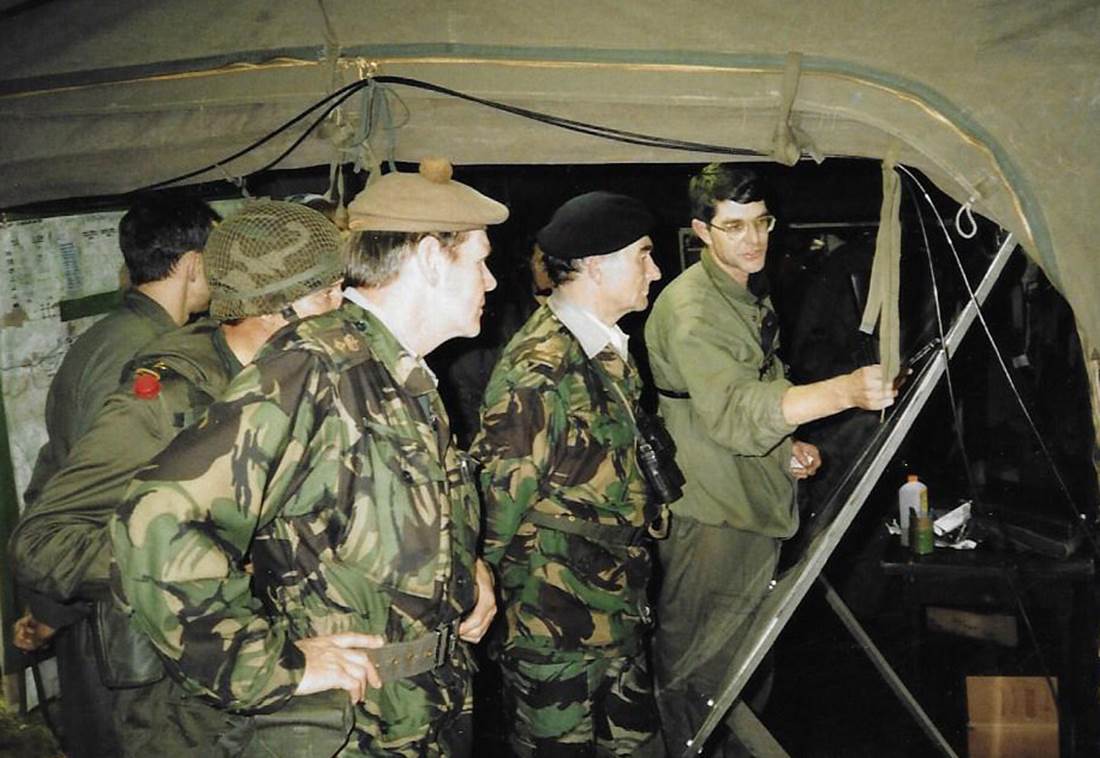
Exercise Certain Strike (including the Operation Reforger Deployment of the US Corps) 1987
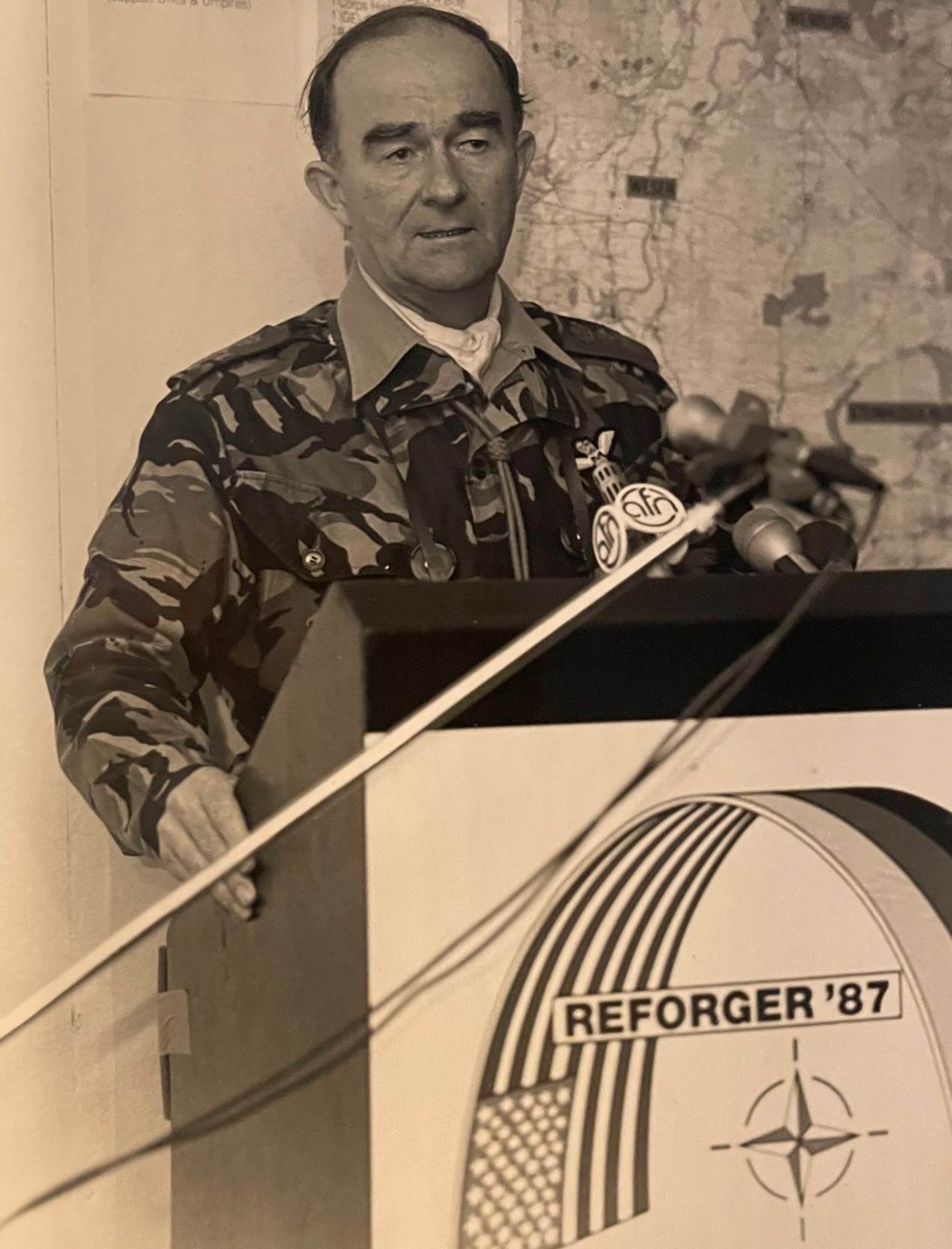
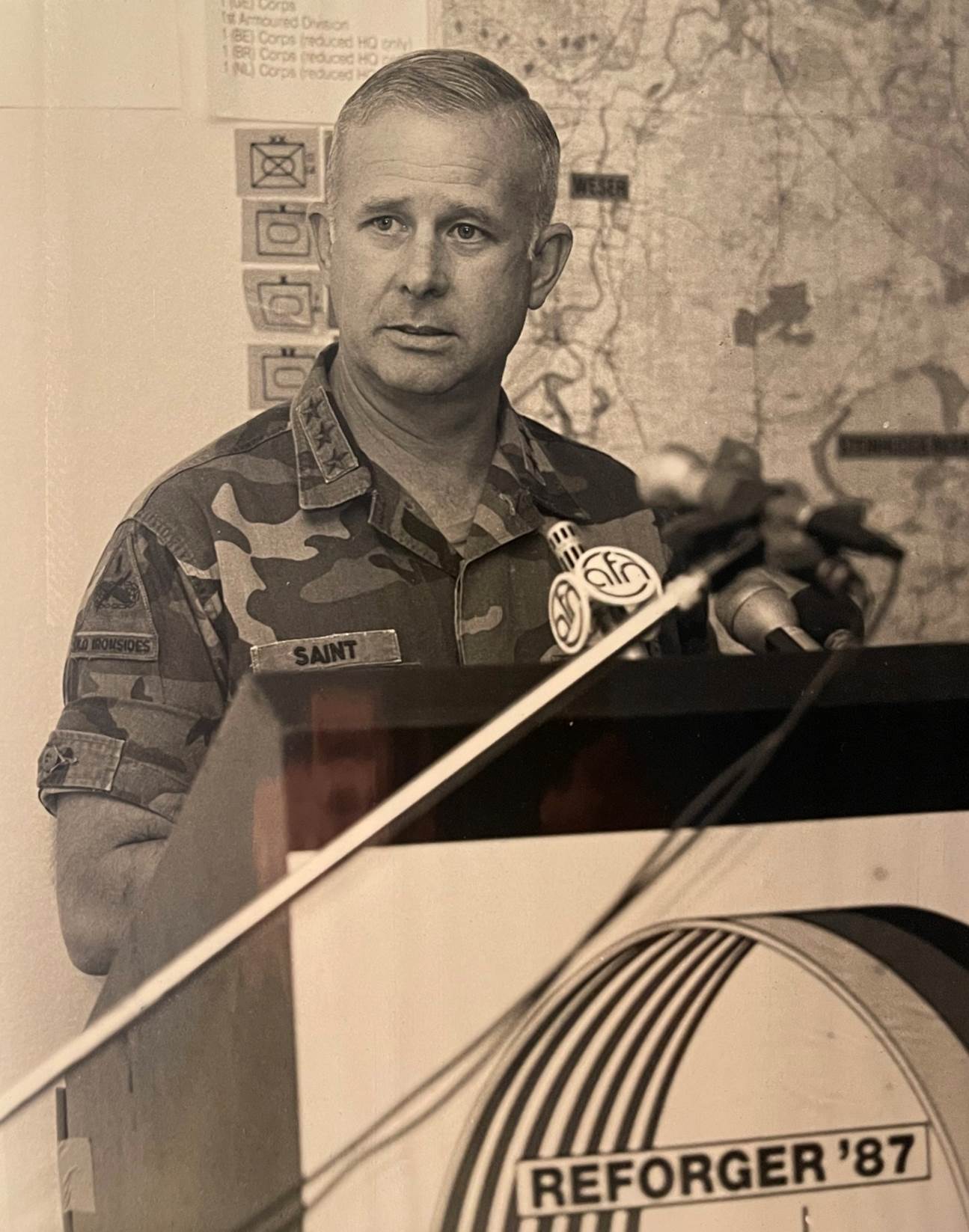
Martin Farndale briefing on the exercise
Lt Gen Crosbie
(“Butch”) Saint
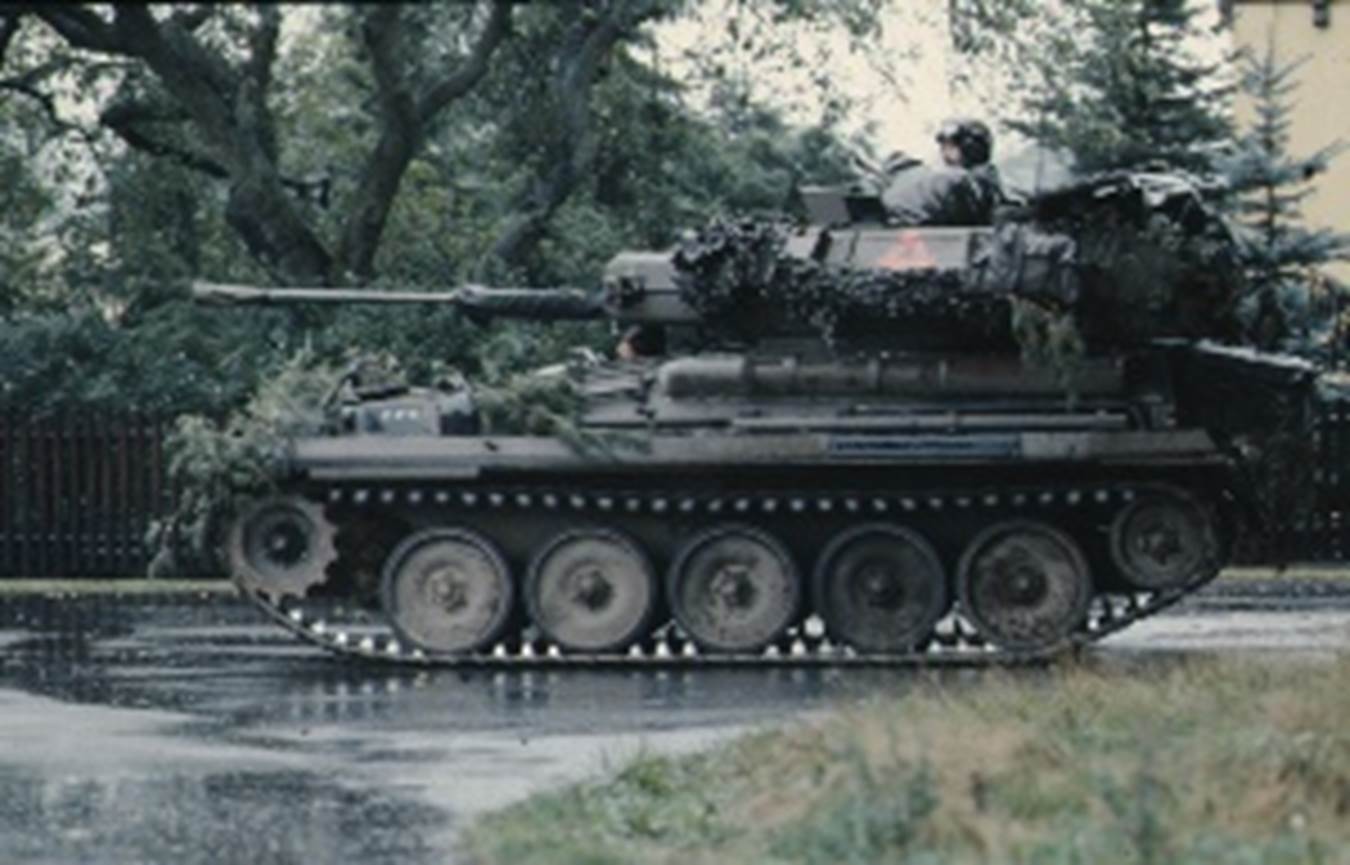
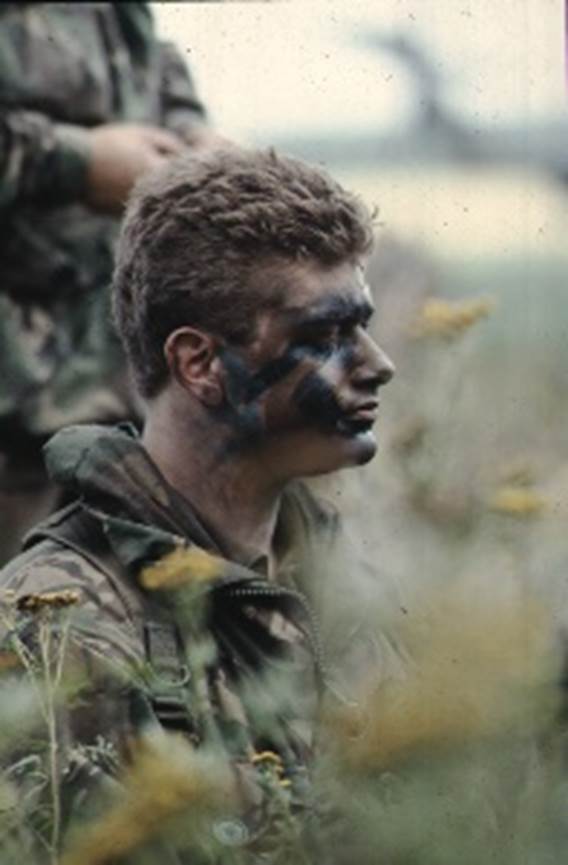
Recce
Grenadier Guards
Gren Gds
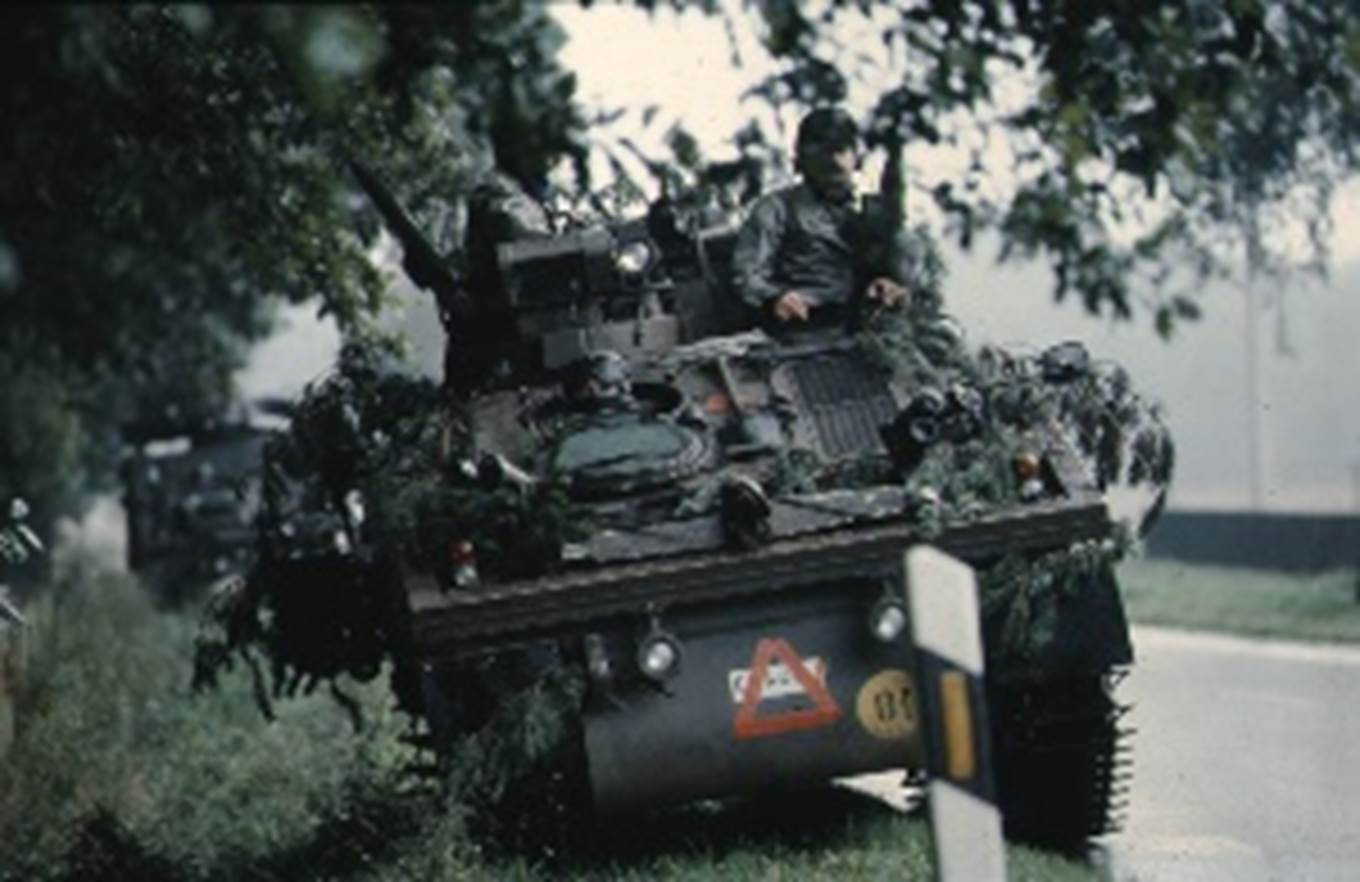
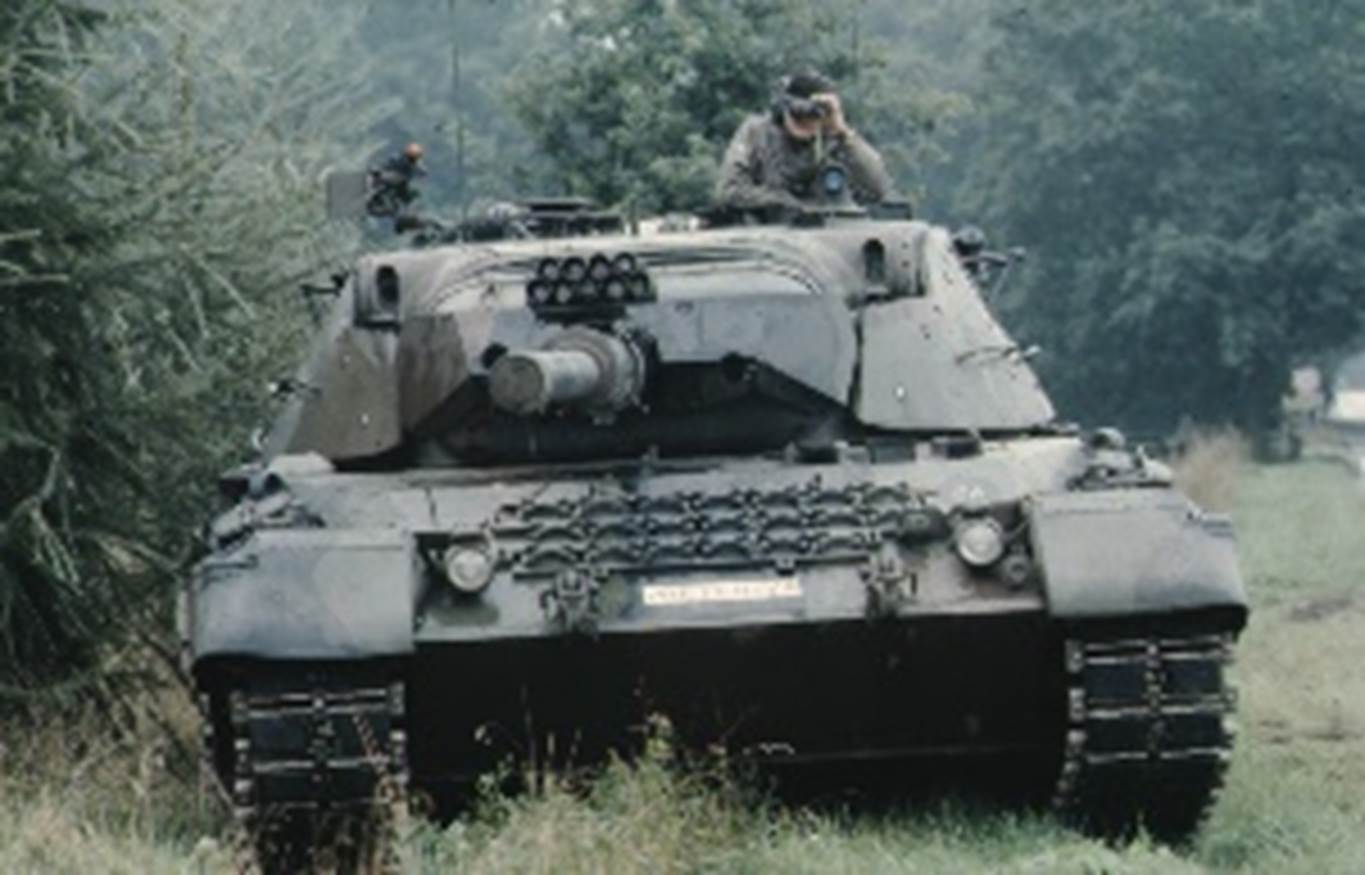
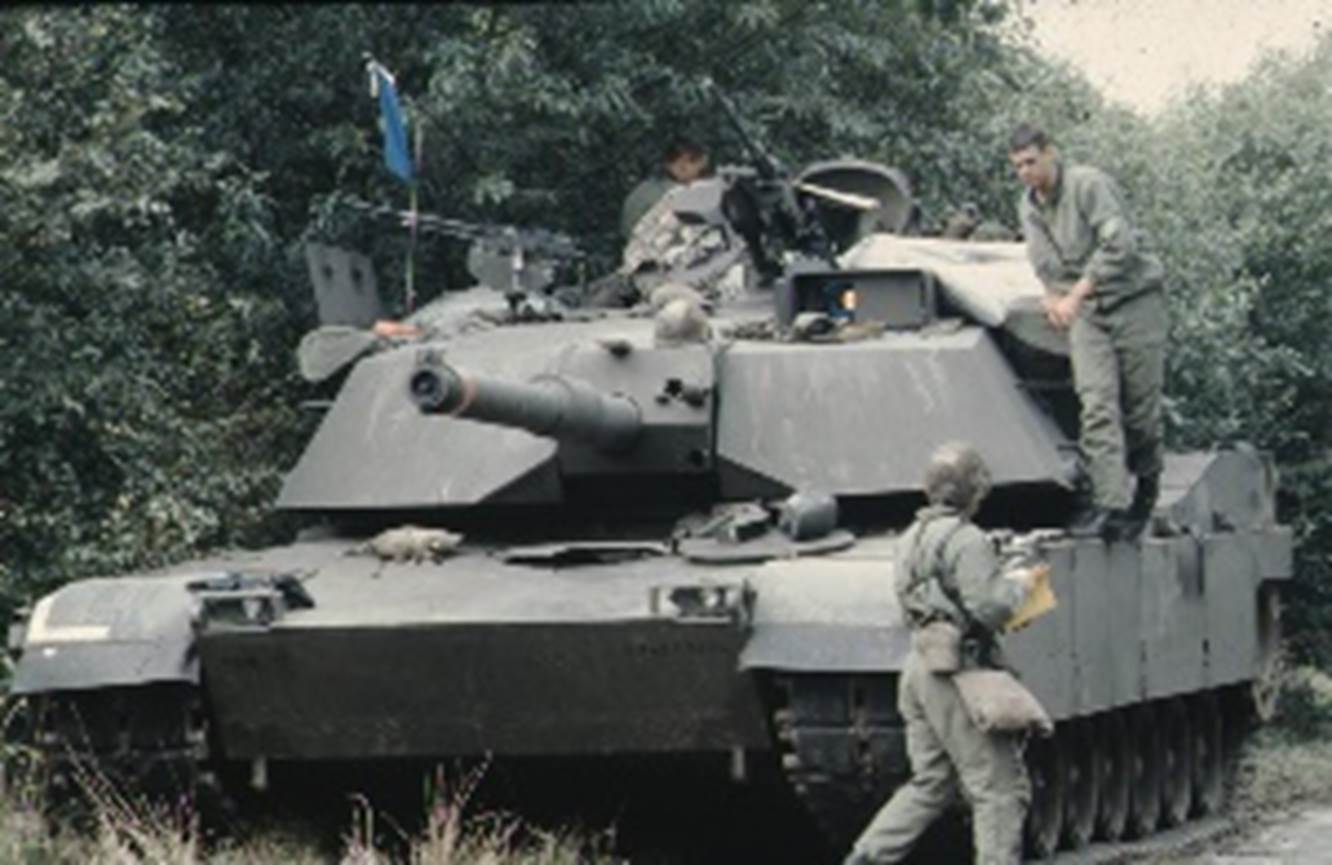
Recce
German Leopard II
US Abrams MBT
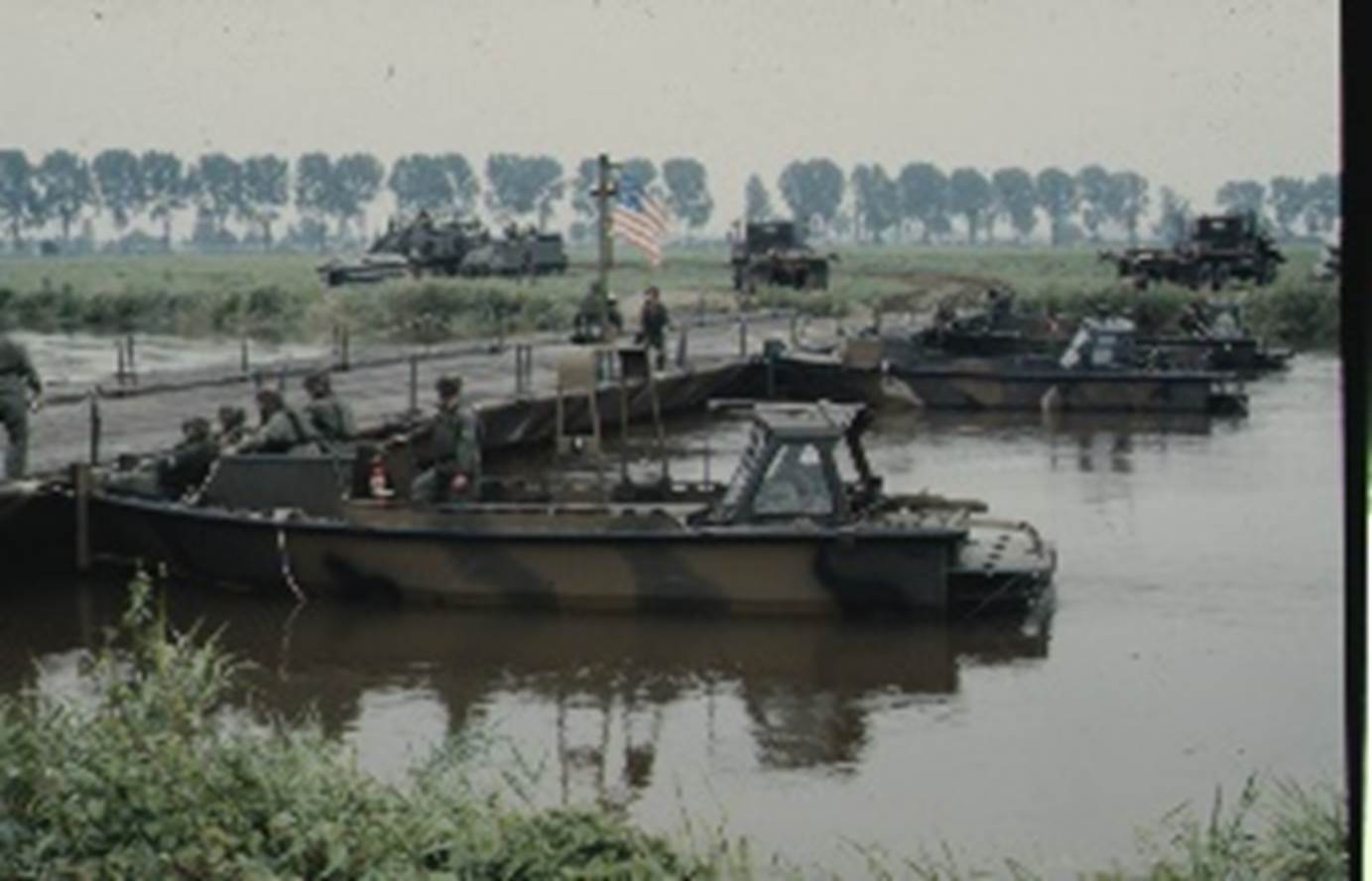
Crossing
the River Aller
UK Rapier
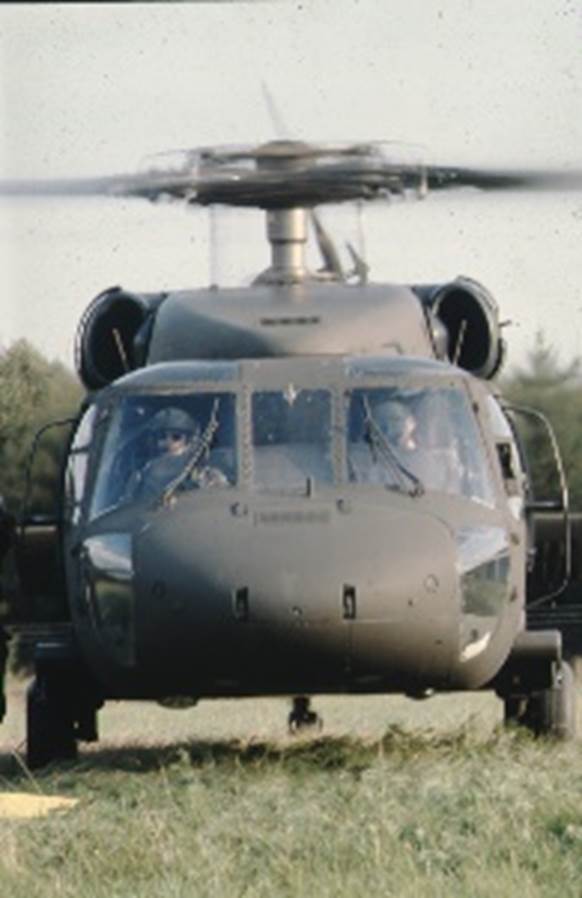
US Blackhawk
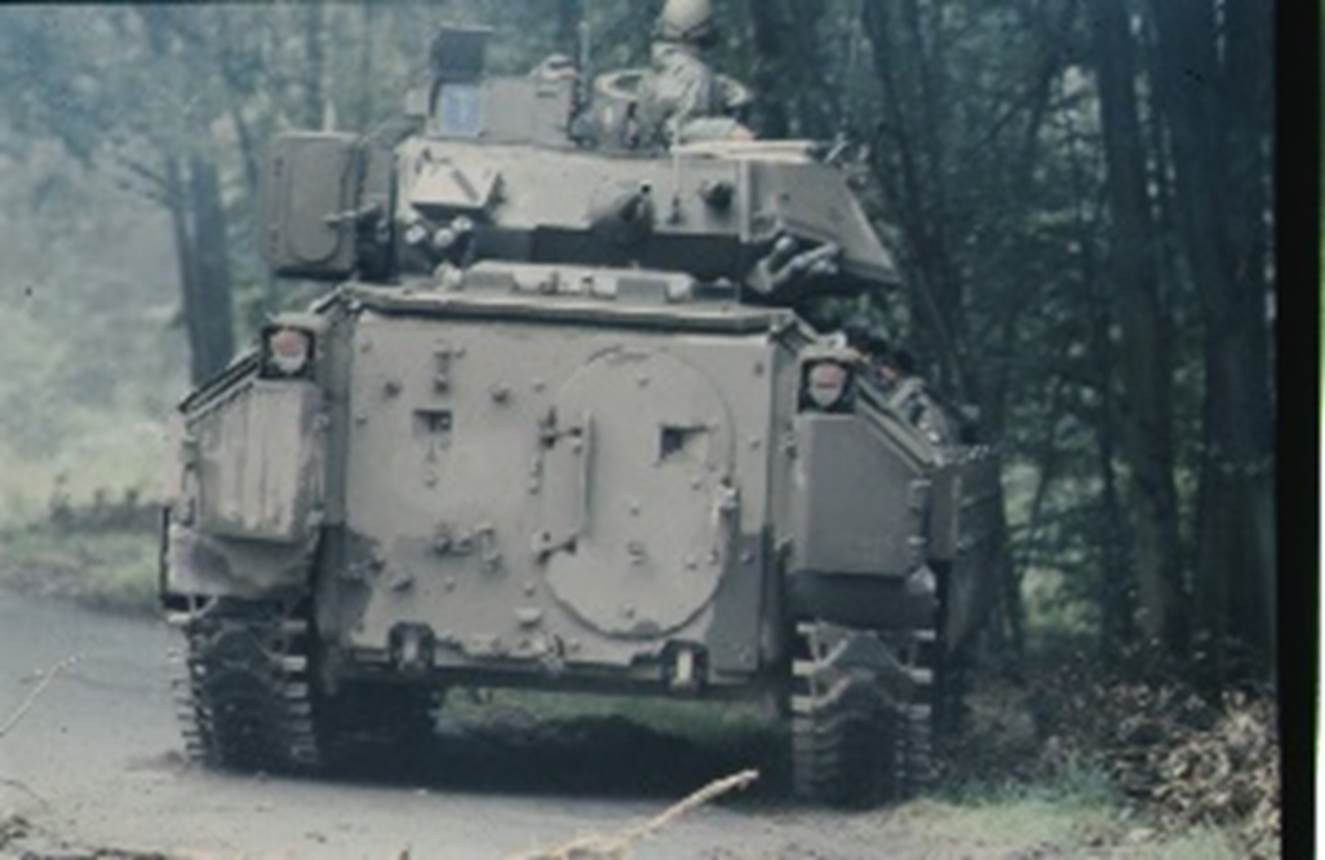
US
Bradley
German Corps
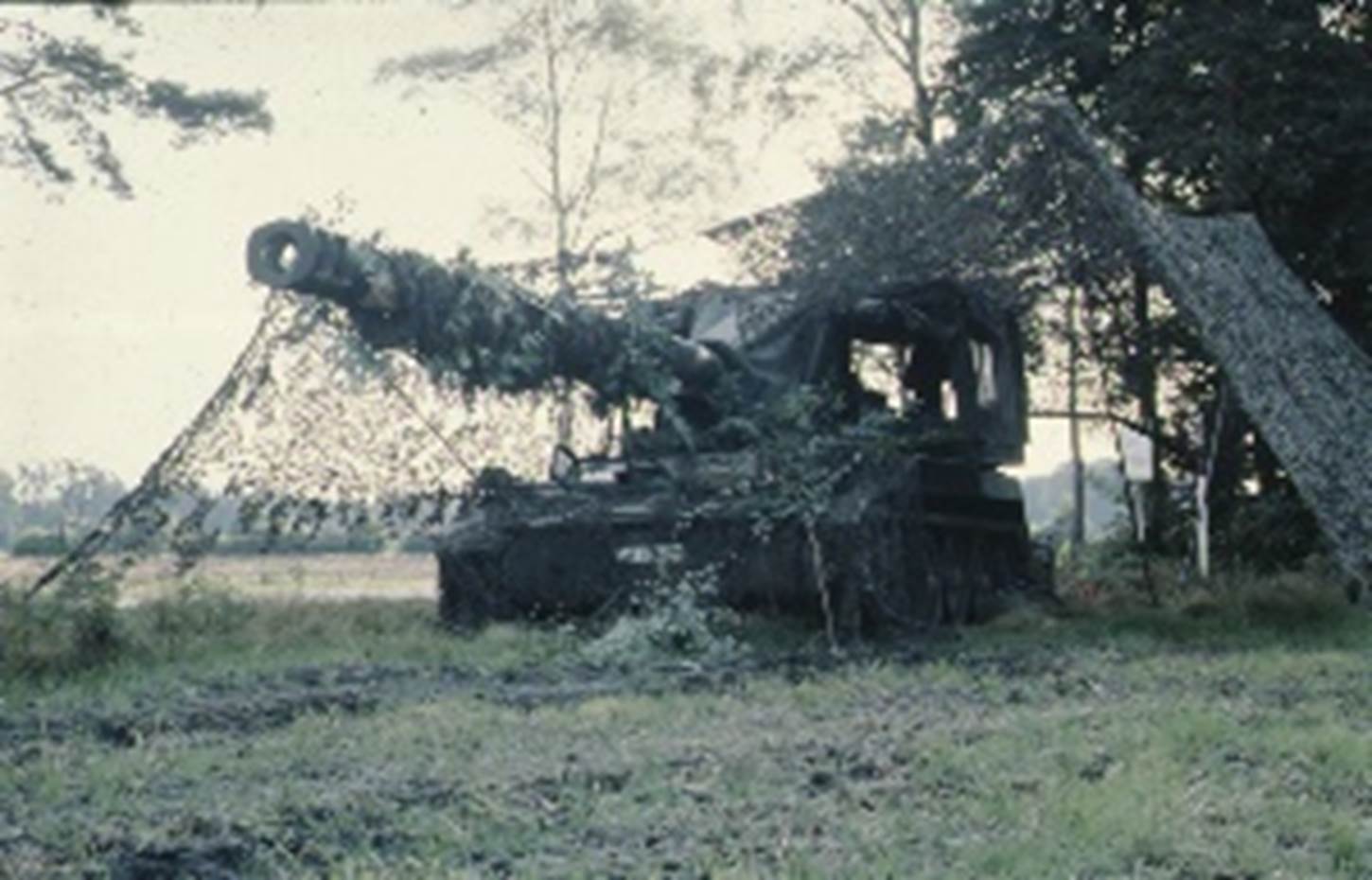
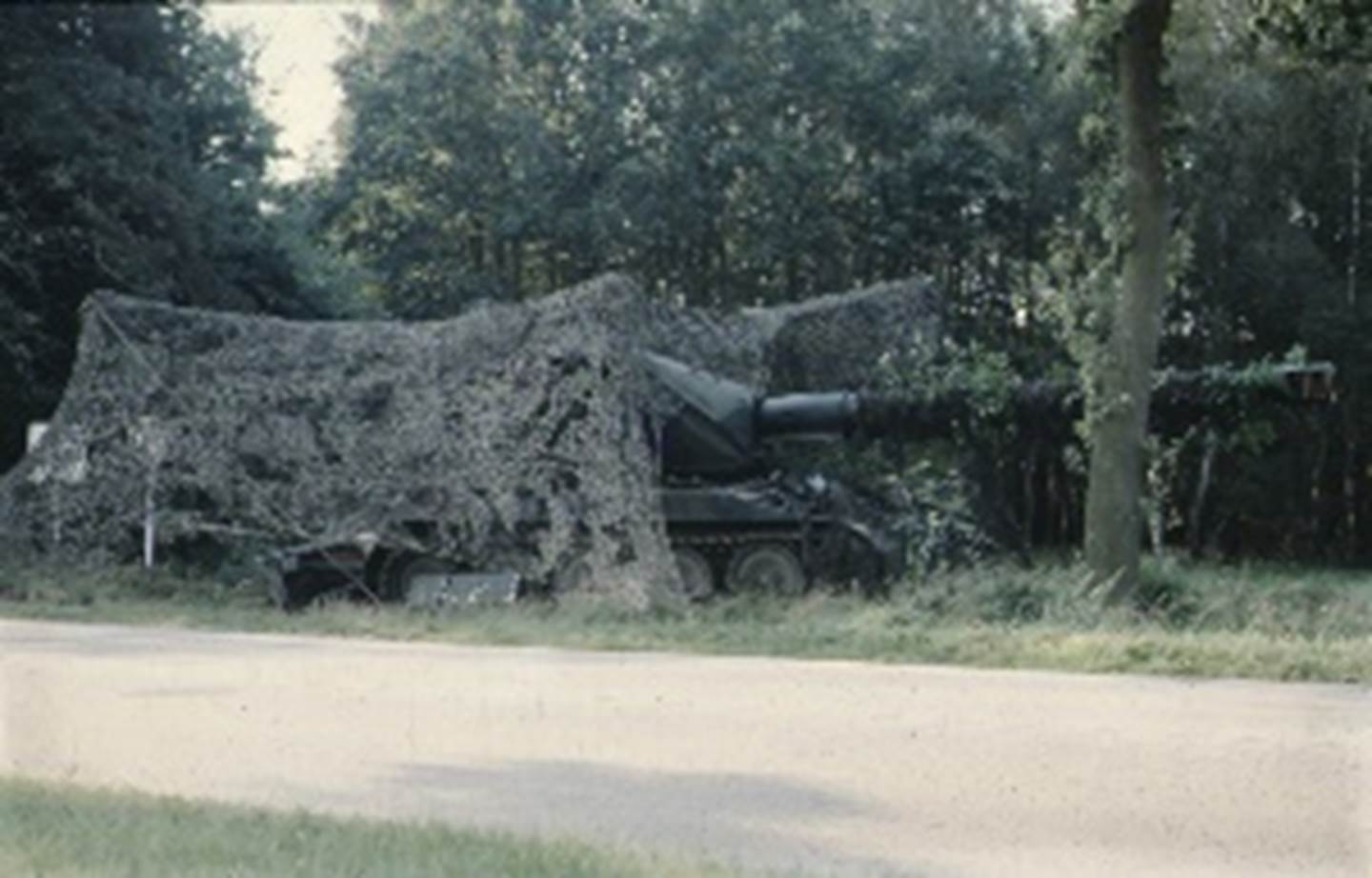
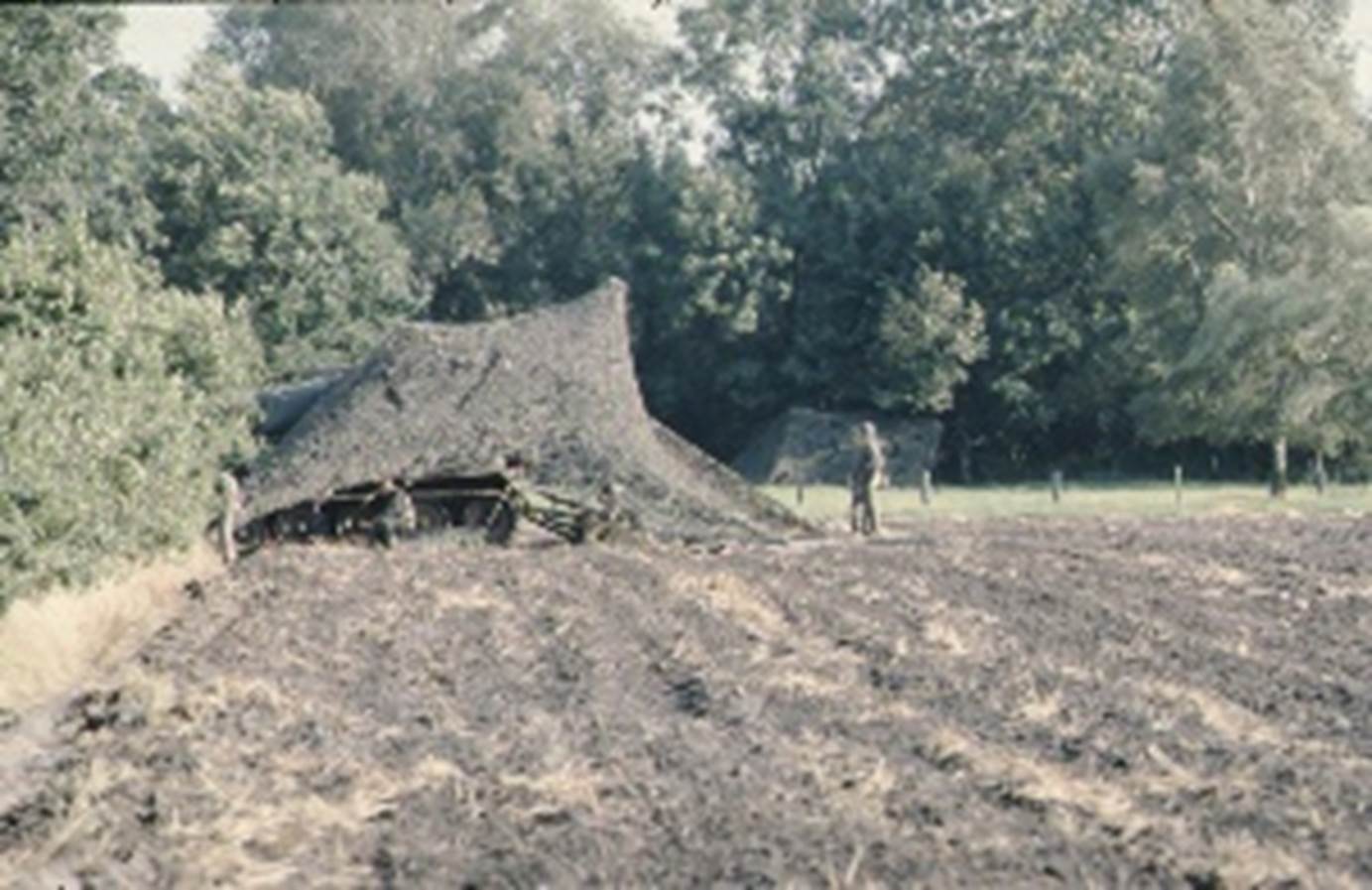
German
artillery piece
German 155mm gun
German artilery command post
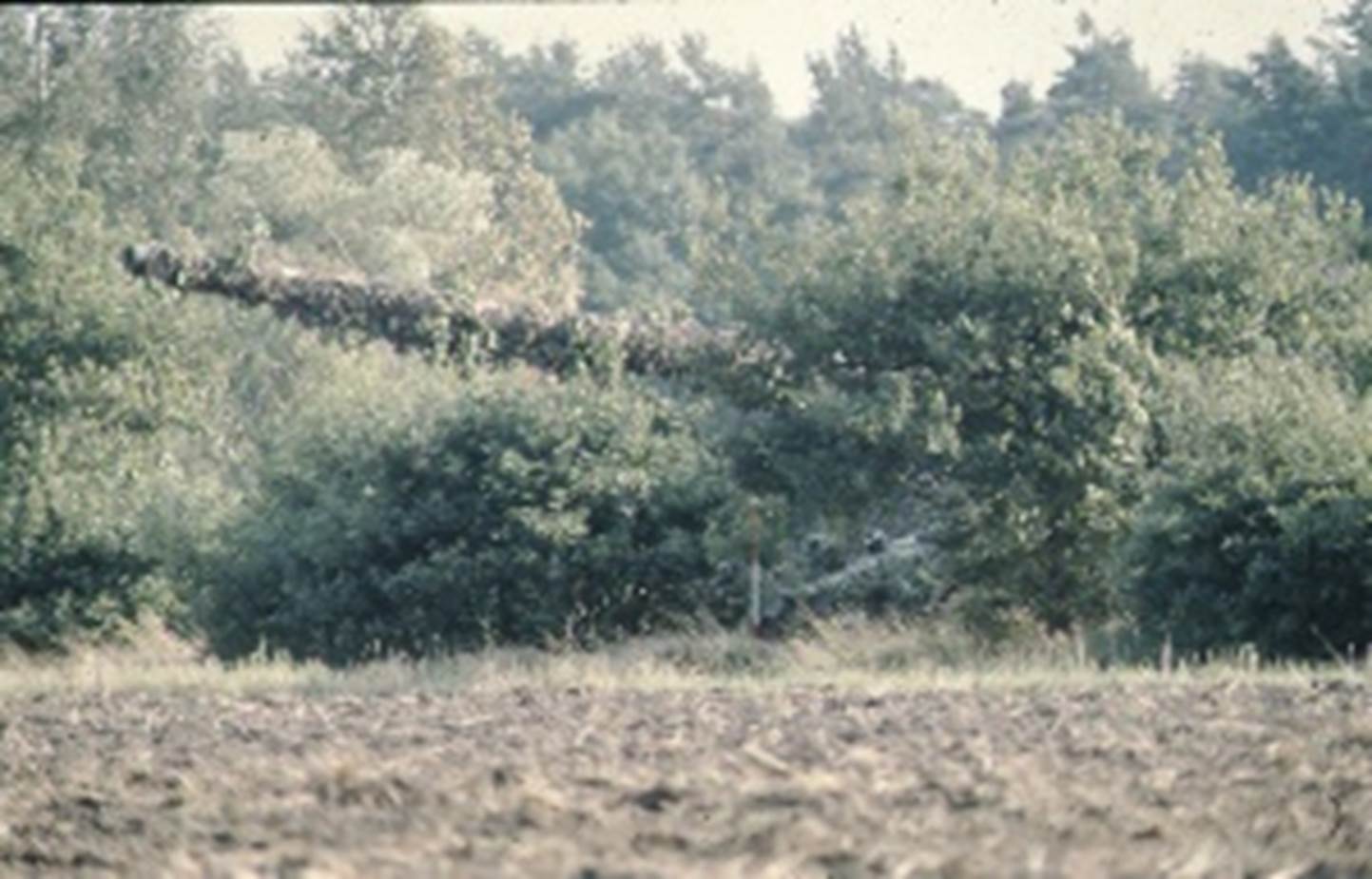
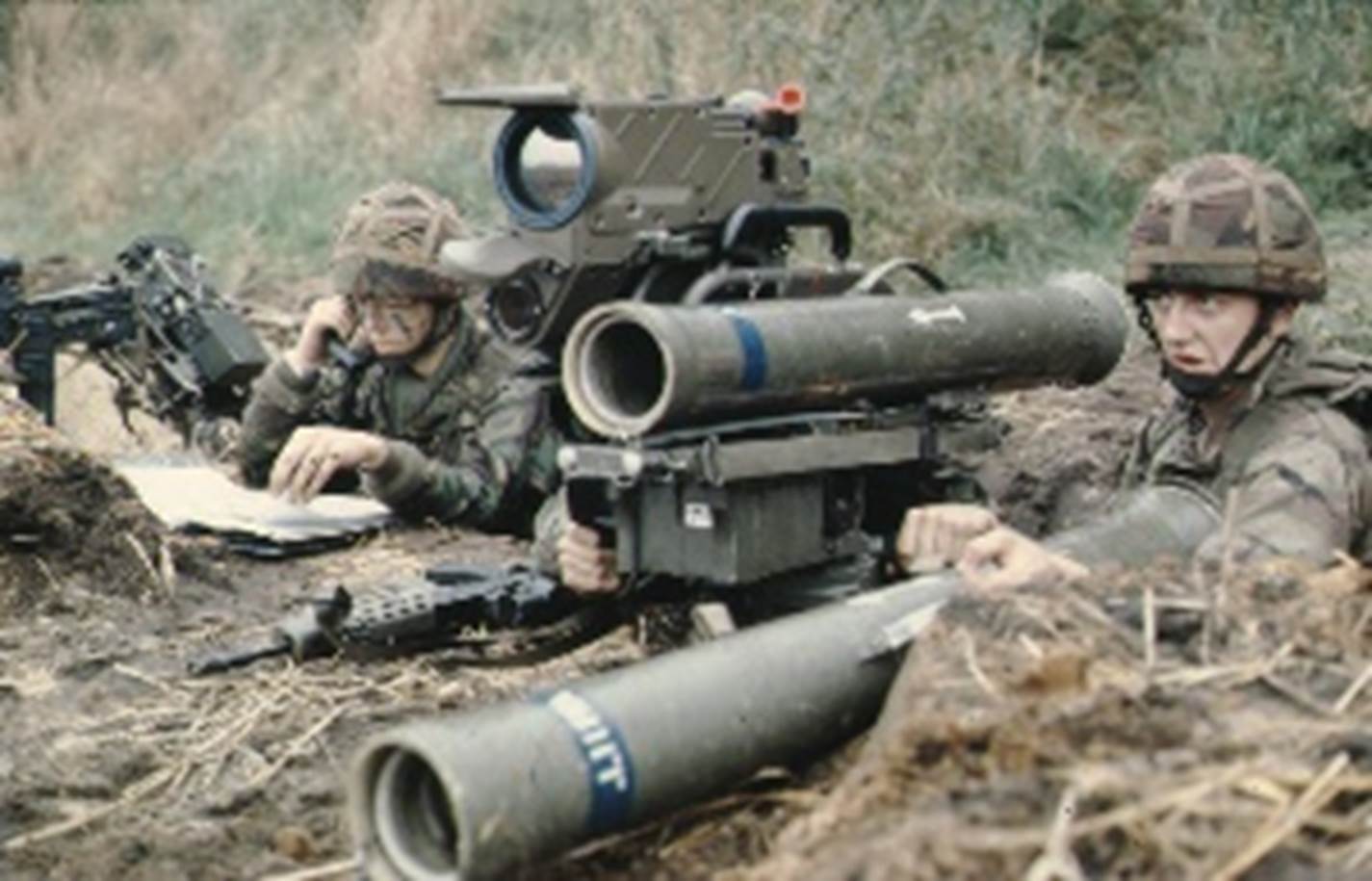
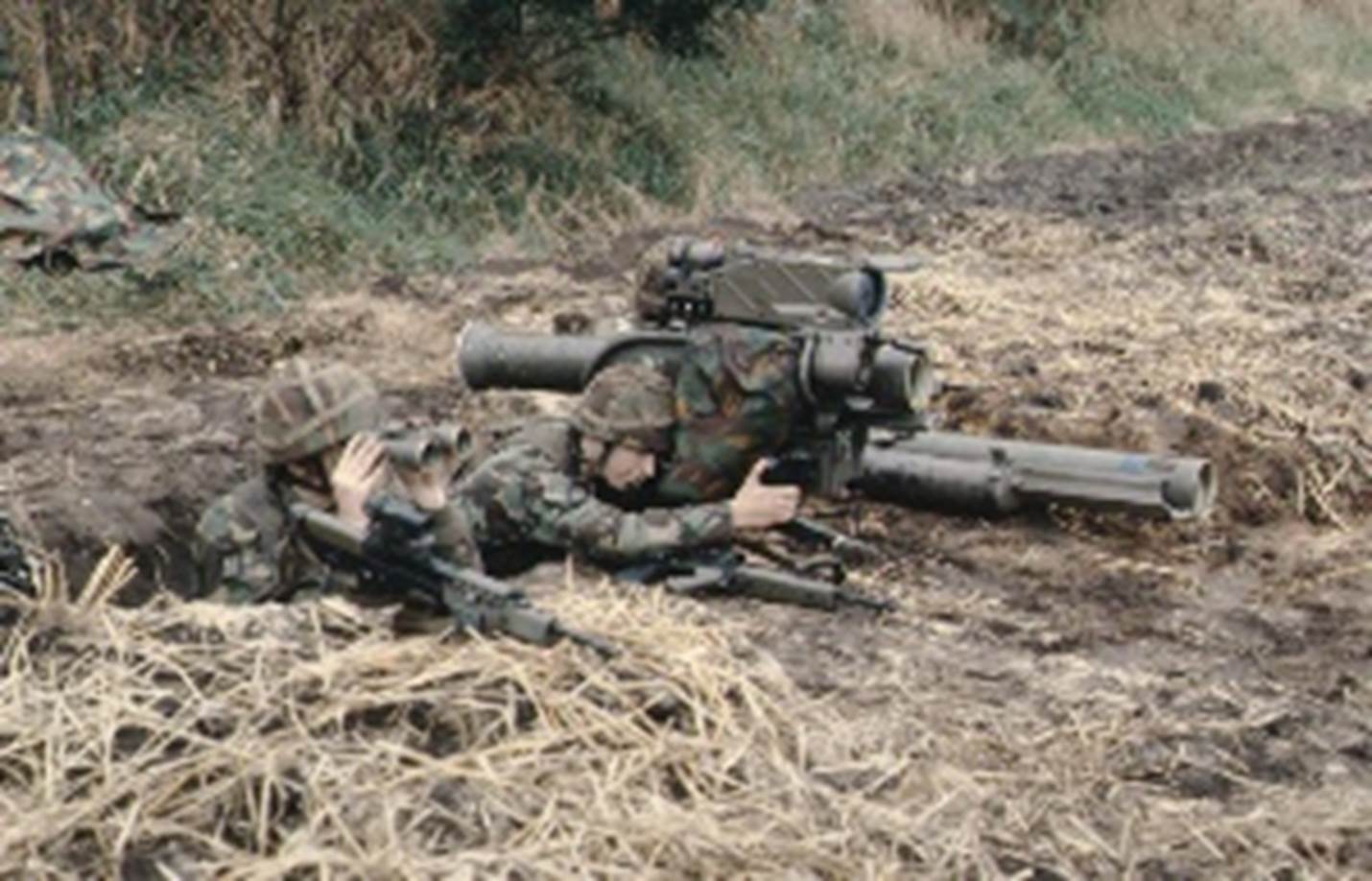
German
155mm gun
Grenadier Guards Milan
US
Scout
US Gun Tow US
Artillery Comand Post
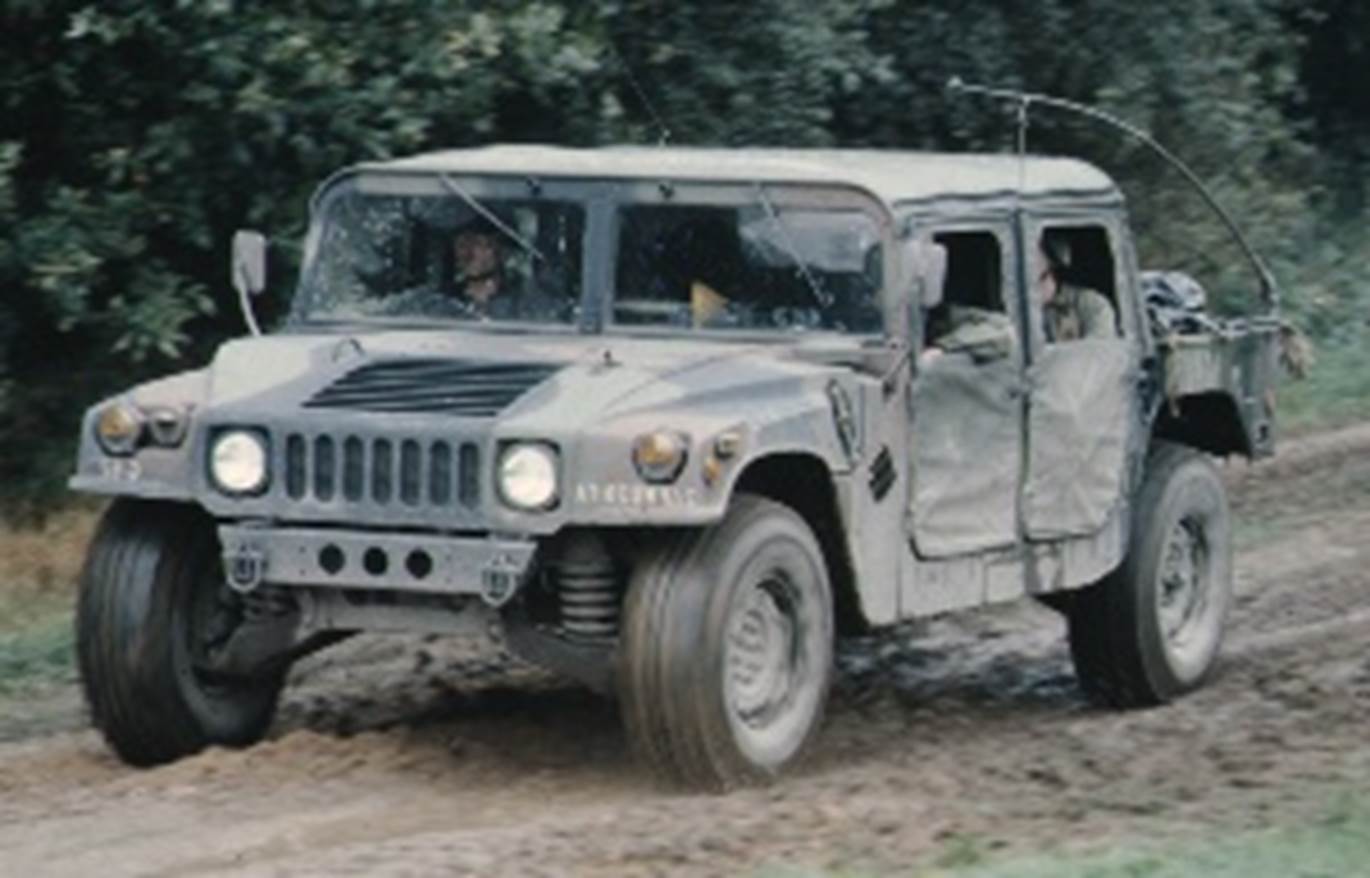
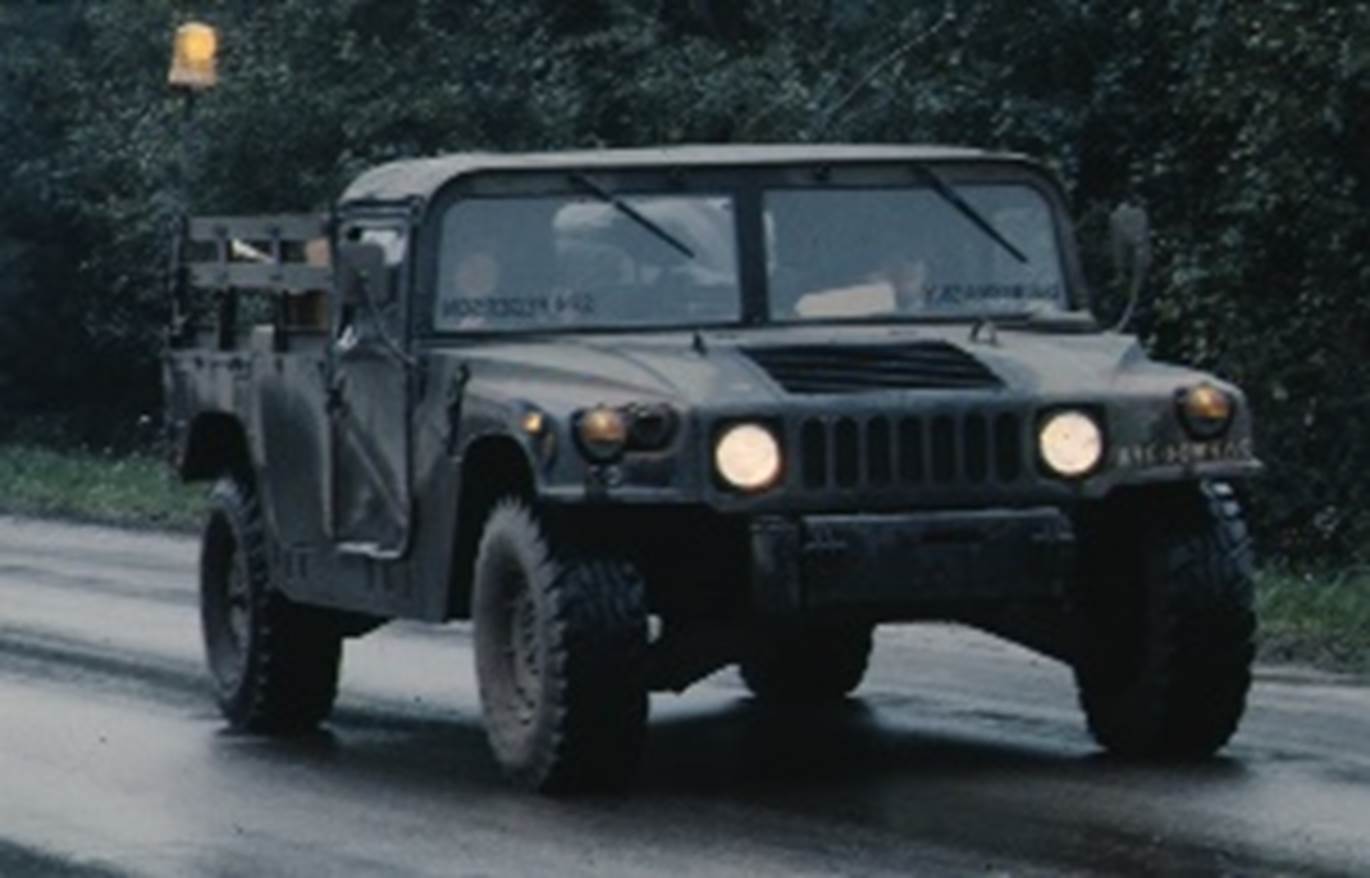
US Humvee
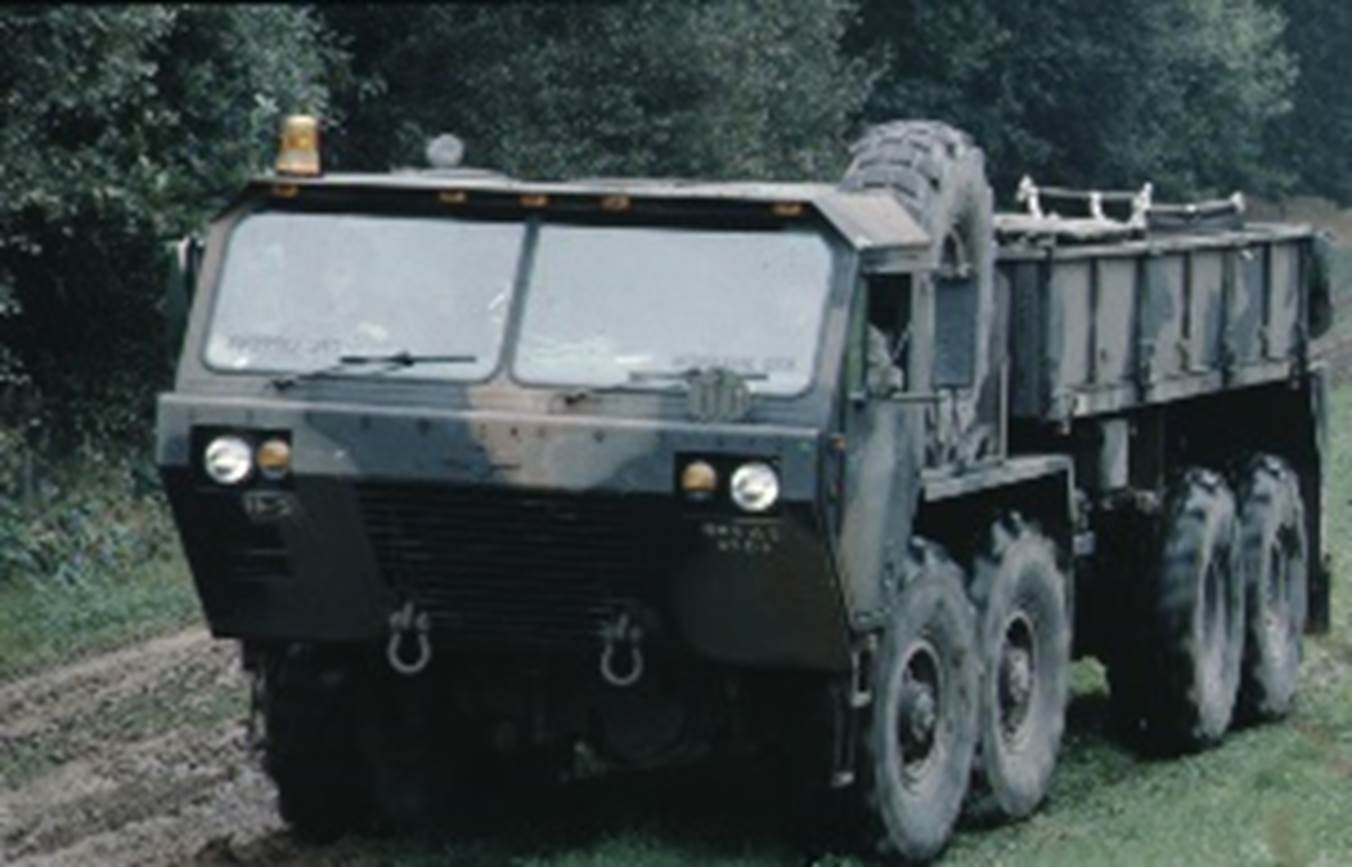
US Transport
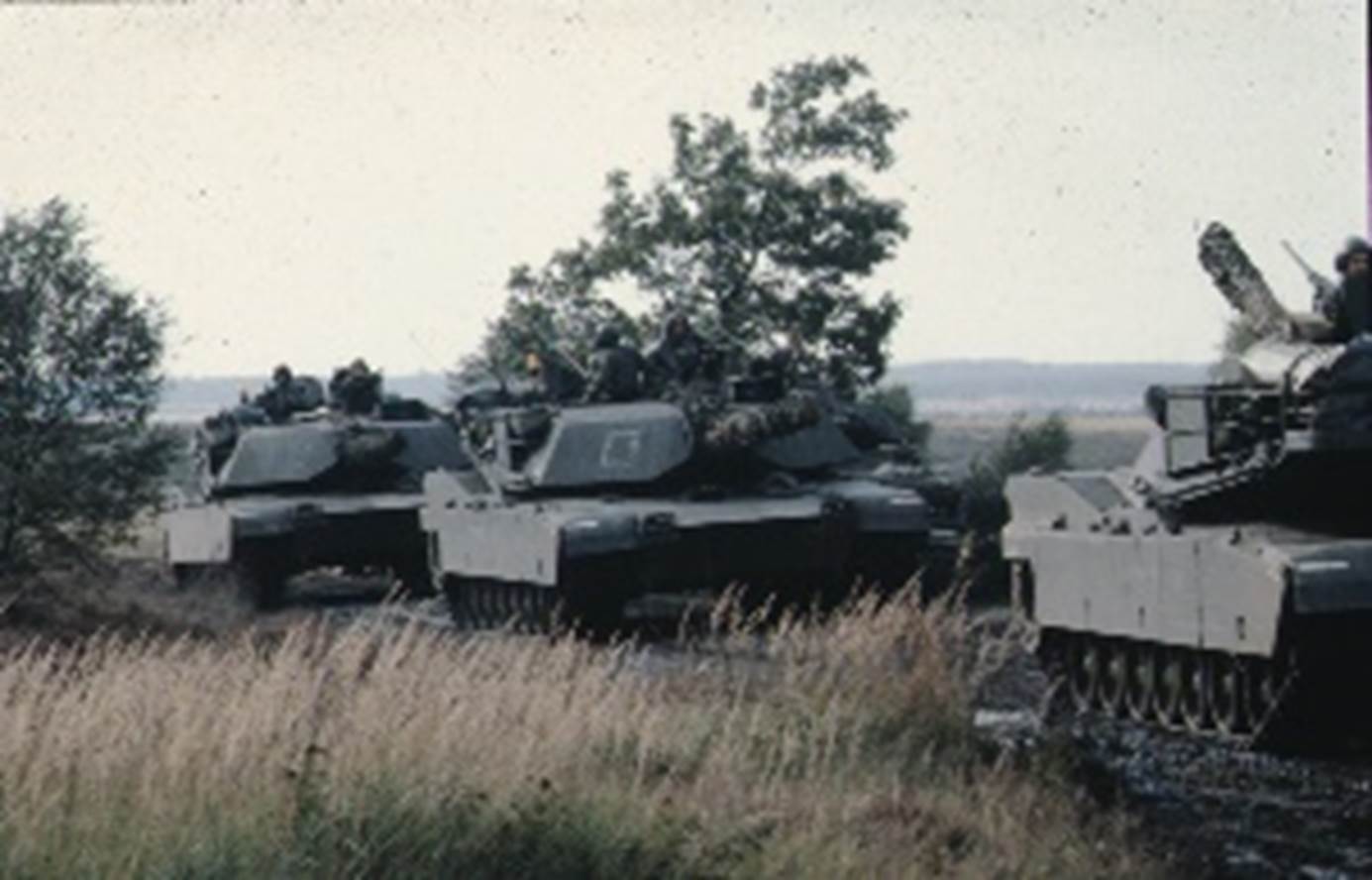
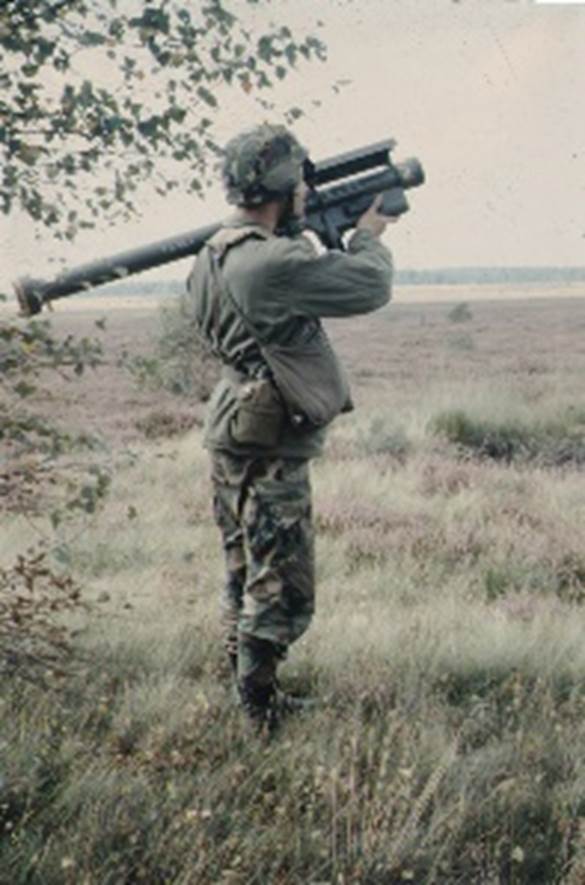
US
Armour
US Stinger AD
US First Cavalry
US
First Cavalry
Grenadier Guards armed with SA80
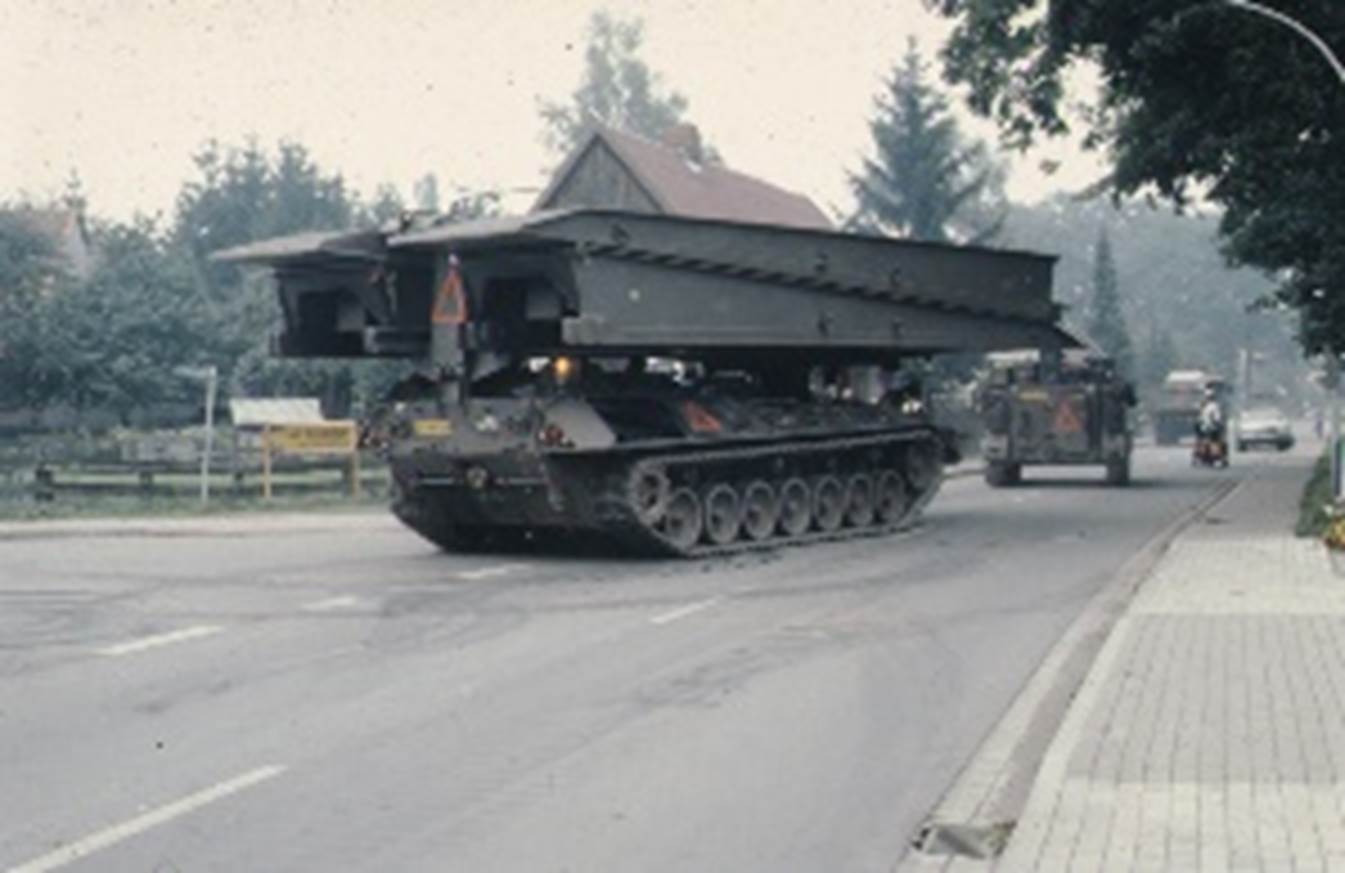
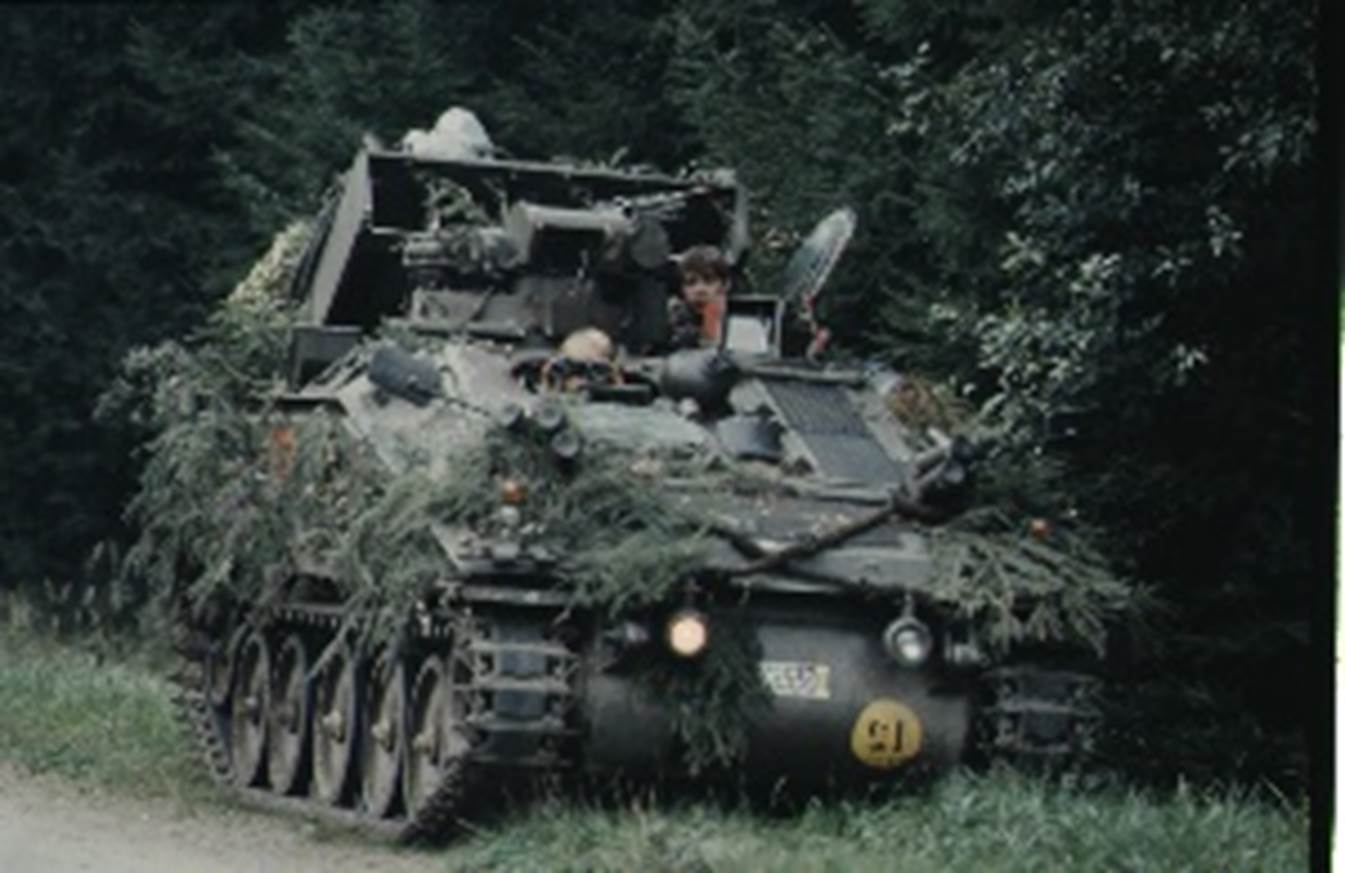
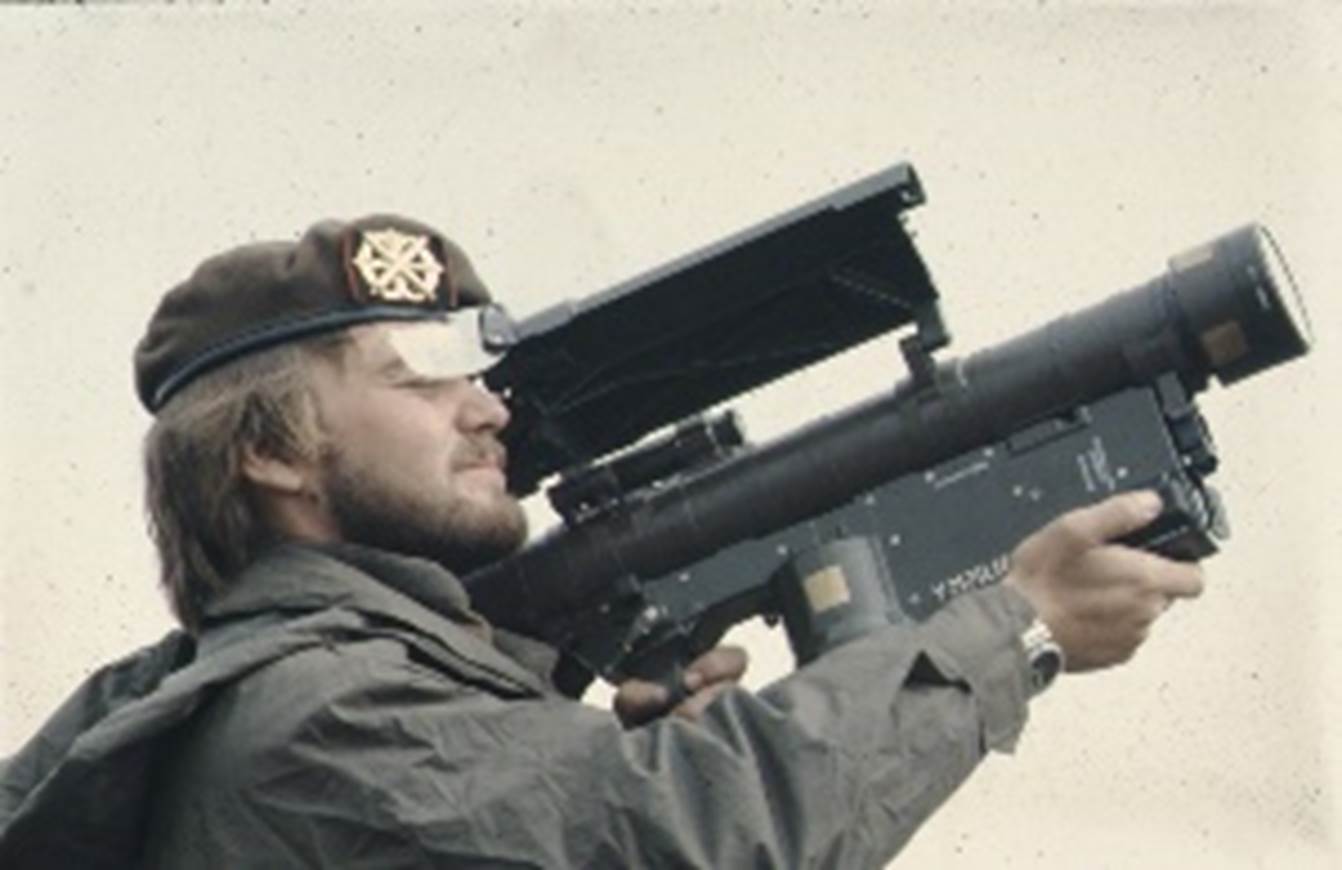
US
Bridgelayer
Belgian APC
Belgian Striker
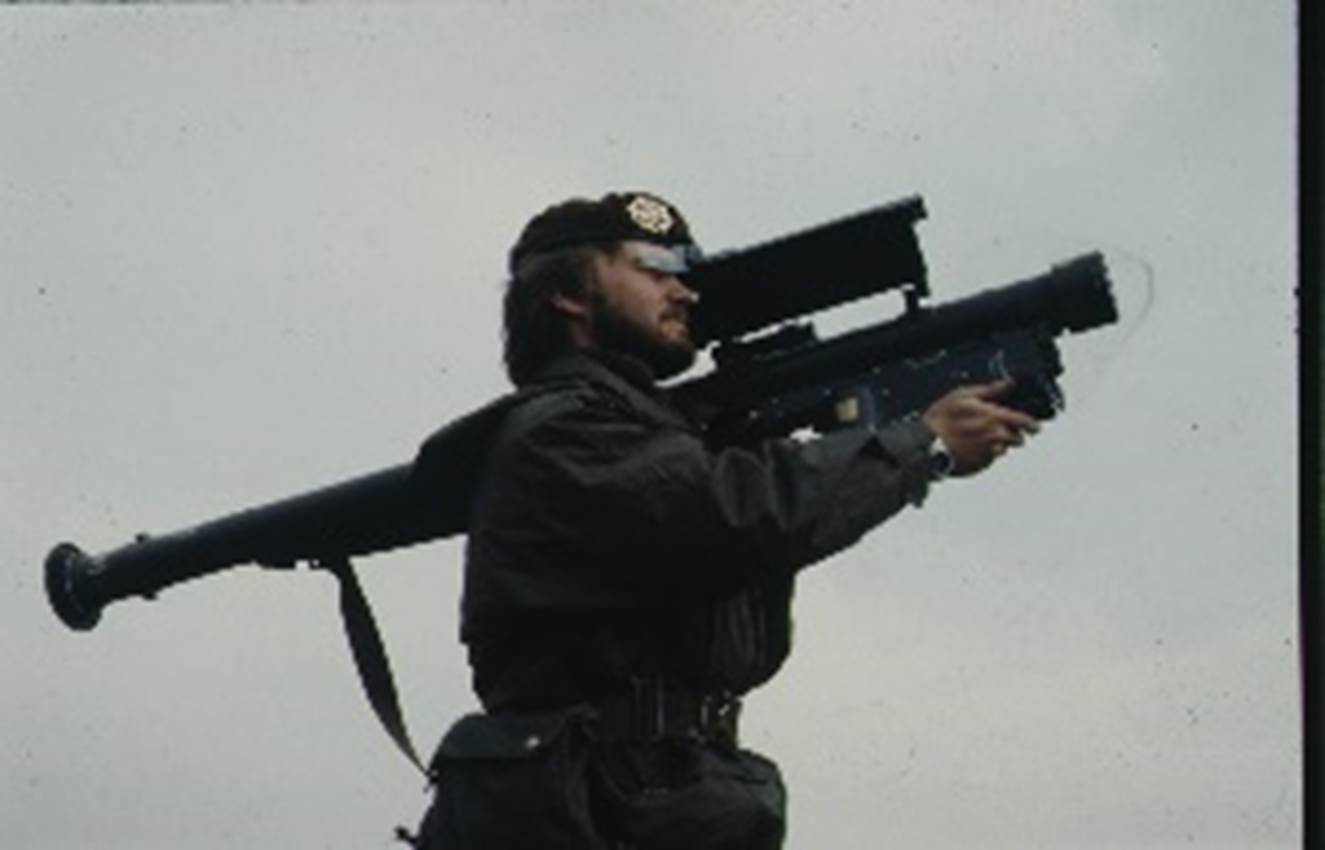
Belgian Striker
Dutch TOW
Belgian infantry
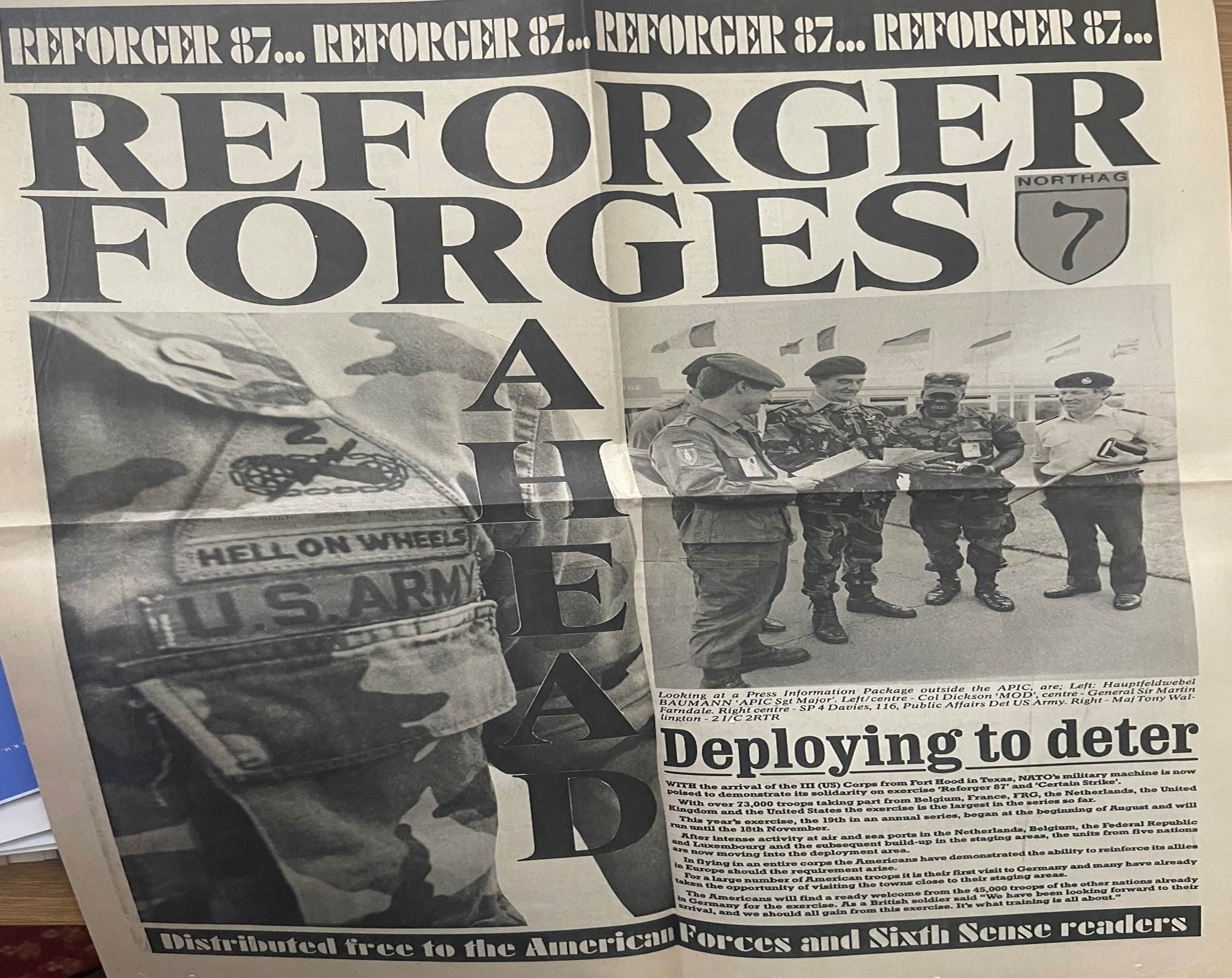
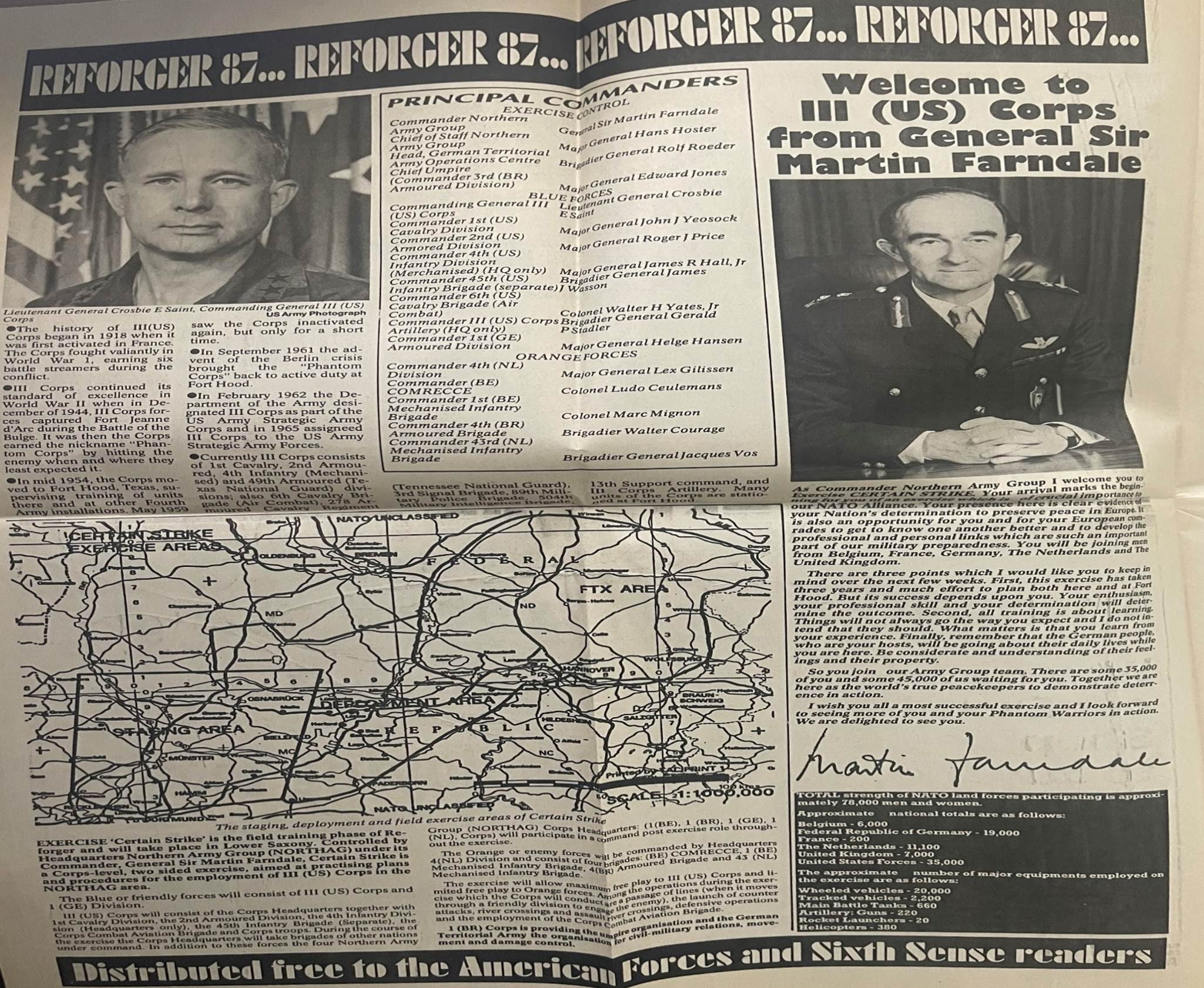
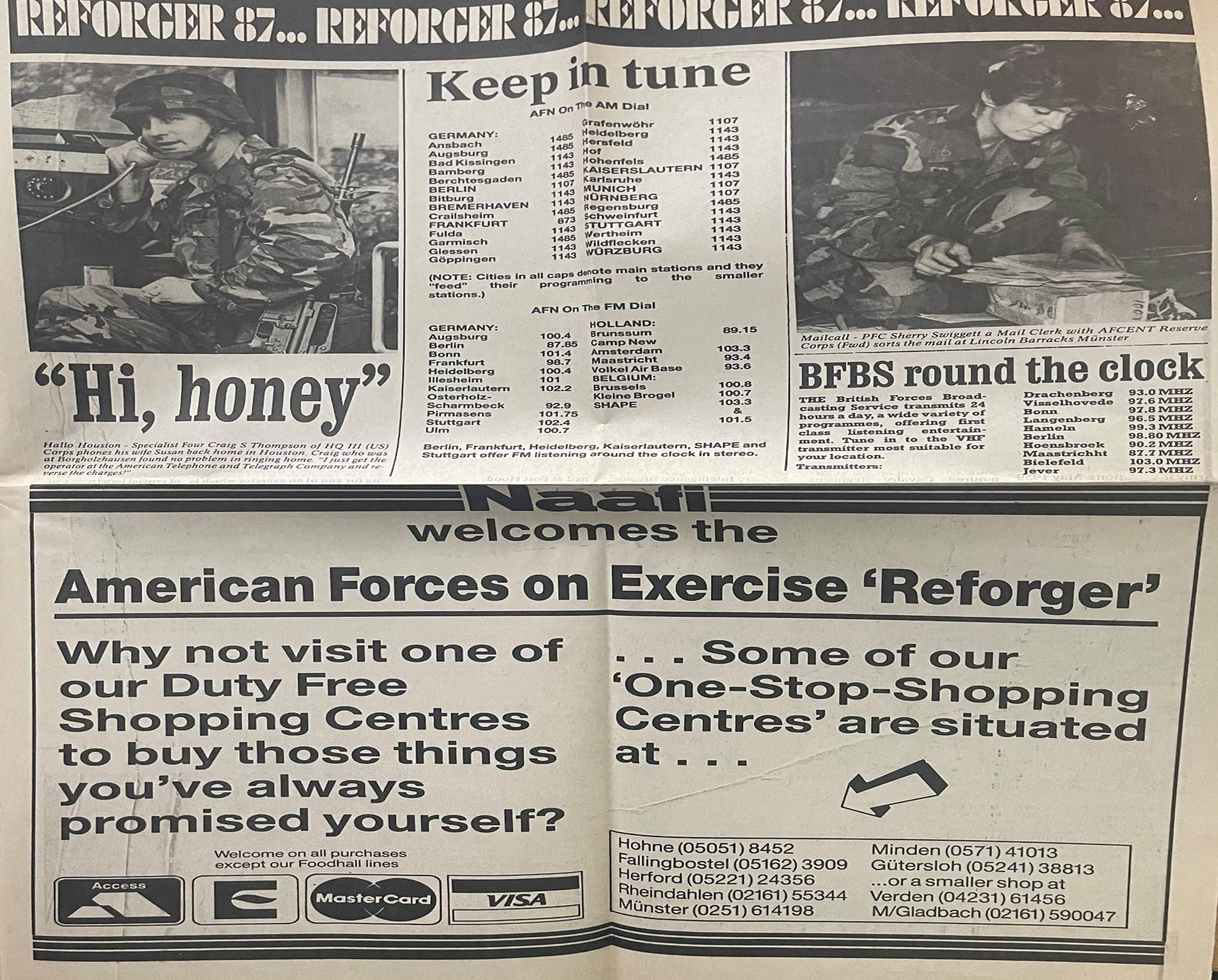
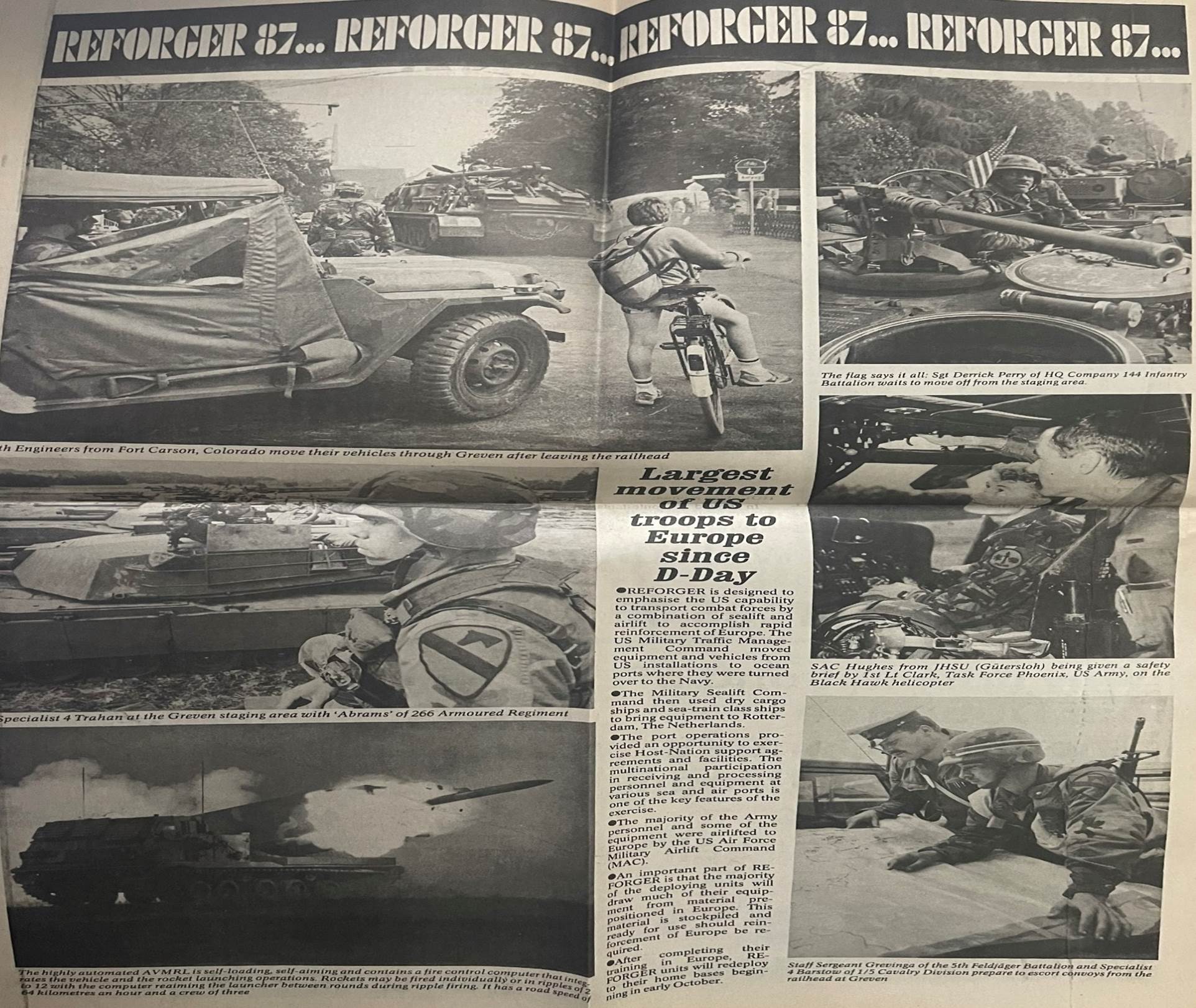
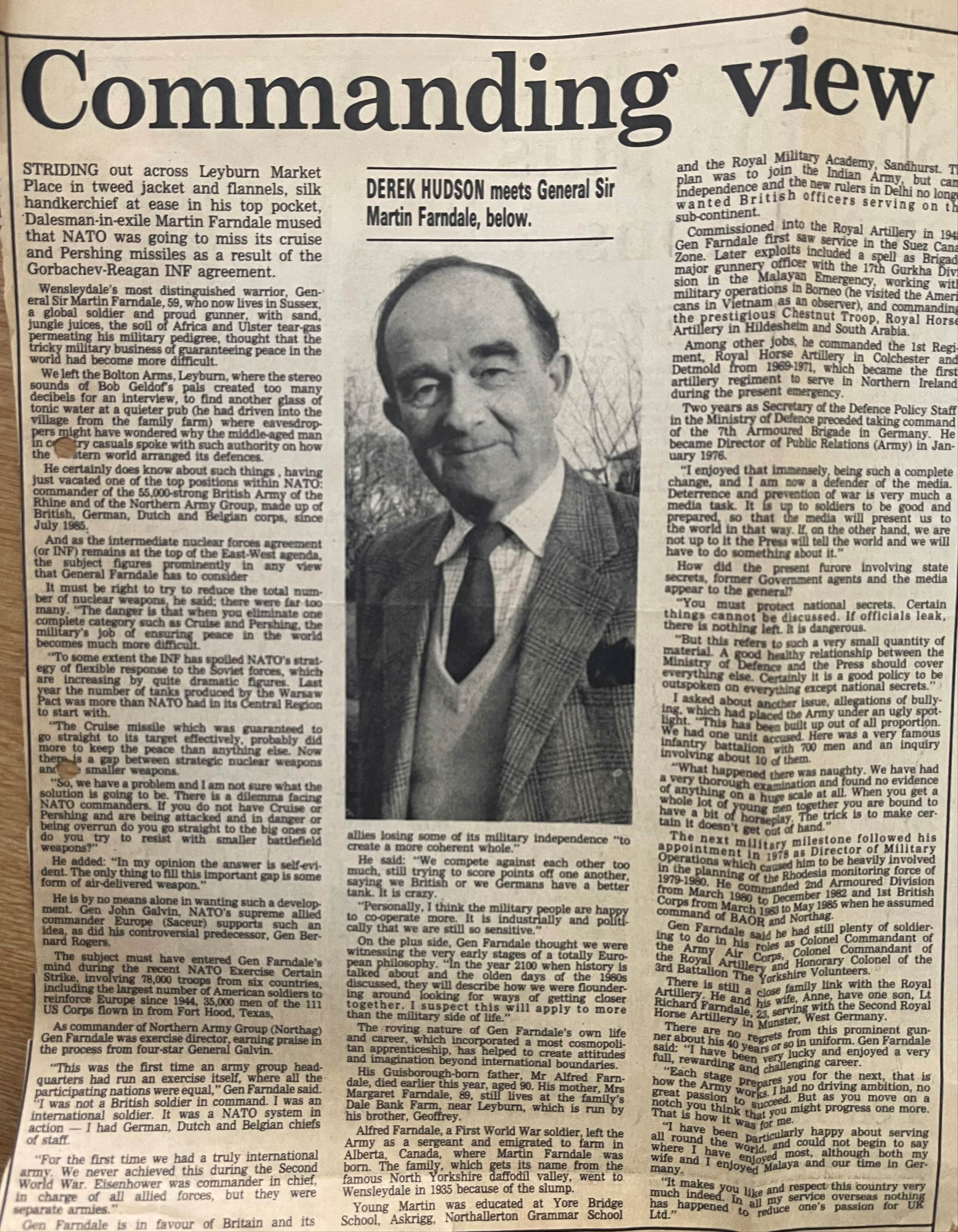
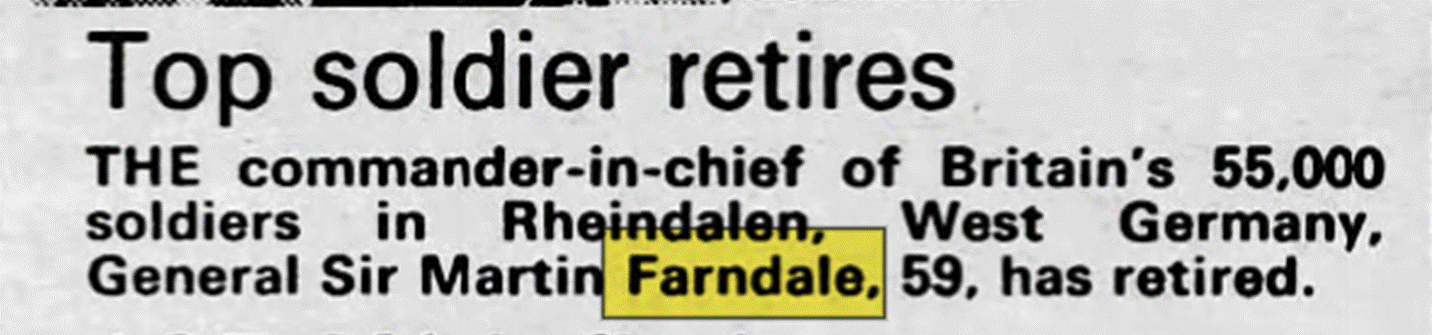
(Nottingham Evening Post, 31 Oct 1987,
Sat · Page 3)