c 1435
to c 1490
FAR00056A
|
Return to the Home Page of the Farndale Family
Website |
The story of one family’s journey through two
thousand years of British History |
The 83 family lines into which the family is divided.
Meet the whole family and how the wider family is related |
Members of the historical family ordered by date of
birth |
Links to other pages with historical research and
related material |
The story of the Bakers of Highfields, the Chapmans,
and other related families |
Dates are in red.
Hyperlinks to other pages are in dark blue.
Headlines are in brown.
References and citations are in turquoise.
Context and local history are in purple.
c 1435
William may have
been born in about 1435. It is possible that he was a grandson of Nicholas
Farndale of Doncaster (FAR00038A).
c 1480
William may have married
Rose Farndale in about 1480. It seems likely that William was older than Rose
Farndale. It is possible they were of the same line as the Doncaster family,
perhaps a descendant of Nicholas Farndale. Perhaps William was about 45 when he
married (quite old, and he died without children), and Rose Farndale might have
been much younger.
c 1490
William died, before
about 1495, perhaps in about 1490.
c 1495
There is a record
in the early pleadings and proceedings in the Court
of Chancery of a dispute by Rose Farndale against John Reignold between 1493 to 1500 (the
exact year within these dates is still to be ascertained). The original
Document is available at the National Archives at
Kew, reference C 1/201/47. In the case Farndale v Reignold,
the Plaintiff was Rose Farndale, late
the wife of William Farndale. The Defendant was John Reignold,
of Dodynghurst. The case concerned a tenement and
land in Dodynghurst. Essex.
Rose’a case was that John
Reignold had sold three tenements of land to William Farndale
for an agreed sum which had been paid. The three tenements were:
· The Whitefeldes tenement with a garden and two fields
· The Hornefeld tenement; and
· The Barnefeld tenement.
Before the land
had been transferred William wrote his will in which he provided that his wife,
Rose Farndale and her heirs should have the disputed land.
Given the legacy
to Rose Farndale and her heirs, it seems likely that William and Rose did not
have children of their own when he died, but William was passing the land to
his wife and to any family she may have in future.
It seems quite
likely that William Farndale was older than Rose Farndale, perhaps by many
years.
It appears that
William Farndale had then died and Rose Farndale had required John Reignold to pass the estate of the premises to her. However
he refused and instead entered into the disputed lands and occupied them contrary
to all reason and conscience.
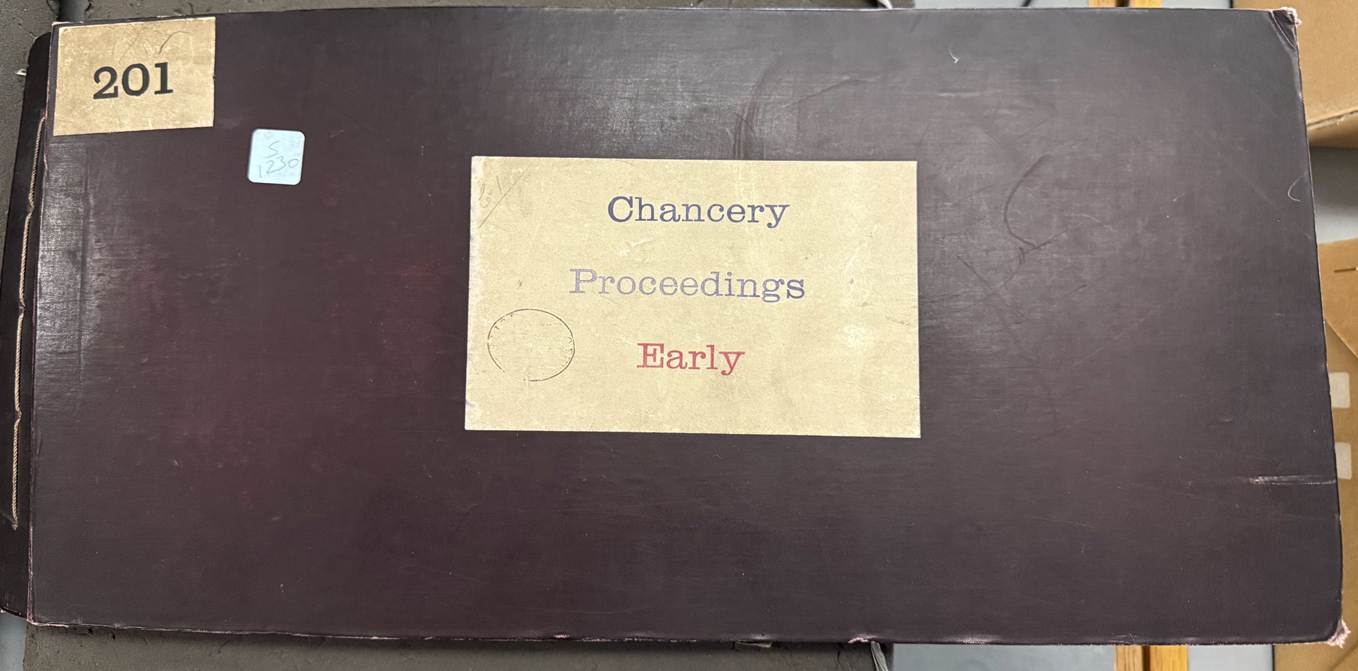
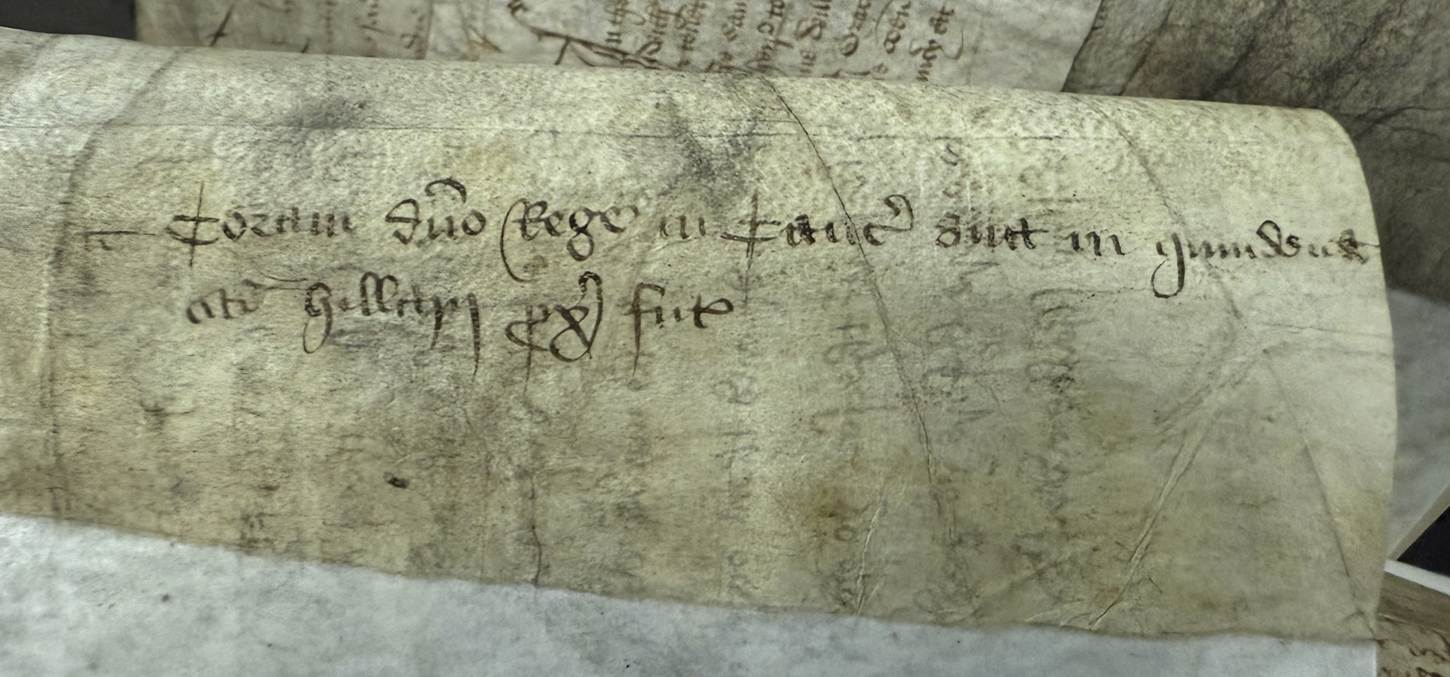
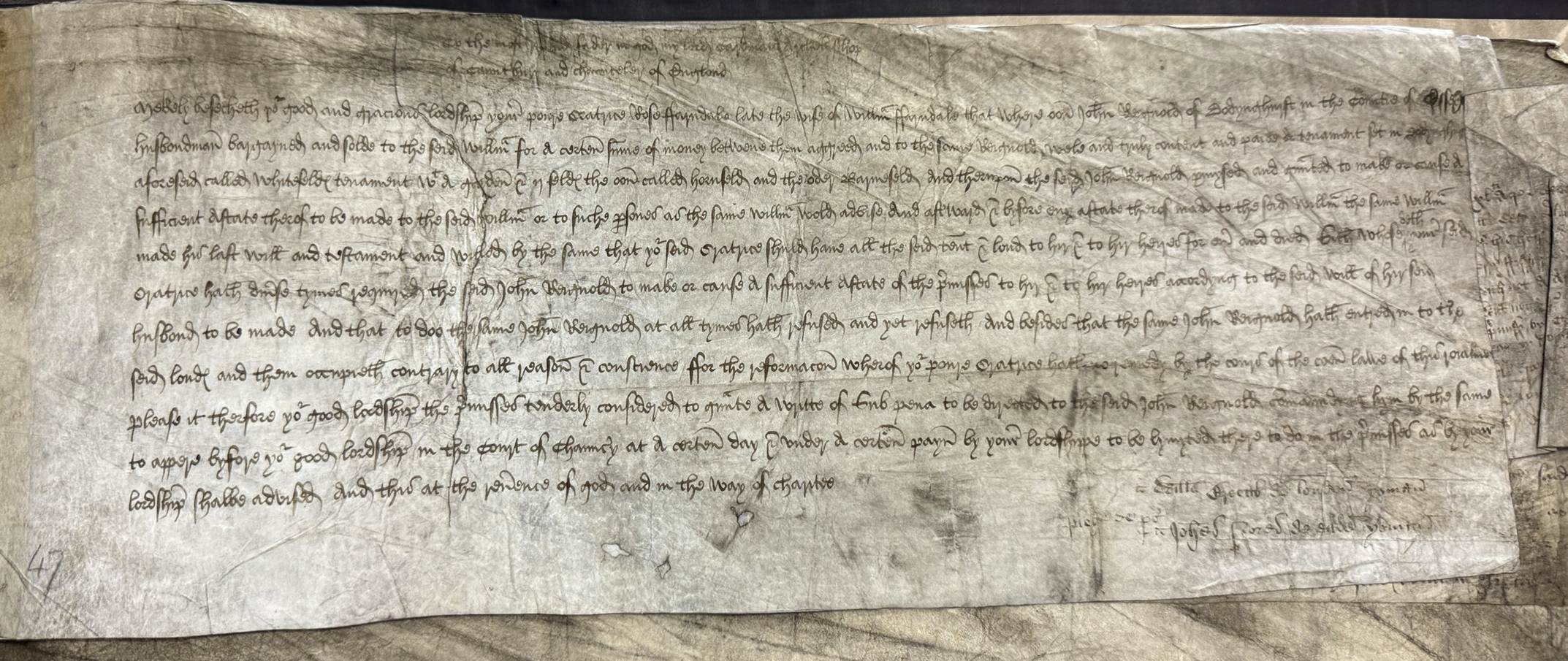

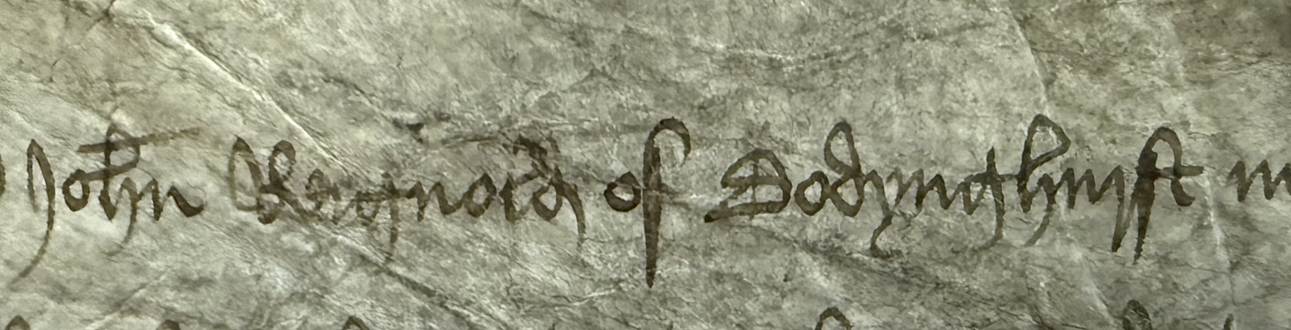
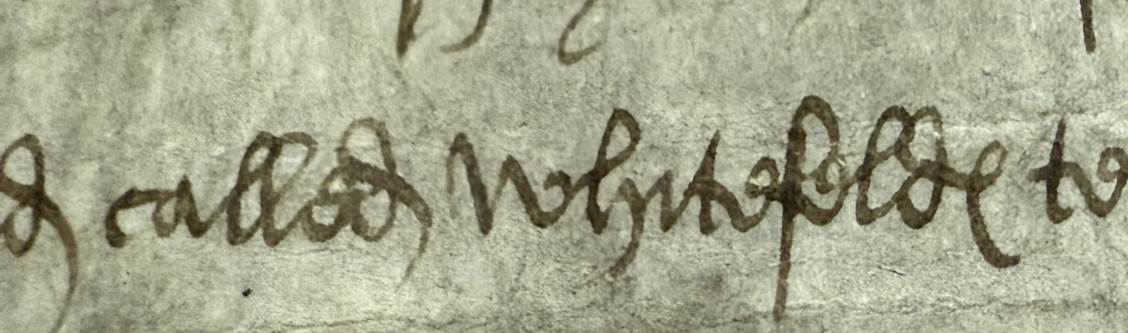
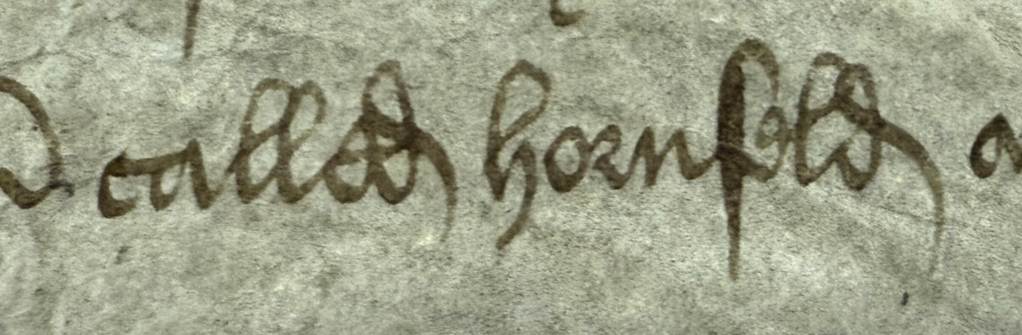
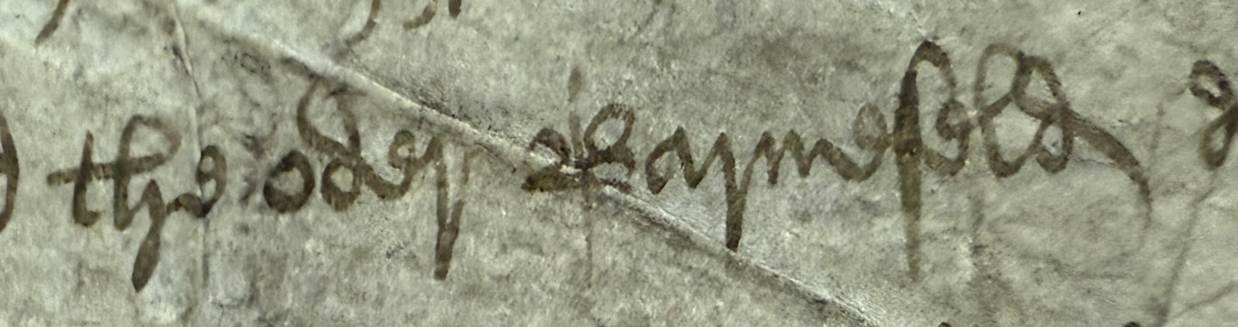
The text, written
in English, reads To The Archbishop of Canterbury and Chancellor of England.
Rose Farndale, plaintiff, late wife of William Farndale that John Reignold of Dodynghurst, Co
Essex, husbandman, sold to said William for a sum agreed and paid, a
tenement set in Dodynghurst aforesaid, called Whitefeldes ‘tenement’ with a garden and two fields, one
called Hornefeld and the other Barnefeld
and the said john Reignold promised to make
‘sufficient estate thereof’ to said William or to whom he would advise; before
any estate made thereof the same William made his will by which he
willed that the plaintiff should have the said tenement and land to her and her
heirs for ever. Since his death the plaintiff has required said John Reignold to make estate of the premises to her and to
her heirs and he has refused and has entered into the said lands and occupies
them contrary to all reason and conscience.
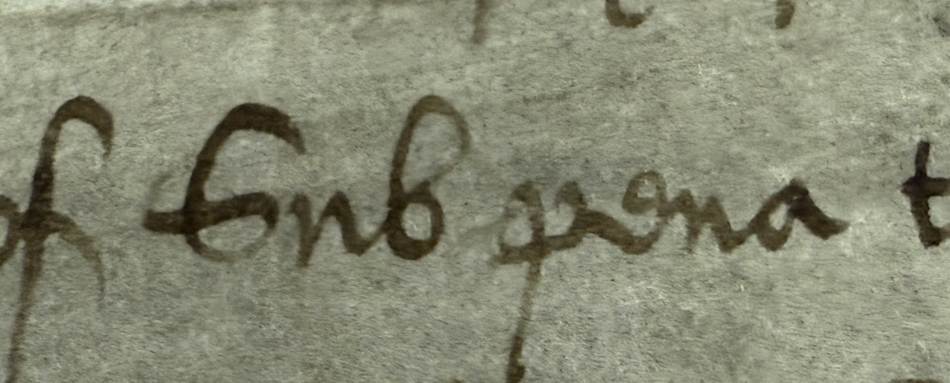
There is a section
below after all reason and conscience, which is still
to be transcribed.

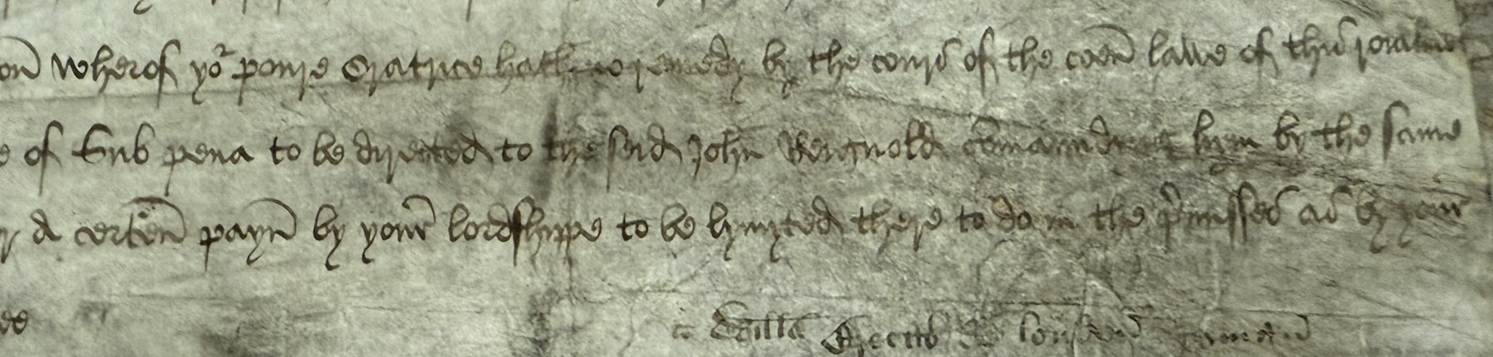
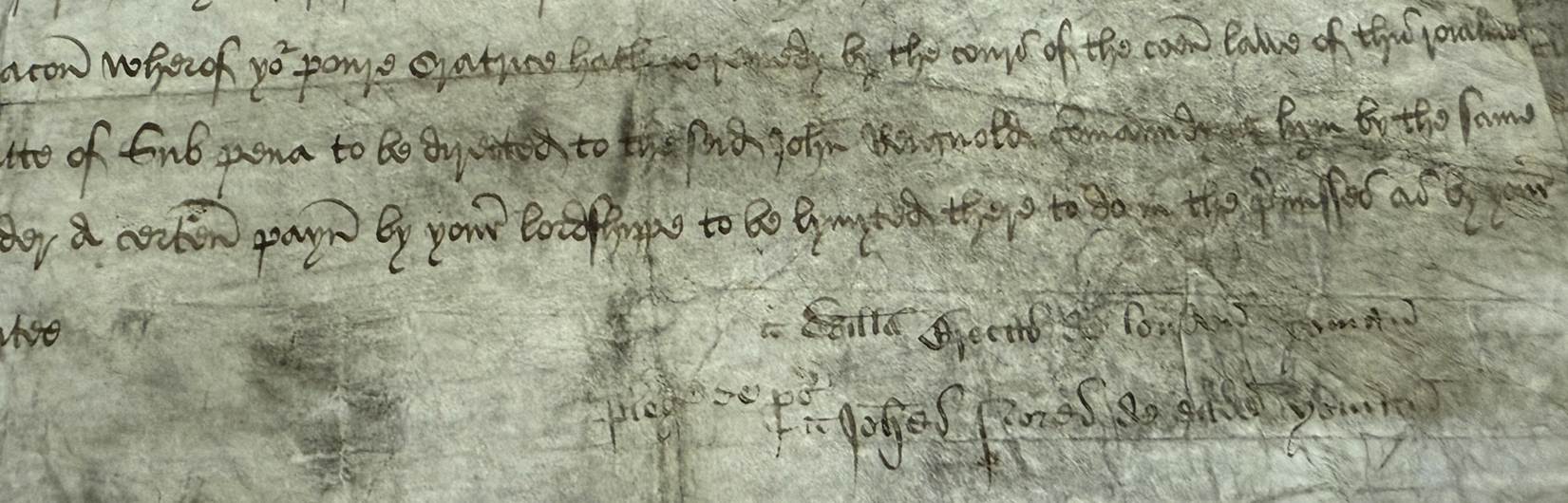
There is
reference to pledges for the Prosecution by William Brecas
of London, Yeoman, and John Nores of the same, Yeoman. Written on dorse; Before
the Lord King in His Chancery in the quindene of St
Hilary next. (No answer recorded).
Doddinghurst is a village and civil parish
in the Borough of Brentwood, in south Essex. It is 3 miles (5 km) to the north
of Brentwood.