A History of Campsall
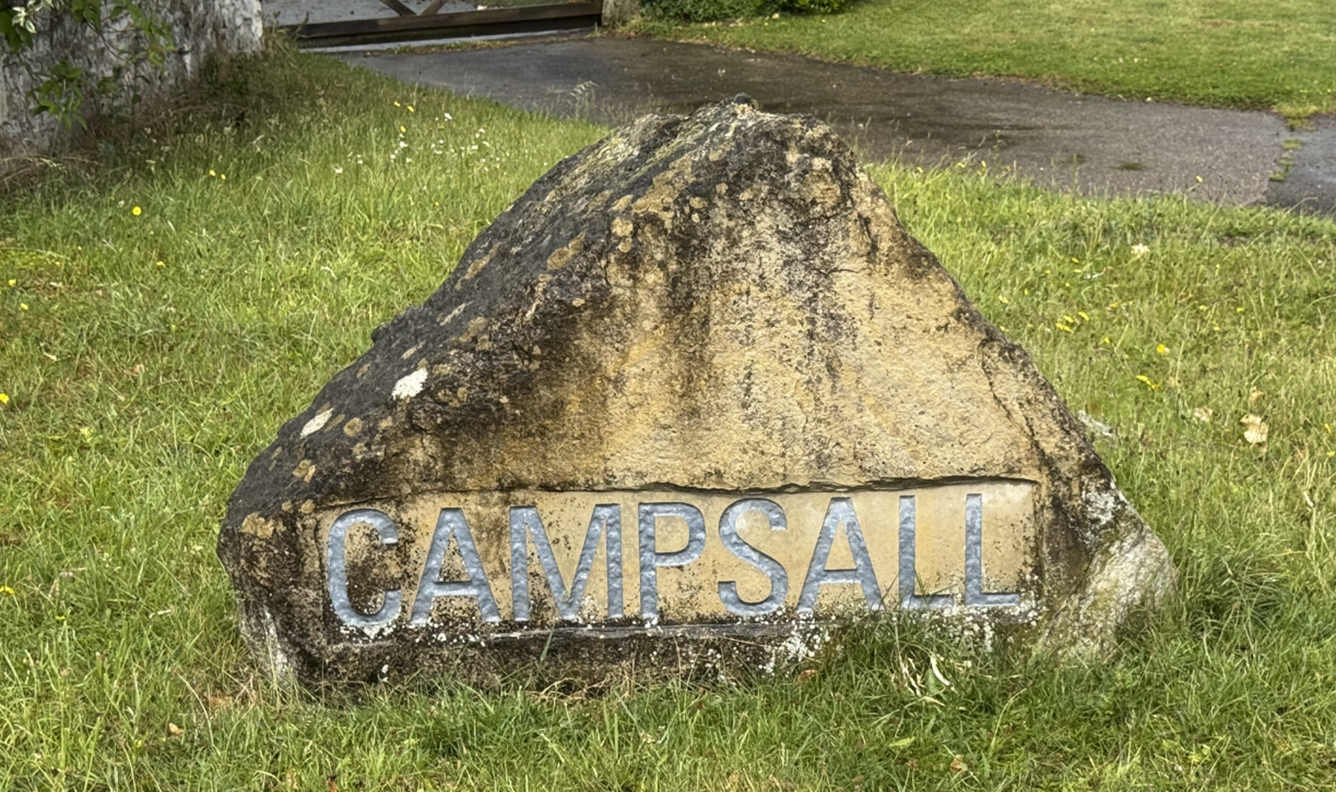
The history of the village of
Campsall north of Doncaster, where we find our ancestors in the sixteenth
century
Settlement
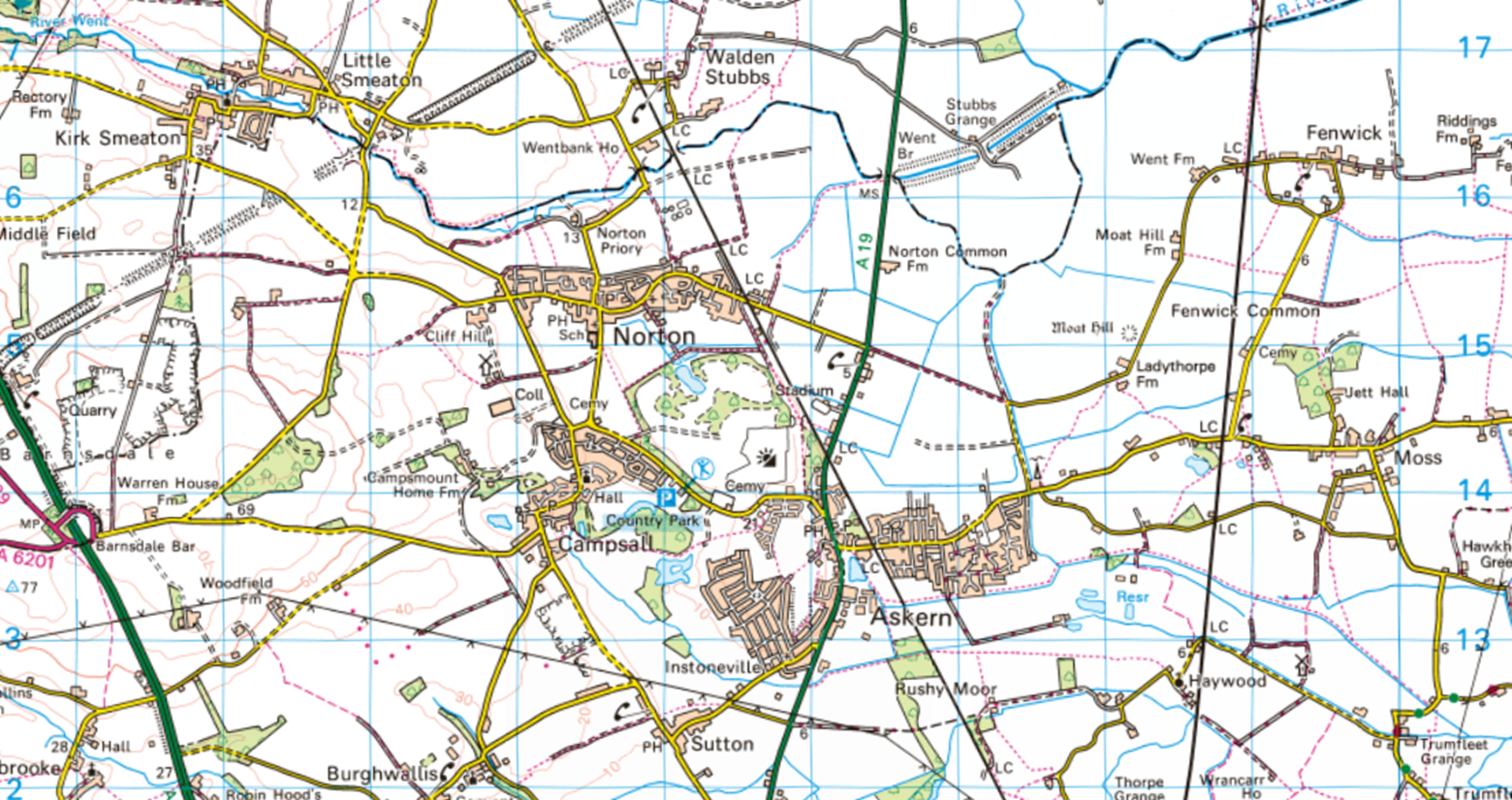
Perhaps by
the end of the First Century CE, the advancing Roman army had constructed up to
three fortifications
at Burghwallis, about two kilometres southwest of Campsall
where the A1, the once Roman Road from Danum (Doncaster) and Lindum
(Lincoln), crossed the small River Skell, close to where Robin Hood’s Well is
today. A larger fort spread across about five acres and a smaller over about
4.6 acres. The stretch of road between Doncaster and Castleford is not visible
today, though Daniel Defoe wrote in his Tour through the Whole Island of
Great of Britain between 1724 to 1727 that he rode five or six miles out
of our way over Barnsdale in order to see the great Roman causeway which runs
across the moor from Doncaster to Castleford.
The area
around modern Doncaster remained forested until it started to be cleared in the
late Saxon period. At some stage perhaps from late Saxon times, areas were
cleared for settlement in the process called assarting (slash and burn). The
growth of population and villages, including Campsall and Loversall, by the time of Edward the
Confessor suggest that assarting had been pursued vigorously by that time.
There were about 170 vills of human settlement
by the late Saxon period.
Settlement
was sometimes the result of the need to cross a watercourse, where permanent
crossing points were found. Sometimes settlement might have been no more than
the inclination of a family to settle on land, which later grew into a larger
habitation.
This
informal process of settlement was soon replaced by greater control by the
elite class who came to own large estates. They required to recognise (and
therefore control) rights of occupancy of land. Thereafter it was no longer
open to every citizen to clear woodland for his own use since, well before the
Norman Conquest, a right had been recognised in overlordship. Saxon lords came
to surround themselves with dependents who held portions of land from him, in
return for rendering services. This is reflected in culture, in such tales as Beowulf, which focused a desire to live
within the protection of the elite class, as protection against the perils of
unsettled places.
By the turn
of the first millennium, Dadesley (now Tickhill) and Doncaster had emerged as
burgesses or small urban centres. Other centres were also emerging including
Campsall, which was valued at £5 in a census of Edward the Confessor, being one
of the larger settlements.
The larger
seats of population came to be governed under the authority of a bors holder who was elected at a general
assembly. Townships were grouped in tens under a hundreder,
a superior officer who held courts. These hundreds came to be called wapentakes
in the areas to the north. Doncaster
and Loversall fell within the Wapentake
of Strafford. Campsall fell within the Wapentake of Osgodcross.
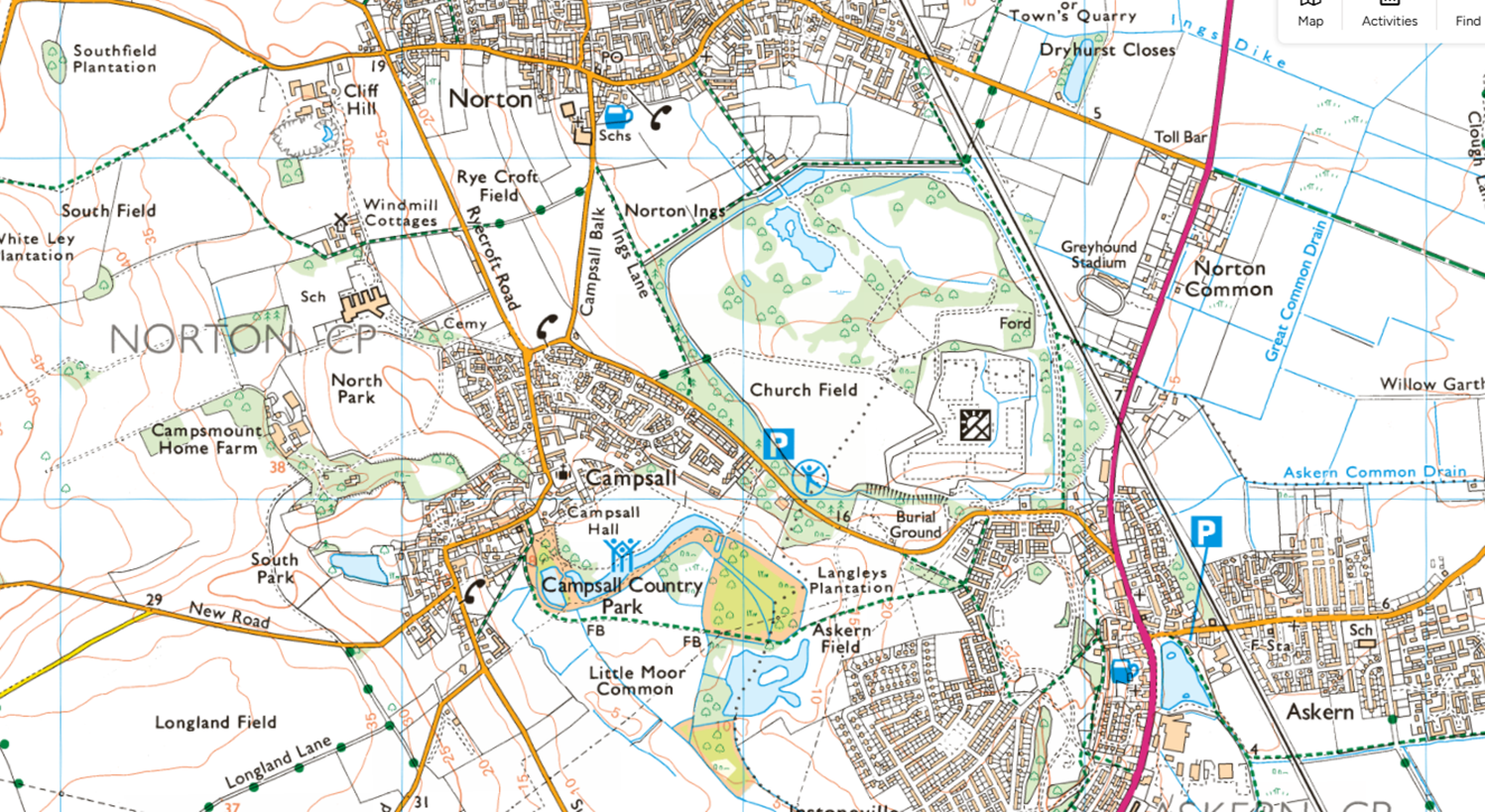
From early
times the parish of Campsall consisted of six townships or hamlets of Campsall,
Askern, Fenwick, Moss, Norton and Sutton.
Norman
Campsall
At the time
of the Domesday
survey in 1086, the area was in the possession of Ilbert de Lacy, the
founder of Pontefract Castle. Campsall appeared twice in the Domesday Survey
and both times was referred to as Cansale. This
is the first record of the name Campsall. Before the conquest a certain Alsi had two and a half caracutes
there.
Campsall
then comprised five ploughlands with two Lord’s plough teams and five men’s
plough teams. There was also woodland of about one by half a league, or 5.5
kilometres by 2.75 km. There were sixteen villagers and 3 smallholders. There
was a pasturable wood. Campsall was rated at £4 before and after the Conquest.
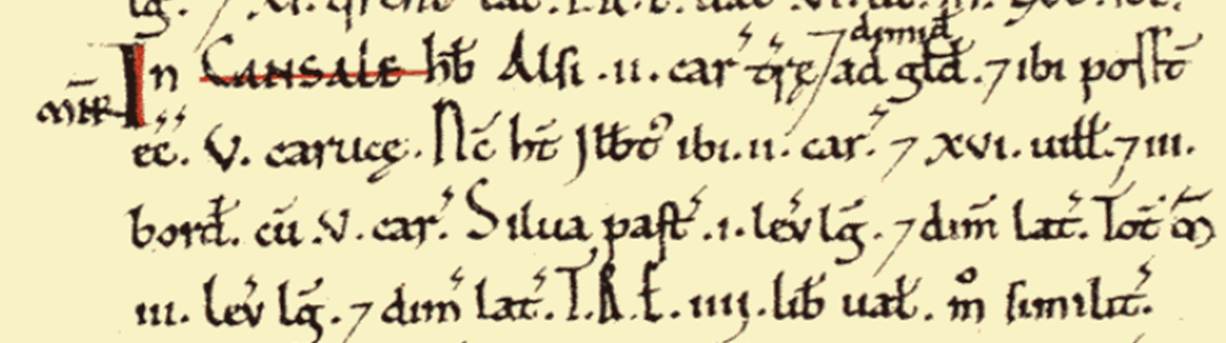
Extract
from the Domesday Book listing Cansale (Campsall)
The fact
that Domesday does not mention a church at Campsall does not necessarily mean
that there was no Saxon church. The existing church includes some pre-Conquest
evidence. There might have been a chapel attached to the manor without
parochial rights. The earliest existing work in the church dates to the twelfth
century.
The manor of
Campsall thrived after the Conquest, rather than retracting, and was owned
directly by Ilbert de Lacy. Ilbert de Lacy was given a broad belt of land
across what became the West Riding of Yorkshire. He took the whole wapentakes
of Staincross and Osgodcross.
Pontefract was head of his fee, so his estate was called the honour of
Pontefract.
St Mary
Magdalene at Campsall
There was an
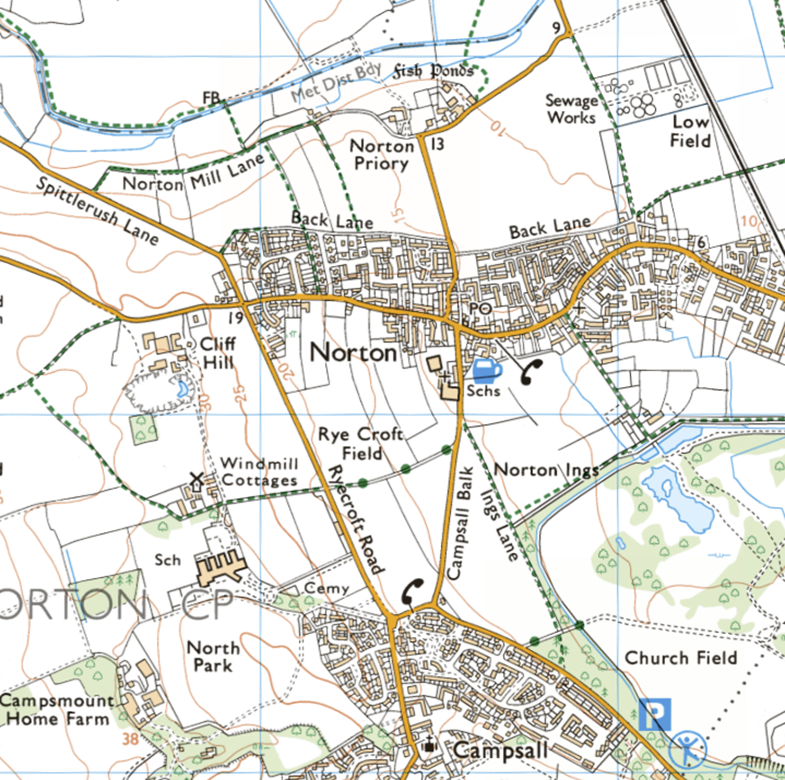
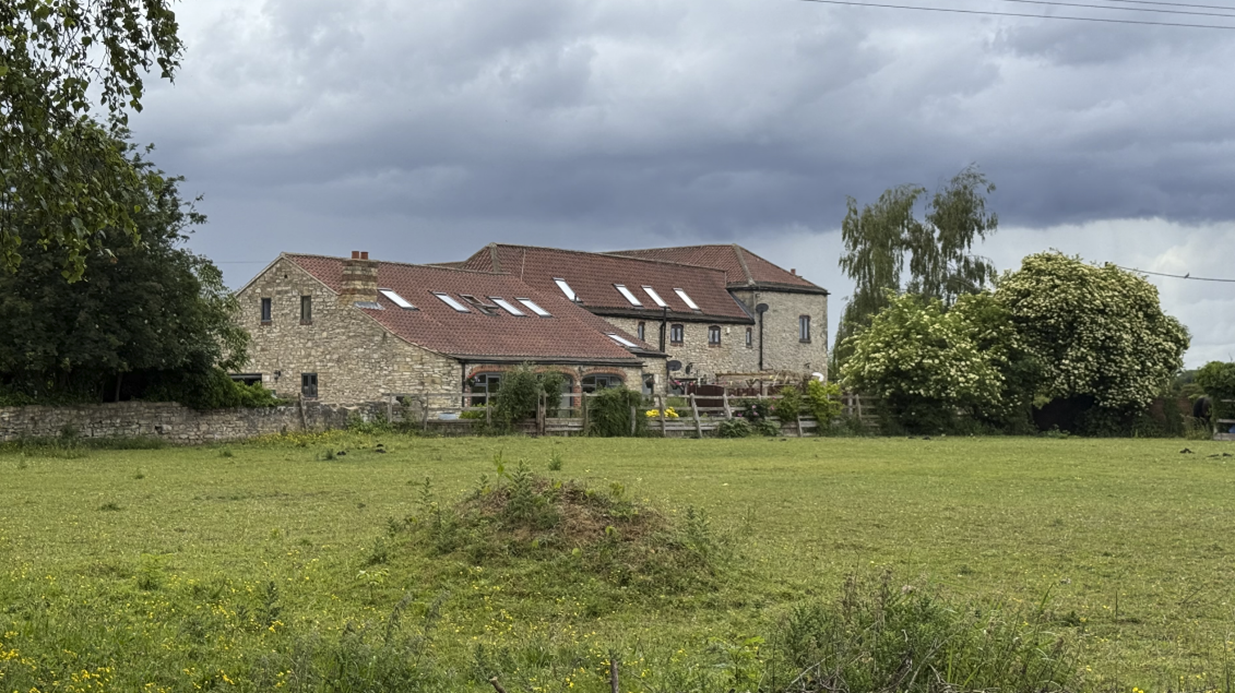
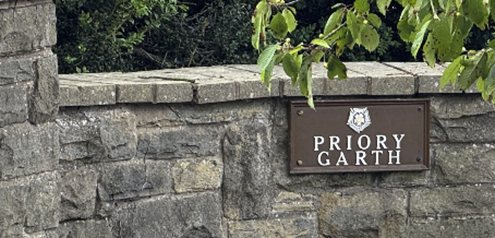
Augustinian priory founded in the twelfth century. The priory played a
significant role in the local community and religious life. Only ruins remain
today. Norton Priory was built on the banks of the River Went.
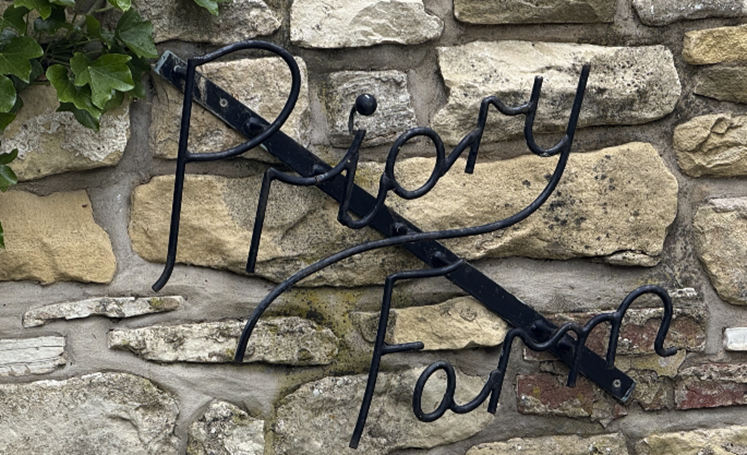
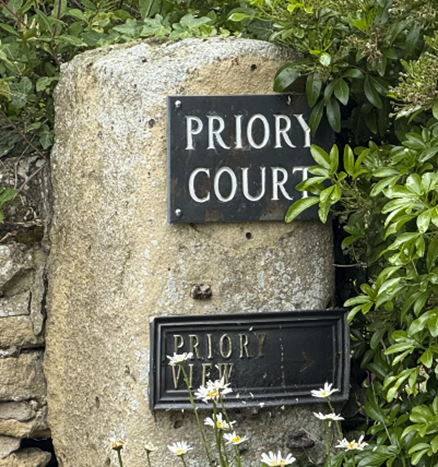
There is a
suggestion of an early wooden Saxon church at Campsall, which does not remain
today. The site of the present church was founded by Ilbert de Lacy of
Pontefract and built between 1066 and 1160.
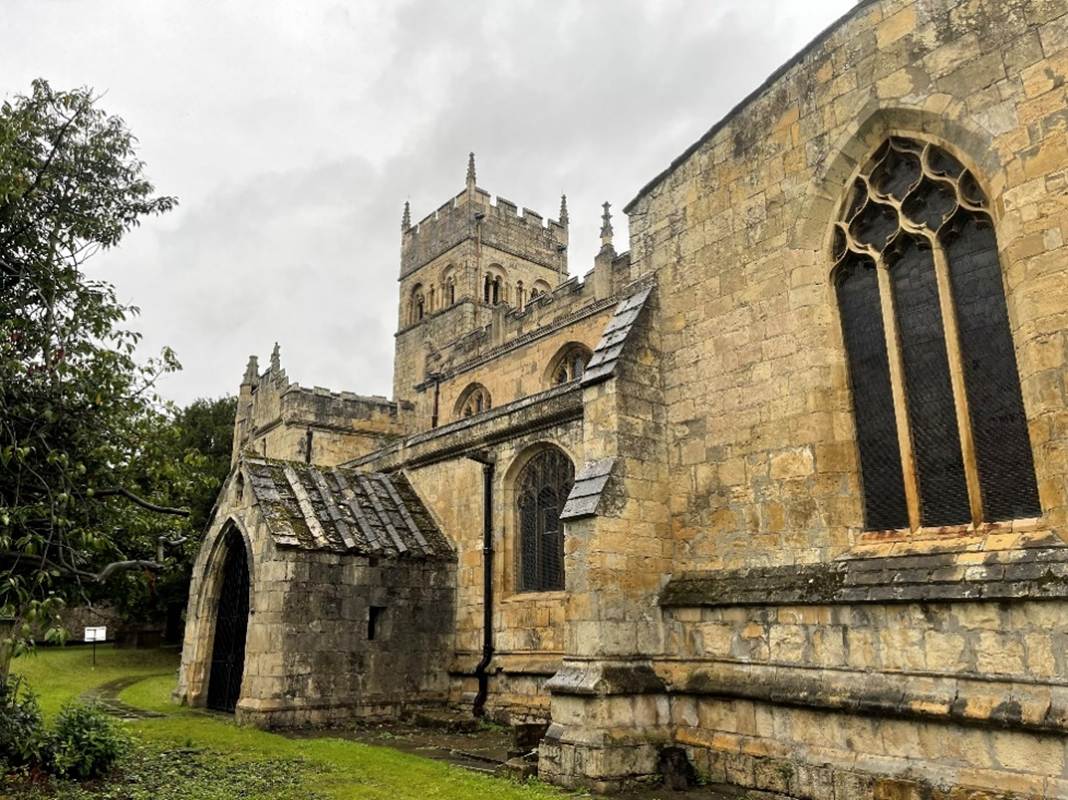
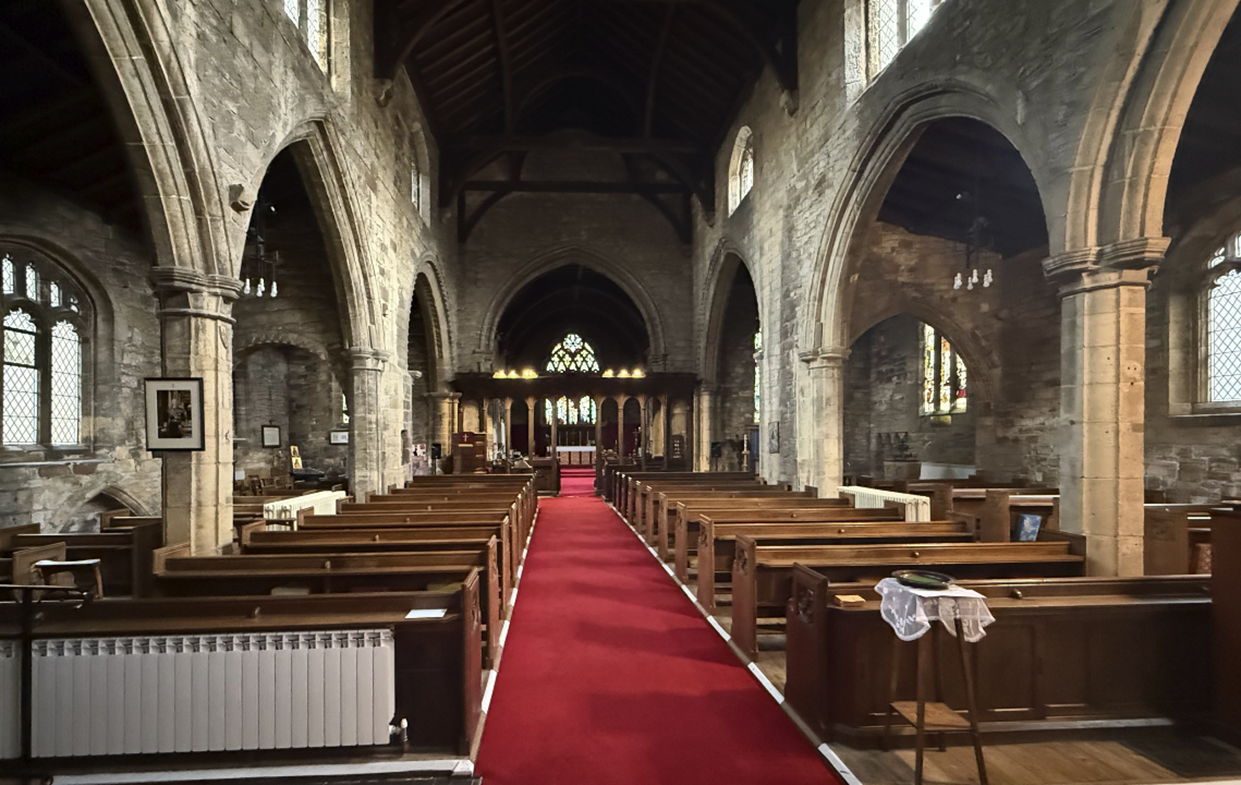
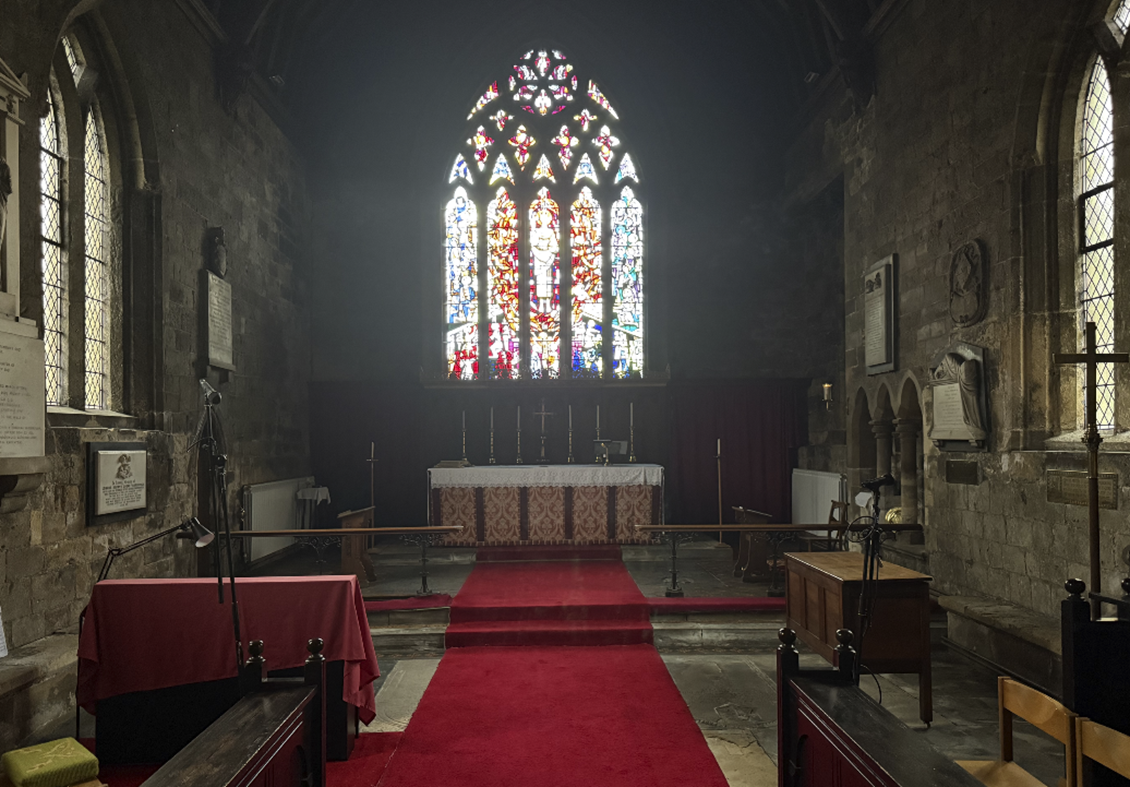
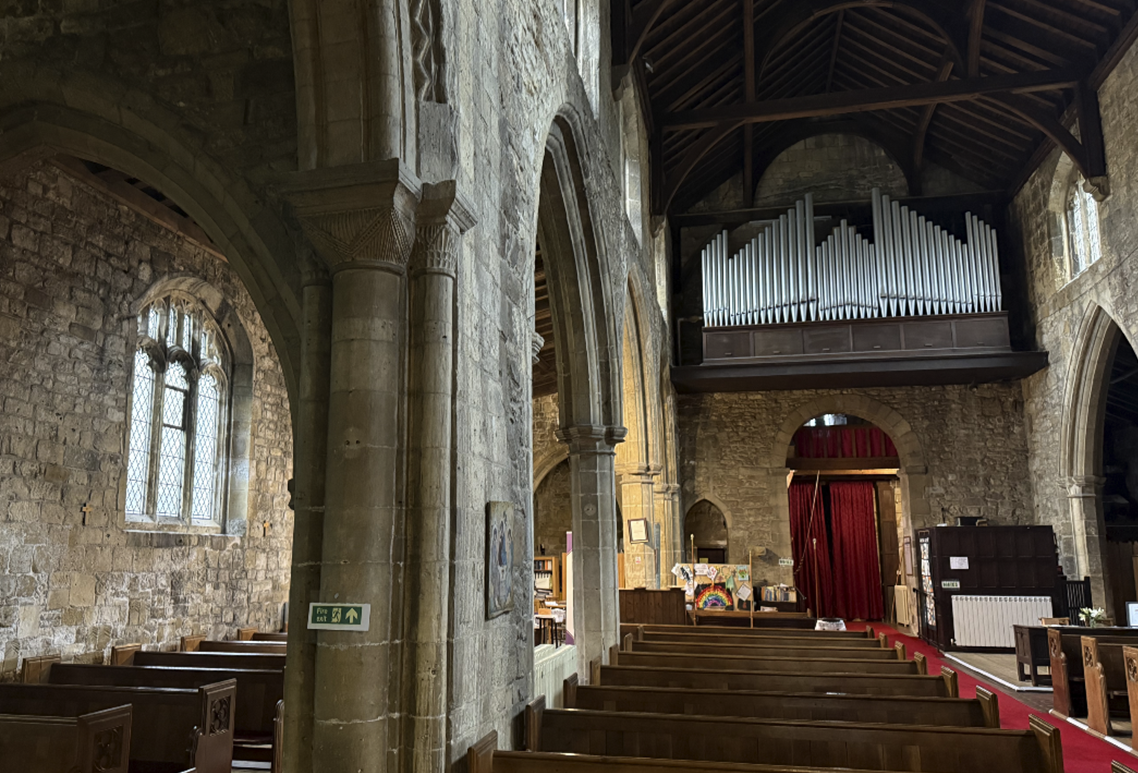
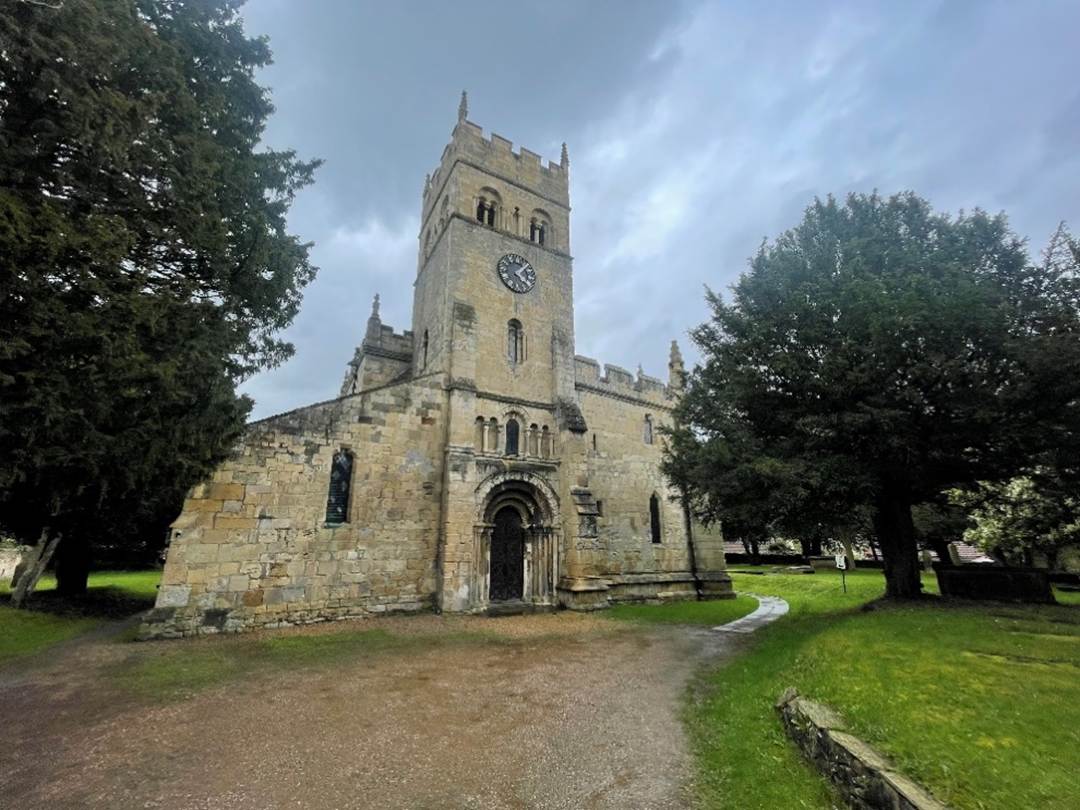
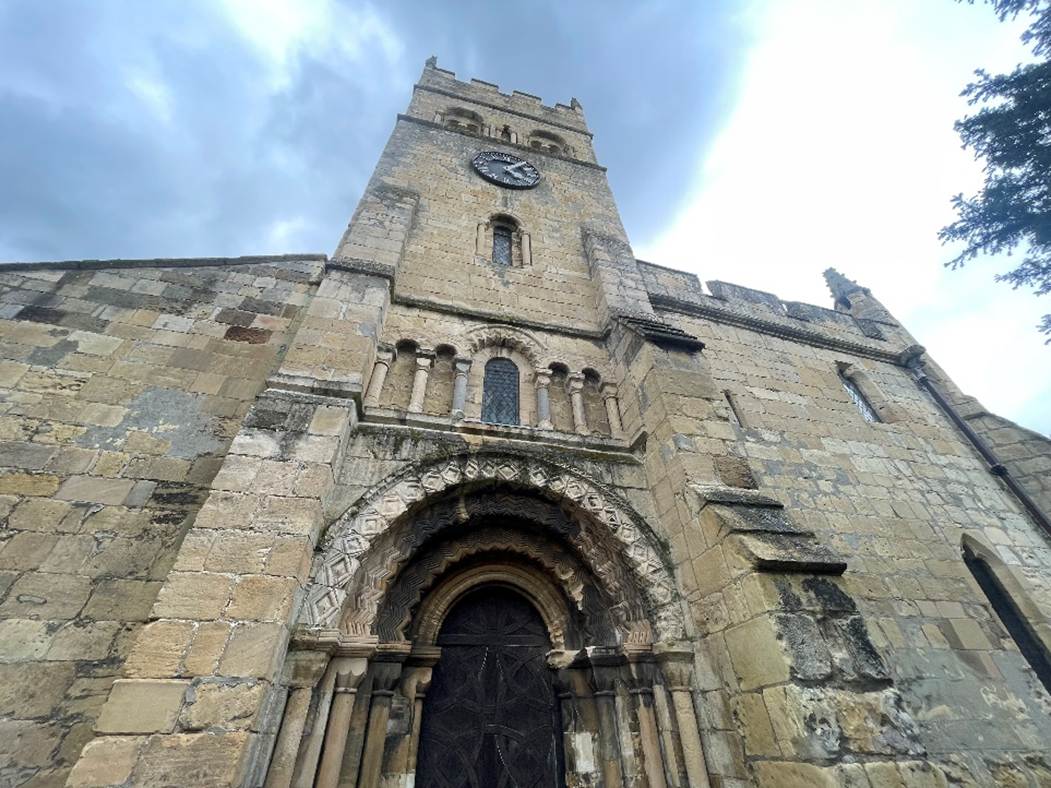
The current
Church of St Mary Magdalene had at least two main phases of early construction.
The current church was reconstructed in a cruciform plan in the middle of the
twelfth century. This church included the impressive west tower. The tower was
described by the architectural historian Nikolaus
Pevsner as the most ambitious Norman West tower of any Parish Church in
the Riding. The battlements and pinnacles were added later.
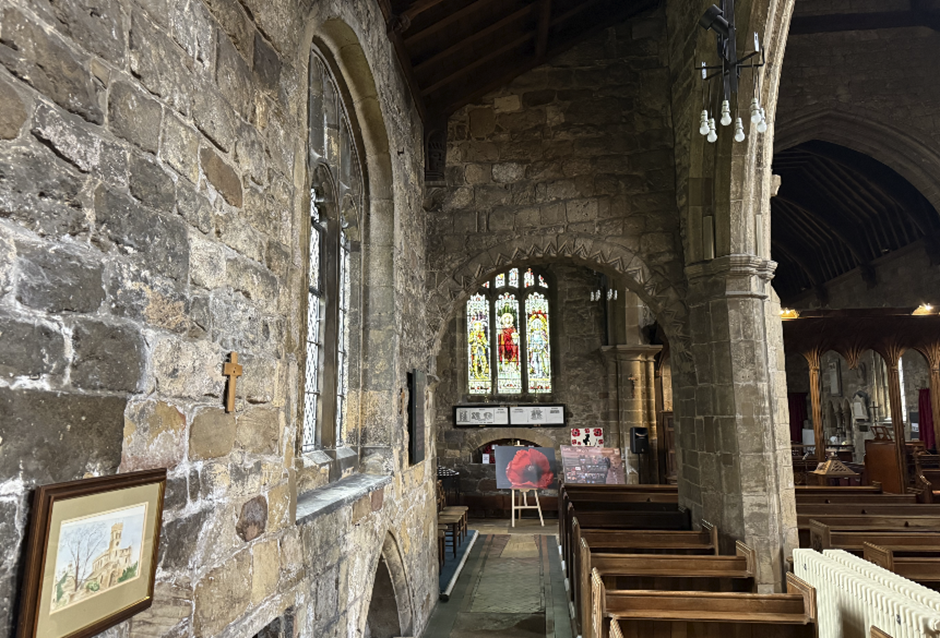
Then the
building was significantly extended later in the twelfth century with the
addition of the two side aisles and the south porch. So, as you stand in the
church today, the centre aisle comprises the original construction and the two
side aisles were added in the second phase of work.
By the reign
of Richard I (1189 to 1199) Adam de Reineviles had
recovered seizin of half the church of Camsale
against Henry de Puteaco and Dionysia, his wife. This
is the earliest mention of a church at Campsall.
Rev Joseph
Hunter in his South Yorkshire, the History and Topography of the Deanery of
Doncaster in the Diocese and County of York wrote that Campsal
church was the joint work of the Lacis, the chief lords, and the Reineviles, the subinfudatories.
It exceeded the churches of Bramwith, Owston and
Burgh in magnificence as much as it did in the extent of country that was
attached to it.
The Lacis
and the Reinvilles seem to have united in the
foundation of the church at Campsall. For this reason, there were originally
two rectors, one appointed by each family and this continued until about the
time of Henry III (1207 to 1272).
The Reinevilles appear to have been succeed in the sub tenancy
of the Campsall lands by the Newmarches. There is a
record in the Patent Rolls in 1285,
during the reign of Edward I, to deliver the gaol of Oxford of William de Campsale, who was put in exigent …
The benefice
of Campsall was listed in the Taxatio of Pope Nicholas IV in 1291. It had an annual value
of £66 13s. 4d, under the patronage of Henry de Lacy, Earl of Lincoln. By a
special arrangement, the chapel
of St. Clement in Pontefract Castle had a one ninth share in the tithe from
Campsall (a tithe being the church’s right to a one tenth levy from the local
population). This was probably because Ilbert de Lacy and his successors held
both estates and adopted this method of supporting their Pontefract chapel.
Subsequently,
alterations were made to the aisle arcades, windows, chancel and south doorway,
with a significant reconstruction in about 1300.
The
evolution of Campsall into a centre of learning
In 1293,
during the reign of Edward I, Henry Lacy, Earl of Lincoln, Lord of the Honour
of Pontefract, obtained a royal charter for a market at Campsall, which would
suggest that it was a place of some consequence by that time. This charter
entitled the village to hold a weekly Thursday market and an annual four-day
fair each July during the festival of St Mary Magdalene. The fair continued
until 1627.
Henry de Lacy,
Earl of Lincoln, in the reign of Edward II (1312 to 1377), left a daughter, who
was the wife of Thomas, Earl of Lancaster, the grandson of Henry III. On the
accession of the House of Lancaster to the throne, the estates of the Lacys came to be held directly by the Crown, but were still
in the possession of tenants.
Over time
the Church dedicated to St Mary Magdalene came to resemble a collegiate church.
By the sixteenth century, the Valor
Ecclesiasticus records indicate that there was a vicar and a deacon at
Campsall. There were also chantry priests in the vicinity who sang masses for
the repose of the souls of individuals who left endowments to the church. The
chantry priests were supernumerary to the parish clergy and may have been
involved in teaching.
It has been
suggested that the first floor chamber above the vaulted west bay of the south
aisle at St Mary Magdalene, dating from the late thirteenth century, might have
been a space used for such a purpose.
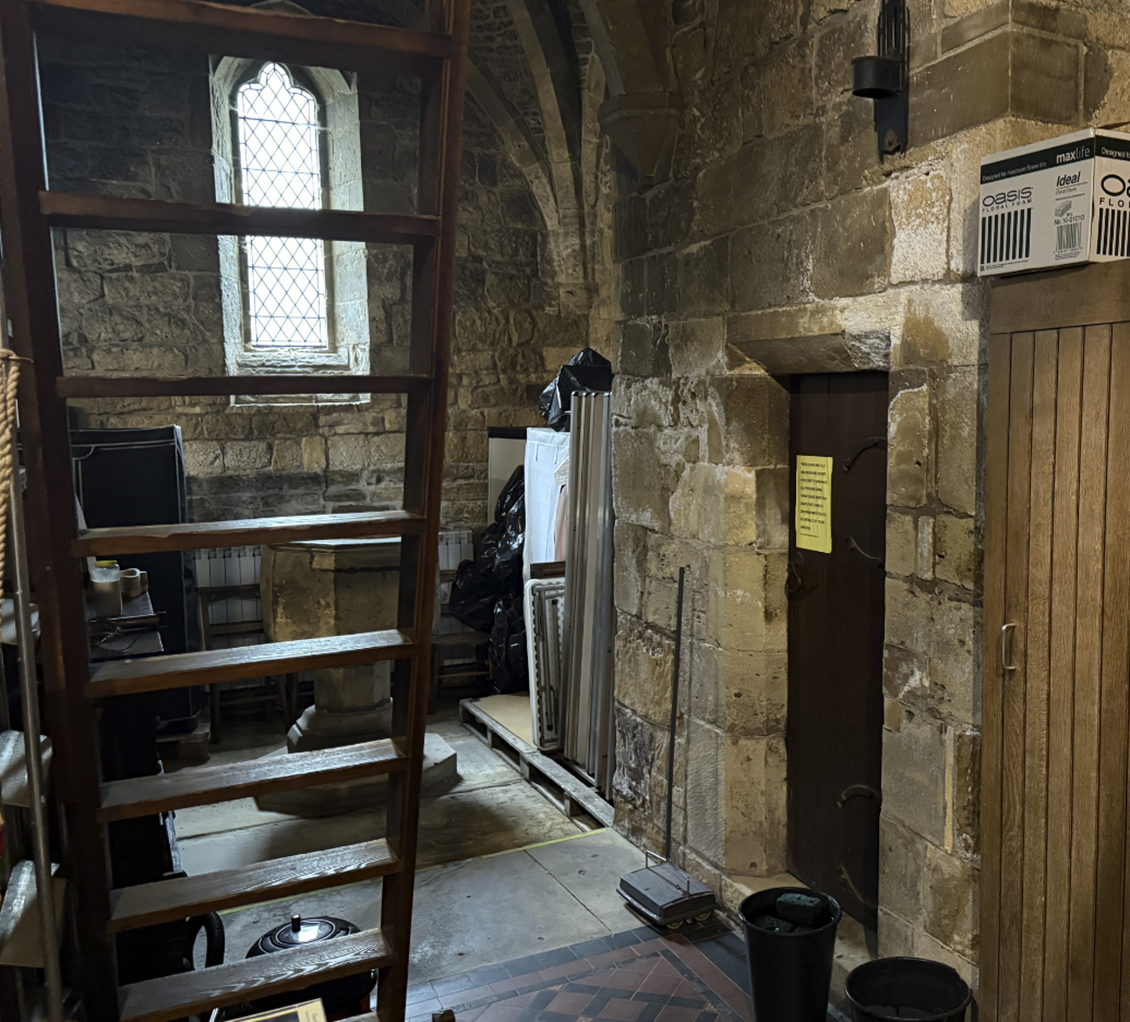
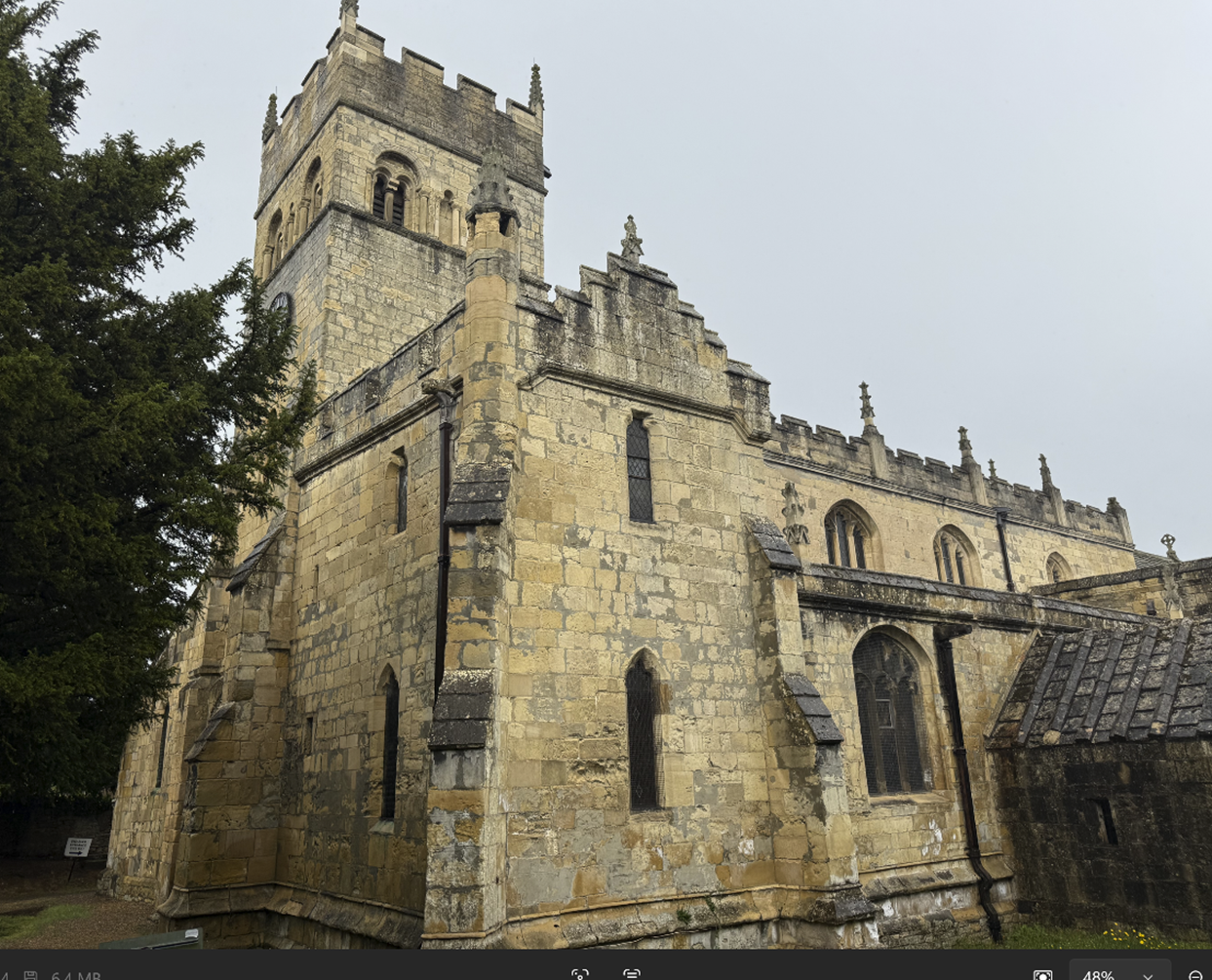
The
doorway to the first floor chamber The first floor
chamber from the outside of the church
The
emergence of the theologian Richard of Campsall (c1280 to c1350) suggests a well established tradition of teaching in Campsall. Richard
of Campsall, or Ricardus de Campsalle, was a
secular theologian and scholastic philosopher at the University of Oxford.
He was
arguably one of the most important philosophers at Oxford just before the time
of William of Ockham.
Recent research suggests that several views described as Ockhamist by the end
of the fourteenth century might have originated with Richard of Campsall. A
fellow of Balliol College prior to 1306, Richard of Campsall became a fellow of
Merton College in 1306. By 1308 he was a regent master of arts. From 1322 to
1324 he was regent master of theology and in 1325 he served as locum tenens
for the chancellor. How long he lived is not known but he probably lived until
about 1350 or 1360.
Richard
of Campsall’s extant works include his Quaestiones super librum Priorum analeticorum (c 1308), the Contra ponentes naturam (on universals), a short treatise on form and
matter (Utrum materia
possit esse sine forma),
and Notabilia de contingencia et presciencia Det, all of which were probably written
about 1317 or 1318. Campsall’s Sentences commentary is not extant, but
Walter Chatton, Adam of Wodeham,
Rodington, Robert Holcot,
and Pierre de Plaout cite him in their Sentences
commentaries.
In the Questions
on the Prior Analytics Richard of Campsall proposed that training in logic
was the basis for all other sciences. He discussed the concepts of syllogism,
consequences, and conversion. He argued that the crux of logical thinking was
the syllogism and knowledge of consequences and conversion was necessary for
the study of syllogism, especially for converting “imperfect” syllogisms into
“perfect” syllogisms. In the area of supposition
theory, Campsall proposed views usually first attributed to Ockham,
including his distinction between simple and other types of supposition.
This was
deep stuff. Campsall must have been the crucible of some serious intellectual
debate to have produced a person such as Richard.
Meantime
there was continued ecclesiastical drama
in Campsall.
Writing to
the Dean of Doncaster, on 14 July 1324, the archbishop directed the Prioress at
Campsall to make Thomas de Raynevill undergo a
penance imposed upon him for committing the sin of incest with Isabella Folifayt, a nun of Hampole. The
penance was that on a Sunday, while the major mass was being celebrated in the
conventual church of Hampole, Thomas de Raynevill was to stand, wearing only a tunic and
bare-headed, holding a lighted taper of a pound weight of wax in his hand,
which after the offertory had been said he was to offer to the celebrant, who
was to explain to the congregation the cause of the oblation. The punishment
continued that on two festivals more penitencium
he should be beaten (fustigetur) around the
parish church of Campsall.
The Patent Rolls, on 14 July 1328 during the
reign of Edward III referred to Meldon, parson of the church of Campsale.
The folk of
Campsall paid £7 2s 0d in taxation in 1324, the fourth highest contribution in
South Yorkshire.
In 1335 and 1336,
there was a composition under the sanction of William, Archbishop of York, in
the time of Thomas de Bracton, rector and William de Mundene, prebendary of the prebend in the chapel at
Campsall, by which 100 shillings was paid annually by the rector in lieu of
tithe.
The Close Rolls in June 1335, during the
reign of Edward III referred to Thomas de Brayton, parson of Campsale church, diocese of York.
The 1379
Poll Tax included records of taxes paid by a chapman (or ‘middleman’) and
twelve craftsman, which suggests a degree of trade through Campsall. It is
likely at this time that the town did not become more than a local trading
centre.

On 19
October 1391 a pardon was given to John Wayte, Parson of Campsall, alias of
Aldborough, for non-appearance to answer Roger Broun of Boston, or Walter
Godard, citizen and brewer of London, for debts of £34 and £33 2s respectively.
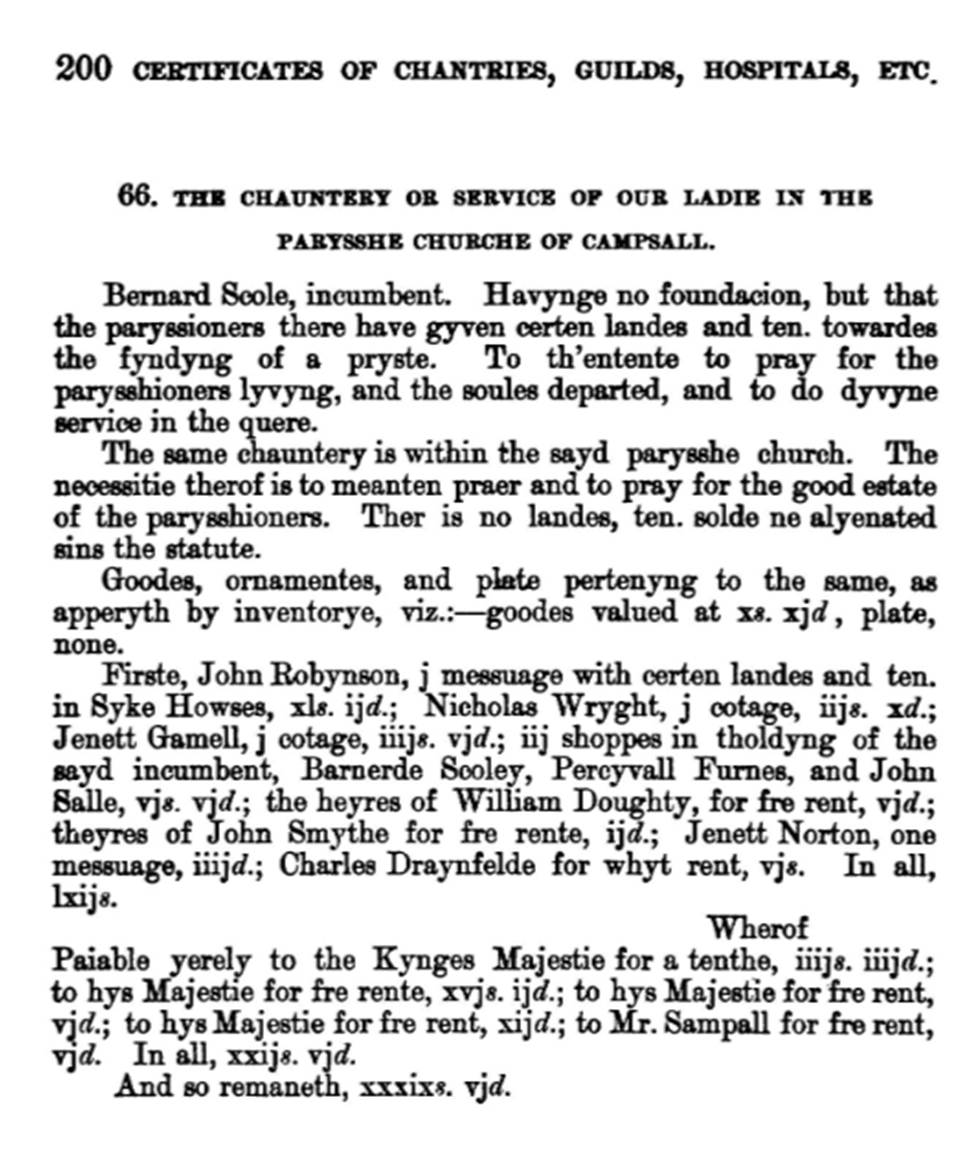
By
the fifteenth century the villagers at Campsall had formed a fraternity,
and hired their own priest to pray for the parishioners living and the souls
departed.
The
crucible of the Robin Hood stories
Most English
writers of the fifteenth century had at least some association with the Church.
Those who captured the rymes of Robehod into the written word were therefore likely to
have had some ecclesiastical background.
The earliest
references to Robin Hood are more associated with
Barnsdale Forest than Sherwood. Many of the names given to geographical
locations in Sherwood Forest were given in the nineteenth century. Some names
though are much older, such as Barnsdale’s Stone of Robin Hood, about 500m
north of Robin Hood’s Well, which was mentioned as a boundary marker in about 1540 by John Leland, in his Itinery in or about the years 1535-1543.
Robin
Hood and the Potter named Wentbridge (Went breg)
in Barnsdale. In Robin Hood and Guy of Gisborne, the action took place
in Barnsdale, and the sheriff was slain when he tried to flee to Nottingham.


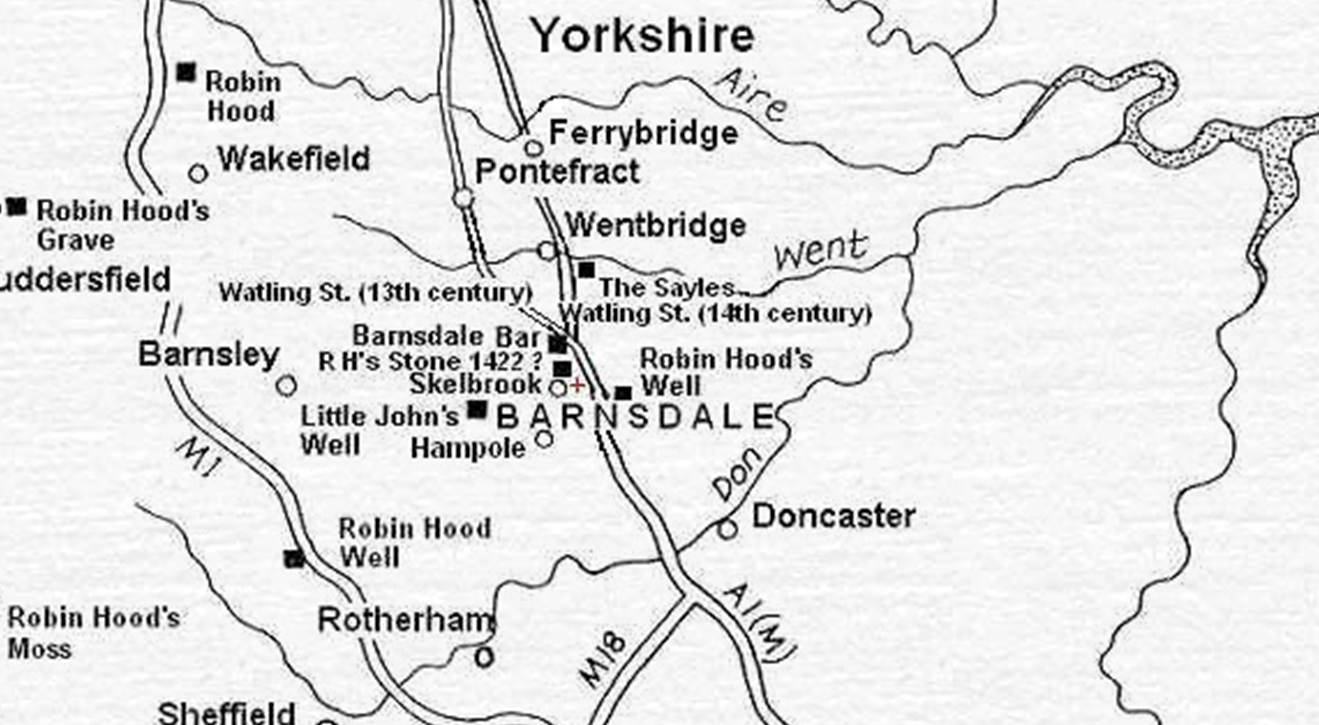
Robin Hood’s
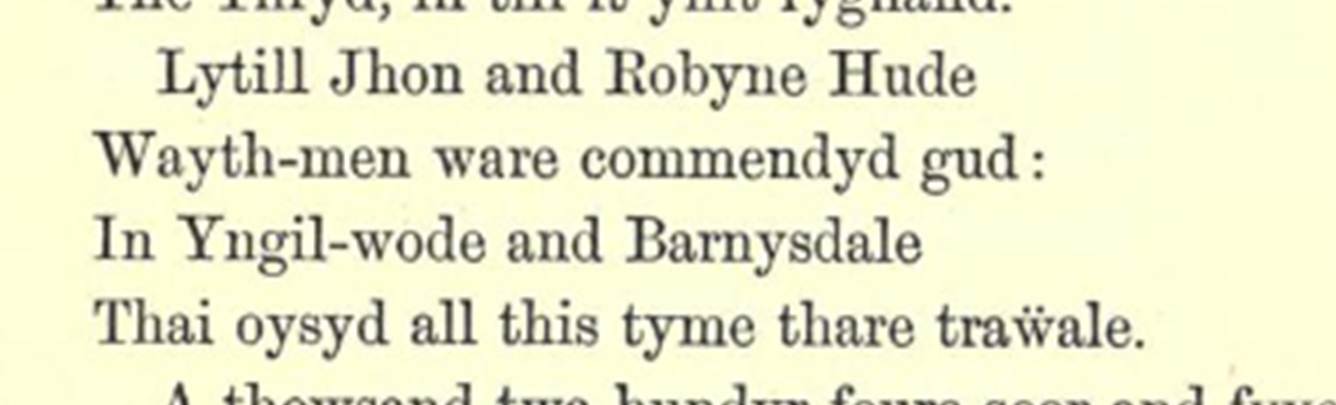
association with Barnsdale was included in early written records of the tales
including by the Scottish poet and Augustinian canon Andrew of Wyntoun in his Cronykil of Scotland of circa 1420.
Robin
Hood in Barnesdale Stood was quoted in a case by a judge in
the court of Common Pleas in 1429.
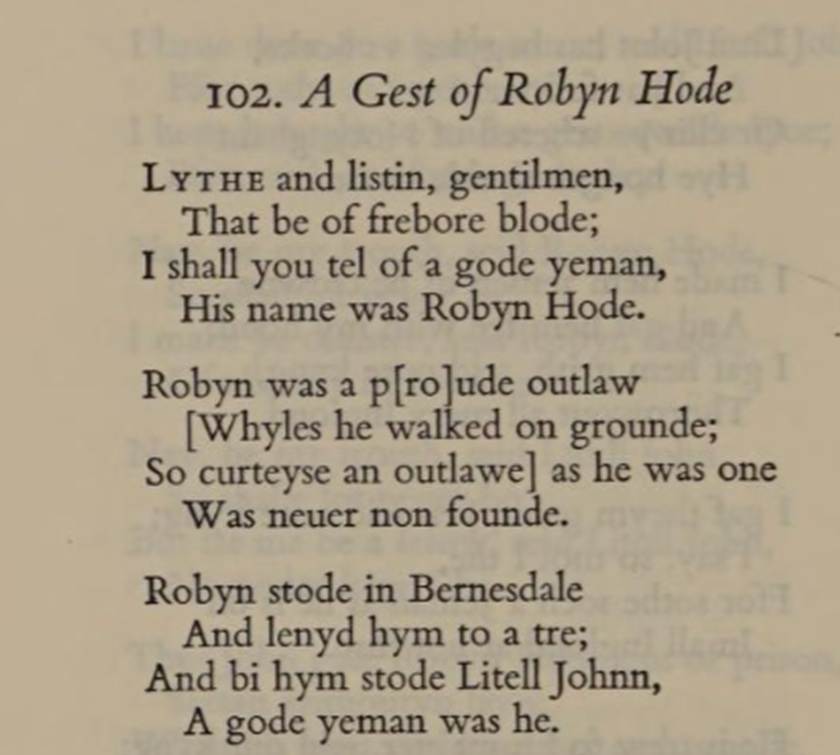
In the late
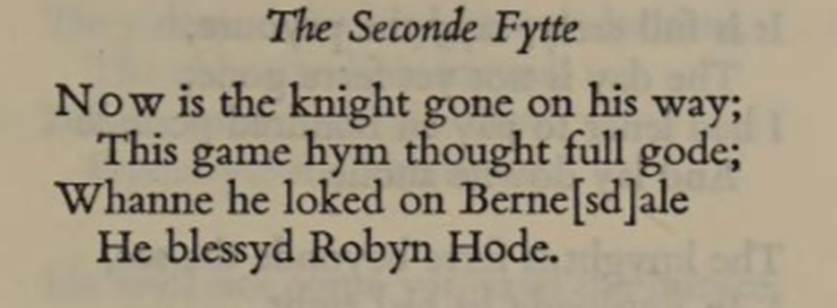
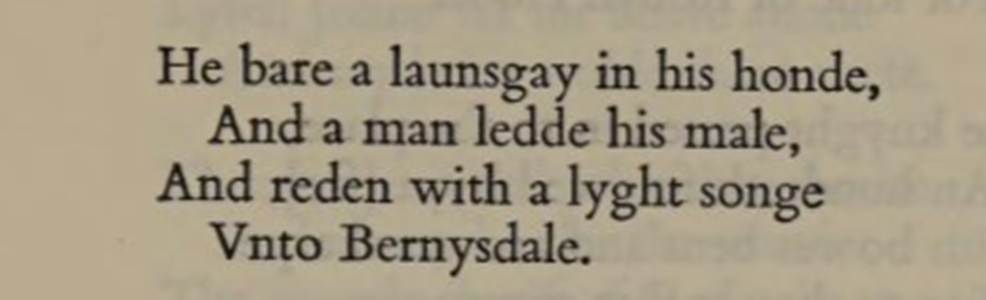
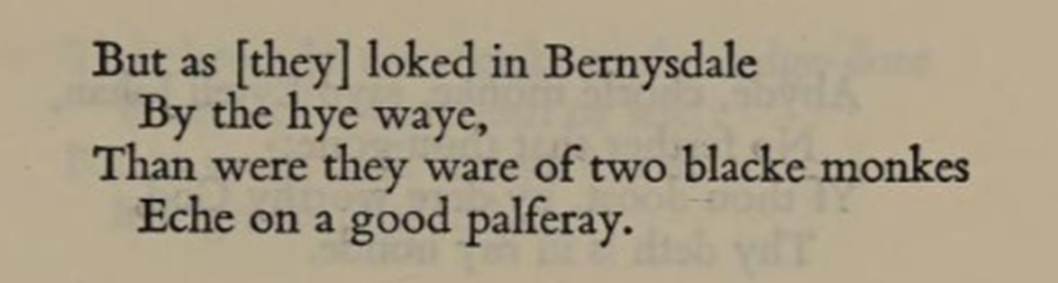
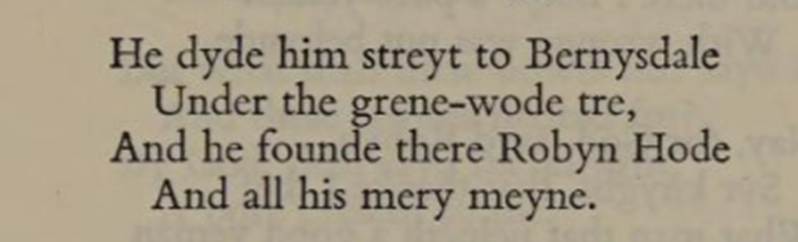
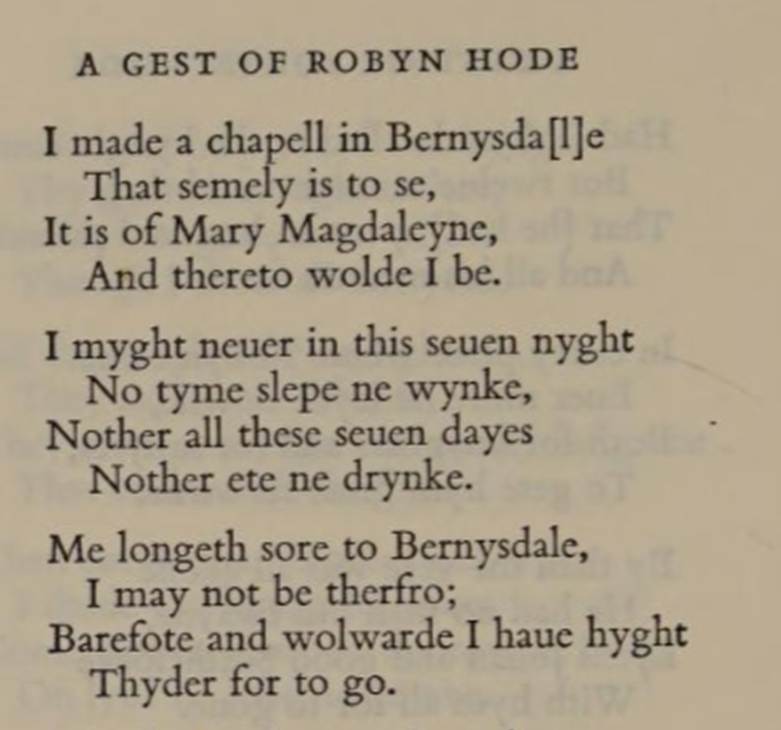
fifteenth century, the tales were brought together into A Gest of
Robyn Hode, which was structured into sections or fyttes.
Various editions of the Gest were printed between 1490 and 1550. The Gest
of Robin Hood places Robin Hood firmly in Barnsdale.
The
references in the stories of Robin Hood,
including Barnsdale, the Saylis and Wentbridge suggest a very local knowledge of those who
captured the stories into writing. Doncaster is just seven miles to the south.
By 1540 its population was about 2,000.
The
locations with which Robin Hood is associated, like the stories themselves, are
imagined over centuries of storytelling. The places, like to stories, are
ephemeral and locating the green wood precisely is not the right
approach to take. Yet there is no doubt that the idea of the green wood has a
very close association with Barnsdale, Campsall, and the area immediately to
the north of Doncaster. Robin Hood’s domain, though flexible to the imagination
of countless story tellers, clearly stretched to Doncaster. My purpos was to haue dyned to day; At Blith or Dancastere
(Gest, Fytte 1, 22). Robin Hood’s ultimate betrayal
was to the knight, Sir Roger of Doncaster. Barnsdale forest was then at the
eastern edge of the great swamp land that dominated the land westward to the
Humber estuary.
There is no
forest at Barnsdale today, but a large area around Campsall was once forested.
It may even have stretched past Doncaster to merge with Sherwood. The medieval
records do not though suggest forest at Barnsdale was an administered royal
forest like Pickering,
with its forest verderers and regarders. Barnsdale or Bernysdale
was likely to have been a lightly wooded area that was not officially a forest,
but it was a place of ambush in the fourteenth century. Highway robbery in
Yorkshire in the fourteenth and fifteenth century was a significant problem and
there were recorded holdups around Barnsdale and Wentbridge.
There was at least one inn at Wentbridge, where
stories would have been retold. The area along the road from Doncaster and
Pontefract at that time, was likely a melting pot of storytelling.
In 1540 John
Leland described the road which followed the modern A1 near Campsall as bandit
country and on his journey from Doncaster to Pontefract, Leland wrote From Dancaster to Causeby lesys by a mile and more, wher
the rebelles of Yorkshir a
lately assembled. He also described the area The ground betwixt Dancaster and Pontfract in sum places Yorkshire, meately wooddid and enclosid ground : in al places reason- Rably fruteful of pasture and corne.
There is a
particular association of the stories with Barnsdale and Robin Hood’s chapel,
dedicated to Mary Magdalene.
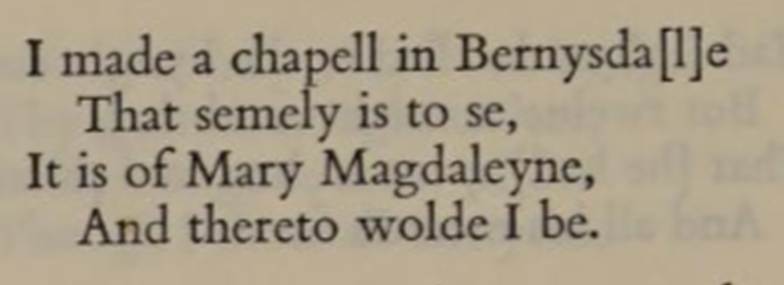
The parish
church at Campsall, still the Church of St Mary Magdalene, coincides with
Robin’s chapell in Bernysdale.
There were several churches dedicated to Mary Magdelene, including the parish
church in Doncaster itself,
but the church at Campsall is the most likely association as it sits in the
heart of the area associated with Barnsdale.
There is
only one church dedicated to Mary Magdalene within what might reasonably be considered
to have been the medieval forest of Barnsdale, being the church at Campsall.
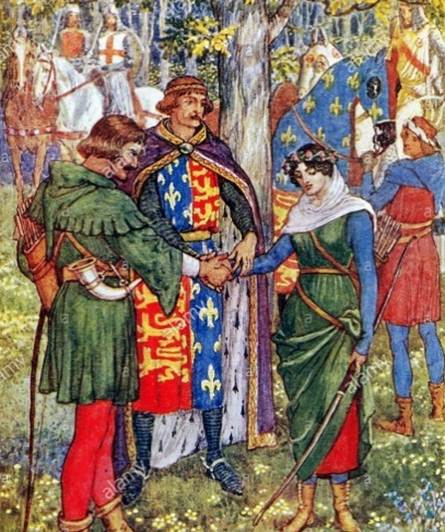
Indeed, a local legend suggests that Robin Hood and Maid Marion were married at
the church of Saint Mary Magdalene, at Campsall. Maid Marion was a later
character in the Robin Hood stories and was never mentioned in the earlier
ballads. However if there was an earlier association of Campsall and Barnsdale
with Robin Hood it is not surprising that a later tradition involved
association her marriage to St Magdalene.
Fifteenth
century Campsall
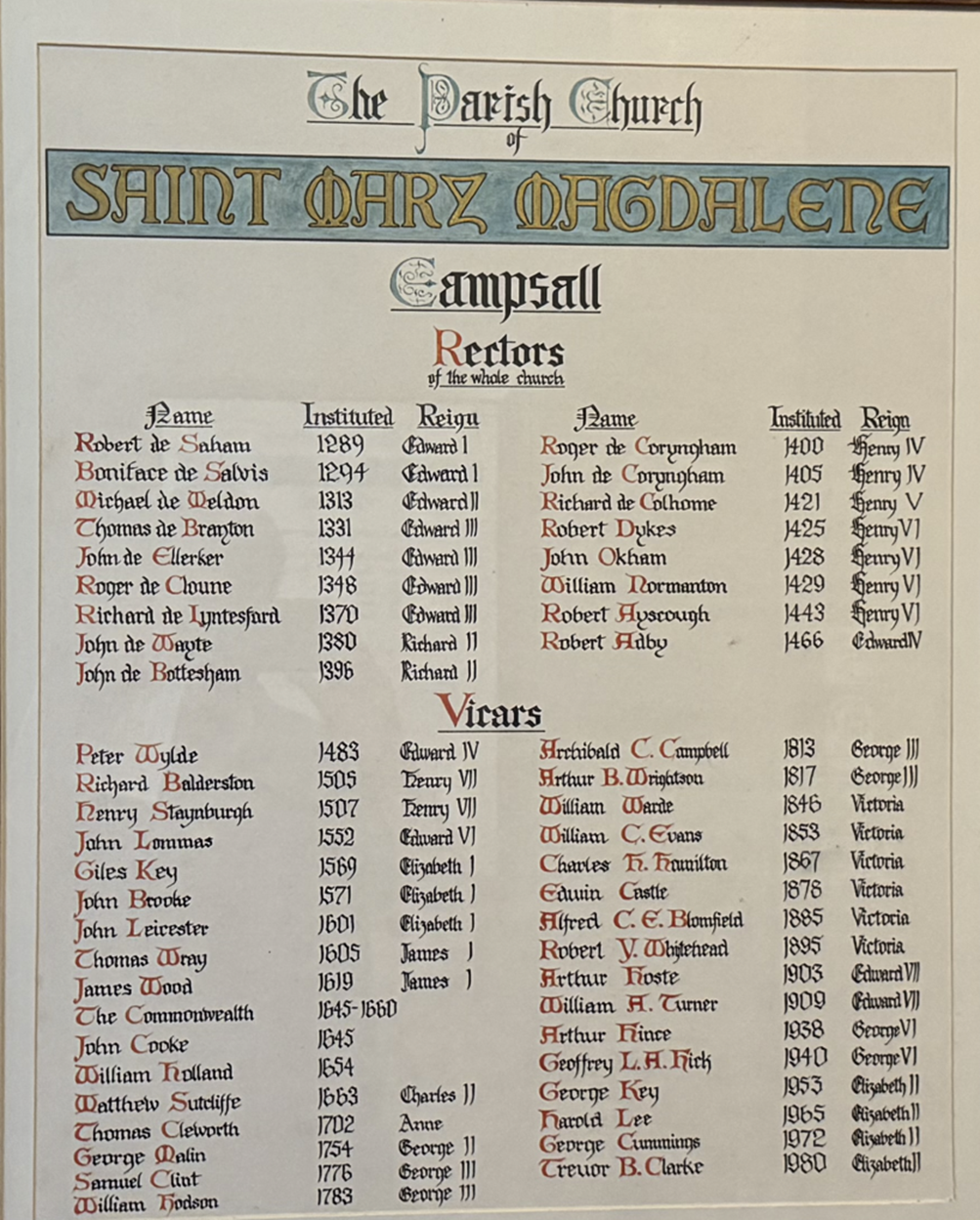
In 1415,
John was parish clerk of Campsall. In 1427 John Corngham,
canon of Windsor, was rector of Campsall. Robert Dykes became rector until he
died, presented by Henry VI. John Okham became Rector
in 1429, presented by Henry VI and resigned to go to the church of Menstoke in Winchester. William Normanton then became
Rector until he resigned. Robert Ayscough became Rector on 3 March 1443 until
he resigned. Robert Addy became chaplain of Campsall to the archbishop on 24
May 1466, presented by Edward IV.
A great change
took place in 1481 when Edward IV (in his second period of reign) granted the
rectory of Campsall to the Priory of Wallingwells
near Worksop in Nottinghamshire, a small house of Benedictine nuns. The Priory
therefore had a right to tithes of Campsall from Edward IV. The Priory was a
poor foundation before this gift.
The wooden
rood screen was likely to have been carved by Beaver, a Yorkshire craftsman, in
the fifteenth century. There is a suggestion that it came from the priory of Wallingwells. It seems to have been erected at Campsall in
the early sixteenth century. At the base of each opening there is an
inscription, which reads as follows:
Let fal down ethyne ne and lift up thy hart,
Behold
they Maker on yond cross al torn,
Remember
his wondis that for the did smart,
Gotyn withownt syn
and on a virgin born,
All His hed percid with a crown of thorne,
Alas man
thy hart oght to brast in
too,
Bewar the
Devyl whan he blaws his born,
Amd prai this gode
aungel cone the.
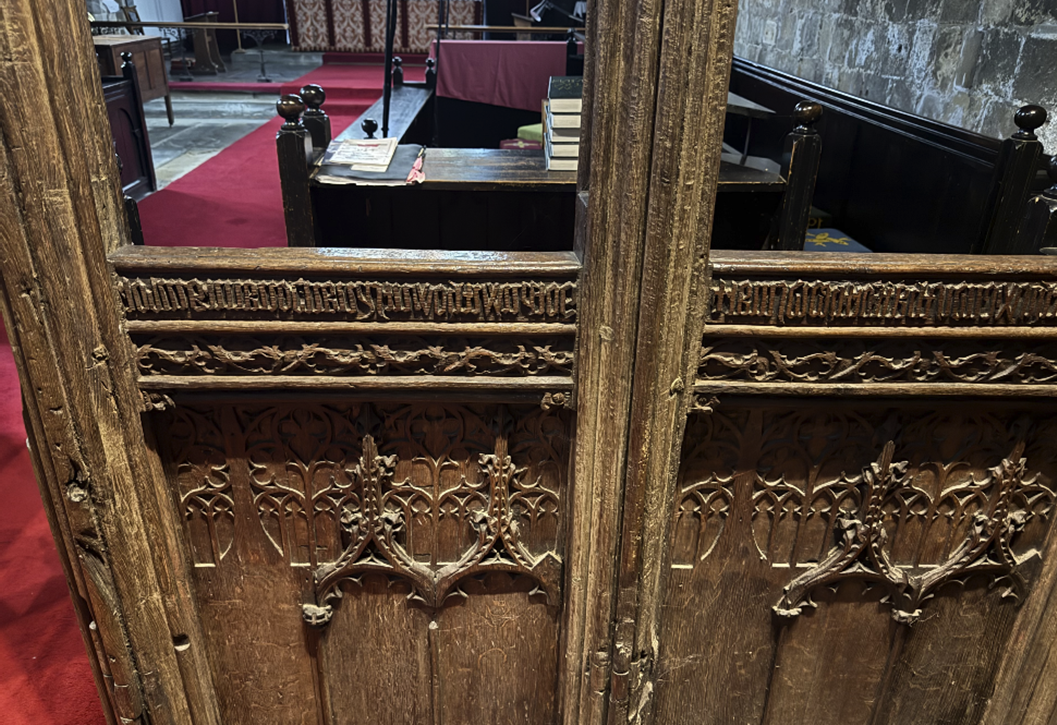
The rood
screen
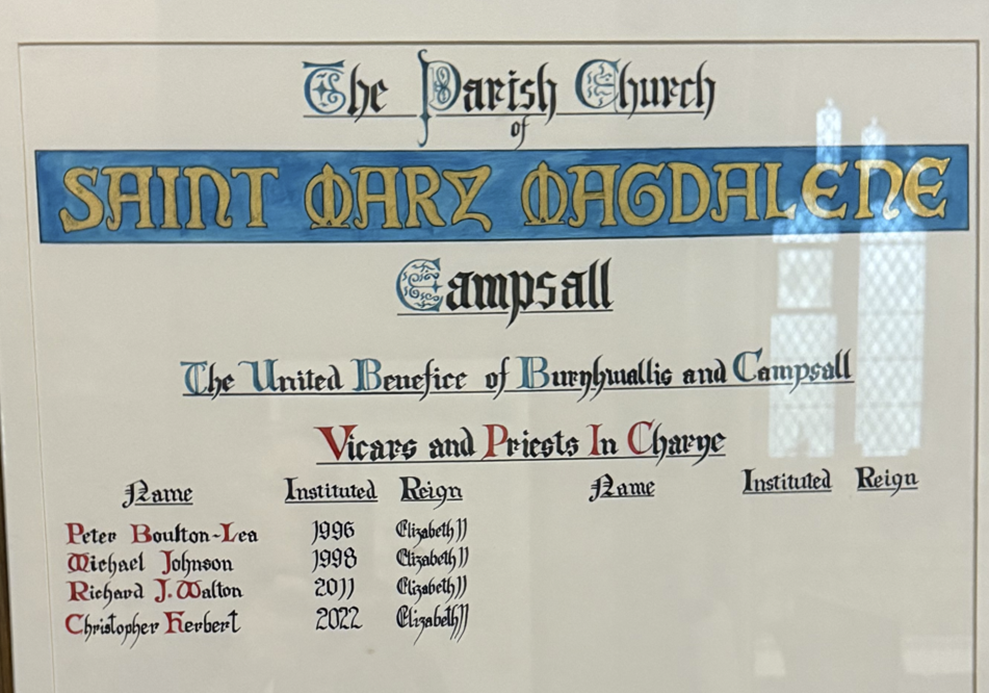
Peter Wylde
was presented as vicar of the church on 18 October 1483, presented by the
University of Cambridge. In the following year Thomas Rotherham, Archbishop of
York decreed that henceforth the benefice of Campsall should be served by a
Vicar, and gave the appointment to Cambridge University.
This meant
that the church at Campsall was appropriated to external influences, and the
local people were deprived from having a person from their own community.
Richard
Balderstone was presented as vicar of the church on 13 October 1505, presented
by the University of Cambridge and died while vicar. Henry Swaynborough
became vicar on 26 May 1507.
Later
History
After the
dissolution of the monasteries in 1536, under Henry VIII the rectorial tithes passed into lay hands.
John Lommas BA became vicar on 16 July 1552 until he died in
1574.
Robert
Middleton held the tithe of Campsall in 1557 as
tenant to the Hastings family of Fenwick.
On 29
October 1564, my ancestor William Farndell married
Margaret Atkinson at St Mary Magdalene Church in Campsall. Whilst the genealogy
in this period is sketchy, it seems likely that there was a family of Farndales
living in Campsall by the sixteenth century, who were probably descended from
the fourteenth century vicar of St George’s Parish in Doncaster, William
Farndale, or perhaps his brother Nicholas
Farndale. Shortly after 1564, the Farndales left Campsall and settled in Cleveland.
John Brooke
became rector on 27 March 1574, appointed by the archbishop, possibly because
there were questions by then about the ownership of the university regarding
the right to present vicars. In 1579 the rectory of Campsall was granted to Sir
Christopher Hutton. In 1585 Sir Christopher Hutton conveyed the rectory to
Edward Heron of Stamford.
A Survey in
1627 recorded that The towne of Campsall had in tymes past the priviledge of a
market, which is now decayed and lost by discontinuance.
A map of
1740 shows Market Flatt to the north of the village, which was probably the
site of the market.
Nevertheless,
continuing Campsall’s tradition as a centre of learning, the Campsall Society
for the Acquisition of Knowledge was founded in the late 1830s when the family
of Charles Wood rented Campsall Hall and employed young scholars, including
from Continental Europe, to tutor their sons Neville, Willoughby and Charles
Junior. The father, Charles Thorold Wood, had been a captain in the Royal Horse
Guards, and was an ornithologist. His wife, Jane, was an early adherent of
homeopathy. Neville (b 1818) at this time was editor of a journal called The
Naturalist, a contributor to The Analyst and had, in 1836, published
The Ornithologist's Text-Book. Their tutors included Giacomo Chiosso, later professor of gymnastics at University
College London and inventor of the Polymachinon, a
forerunner of the modern exercise machine, Edwin Lankester, Leonhard Schmitz
and Ferdinand Moller. The Society had probably ceased to exist by the early
1840s.
A
Topographical Dictionary of England of 1848: described Victorian Campsall, the
parish St. Mary Magdalene, in the union of Doncaster, Upper division of the
wapentake of Osgoldcross, W. riding of York;
containing 2149 inhabitants, of whom 385 are in the township of Campsall, 8
miles (N. N. W.) from Doncaster. The parish consists of the townships of Askerne, Campsall, Fenwick, Moss, Norton, and part of
Sutton; and comprises by computation 9700 acres, of which 1470 are in the
township of Campsall, including the hamlet of Barnsdale. The village is
pleasantly situated on a gentle acclivity, about seven miles distant from the
river Don on the south, and on the north the same distance from the Aire. Stone
of good quality is quarried. Camps Mount, the seat of George Cooke Yarborough, Esq., is an elegant mansion, standing at the head of a fine
lawn, and embowered in luxuriant foliage; and Campsall Park is also a handsome
residence. The living is a perpetual curacy, valued in the king's books at £16.
16. 8.; net income, £128; patron and impropriator, Mr. Yarborough. The tithes
were commuted for land in 1814. The church is a large ancient edifice, and has
some fine specimens of Norman architecture. The remains of a Roman road may be
traced.

Campsall
1857
The church
was restored between 1871 and 1877 by G. G. Scott. Restoration of stonework on
the tower was in progress in 2005.
The church
is currently in need of urgent repair, with the most pressing issue being the
repair of the roof.
or
Go Straight to Chapter 11 –
the Vicar of Doncaster
Campsall
bibliography
Arts Council
of Great Britain: London, Hayward Gallery, English Romanesque Art, 1066-1200,
London, 1984
Borthwick
Institute, Faculty papers, Fac. 1871/2; Faculty Book 6, 18-19
Campsall, St
Mary Magdalene guide, The Story of St. Mary Magdalene Church, Campsall
Yorkshire, n. p., 1965/1969
K. J. Conant, Cluny, Les
églises et la maison du chef d’Ordre, Mâcon, 1968
J. Fowler,
“Note on the restoration of the west doorway of Campsall church” Proceedings of
the Society of Antiquaries of London 8 (1879-81), 130-31
J. Hunter,
South Yorkshire: The History and Topography of the Deanery of Doncaster, in the
Diocese and County of York, 2 vols. J. B. Nichols & Son, London, 1828-31
J. E.
Morris, The West Riding, 2nd ed. London, 1923
N. Pevsner,
Yorkshire: West Riding. The Buildings of England, Harmondsworth, 1959, 2nd ed,
Revised E. Radcliffe, 1967
Victoria
County History: Yorkshire, II (General volume, including Domesday Book) 1912,
reprinted 1974
There is a
separate Campsall webpage with research
notes and a chronology.