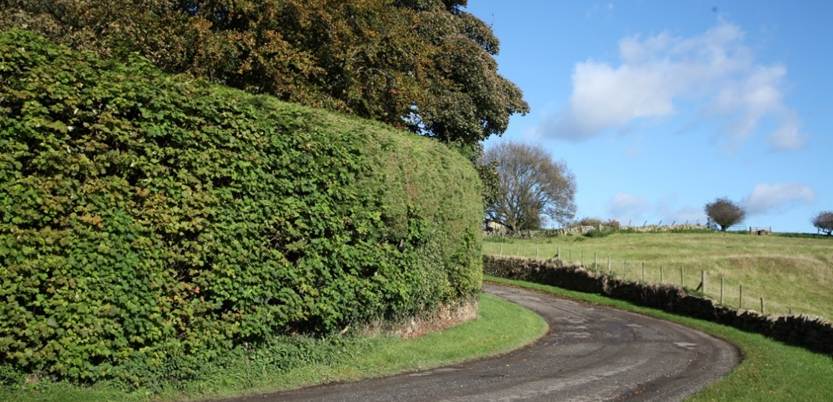
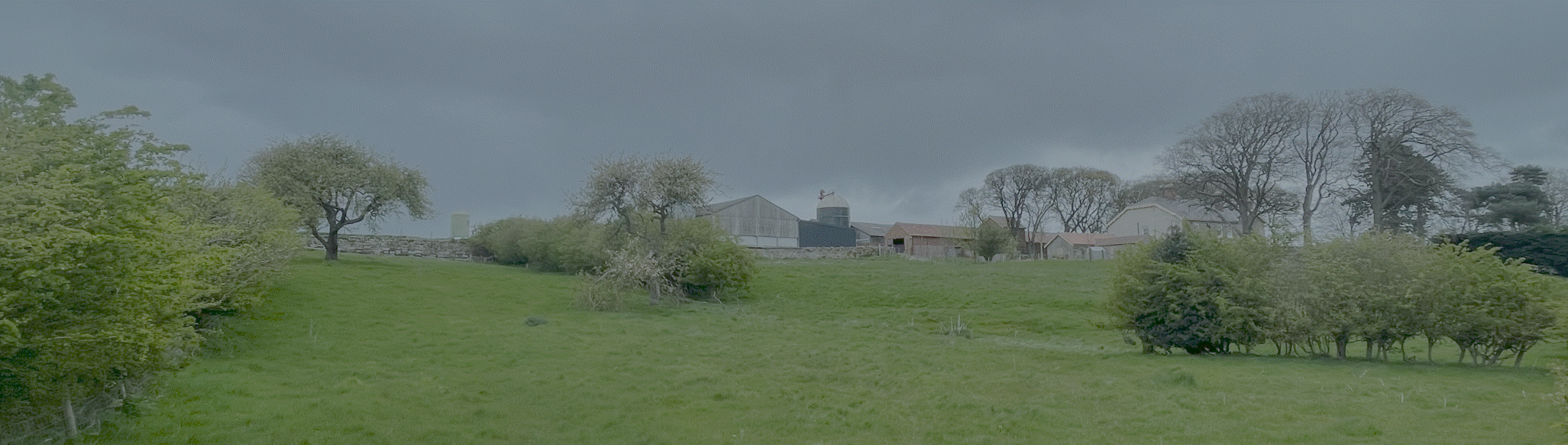
Kilton Hall
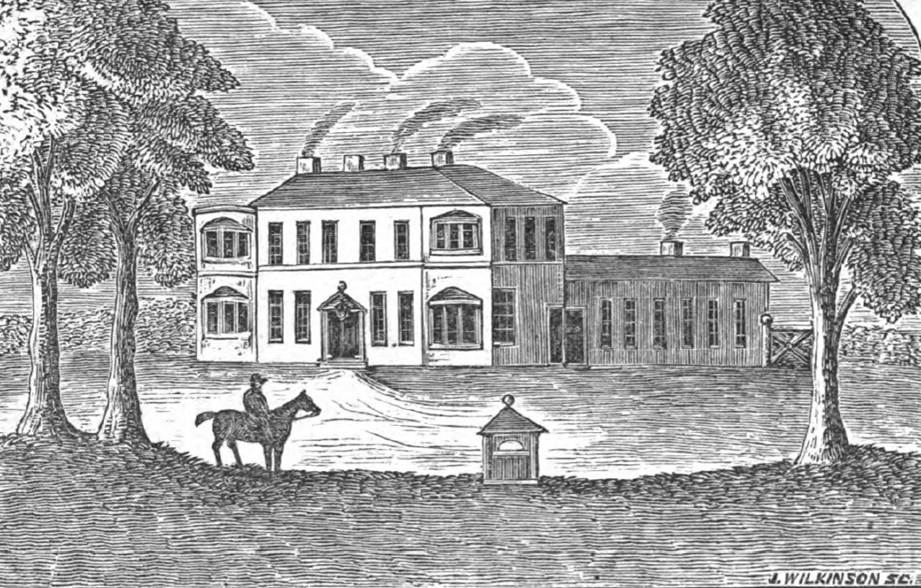
Kilton Hall, Sketched from memory (as it stood in 1795) specially for
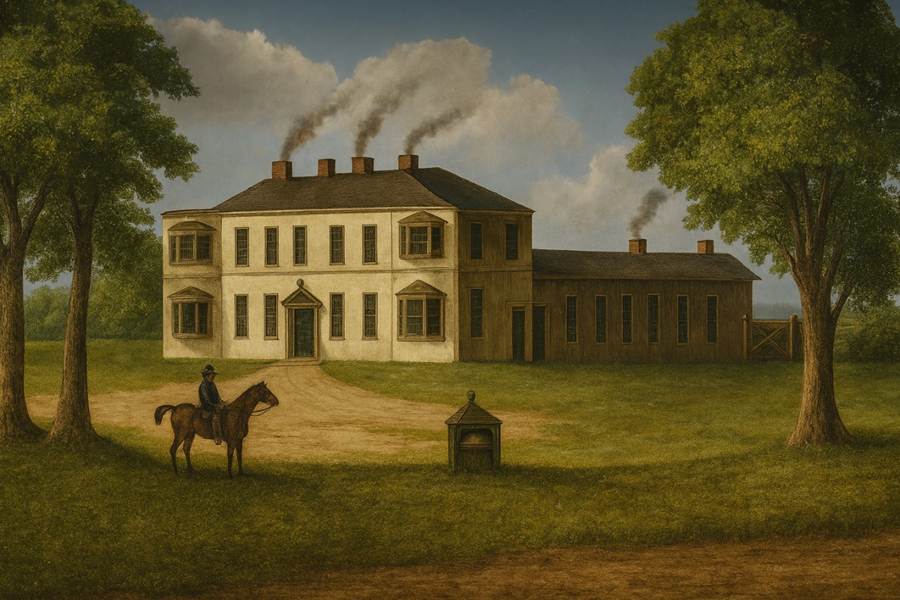
John Farndale’s Guide The same
image coloured using artificial intelligence
|
Return to the Home Page of the Farndale Family
Website |
The story of one family’s journey through two
thousand years of British History |
The 83 family lines into which the family is divided.
Meet the whole family and how the wider family is related |
Members of the historical family ordered by date of
birth |
Links to other pages with historical research and
related material |
The story of the Bakers of Highfields, the Chapmans,
and other related families |



Introduction
Dates are in red.
Hyperlinks to
other pages are in dark
blue.
Headlines of the
history of Bradford are in brown.
References and
citations are in turquoise.
Contextual
history is in purple.
The original Kilton Hall
Kilton Hall as in ages past
Most beautiful to all around,
Ah! ruthless hand that gave command,
And now no trace of it is found.
Kilton formerly
belonged to the Twings and Lumleys, who were lords of the manor. Dr Waugh, Dean
of Carlisle, and Miss Waugh, into whose hands the estate came, sold it to Mrs
Wharton, and this lady made a present of it to the late J Wharton, Esq., of
Skelton Castle, MP for Beverley, a gentleman of memorable name. Here was built
a neat hall, much admired, and when the sun early n the morning cast its beams
upon it and lit its vast windows with Nature’s glory, it was a sight to affect
the heart and raise the thoughts to the Great Source of all beauty and
splendour, both in nature and grace. A spirit of jealousy led to this fine
structure being pulled down, and now not one stone on another remains to tell
where it once stood, except stables, granaries and coach houses, yet in good
preservation. In this township too stands an old Norman Castle. Few ruins in
England can vie this venerable relic of Norman architecture. There is also a
fortress here, which in the olden times must have been impregnable. This
baronial fortress was no doubt the most powerful one in Cleveland, and in the
days of cross bows, broad swords, and battle axes it would be quite secure. But
when Cromwell, that inveterate foe to all Roman edifices, came near, he heard
and was led by the bell at noon, to the opposite mount, levelled his
destructive cannon against this structure, and brought it to the ground.
(A Guide to Saltburn by the Sea and the Surrounding
District, With remarks on its picturesque scenery, Fifth Edition, Dedicated to
John Thomas Wharton Esq of Skelton, By John Farndale.
Late of Skelton Castle Farm, Darlington, Printed by Charles W Hird, 1864)
… Kilton Hall
was a very neat building, with stables, coach houses, lawns and plantations,
and the old castle adjoining had a fine bowling green and excellent fish ponds,
fed by a rivulet running through a field close by, and which was in a good
state of preservation until it was lately filled up and ploughed. Contiguous to
the old castle walls there was a fine orchard, which I had the management of
about fifty years ago. But this has nearly gone into decay – the towering pear
and other fruit trees have become leafless and dead, and withered like an old
man ripe from the grave. Such are the changes which a few years make. Thus, it
is with inanimate things, so it is with us. We must all fade as a flower, we
must all die, for all flesh is grass. “The grass withereth, the flower fadeth,
but the word of the Lord endureth for ever”.
Here, let me not
forget to notice that, in this enchanting park, rich preserves of game of all
kinds, especially that most beautiful bird the pheasant, are numerous, and
almost all other game. I have seen rise out from new sown wheat, in my father’s
castle field, no less than eighty pheasants at one time. Fifty years later, on
my last visit to the old castle, I saw rise out of the same field fifty
beautiful pheasant cock, when they soon buried themselves in the vast forest
around the old castle. It was here Redman, the poacher’s gun burst and blew out
his eye. It was also here Frank, the keeper, shot a large eagle near the old
castle, which is now preserved.
The new Kilton
Hall
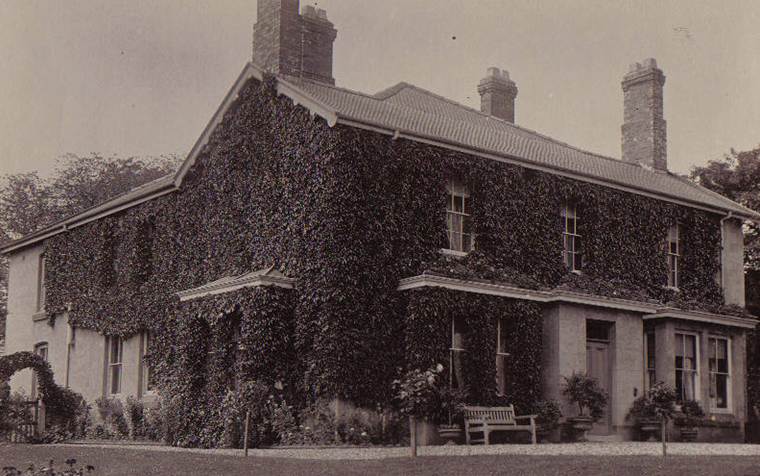
The new Kilton
Hall in about 1890
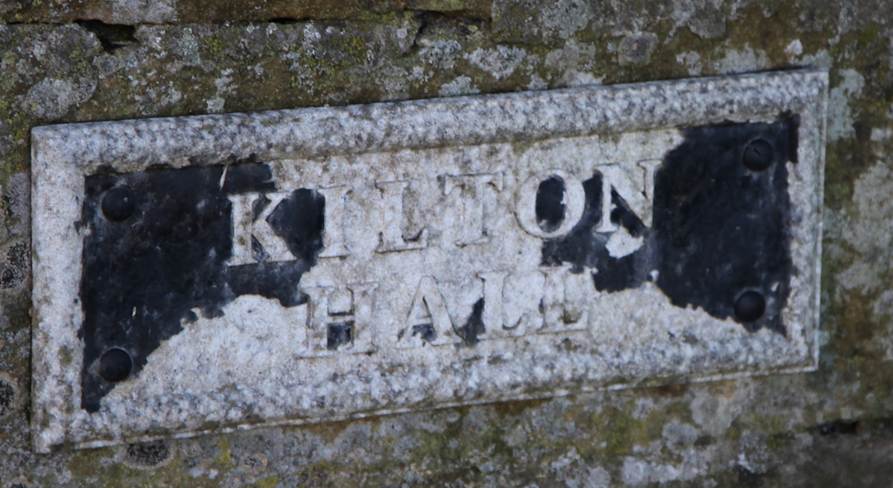
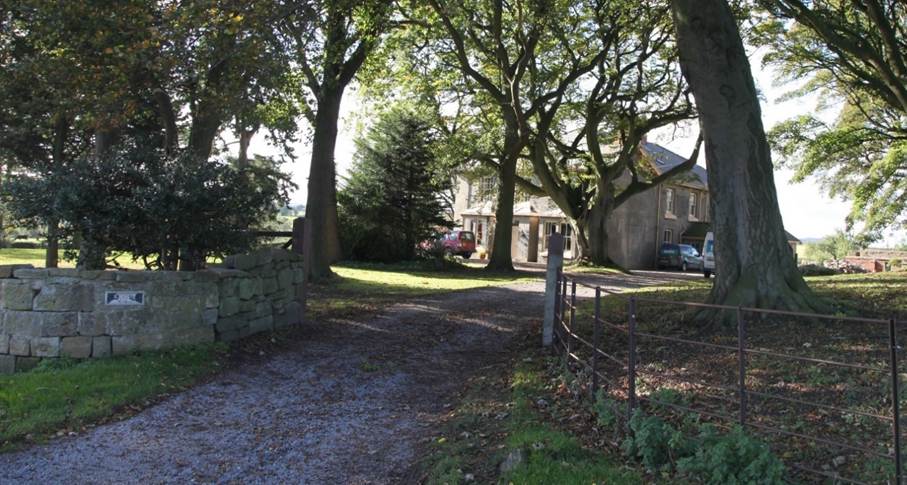
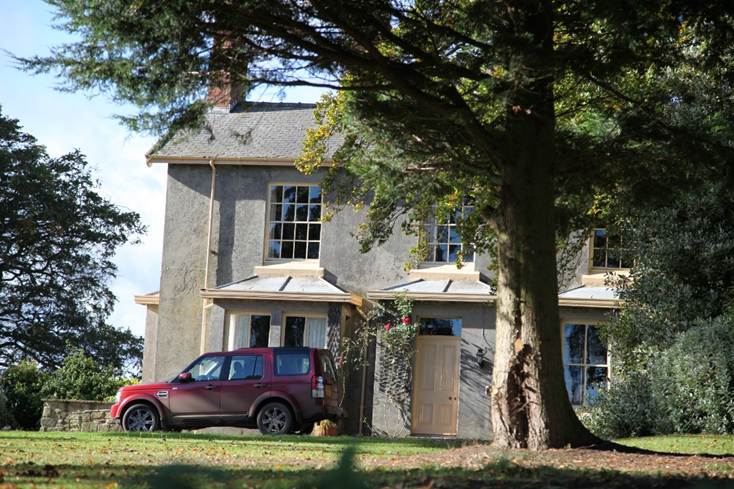
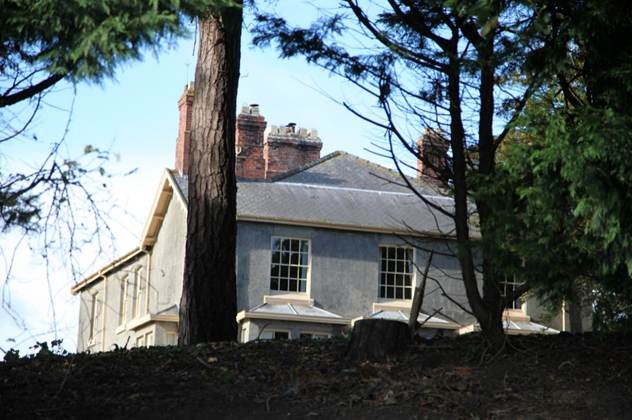
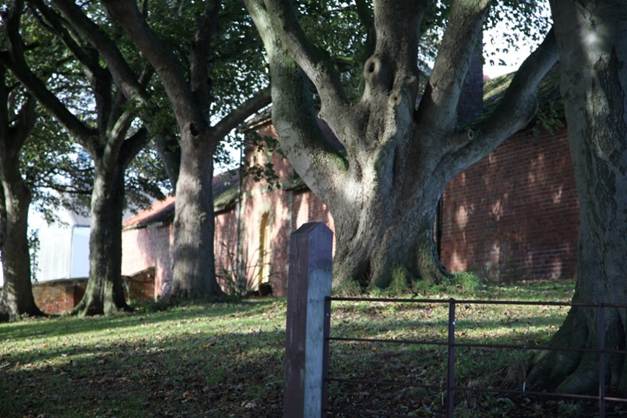
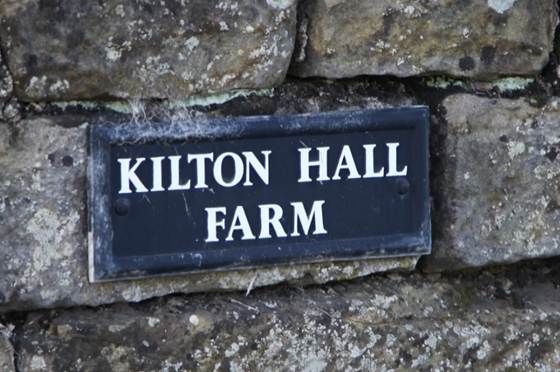
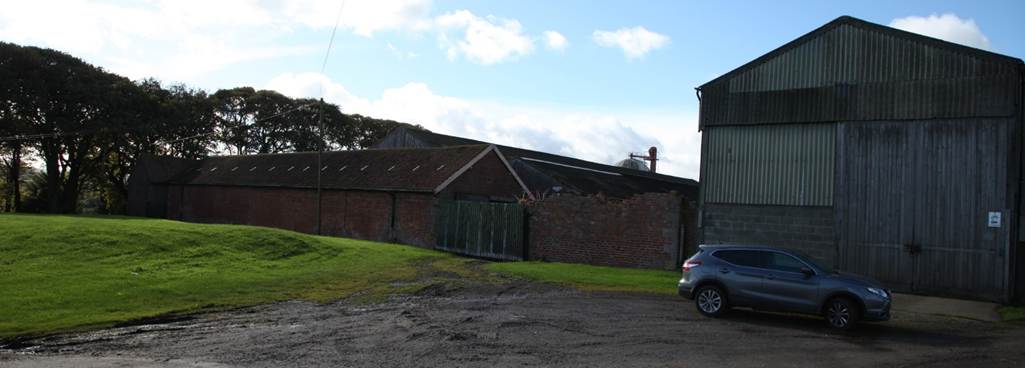
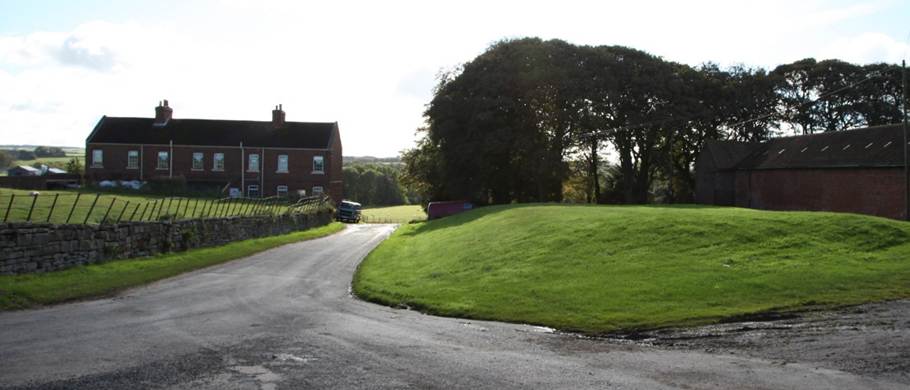
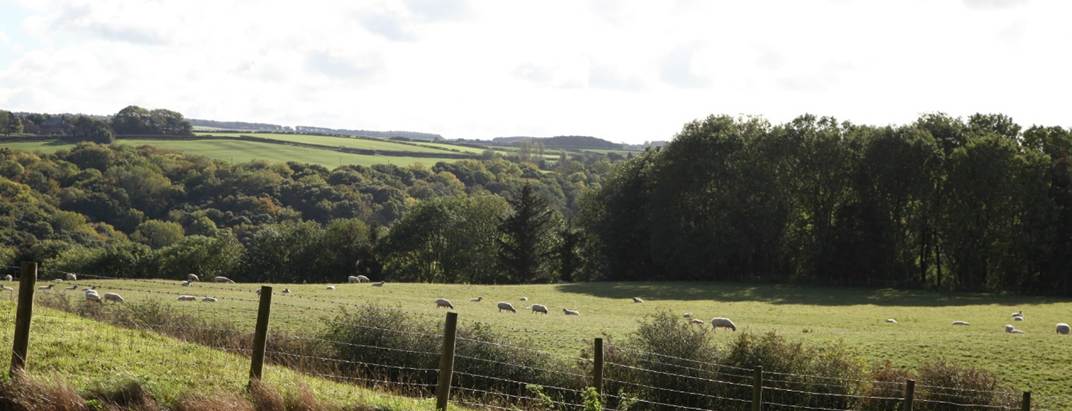
Kilton Hall in
2016