Liverton
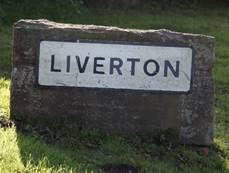
Historical and geographical information
|
Return to the Home Page of the Farndale Family
Website |
The story of one family’s journey through two
thousand years of British History |
The 83 family lines into which the family is divided.
Meet the whole family and how the wider family is related |
Members of the historical family ordered by date of
birth |
Links to other pages with historical research and
related material |
The story of the Bakers of Highfields, the Chapmans,
and other related families |
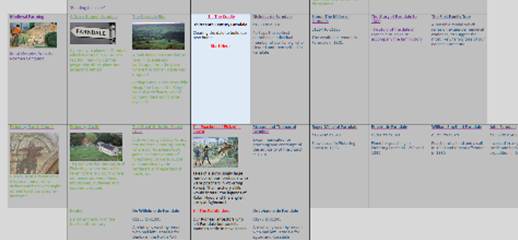
Dates are in red.
Hyperlinks to other pages are in dark blue.
Headlines of the history of the Liverton are in brown.
References and citations are in turquoise.
Contextual history is in purple.
This webpage
about the Liverton has the following section headings:
·
The
Farndales of Liverton
·
Liverton, an
overview
· Timeline of Liverton
The Farndales of Liverton
The Liverton
1 Line were the descendants of Rychards ffarnedayle
(FAR00075)
(born 3 February 1604). Rychards moved his
family to Liverton from Skelton. The Liverton 2 Line were the
descendants of Nicholas Farndale (FAR00082)(6
July 1634 to 28 February 1693/4). A Liverton Family, Nicholas had
four children from his first marriage and two from his second.
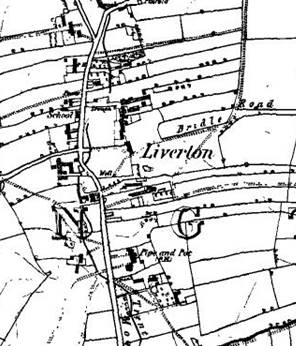
Liverton
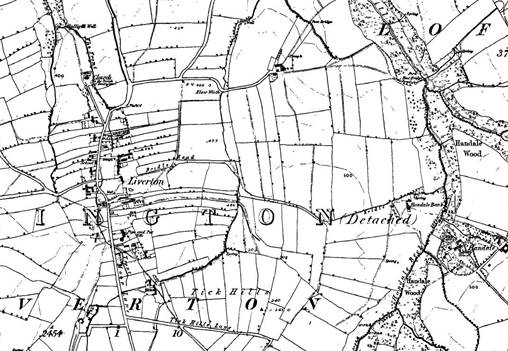
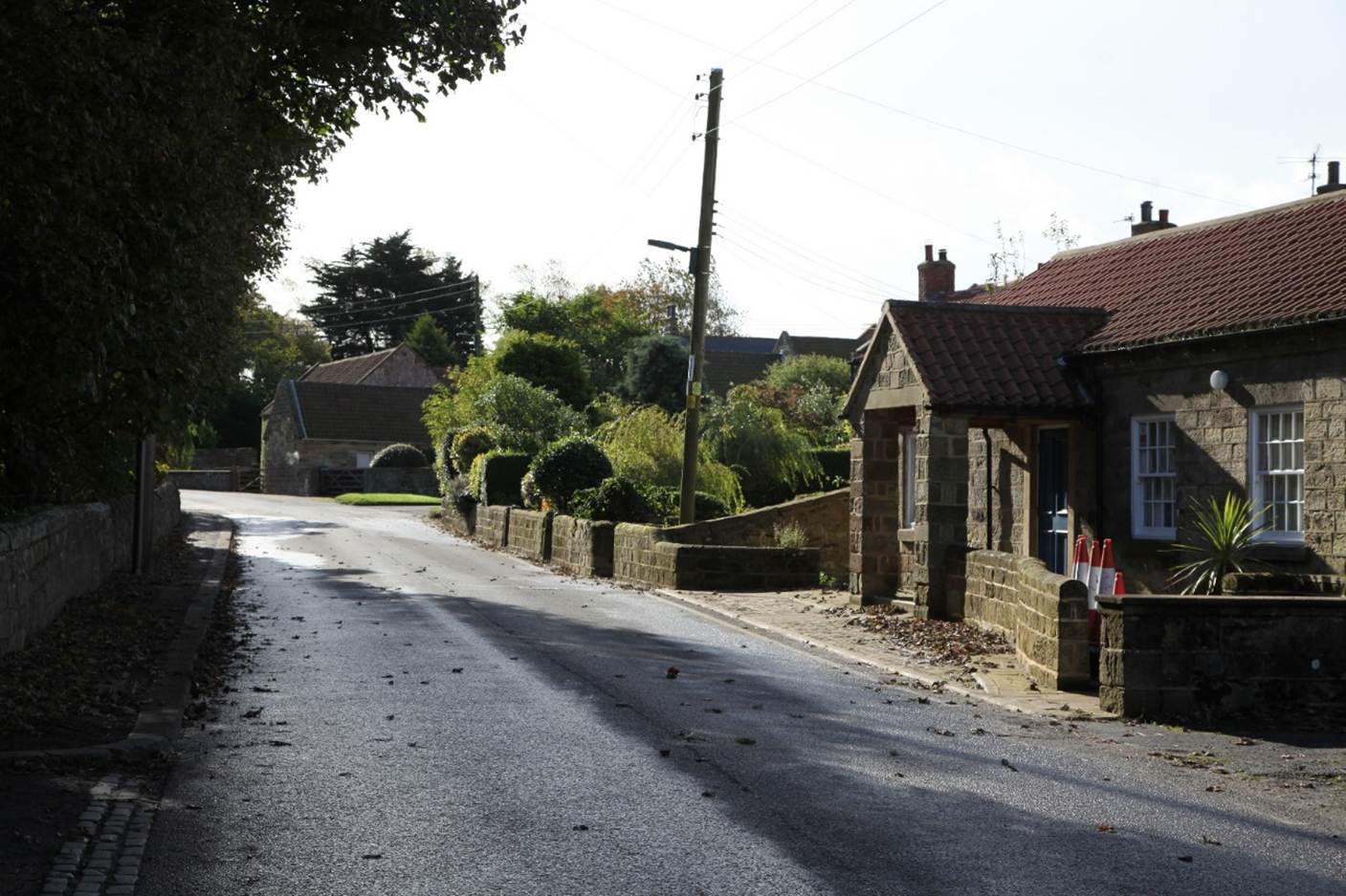
Liverton is
a village in the borough of Redcar and Cleveland and
the ceremonial county of North Yorkshire, England. It is located
140 meters above sea level and is located on the edge of the North
Yorkshire Moors.
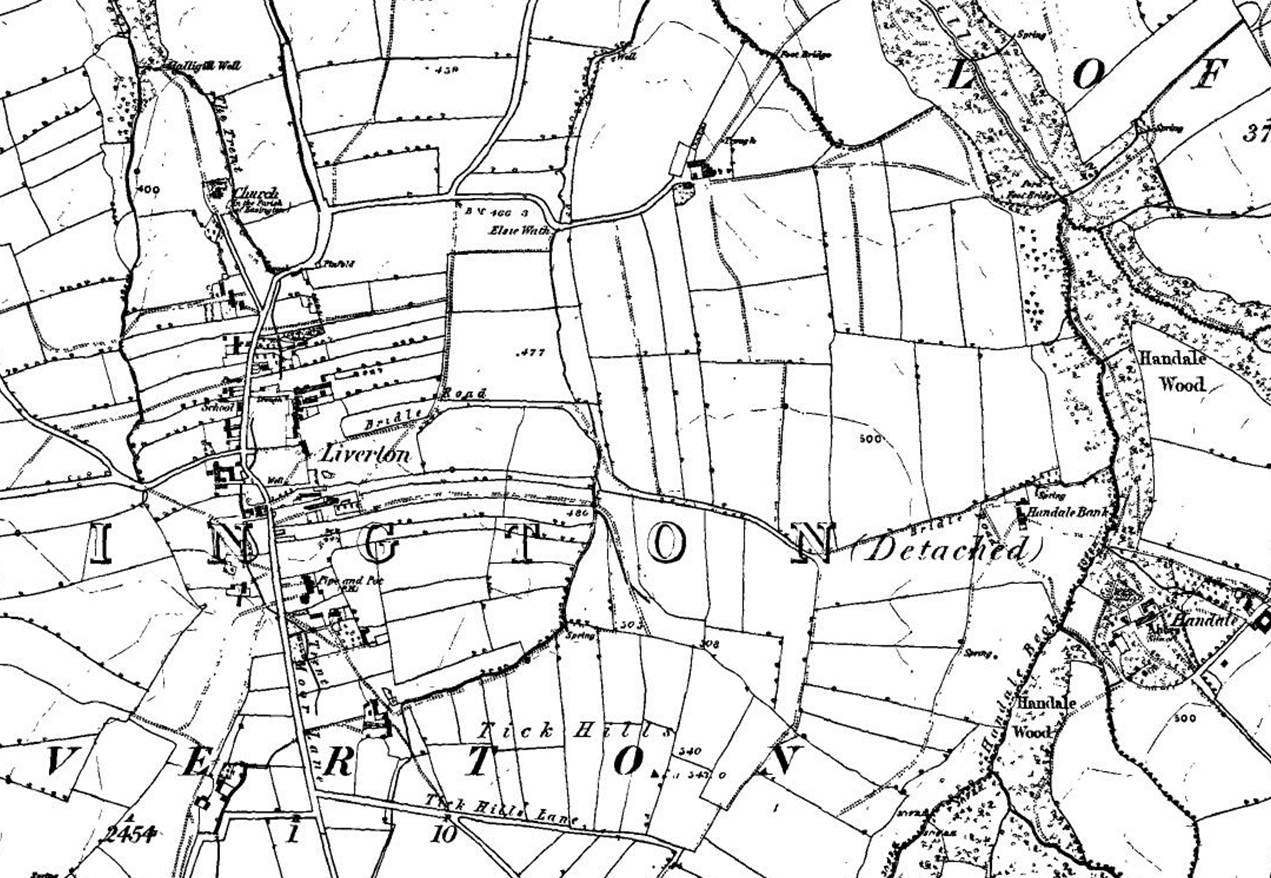
The Victoria County History – Yorkshire, A History of the
County of York North Riding: Volume 2 Parishes: Liverton, 1923: Liverton
(Liureton (eleventh century); Liverton,
Leverton (thirteenth and fourteenth centuries) is a parochial
chapelry ecclesiastically dependent on Easington and a township under the
Loftus Urban District Council. Its area is 2,457 acres of land, of which 678 acres
are arable, 1,011 acres permanent grass, 205 acres woods and plantations and 4
acres covered by water. The subsoil is inferior oolite and Oxford clay, the
soil clay and gravel, the crops raised being chiefly wheat, barley, beans and
oats. The iron mines, which belong to Viscount Downe and are leased to the
Cargo Fleet Iron Co. Ltd., were opened by 1874 and large quantities of
ironstone are now sent to Middlesbrough for smelting. The village of Liverton
is built on a by-road which runs from Loftus south to the moors. In the fields
some distance to the north is the old chapel, now called the church of St.
Michael. By the beck is Park House, a farm to which a park is attached. This
may represent the capital messuage of the manor mentioned in the 14th century
and the park of Halikeldale referred to in the 13th
century and later. Liverton has a Wesleyan chapel and a public elementary
school.
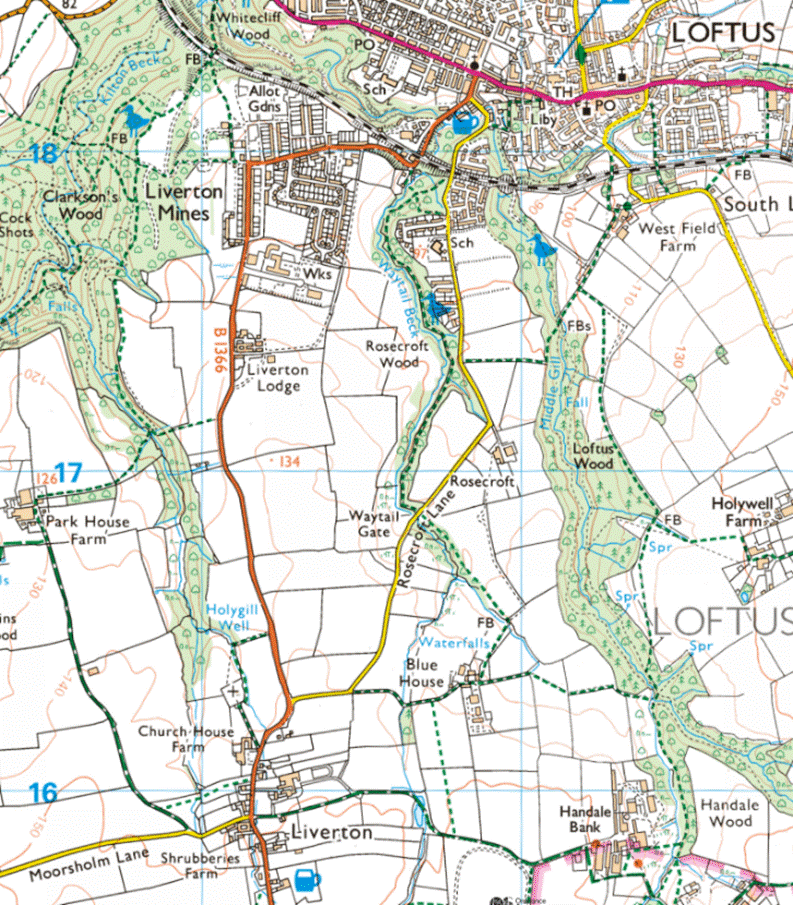
Liverton Mines is
a separate village, about 2km north of Liverton, on the outskirts of Loftus.
Liverton Timeline
1086
Liverton Village
is named in the doomsday book and was previously named Liureton.
In 1086 7 carucates in Liverton were soke of the 'manor' of Loftus; they were
afterwards under the overlordship of the lords of Loftus.
Topographical
Dictionaries, A Topographical Dictionary of England, 1848: This place,
which at the time of the Domesday survey was a barren and unprofitable waste,
was granted by the Conqueror to Robert de Brus, lord of Skelton, from whose
descendants it passed, through the family of Thweng,
to the Latimers, Willoughbys,
and others.
Twelfth century
The village can
date its roots back to the 12th century, with evidence of this seen from the
font, arch and doorway of St Michaels church. There is further evidence of a
medieval settlement in area.
The Parish Church
of St Michaels dates back to the 12th century. The font, arch and doorway
are from that time. Alterations over the years have kept the church in good
state and retained the original structure. The church was restored at the
beginning of the 20th century and the plaster was removed from the Chancel
arch.

St Michael’s
Church
1180
The Victoria County History – Yorkshire, A History of the
County of York North Riding: Volume 2 Parishes: Liverton, 1923: Robert
de Liverton in about 1180 granted to Whitby Abbey tenements in 'Holmesclive,' Waytail (Waytehil) and 'Hutcroft' here. In
another grant to the abbey he mentions the footpath from Gerrick (Grenerig), 'Scalebec,' 'Luskeldesic' or 'Luscheldesic'
stretching from the coast road to 'Dunscinghales' or
'Duncilghales' and from the cultivated land to 'Scortebuttes,' and the road and land of 'Stuntheridighe' to the footpath from Loftus.
Thirteenth century
The Victoria County History – Yorkshire, A History of the
County of York North Riding: Volume 2 Parishes: Liverton, 1923: The
13th-century names 'Ravensike,' 'Trebersike'
and 'Scortlandes' occur.
1720
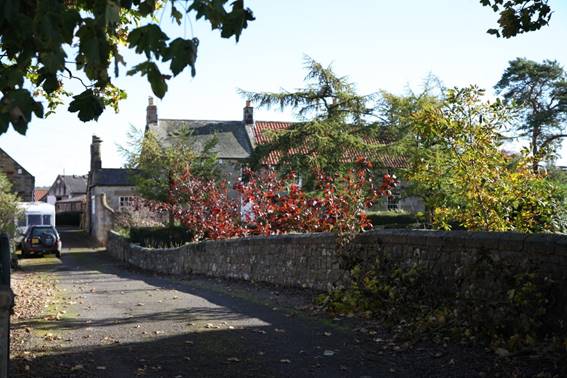
Tickhill House Farm and Cottages (Middle House and Haygate Cottage) - dating back to 1720, List Entry Number
1136629
1800
Shrubberies Cottage and Farm - dating back to 1800, list Entry
Number 1139678.
1848
Topographical Dictionaries, A Topographical
Dictionary of England, 1848: The chapelry comprises 2,393 acres, of which a very
considerable portion is high moorland. The village is situated about midway
between the sea and the road from Whitby to Guisborough, and consists chiefly
of houses irregularly scattered along the edge of a common.
1857
1866
The separate village of Liverton Mines had an ironstone pit outside
the village, located in the Cleveland Ironstone belt. The pit was opened in
1866 and closed in 1923.
1870
In 1870-72, John Marius Wilson's Imperial Gazetteer of England and
Wales described Liverton like this: LIVERTON, a township-chapelry in
Easington parish, N. R Yorkshire; 6¼ miles E of Guisbrough
town and r. station. Post town, Redcar. Acres, 2,400. Real property, £1,216.
Pop., 186. Houses, 38. The manor belongs to Viscount Downe. The living is a p.
curacy, annexed to the rectory of Easington, in the diocese of York. The church
is partly Norman.
1962
There is a
village Inn called The Waterwheel Inn. Located on the edge of the village, the
pub reopened in 1962 and is a traditional building with beams on show and built
from sandstone.
2016
Bibliography