Henry Stewart Farndale
27 September 1916 to 11 May 1945
FAR00832
|
Return to the Home
Page of the Farndale Family Website |
The story of one
family’s journey through two thousand years of British History |
The 83 family lines
into which the family is divided. Meet the whole family and how the wider
family is related |
Members of the
historical family ordered by date of birth |
Links to other pages
with historical research and related material |
The story of the
Bakers of Highfields, the Chapmans, and other related families |
Headlines of
Henry Farndale’s life are in brown.
Dates are in red.
Hyperlinks to
other pages are in dark
blue.
References and
citations are in turquoise.
Context and local
history are in purple.
Geographical
context is in green.
Leeds
1916
Henry S Farndale,
son of Henry and Grace Elizabeth (nee Bell) Farndale (FAR00596B), was born on 27
September 1916 in Leeds (census) in 1916. His birth
was registered in Leeds District in the fourth quarter of 1916 (GRO Vol 9B Page 586).
1921
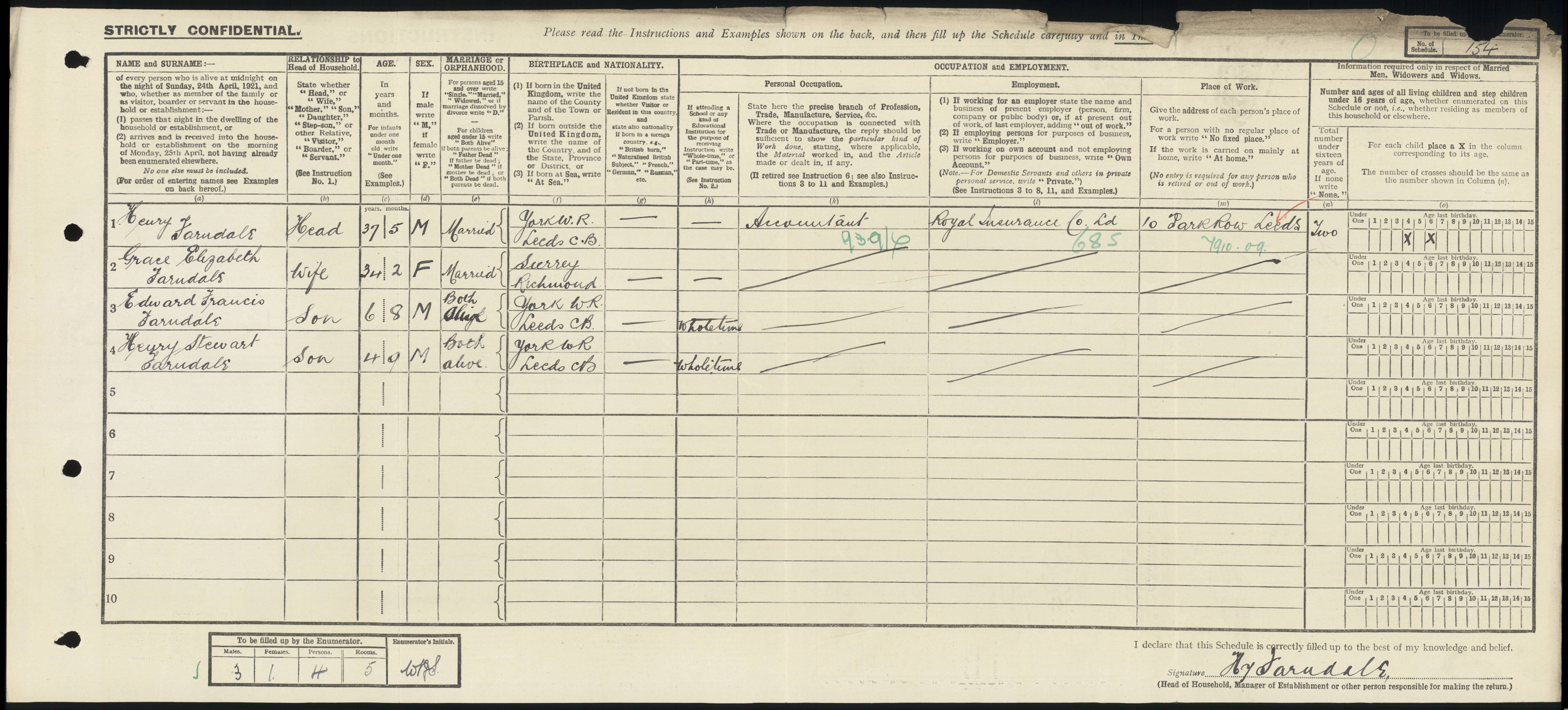
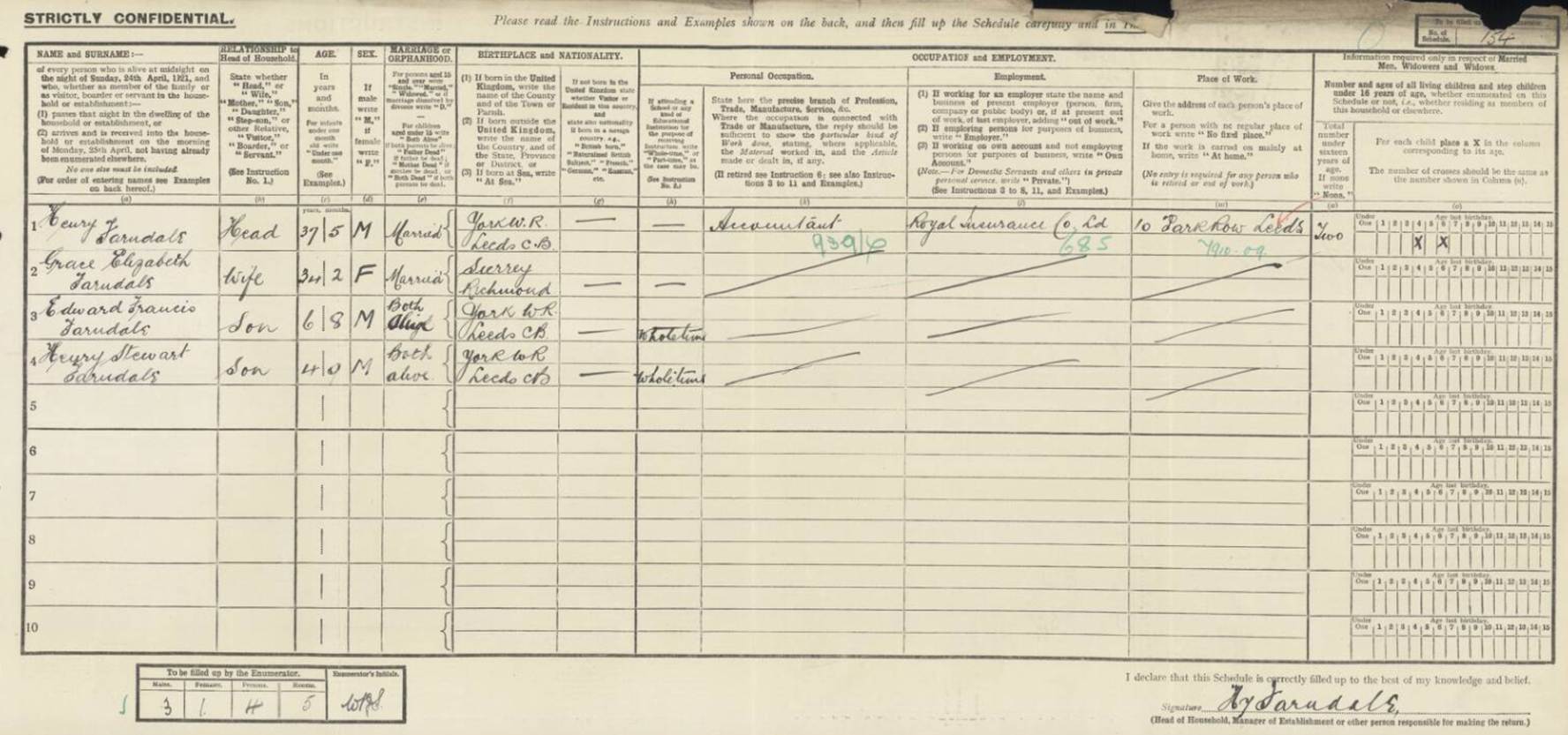
Henry
Farndale, head, 39, accountant with the Royal Insurance Co Ltd, 10 Park Row,
Leeds
Grace
Elizabeth Farndale, 24, born Richmond, Surrey
Edward
Francis Farndale, son, 6, in full time education, born in Leeds in about 1915
Henry
Stewart Farndale, son, 4, in full time education, born in Leeds in
about 1917
Bradford
1940
Henry S Farndale,
married Maria Patchett in 1940 and their marriage was registered in the second
quarter of 1940 at Bradford District (GRO Vol 9b page 298).
Their son and
daughter, Henry Farndale (FAR00969)
and Ivy Farndale (FAR00970)
were born in the fourth quarter of 1940. They both died at birth or very soon
after they were born.
1941
London
Gazette, 24 April 1941: TRAINING BRANCH. The undermentioned are
granted commissions for the duration of hostilities as Acting Pilot Officers
on probation: … Henry Farndale (63251) …
1942
Maria Farndale, died age 27,
Wharfedale District in the fourth quarter of 1942.
Leeds
1943
Supplement
to the London Gazette, 17 August 1943: … The
commissions of the undernoted are terminated: …Pilot Officer H Farndale
(63251), 30th July 1943 …
Military
records, 17 August 1943: 521789 Corporal Henry Stuart Farndale;
Service: Royal Air Force; Corporal (Pilot under training). Son of Henry and
Grace Elizabeth Farndale of Roundhay, Leeds
No.
7 Flying Training School (7 FTS) is a former Royal Air Force flying training
school that operated between 1935 and 1994.
On
the outbreak of the Second World War on 3 September 1939, the school at RAF
Desford, Leicestershire dropped the "Reserve" and became No. 7
Elementary Flying Training School. At its peak there were 120 Tiger Moths based
at Desford, in four flights. In mid-1940 some of these were fitted with bomb
racks, in case of a German invasion. In October 1940 the municipal airport at
Braunstone was requisitioned by the military and became a satellite airfield of
Desford, with some training taking place there.
Apart
from the Tiger Moths several other aircraft made landings at Desford. On 23
March 1942 Avro Lancaster "W4367", from No. 106 Squadron made a
forced landing at Desford while returning from an operation, suffering minor
damage. On 5 September 1943 a Boulton Paul Defiant crashed at the airfield, and
was so badly damaged that it was scrapped. In October 1943 a B-17 Flying
Fortress from 547th Bombardment Squadron, based at RAF Grafton Underwood,
became lost on returning from a raid on Germany. It landed at Desford, but
overshot the runway and crashed into a hangar, injuring two of the crew. The
aircraft was later dismantled on site.
From
January 1940 Desford also housed units of the Civilian Repair Organisation,
engaged in aircraft repairs and modifications, originally the Boulton Paul
Defiant, and later the B-25 Mitchell. Vickers-Armstrongs also had a factory at
Desford to manufacture undercarriages for Supermarine Spitfires, and also
carried out the assembly of aircraft there, with about 1,000 Spitfires rolling
out of the Desford factory.
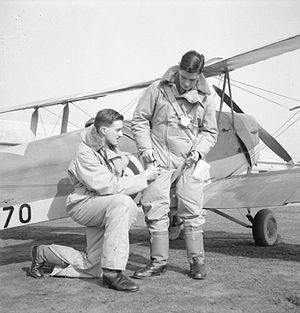
Instructor and pupil in front of a de Havilland Tiger Moth at
No. 7 EFTS, Desford. Both wear 1930 Pattern flying suits.
1945
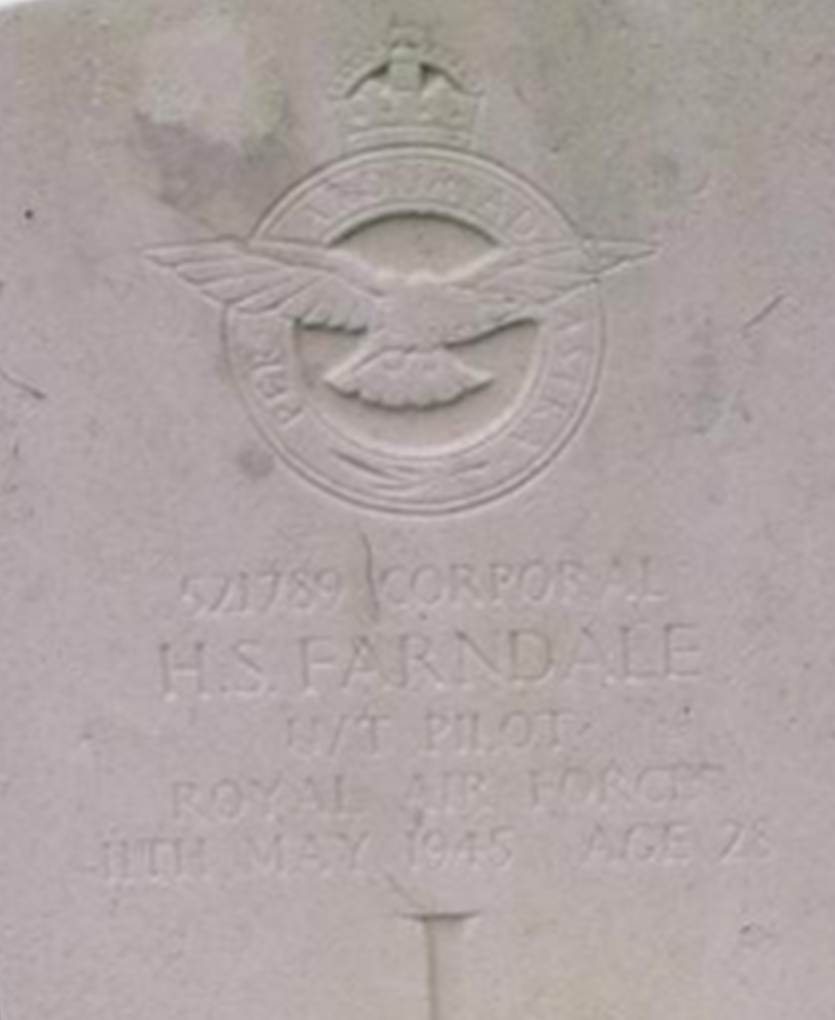
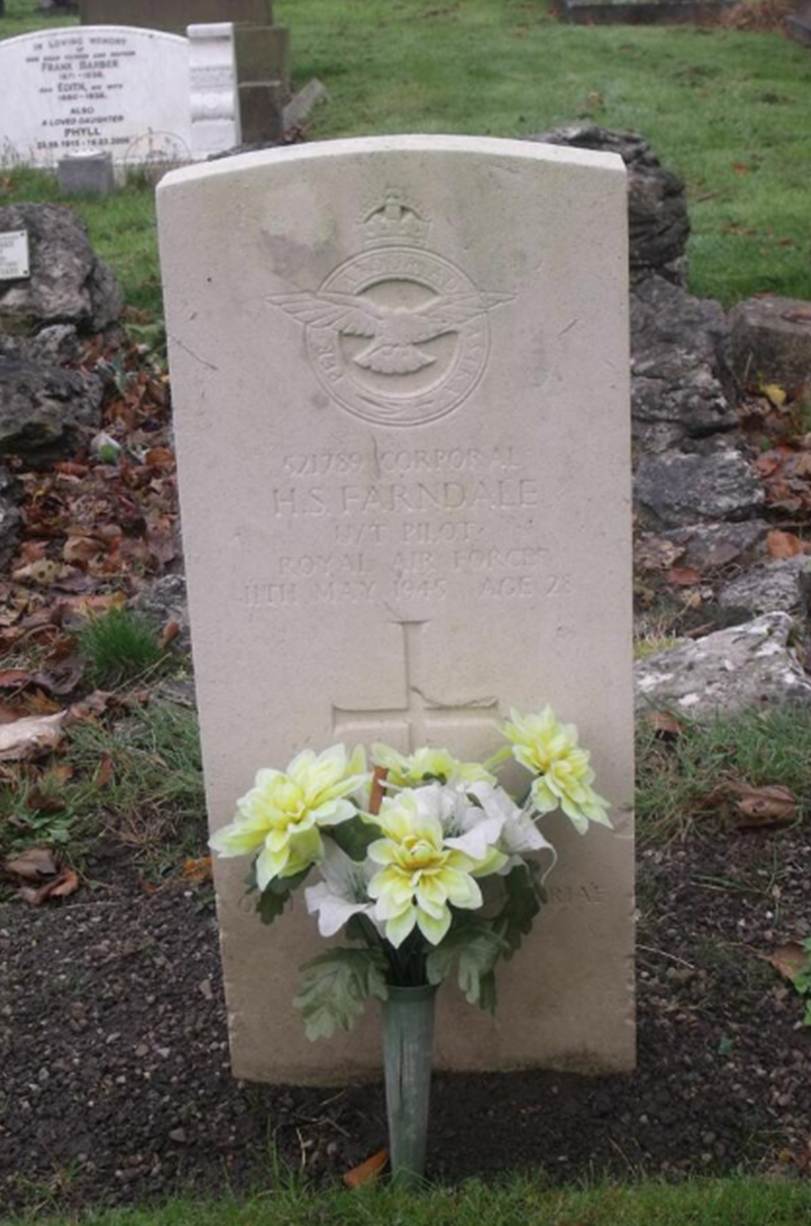
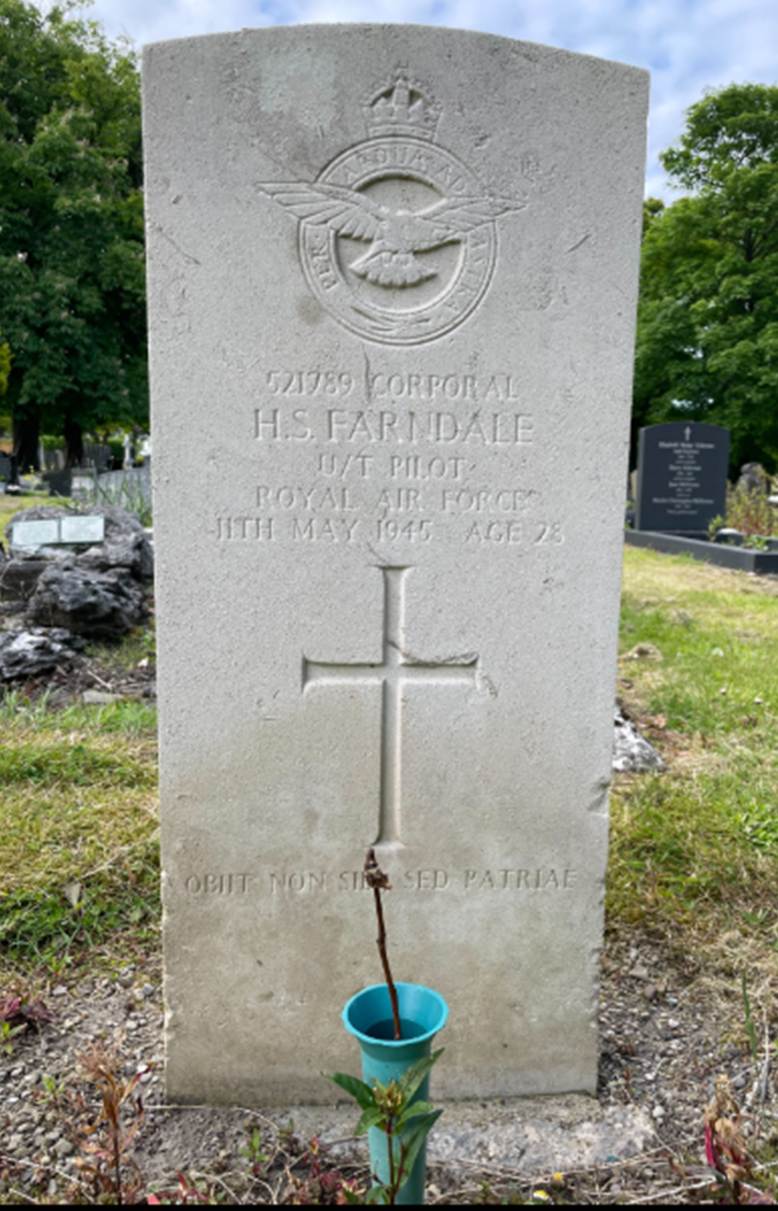
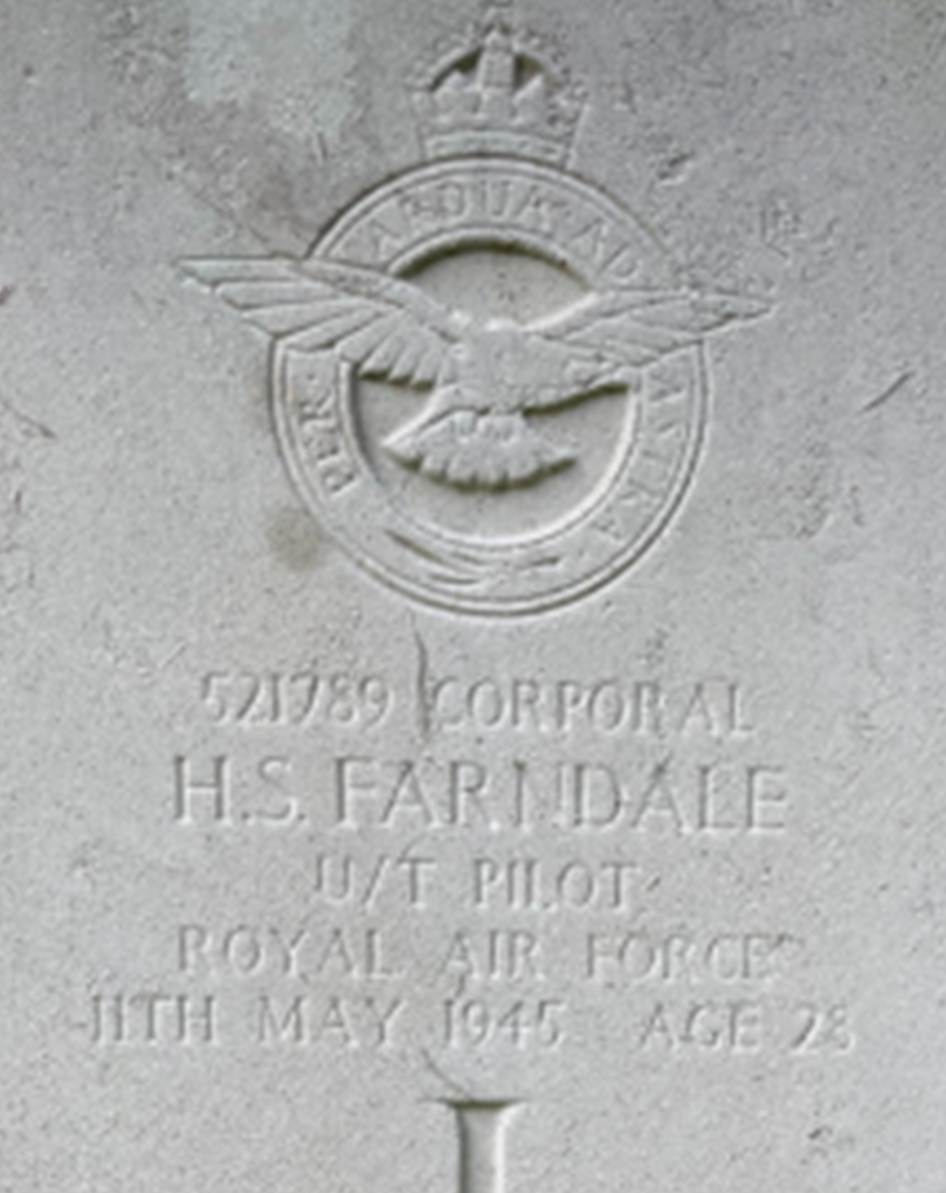
521789
Corporal Henry Stuart Farndale, pilot under training, Tiger Moth T6910, died on
11 May 1945, aged 28, and buried at Leeds Lawnswood Cemetery - Section V Grave
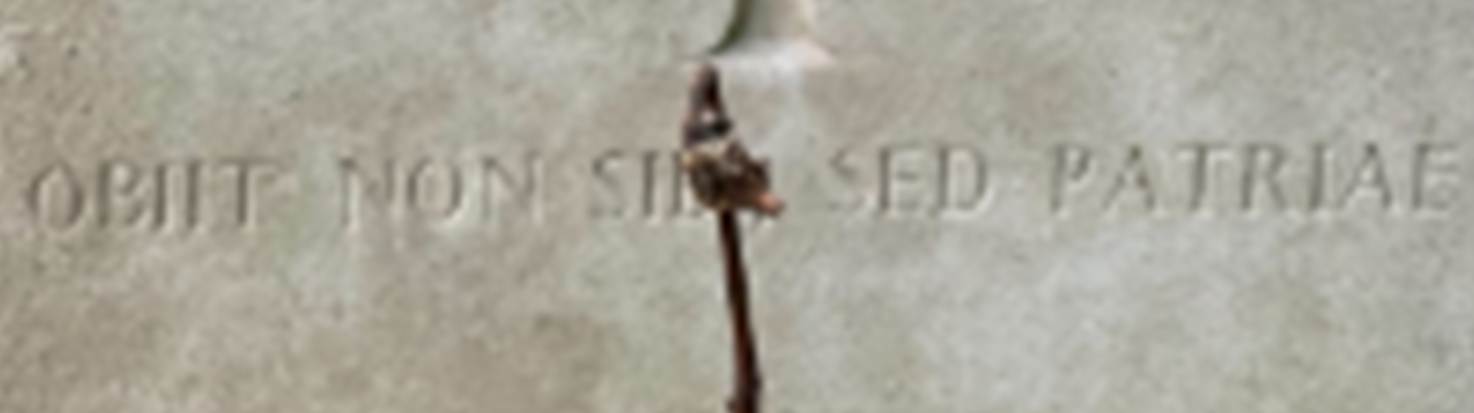
265, Leeds (Lawns Wood) Cemetery (obit non sibi, sed patriae – Not for Self but for Country). His unit
was 7 EFTS. His aircraft crashed. He was killed while flying out of Desford, Leicestershire.
His aircraft collided with Tiger Moth T5982 near Elmdon, Birmingham during
Formation Flying Practice (World War II Index to
Allied Airmen Roll of Honour 1939 to 1945).
His death was registered in the second quarter
of 1945, at Meriden District, Warwickshire (GRO Vol
6d page 600).
During the First World War, the major hospitals in Leeds were the
2nd Northern General with 1,800 beds and the East Leeds War Hospital with
1,900. Leeds was also one of the principal hospital centres in Yorkshire during
the Second World War. Leeds (Lawns Wood) Cemetery contains 138 burial of the
First World War, 88 of them forming a war graves plot in Section W. As these
graves could not be marked individually, the names of the dead are recorded on
a screen wall. The rest of the First World War burials and all of the 67 Second
World War burials are scattered throughout the cemetery. A further screen wall
bears the names of 105 casualties of both wars buried in Leeds General
Cemetery, where their graves could no longer be maintained. In all, there are
now 222 First World War casualties and 91 from the Second World War
commemorated in the cemetery.
The cemetery also contains Leeds (Lawns Wood) Crematorium, where there is a
memorial to 94 Second World War casualties whose remains were cremated.