Margaret Louisa Baker (“Peggy”) later Farndale
24 February 1901 to 17 November 1996
BAK00002
|
Return to the Home Page of the Farndale Family
Website |
The story of one family’s journey through two
thousand years of British History |
The 83 family lines into which the family is divided.
Meet the whole family and how the wider family is related |
Members of the historical family ordered by date of
birth |
|
Return to the Home Page of the Bakers Family part of the website |
The Bakers of Highfields Story
The Story of the Dods and Bakers and of Highfields,
Fenton House and Hasfield Court. A journey through the history of Cheshire
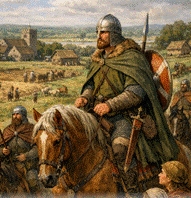
and Staffordshire, an Anglo-Saxon nobleman who retained his lands after the
Conquest, pottery at Stoke on Trent, an encounter with Elgar, and the history
of an Elizabethan manor house at Audlem |
The family tree of the Bakers of Highfields |
The Family Tree of the Dods, predecessors to the
Bakers of Highfields |
The Bakers of Fenton House and Hasfield
Court
The Family Tree of the pottery Bakers of Stoke on Trent |
The Family Tree of the Bellyse Family |
The main part
of this website tells the story of the Farndale family from Yorkshire Descendants of Arthur Baker, the story of the
Farndale ancestry is told through the main part of this website You can also return to the Farndale
website home page |
The genealogy of the family of James Hall, linked to
the Baker family through marriage to Arthur Baker |
Headlines of
Peggy Baker’s life are in brown.
Dates are in red.
Hyperlinks to
other pages are in dark
blue.
References and
citations are in turquoise.
Context and local
history are in purple.
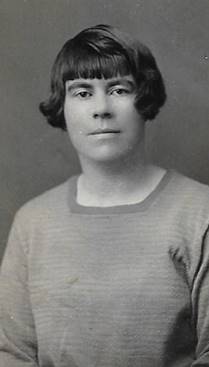
Margaret Louisa
Baker was born in Audlem in Cheshire on 24 February
1901 (GRO Volume 8a page 351). Her father was Arthur
Baker (1860 to 1916)(BAK00155),
who was 41 when Margaret was born. Her mother was Marianne (nee Hall)
Baker (1869 to 1908)(HAL00103),
who was 31 when she was born. Her grandson, Nigel Farndale, many years later
remembered that Peggy would say “I was born on St Matthias’ Day, you know”
and then add with a mischievous grin and a roll of the eye, “Haven’t a clue who
St Matthias was though!”.
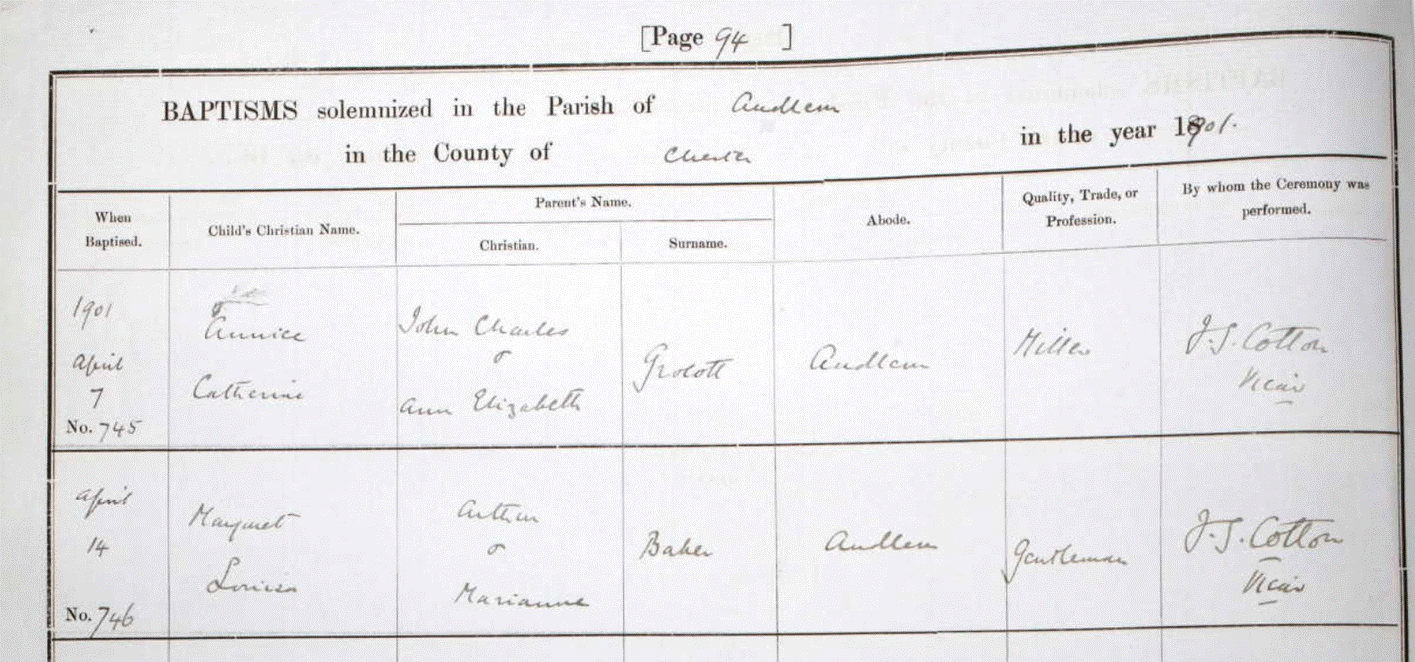
She
was baptised at St James the Great, Audlem, Cheshire on 14 April 1901 (Audlem, St James the Great, Bishop's Transcripts).
Margaret
had an older sister, Hilda Marianne Baker (BAK00170),
who was born in 1899, so was nearly two years older. Her younger brother,
Geoffrey Richard Farndale (BAK00172) was
born in 1904.
In
the year that Margaret was born, the census recorded
that the family were living at Swanbach Villa, Audlem, Cheshire. Arthur Baker
was head of the family, aged 41, ‘living on his own means’, with his
wife Marianne, aged 31. Living with them were Hilda Marianne Baker aged 1,
Margaret Louisa Baker aged 1 month, and Maude Whiston, a servant.

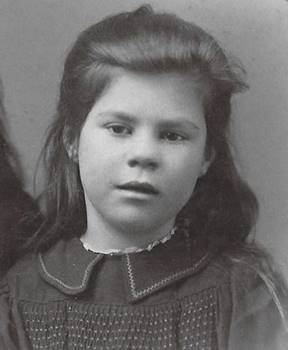
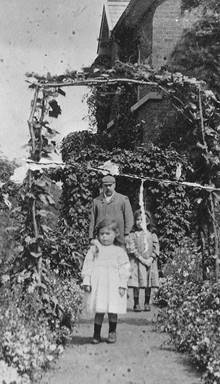
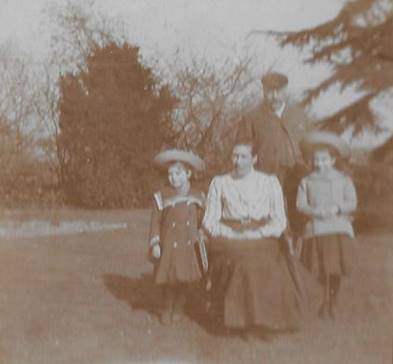
1905
Margaret Baker with Hilda in about 1905 Arthur Baker with Hilda and Margaret in
about 1905 Hilda And Margaret Baker in
about 1906 Arthur
and Marianne Baker with Margaret and Hilda about 1906
Margaret Baker
1907
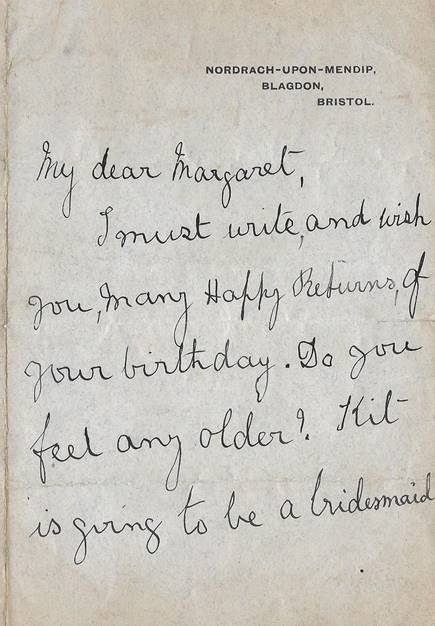
We have an early letter to Margaret from her mother, Marianne,
which must have been in about 1907 or 1908. Nordrach House at Charterhouse on Mendip was a
former tuberculosis hospital, so she must have been ill when she wrote.
My Dear Margaret. I must
write and wish you many happy returns of your birthday. Do you feel any older?
Kit is going to be a bridesmaid at Easter, to an old schoolfellow of hers. I
wonder what she will wear. Hsave they pout the papers on the walls yet? I
expect Geoff will help. Your auntie Katie sent me some daffodils and red
anemones. Do you go for walks? Live from your loving mother.
1908
Marianne died on 16
May 1908 at Swanbach Villa, when Margaret was only seven years old. What a shock it must have been for the young
family to lose their mother so soon.
1910
Nevertheless,
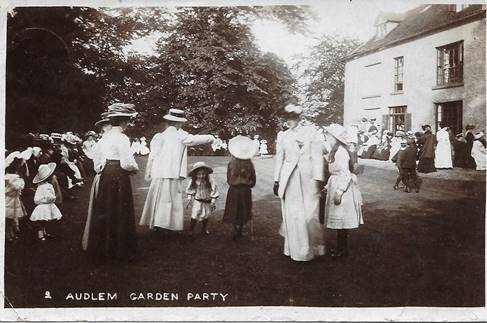
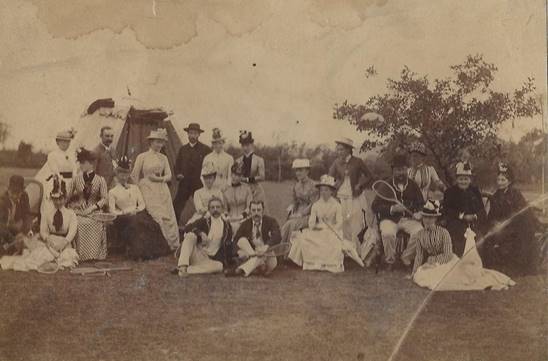
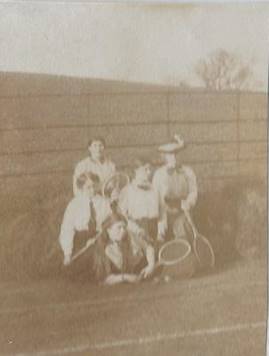
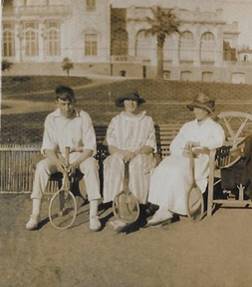
by 1910, there were garden parties and ‘heaps of tennis’ going on, as
recorded in a card to Kit Lynham (LYN00002),
Margaret’s cousin, though Margaret was still only nine then.
1911
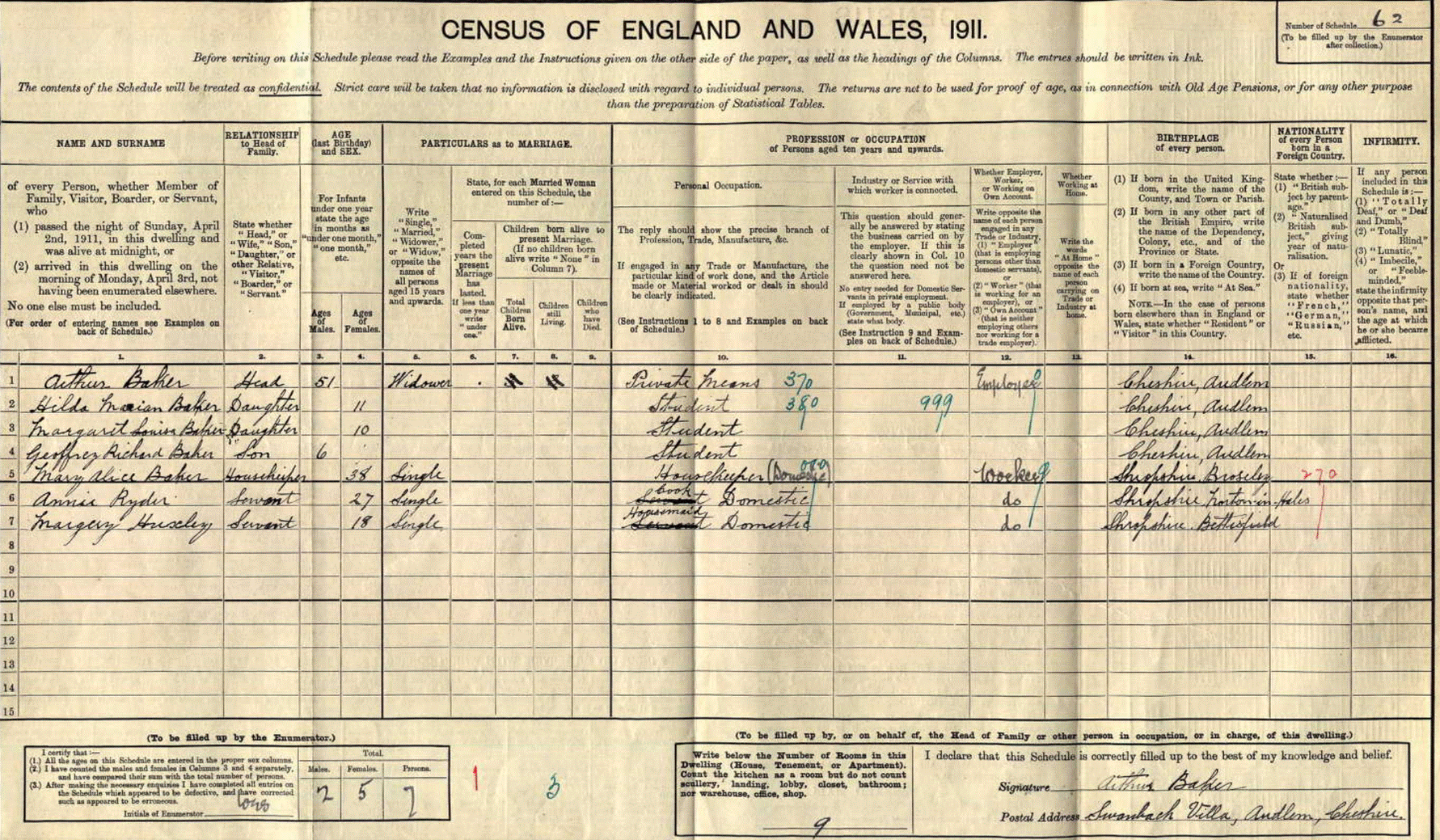
By the 1911 census, the family were still living at
Swanbach Villa, Audlem, Cheshire. Arthur Baker was head of the family, 51,
living on his own means, a widower. Living with him were Hilda Marian Baker
(1899 to 1979), who was 11, Margaret Louisa Baker, aged 10, Geoffrey Richard
Baker (1904 to 1974) aged 6, with Mary Alice Baker, aged 27, and
also a housekeeper and two servants.
Swanbach Villa, Green Lane, Audlem (an early seventeenth century
farmhouse, with nineteenth century additions)
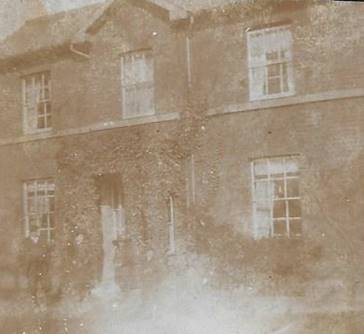
The family later lived at Hillside, Audlem.
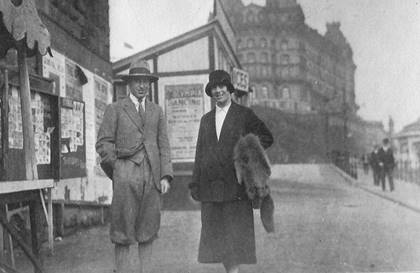
Hillside,
Audlem
and Peggy re-visiting in about 1990
1915
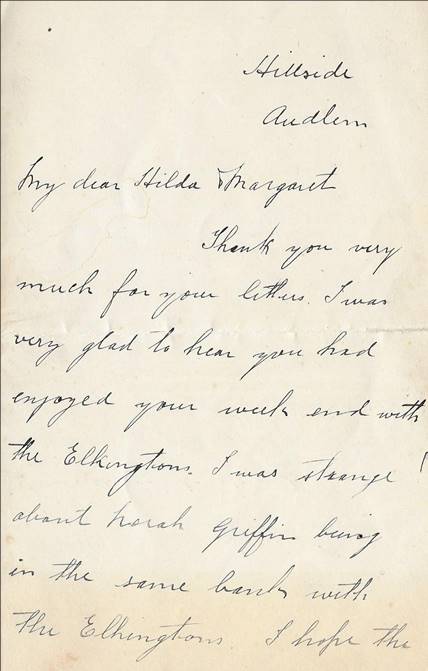
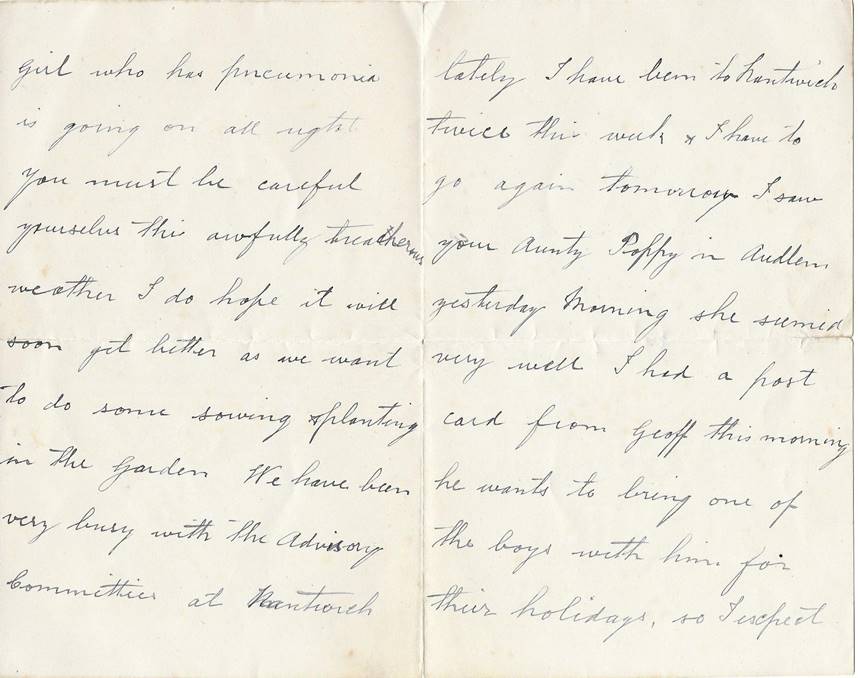
Margaret’s father wrote a letter to Margaret and Hilda in perhaps
about 1915:
My dear Hilda and Margaret. Thank you very
much for your letters. I was very glad to hear you had enjoyed your weekend
with the Elkingtons. I was strange about Sarah
Griffitns being in the same ? with the Elkingtons. I hope the girl who has pneumonia is going on
all right. You must be careful yourselves this awfully treacherous weather. I
do hope it will soon get better as we want to do some sowing and planting in
the garden. We have been very busy with the advisory committee at Nantwich
lately. I have been to Nantwich twice this week and I have to
go again tomorrow. I saw your aunty Poppy in Audlem yesterday morning, she
seemed well. I had a post card from Geoff this morning. He wants to bring one
of the boys with him for their holidays, so I expect he will come, I think he is
a Belgian. Geoff seems to have taken a fancy to him. I have not heard if Kit
has got leave or not. Geoff has not said anything about her being at Oxford. I
saw your grandad drive past yesterday. There is very little news to tell you.
With best love to you both from your loving Daddy.
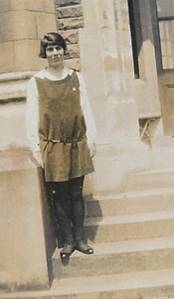
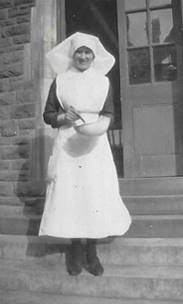
Margaret
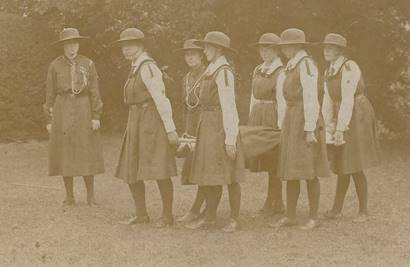
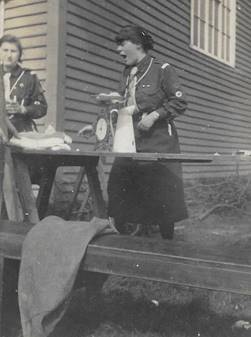
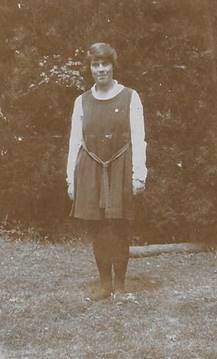
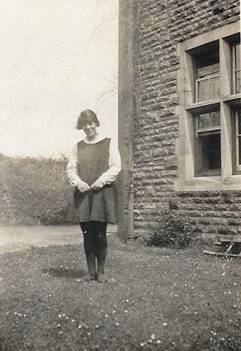
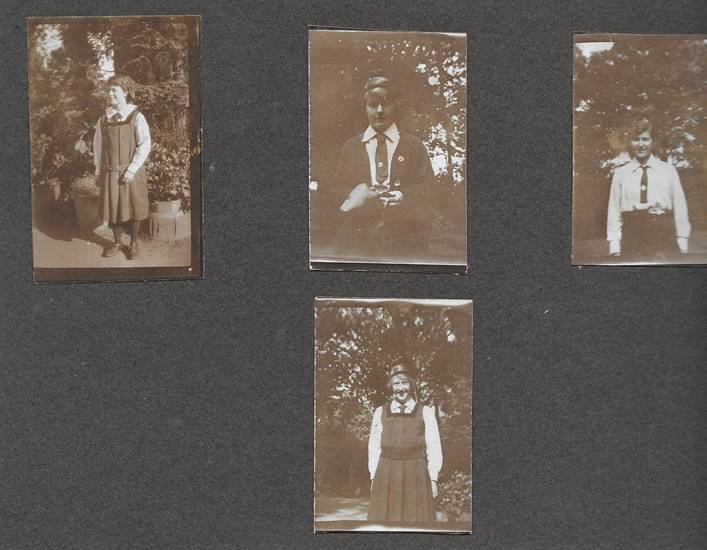
and the girl guides Annotated “Margaret
Baker – you do look ‘ripping’ ahem! – I sent one to a friend of yours.”
The Girl
Guides grew in the following decade with Bakers involved. In 1926 the Audlem
Guides started with Miss Nellie Baker as their Captain and continued until
1936. The Brownies appear to have opened (again under Miss Baker of Victoria
Terrace as Brown Owl, in 1928 but closed later. (Latham,
Frank (1997), Audlem: The History of a Cheshire Parish and its seventeen
townships, page 63).
1916
Margaret Baker went
to school in Southampton, leaving there in about 1916.
Tragically, Margaret’s
father, Arthur Baker, died in his sleep in 1916, aged only 57, and was discovered by
Margaret’s brother Geoffrey. Margaret had been to early communion at church
with their housekeeper, Miss Healing. So Margaret, her
sister Hilda and younger brother Geoff, had lost both their parents by that
young age. Margaret was only 15 when her father died.
Nigel Farndale, her
grandson later reflected that She must have had a sad childhood, marked by
the early deaths of her parents. Yet, for all her formal upbringing in
Cheshire, under the severe gaze of those she referred to only as “The Aunts”,
she developed a spirit of rebellion, independence, and cheerfulness that was to
characterise her life.
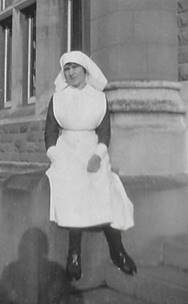
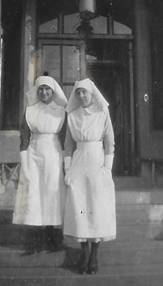
The
Aunts
The
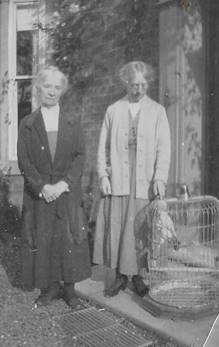
rather eccentric Aunts were known as the Miss Bakers and comprised
Henrietta (known, for some reason, as Aunt Poppie)(BAK00150),
Charlotte (Aunt Tottie)(BAK00157) and
Aunt Emily (BAK00158).
They were all Arthur Baker’s sisters and they lived together at the Cedars,
with Peggy’s equally eccentric Uncle Dick (BAK00154), a
local solicitor, known for his flamboyant fun making of the local hunt. On the
Hall side of her family, there was also Aunt Catherine (Lynham)(HAL00100).
1918
By
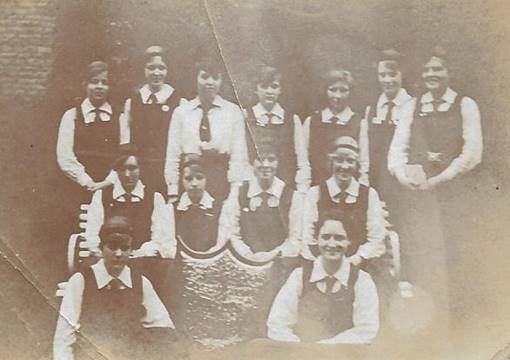
1918, despite the challenges of the last few years, Margaret was a prefect.
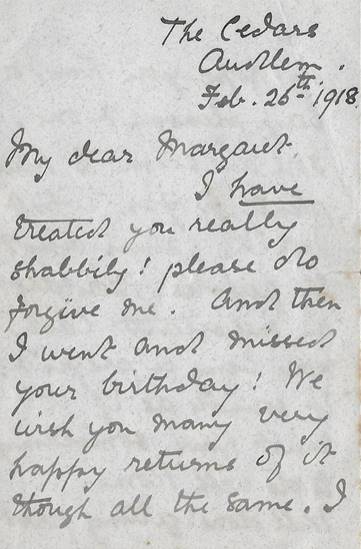
Her Aunt Charlotte (“Tottie”) (BAK00157)
wrote to her on her seventeenth birthday, You do seem to have plenty of fun
what with the games and the Guides. You are an important lady now being a
prefect! It sounds as if it must have something to do with Rome. Well done
getting first in class.
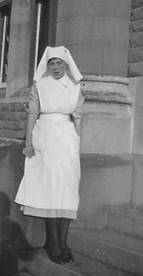
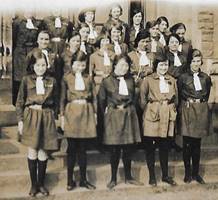
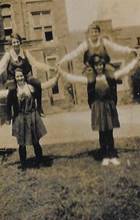
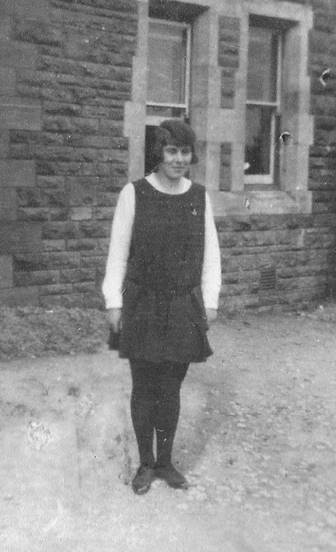
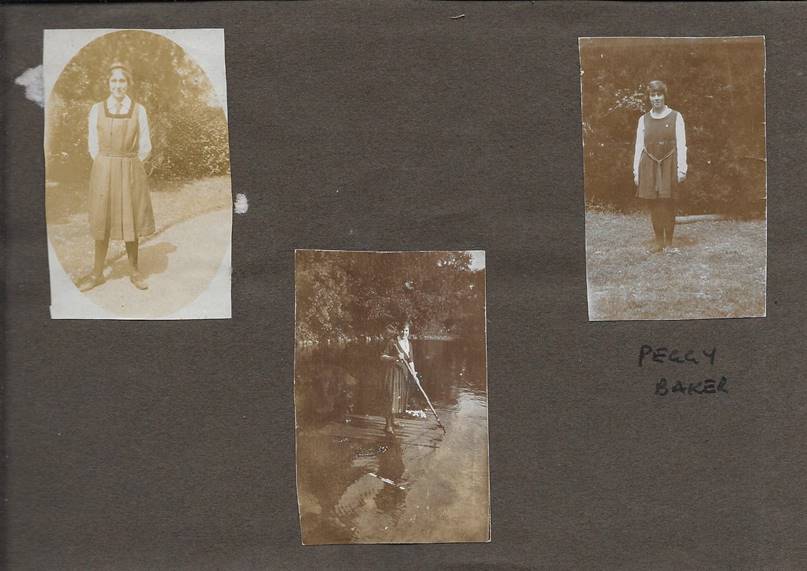
Margaret Baker, head girl at
school (centre right)
Margaret Baker soon
became known, almost always, as ‘Peggy” or “Peggie”. Her second name was Louisa, a widely used
Baker name passing down from Henrietta Louisa Bellyse, the
wife of William Baker the Younger (BAK00121),
but she preferred Louise, so when she referred to her middle name, that is what
she used.
“Heaps
of tennis”
1919
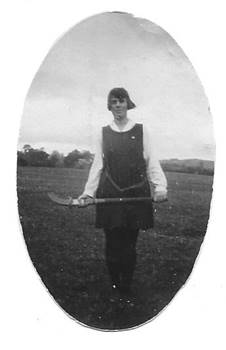
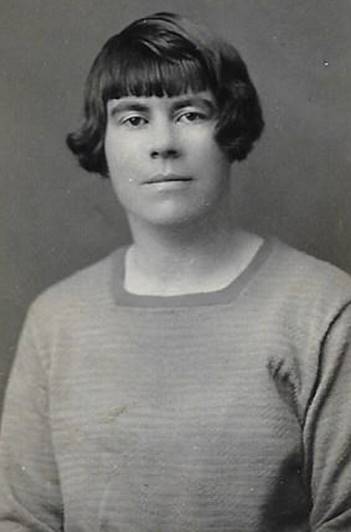
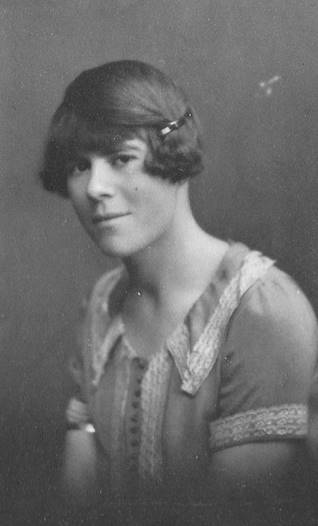
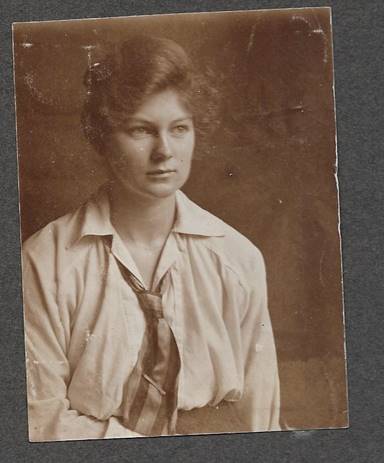
Peggy
at about 18, perhaps in about 1919
Peggy went to a
girls’ training college at Southport and we know that she was there by 1919, and
in 1921. We think that it was here that she qualified as a physical training and
English teacher.
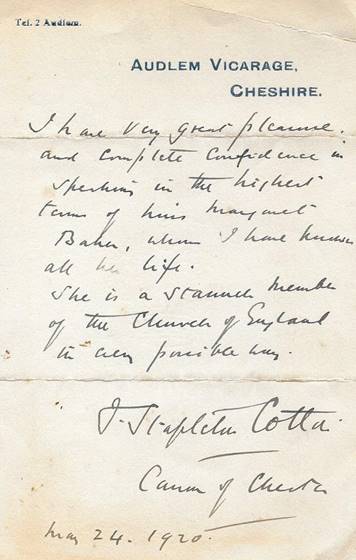
She
had the support of the vicar of Audlem:
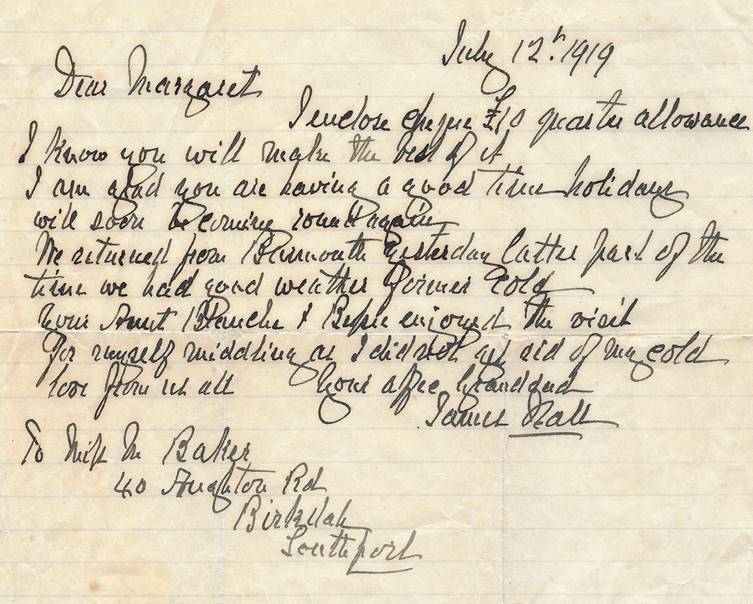
We
have this letter to Margaret when she was at training college in Southport from
her grandfather, James Hall in 1919:
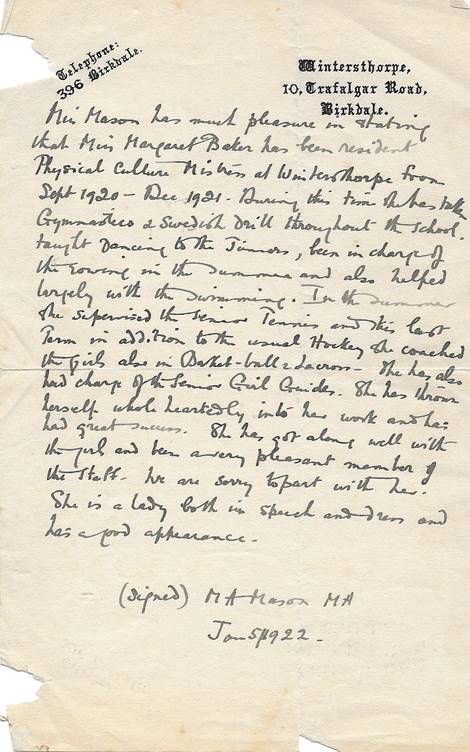
1920
She was the physical
culture mistress at Wintersthorpe, Birkdale from September 1920 to December 1921:
1921
Margaret,
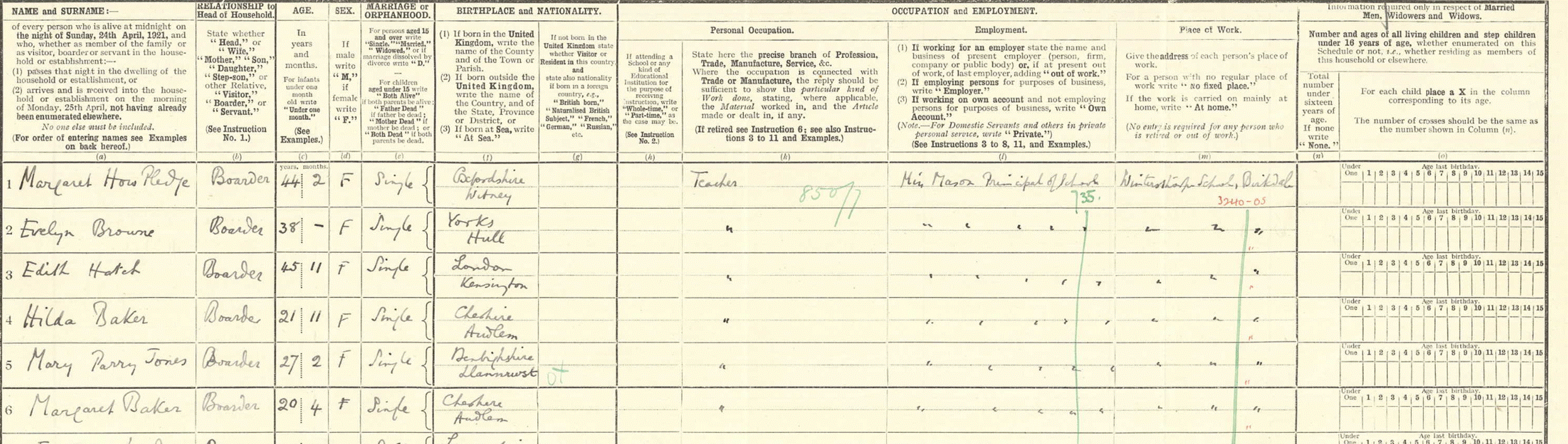
aged 20, was a teacher living at Southport, Lancashire and worked at Wintersthorpe School, Birkdale (1921
Census). Her sister Hilda was also teaching there.
1923
She was a temporary gymnastics
and games mistress at West Bank School, Bideford in March 1923. The
West Bank School, a private school for girls, opened in Lansdowne Terrace,
Bideford, in 1896. The school moved to Enderleigh, Abbotsham Road in 1898 and
four years later, moved into West Bank, a newly built house on Belvoir Road.
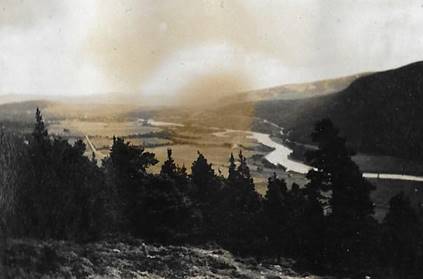
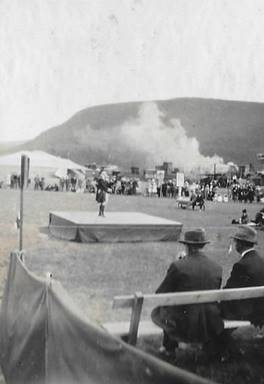
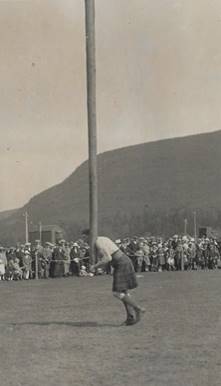
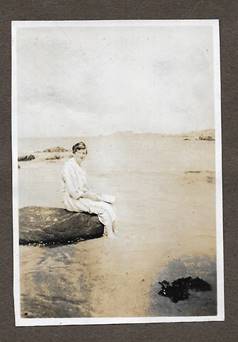
Peggy
in the 1920s
The
image of Peggy in 1925 recreated by AI in colour
Peggy with Geoff Baker
We know that Peggy
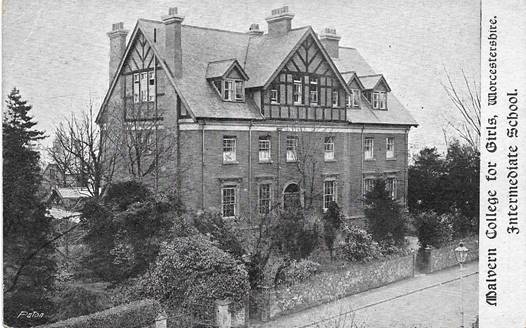
then went to teach at Malvern Girl’s College (“MGC”) in Malvern. There is also a
suggestion that she went to Monmouth Girl’s College for a time, but this might
have been a reference to Malvern which is relatively close to Monmouth. We are
pretty sure that she was teaching at the college from about 1924 to 1926, but
it may have been for a shorter time. Malvern Girls'
College was founded in 1893 by Miss Greenslade and Miss
Poulton, and was first located in College Road. In 1919 they acquired
the Imperial Hotel and in 1934, a major extension including an assembly hall
was built. Barbara Cartland (1901-2000), the novelist, is an alumni
of Malvern Girl’s College, but as she was the same age as Peggy, they
probably did not quite overlap.
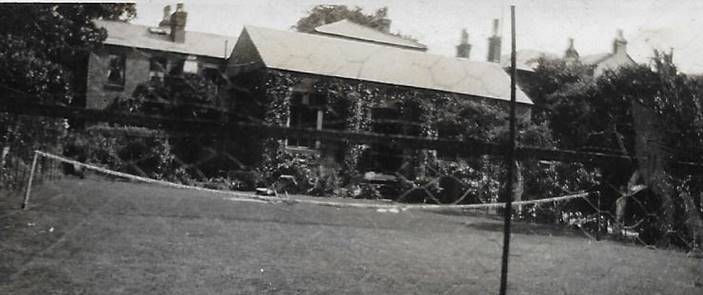
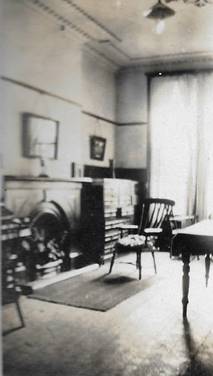
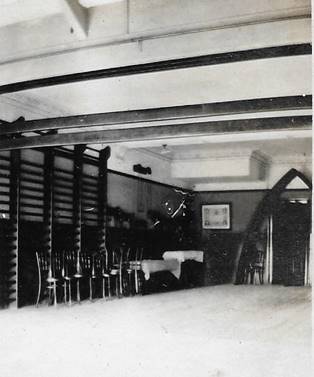
These
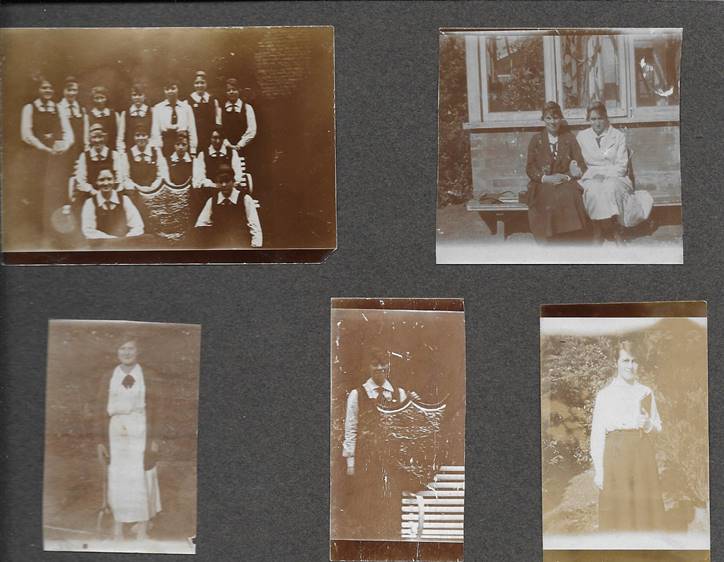
photographs are labelled “SPTC” and “SPTC Interior” and may have been somewhere
where Peggy taught. The third photograph is obviously of a gym, perhaps where Peggy
taught physical education. The middle photograph may have been the common room.
It was while she was
at Malvern that she became friendly with Grace Farndale (FAR00659),
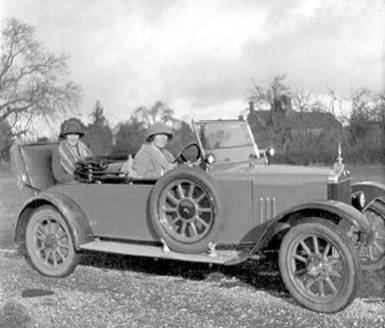
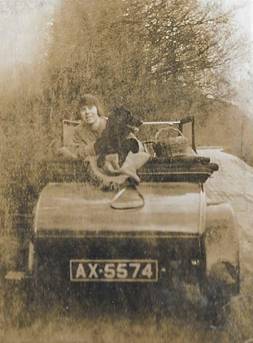
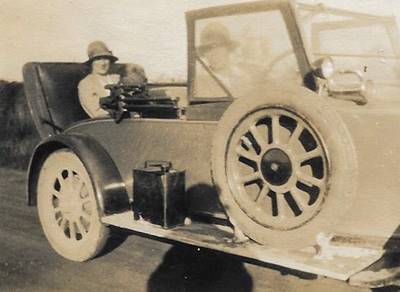
who was a matron. They used to travel a lot together and Peggy had a car, which was
quite something at the time.
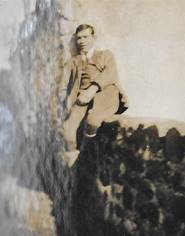
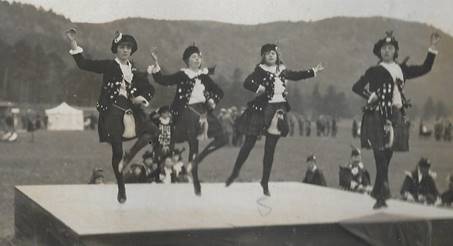
The
photo of four girls balancing is marked “Bakerloo” on the back
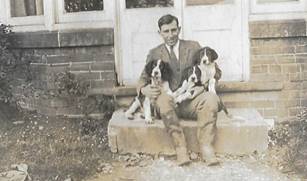
A postcard from Peggy’s collection
Peggy’s
grandson, Nigel Farndale later admired her trend setting spirit.
She was, after all, the first of her peers to have her hair cut short in the
flapper style; and the first to buy a car which she said she never learned to
drive properly because, with no other traffic on the road, there was no need.
Peggy’s
car, bought in Darlington in about 1926, with Grace Farndale in the back seat.
1927
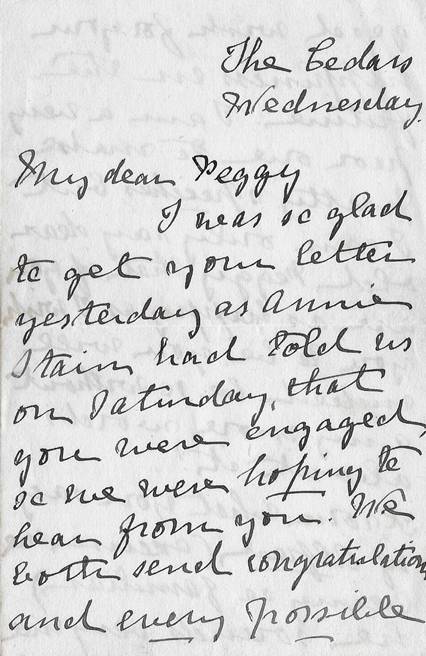
One
of The Aunts, Catherine (nee Hall) Lynham (HAL00100)
wrote in a letter to Peggy in 1927 how you young people rush about in cars
astonishes me.
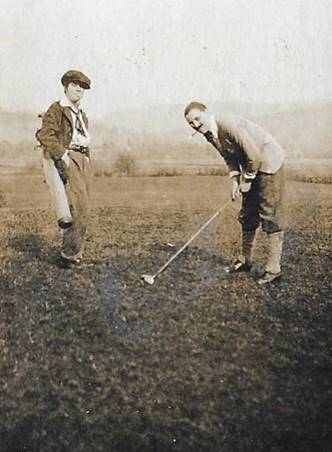
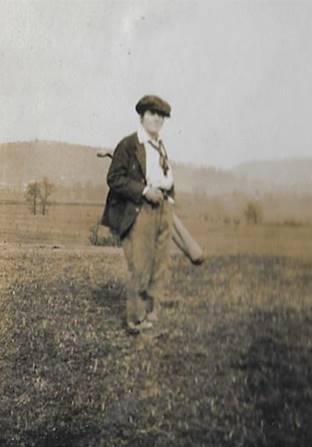
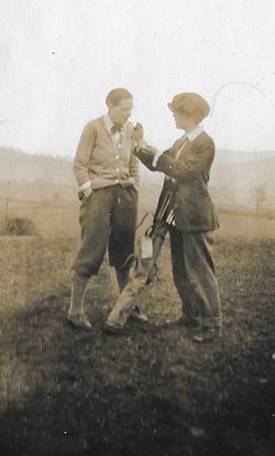
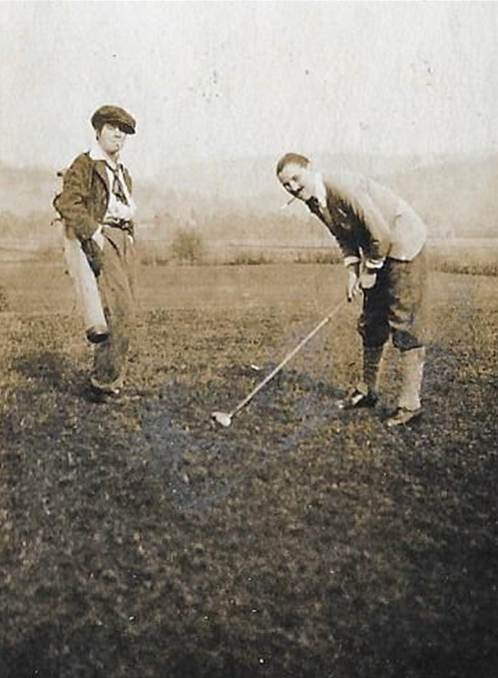
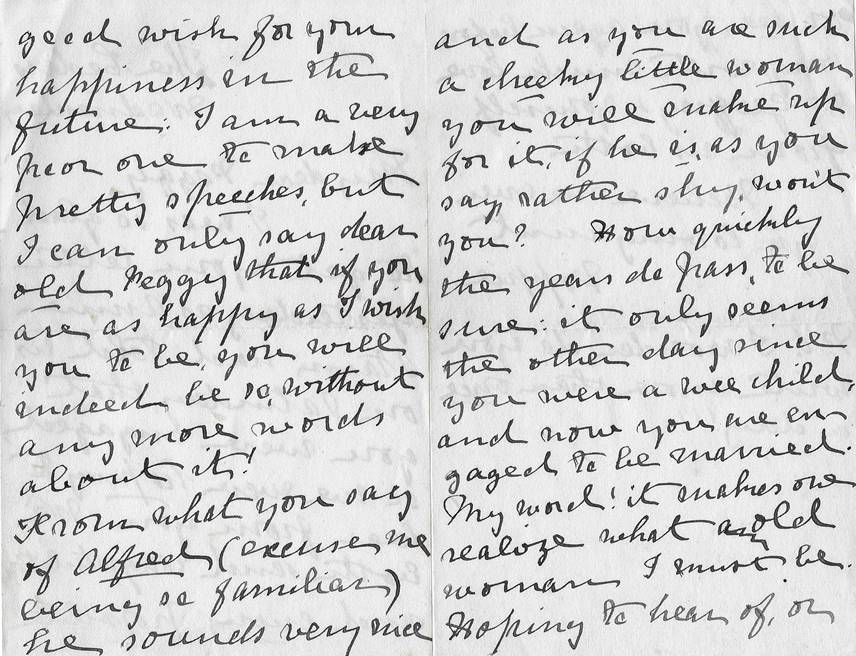
Peggy was a pioneer
in a new age of self expression by women. Her grandchildren are in awe at some
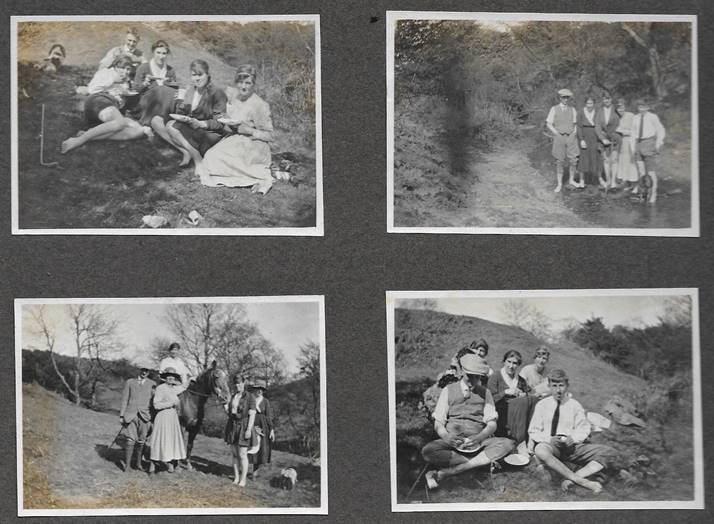
photographs of their trend setting Granny, caddying for golf sometime in the
1920s:
She
travelled widely with Grace
A
trip to Scotland
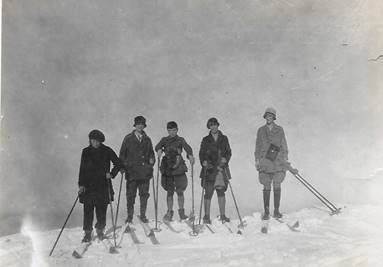
Skiing
We
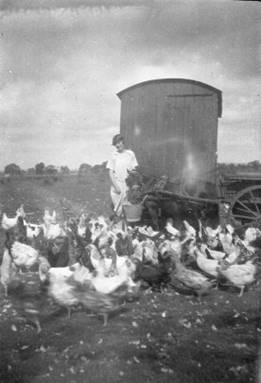
know that Peggy did not like the Headmistress at Malvern. Grace and Peggy got
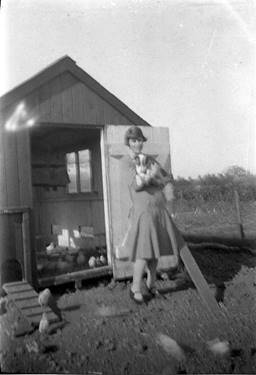
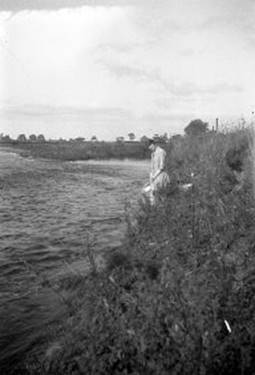
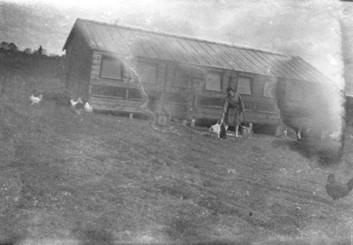
so fed up that they decided to go to Yorkshire and start a chicken farm
near to where Grace’s elder sister, Lynn (nee Farndale) Barker (FAR00564)
lived, at Scorton, near Richmond.
The poultry farm at Scorton.
After
moving to Yorkshire, Peggy met Grace’s younger brother Alfred Farndale (FAR00683).
Peggy Baker became
engaged to Alfred Farndale in 1927.
The Aunts felt protective
of Peggy and Catherine (nee Hall) Lynham (HAL00100)
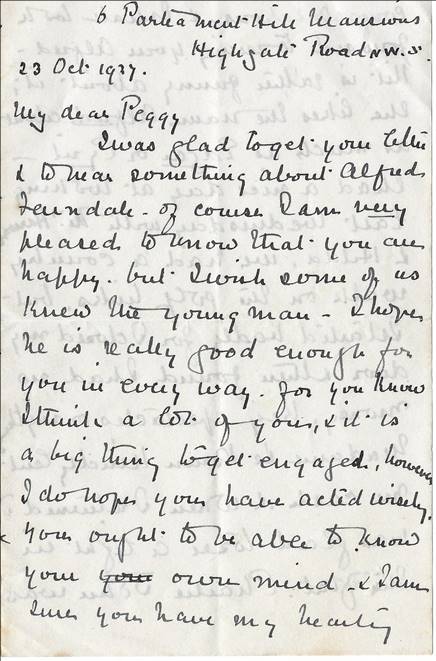
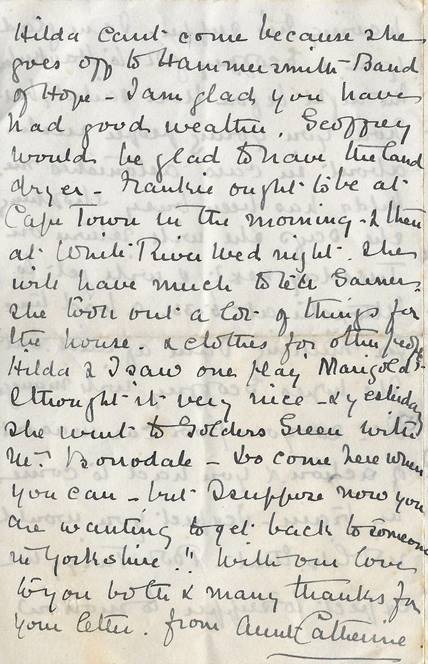
wrote in a letter to Peggy in 1927:
“I was glad to get your letter and to hear
something about Alfred Farndale. Of course I am very
pleased to know that you are happy, but I wish some of us knew the young man. I
hope he is really good enough for you in every way.
For you know I think a lot of you and it is a big
thing to get engaged. However I do hope you have acted
wisely. You ought to be able to know your own mind. I am sure you have my
hearty congratulations and I shall look forward to
seeing your Alfred. Kit is rather funny about it; she likes the name Alfred
about as much as Edgar or Cyril.”
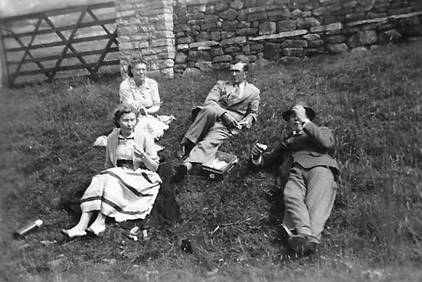
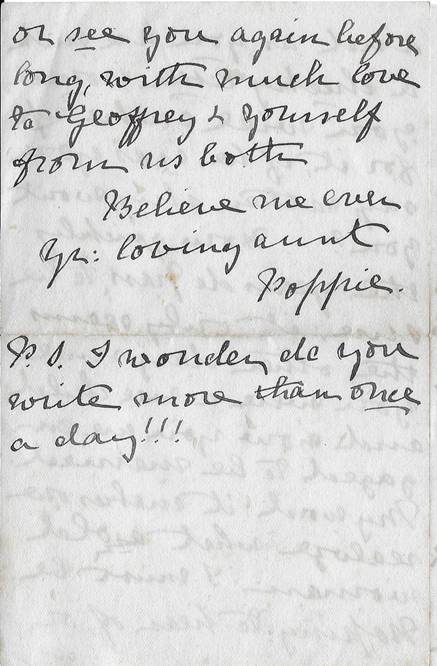
And,
in a rather more endearing note from her Aunt Poppie on the Baker side (one of
the eccentric ‘Miss Bakers”) (BAK00150):
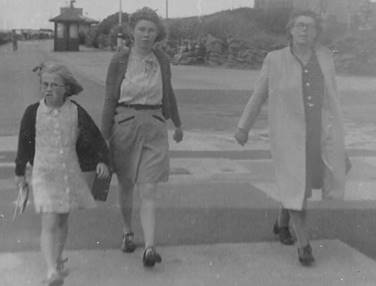
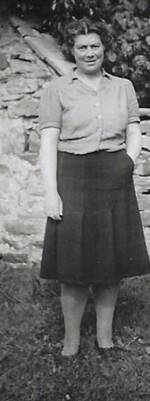
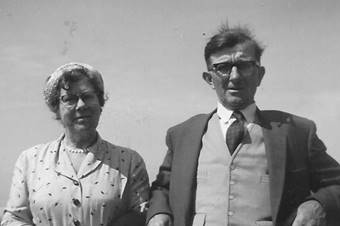
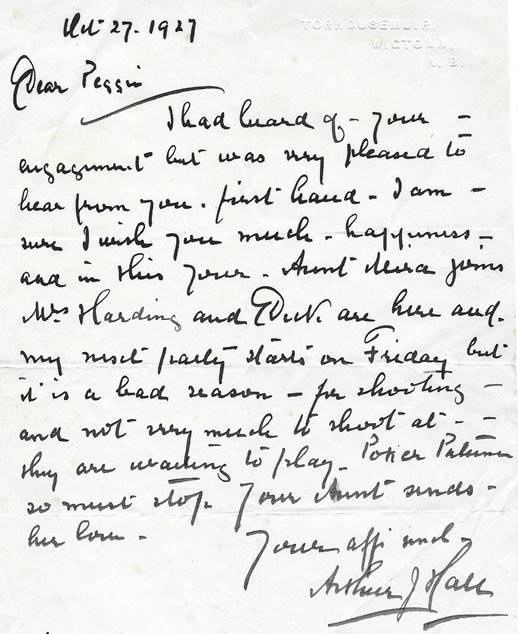
Peggy’s
uncle, Colonel Arthur John Hall (HAL00102)
also wrote to congratulate her on her engagement, a little more formally
(though he quickly turned the subject to the shooting season):
But
Aunt Catherine need not have worried, and Aunt Poppie was rather nearer to the mark,
for the marriage which would then last sixty years until Alfred died, provided
the happy and solid foundation for the large family which grew from their
union. Nigel Farndale later commented, the story of how she married her war
hero and went on to live the pioneer life in the prairies could have come
straight out of a romantic adventure novel.
1928
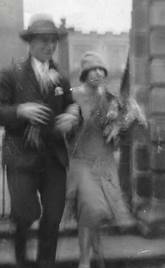
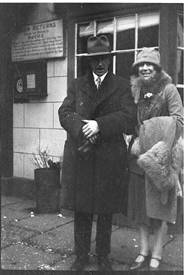
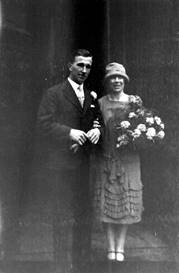
Alfred Farndale,
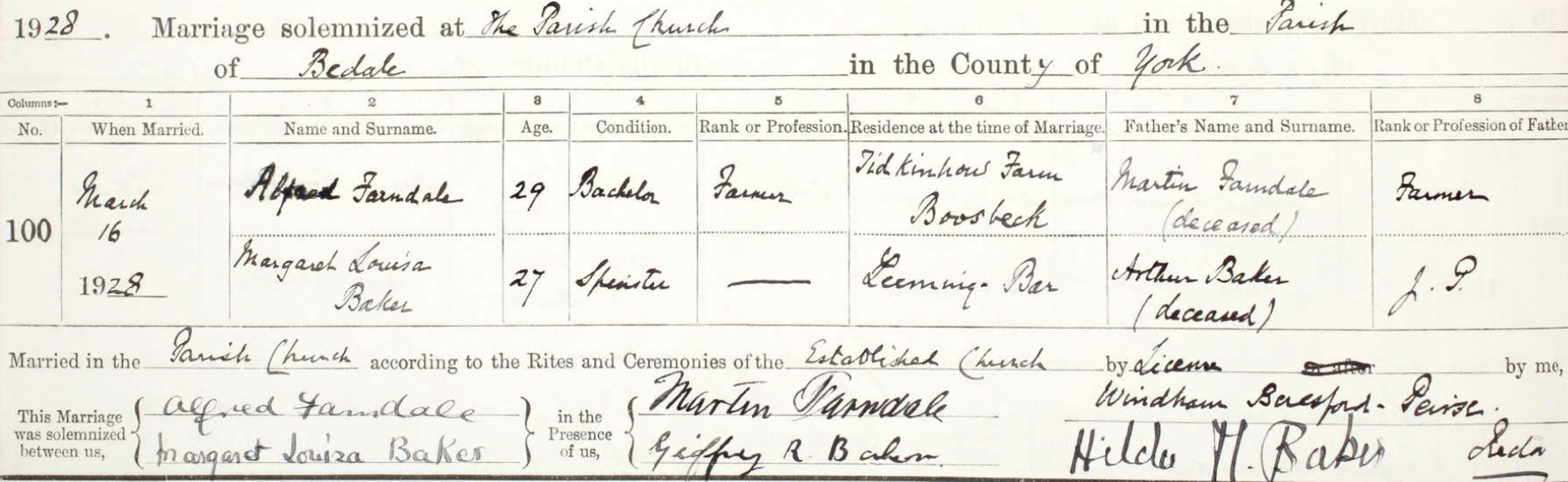
aged 29, the son of Martin Farndale (deceased), married Margaret Louise Baker, spinster of Leeming Bar daughter of Arthur Baker
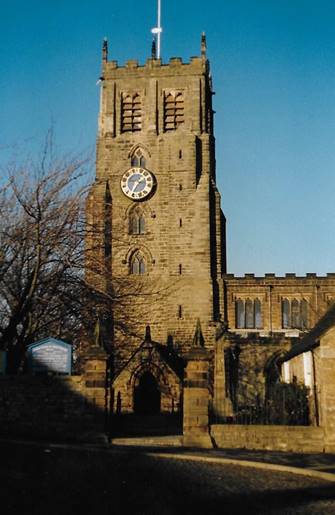
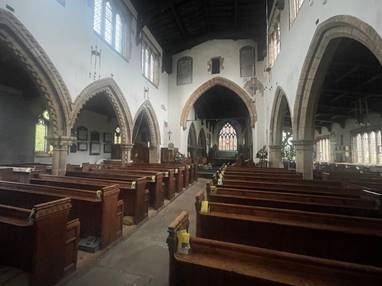
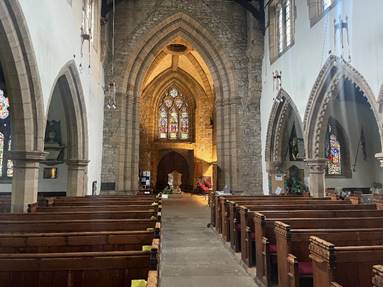
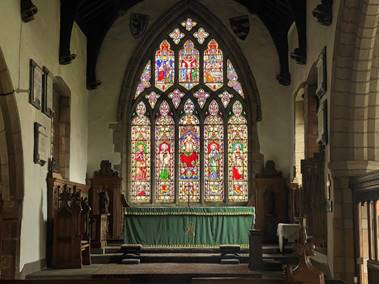
JP (deceased) at Bedale Parish Church, on 16 March 1928 (Bedale Parish Records).
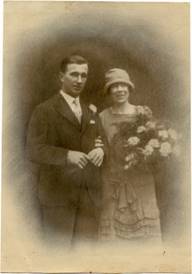
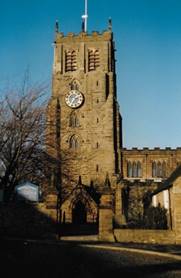
Alfred and Peggy Baker at their wedding in March 1928. Bedale Church, December 1986
Bedale Church in December 1986 Bedale Church
interior in 2023
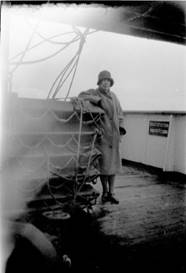
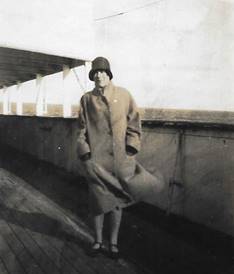
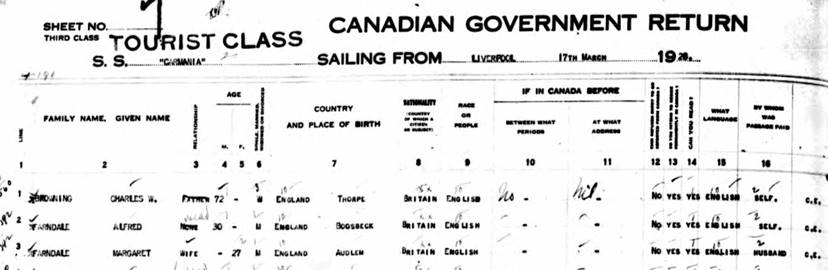
Almost immediately from their wedding, Peggy and Alfred left for Western Canada, to join Alfred’s elder
brothers and they took a farm about a hundred miles north of Calgary. Peggy arrived
in Canada, aged 27, at Halifax on 25 March 1928 (Incoming
Passenger Lists, Canada).
Peggy
on the voyage to Canada shortly after they were married in 1928.
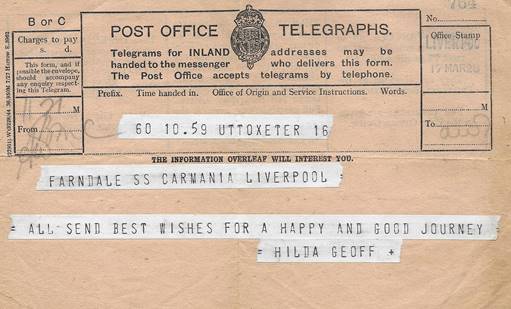
A
telegram from Peggy’s siblings Hilda Baker (BAK00170) and
Geoff Baker (BAK00172)
Her son Martin later recalled: Alfred rented a section and a half
near Huxley some 10 miles north of Trochu and built a house there. The farm was
almost entirely devoted to wheat but with some cattle. I grew up at the farm and
my first memories are of playing on the prairie and around the slews (a kind of
duck pond) near the farm. I remember all the horses used for farm work, the box
waggons with racks, threshing in the fields and the hot summers. The winters
were cold - well below zero, and I remember the horse drawn sleighs and the bright
sun on the snow. I remember the village of Huxley, the annual sports day, the
Legion parade and buying sweets at Miss Hibbs’ store. I remember visits to the
neighbours, the Hoggs, the Saggers, the Morris’, the Wagstaffs, the Millers and
I remember the postman, Mr Hibbs whistling in his buggy as he came up the road
to what is still today called Farndale’s corner. But above all I remember the
family. Uncle Martin and Aunt Ruth lived near Trochu and
he spoiled me a lot. Uncle George was a bachelor, remote and living alone near
Three Hills. Aunt Kate was strict and austere, but kind and she lived between
Trochu and Three Hills with her husband Bill Kinsey and their children George,
Alfred and Dorothy. I remember evening parties and sitting waiting while the
grown ups played bridge. I remember being well looked after by our nannie,
Gladys Grist who later married Aubrey, the son of our nearest neighbour, Ralph
Hogg.
1929
Alfred and Peggy had
four children,
Martin Baker Farndale, born in Trochu, Alberta on 6 January 1929) (FAR00911);
Marianne Catherine Farndale (later Shepherd), born on 30 October 1930 in Trochu
(FAR00915);
Alfred Geoffrey Farndale, born in Trochu on 10 April 1932)(FAR00922) and
Margaret Lindsey (“Margot”) Farndale (later Atkinson). born after the family
had returned from Canada at Thornton-le-moor, North Yorkshire on 8 October 1937
(FAR00952).
Peggy
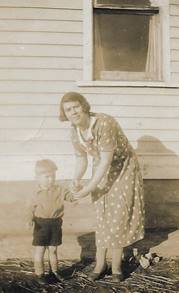
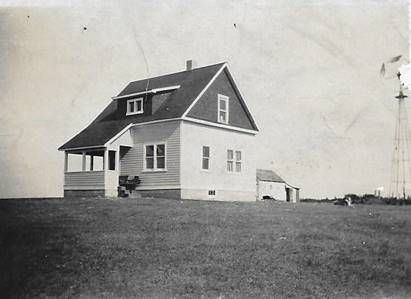
in Huxley, Alberta, Canada The house at Huxley, Alberta
1931


(1931 Census for Canada)
1934
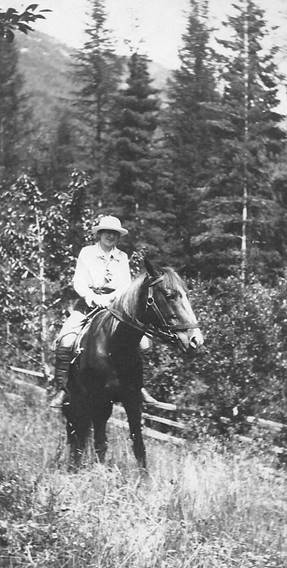
Holidays
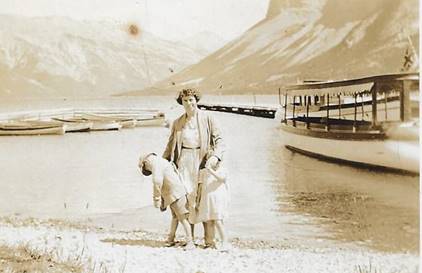
in the Rockies and Sylvan lake in about 1934
1935
Alfred
and Margaret Farndale, after emigrating to Canada in March 1928, remained there
until 1935. The slump of the late twenties and early thirties was crippling and the family was forced to return to England in
1935. Martin Farndale later recalled But things were not well on the farm. Prices
were bad in the slump years of the early 30s and the
weather was unkind so that my father, along with many others, soon lost all his
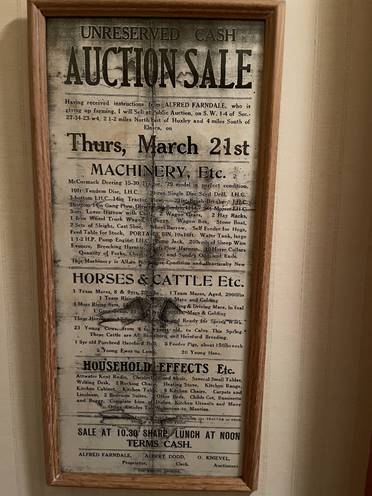
savings, and in 1935, he decided to return to England. I remember well the
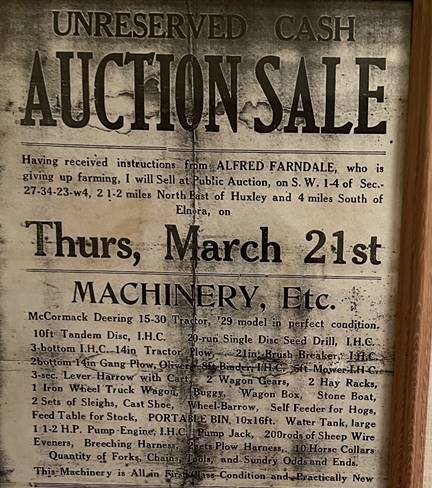
excitement of the farm sale by our white house with a black roof, on the hill
overlooking Huxley. It was early April and it was cold with snow still on the
ground. We spent our last few days in Alberta with Aunt Grace and Uncle Howard
at their Ranch near Huxley and finally caught the train at Huxley for Edmonton
on 9 April 1935.
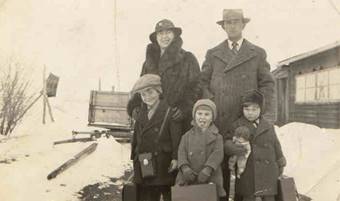
The
return from Canada
The
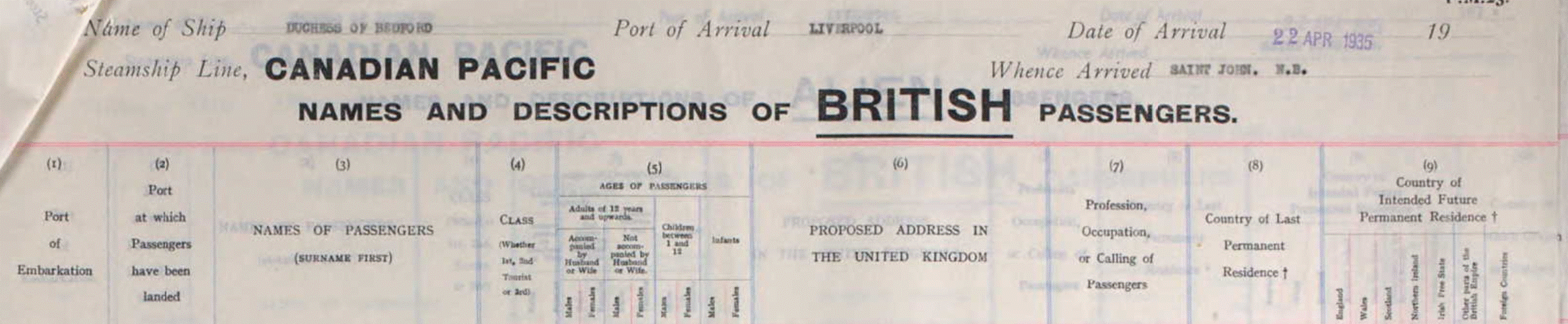
family arrived in Liverpool on the Duchess of Bedford of the Canadian
Pacific Line on 22 April 1935 having sailed from St John, New Brunswick, Canada
(Incoming Passenger
Lists, UK and Ireland).

1939

(1939 Register)
1940
On their return to
England Alfred farmed first at Middleton-One-Row, near Darlington, then at Thornton-le-Moor
until 1940. They then lived in Northallerton until 1943.
My father was working very hard indeed at this
time. It was hard physical graft and very long hours, but there was plenty of
work as farmers grew all they could. Sometimes I went with him
and I learnt how to plough on his Massy-Harris tractor. We once ploughed in one
of the fields from our old farm at Thornton-Le-Moor where I remembered doing some
ploughing with a pair of horses some year before. Frequently on Thursdays I
would cycle out to an agreed point and await my father with his threshing crew
to bring the men their wages. But all
this time my father was trying to get another farm. He went to many, was short
listed for some, and turned others down. I went to some with him at weekends
and I remember sharing is hopes and disappointments. It was a difficult but
exhilarating time. There was not much money, and a lot of hard work. We had
always had a car at this time. We had a 1937 Morris 12 which, in 1942, my
father exchanged for a Standard 12 which he got from our doctor, Doctor Milne.
The 1939 Register recorded
the family living at Sycamore Lodge, Thirsk. Alfred Farndale, born 5 July 1897,
was a farmer (mixed); Margaret Louisa Farndale, born 24 February 1901; Martin,
Ann, Geoff and Margot, and Lerna E Gerrard (later married Hutchinson), single,
born 6 February 1918, paid domestic duties.
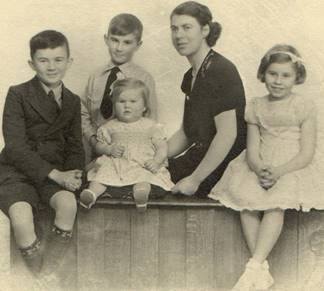
Peggy was the heart of
a happy family.
Martin later recalled about the early days of the Second World War: About
this time there was much going on that I didn’t understand. My mother would
come and sit with me as I went to sleep at night and
these moments became highlights of those days. I adored her, she seemed to
understand everything and she never failed to set my
mind at rest whatever my problems. I owe her a great deal indeed. She ensured
that we grew up with balance and understanding of other people.
Peggy
with her four children
1942
Alfred then took the tenancy at Gale Bank Farm, Wensley.
Martin recalled Towards the end of 1942, I came home from school one day to
be told by mother that it looked as if we had got a farm near Wensley in
Wensleydale.
We
moved to Gale Bank on 28 January 1943. I remember it all very well. The
furniture van came and everything was packed up. The rest of us went in our
heavily overloaded Standard 12. I remember it over heating just outside Bedale and
my father going into a farm and helping himself to a bucket of water! I
remember our arrival well, the house, and the buildings were quite empty and we children raced throughout the empty
house. There were strange smells everywhere, particularly that of smoked bacon,
which our predecessors had done for years. We raced through all the farm
buildings which were big and extensive compared to anything we had known
before. It must have been cold in January and apart from a fire in the drawing
room and kitchen in daytime only there was o heat. But I don’t remember it
being cold. With great excitement e all chose our bedrooms and then the
furniture van arrived and we all helped move our things into the house. The
beds were made – the same ones we had got out of that morning in Crosby Road,
and we were ready for bed in our new house. Little did we know what a major
step in our lives this day was to be for us all. Gale Bank was to become our
home, and a firm base for us all, for many years to come.
Throughout
the Second World War, Alfred served as a Special Constable.
1958
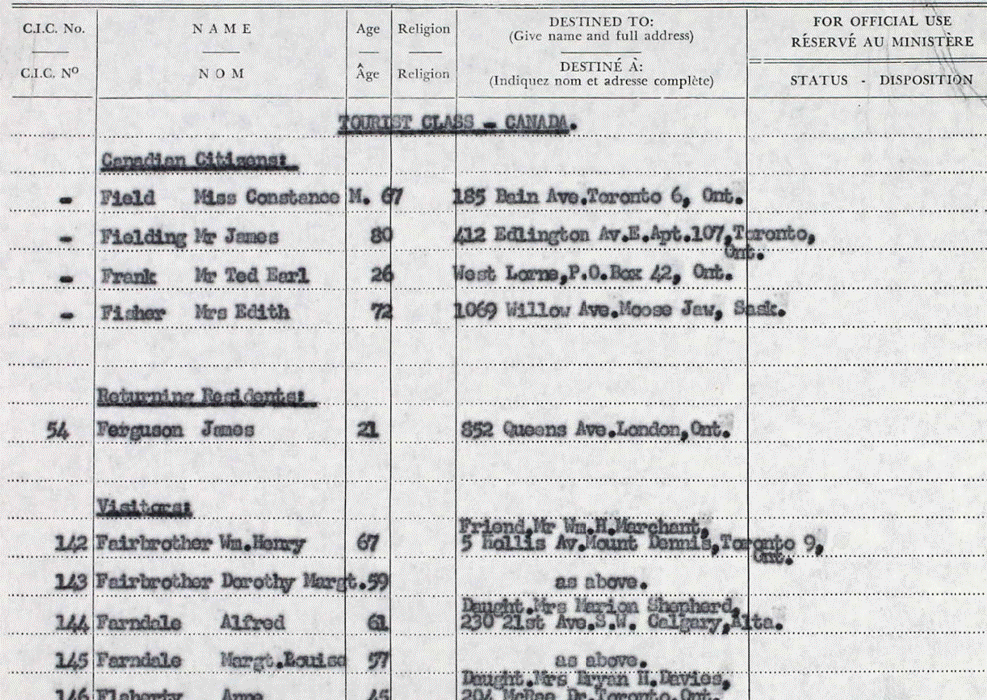
Margaret
travelled to Canada in 1958 (Canadian Pacific
Steamship Company Records).
1963
A
Holiday in Italy
We
left Darlington about 2 pm for London on Saturday 15th June. The train was
packed and it was very hot, but we managed to get into a compartment and had it
to ourselves ‘til we reached London at 6:40 pm. We got a room at the Great
Northern. It was rather expensive, but we took it as by the time we had gone
round by taxi seeking something cheaper, it might have cost us a lot more. We
had a very comfortable night and after breakfast had to get our luggage to
Victoria. It was a bit of a scramble with our cases on the Underground, but we
eventually got there by 11.20. We then went for a bus ride around London, had
our lunch, and back to Victoria and met Umberto Skinymo at 2.00 pm. The train
didn't leave for Folkestone ‘til 3.45. We arrived at Folkestone about 6.00 pm
and left by steamer about 7.00 pm and arrived at Boulogne at 8.30. It was very
breezy, but we had a good crossing and felt quite OK.
At
Boulogne we boarded the train for a long journey. We shared a compartment with
a young lady who was going alone to Italy for holidays. We got a bit of sleep
and next morning there were hundreds of people lined up waiting for breakfast.
We were longing for a cup of tea and eventually we got in for a Swiss breakfast
of coffee, rolls and butter and marmalade, very nicely served and well worth
waiting for. We arrived at our hotel in Milan at 2.00 pm, had a wash and change
which we needed after a night on the train, had lunch and then went sightseeing
round Milan in the luxury coach, which was to take us around Italy. We went into
the cathedral, which was very bright, and beautiful. Milan is a very big place,
noted for its grand buildings. We went early to bed that night after dinner to
get some rest.
On
Tuesday we were up at 6:30 am and went out for a walk in Milan before
breakfast. We left at 7.30 in the coach and the first stop was Lake Garda, the
largest lake in the world. We had coffee there and took snaps, after which we
left again for Verona, which is a very old place. We passed by the castle where
Mussolini had his son-in-law put to death. We had lunch at Verona, then went
round the shops. It looked most colourful with all the brightly painted little
tables and chairs and umbrellas. We left Verona and went on to a little place
just outside Venice, where we had dinner and stayed the night. In the evening
we went for a musical gondola ride on the canals, which we all enjoyed very
much. Around Venice the main crops are wheat and grapes. The corn is a rich golden
brown and is being harvested with oxen doing the work of horses. They have 4
oxen in the harness. They are all a kind of roan in colour and all to be seen
everywhere. I haven't seen any tractors. On Wednesday we went for a general
look around Venice. I saw them making Venetian glass. In the afternoon. Mary and
I sat on the Lido eating ice cream and watching the parade. It was very hot. There
are tea gardens everywhere, but the Italians don't know how to make a good cup
of tea.
On
Thursday we left. Pavoda, on the outskirts and
Venice, and went on to Loretta where we had dinner and stayed the night. The
cornfields are very rich golden brown now and they are harvesting everywhere.
The women all will work out in the fields. They wore great big straw hats and their skins are as brown as the corn. This is a
great fruit district too. The farm houses are all pink
in colour against the rich colours of the corn. They make
a pretty picture.
On
Friday we arrived in Rome about 6.30 pm. We were all very tired as it had been
a long journey, and went to bed about 10.00 pm. On Saturday we had breakfast at
8.00 am and then Umberto told us he was taking us to see the Pope. We went to
the museum first and it was a site never to be forgotten as we walked through
those great halls. The tapestries and paintings are indescribable, but we had
an Italian guide with us who talked too much. It was impossible for anyone to
remember all he was saying and we got rather bored. We all felt we would have
got through quicker without him, but at last we were there. We then went out
into the square in front of the Pope's residence, a very plain looking
building, and after a while he appeared at a window in his white robes. There
were crowds of people in the square waiting to see him. We continued our sightseeing
around Rome ‘til lunchtime and after lunch went out again in the coach round
the city. It is all so big. It was impossible to see it any other way. There
are great squares everywhere with fountains. The police are very smart, dressed
all in white, but there are no lines of traffic as in England and no speed
limit. They just pop about everywhere. There are a lot
of very elegant shops and we were told they were very
expensive. On Sunday, Mary and
I went out in the morning. In the afternoon we went to the dark catacombs where
we got cooled down as if in the Underground. As we went along mud lanes in the
dark, except for torches carried by the guides, finally we came to some stone
steps which led up into a beautiful little church and out again into the
street. We got back to the hotel for dinner. Some of our party went to the
opera but we didn't go as it was so warm.
On
Monday we left Rome after breakfast for Naples, which was about 3 hours run. We
went again through a great corn and fruit district, oranges growing by the
roadside. We arrived at Naples in time for lunch, after which we went on again
to Sorento. What a lovely little place. We went round the shops, then had
dinner at a restaurant high up overlooking the Bay, A nice plant place to spend
a holiday. We then rejoined the coach and back to Naples for the night. On Tuesday
we left Naples at 7.30 am. I got the steamer at 8.30 for the Isle of Capri. It
was a very hot day and we enjoyed the sea trip and
arrived at Capri at 10.00 am. It is very beautiful and very romantic here. It has to be seen to be believed. We left again at. 6.00 pm
back to Rome for the night. It had been one of the best days of our tour. On
Wednesday, we left Rome at 7.30 am and arrived at Florence at 6.00 pm after
stopping at various places on the way. We stayed the night at Florence in a
hotel which had 2,000 bedrooms and it was full up. We went round next morning
and visited the straw and leather markets. After that we went on again and
arrived at Genoa in time for dinner. We stayed the night there and I left again
at 7.30 next morning for Milan, where we arrived about 12 noon. In Milan we
were to see the wonderful painting of The Last Supper after lunch.
We
went to the station and that was the end of the coach trip. We got the train about
2.30 and were in the train until we arrived back at Boulogne next morning at
9.00 am. We had breakfast on the steamer at 10.00 am which was the best meal we
had had since leaving home as it was all English food. We arrived at Folkestone
at 12.00, then had to go through customs, which took some time. At last we got the train and arrived at Victoria at 3.45 pm. We
got a taxi to Kings Cross and got a train at 5.40 which brought us to Saltburn at
midnight without changing trains. It was the end of a very interesting trip
which had covered 7,500 miles.
1965
A
Holiday in Canada
I
left England on the 25th May 1965 on the Empress of
Canada and arrived in Canada on the 1st June. Had a
good crossing apart from a little seasickness. Started the long train journey
next day at 1:30. And arrived at Calgary on the 4th
June in lovely summer weather. After two weeks with Grace in Calgary,
we went up to Three Hills to see Kate and
from there we all went to. Grace’s
Cottage at Sylvan Lake until the end of August. Went on a trip to British
Columbia in September with Grace. Had
lovely weather. Spent most of the time in Victoria. Wonderful journey back to Calgary.
Through the Rogers Pass. Lovely scenery.
1966
A
trip to Las Vegas from Canada
On 9
February 1966, we left Calgary at 6.30 am on the Greyhound coach. It was a
beautiful morning, dark of course. There was a lot of snow for a few miles. We
arrived at Lethbridge at 9.30, our first stop, and had a cup of tea and ham
sandwich. By now we were getting away from the snow
and the fields were almost bare. Roads clean and have all the way been very straight
for miles. At 11.30 am we arrived at a place called Sweet Grass and had to pass
the customs before crossing the border into the United States and were told
that I could not enter the United States without a visa, which we had both
overlooked. However, after we told the officials that I was visiting a brother,
a former senator of Nevada, and who is ill, they phoned Washington and I was
allowed through. At first they told me that the only
thing to do was to return to Calgary and get a visa, which was going to be a
great disappointment. However, everything ended happily and we went on our way.
We
got into a lot of snow again going through Montana and went through a lot of
desolate Prairie country, Not a bit pretty. We arrived
at. Butte at 7.00 pm and got a room at the Grand Hotel. Grace forgot
to get her case off the bus and it was gone on to Las Vegas. On Thursday we got
up at 10.00 am after a good night's rest. We went out and had breakfast and a
good look around Butte, which is a very nice town noted for copper mining. We
left Butte at 12.30 and went through a lot of very rugged country down through
Montana. A lot of snow all the way and mountains each side of the road. At
about 3.30, we were into Idaho, the state. We are getting out of the mountains.
Still a lot of snow, but bright sunshine. We had to wear our sunglasses in the
coach. A lot of Hereford cattle all the way running out into the snow and being
fed with hay, hundreds of them.
On
Friday, 11th February, we had a good night's rest at Salt Lake City, where we
arrived midnight last night. Got up at 7.00 am, had breakfast. We got a glimpse
of the beautiful Mormon temple, but you are not allowed inside unless you are a
Mormon. We hadn’t time to go in anyway. We left at 8.00 am for Las Vegas, which
was still more than 400 miles away. We still have mountains on either side of
the road and the ground covered with snow still. Hoping to get out of the snow
at Las Vegas.
Ther
diary ends here.
Alfred farmed at Gale Bank very successfully
until they
retired in 1972.
Peggy
and Alfred (back and Anne and Geoff (front) Margot, Anne and
Peggy
Peggy and Alfred retired
in 1972 to Leyburn,
where they lived at Highfields, named after the Baker family home of Highfields at
Audlem.
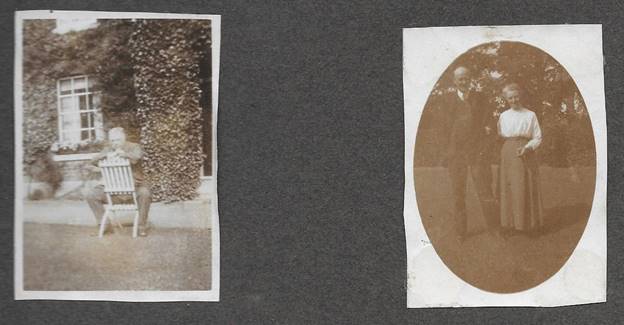
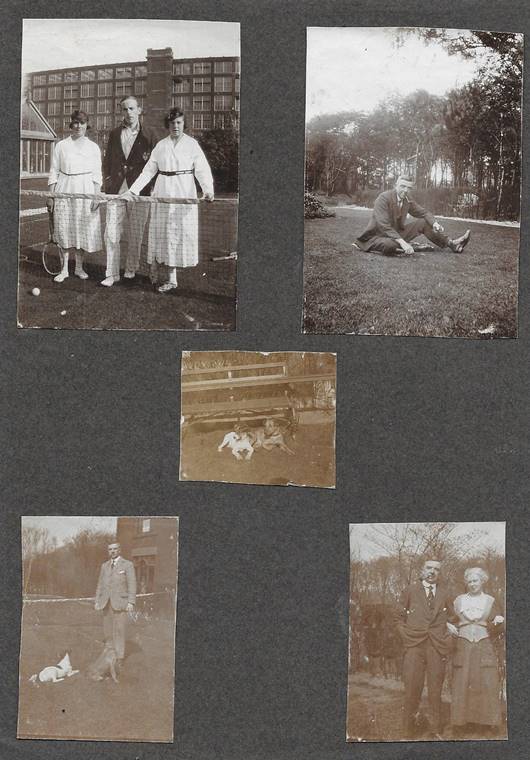
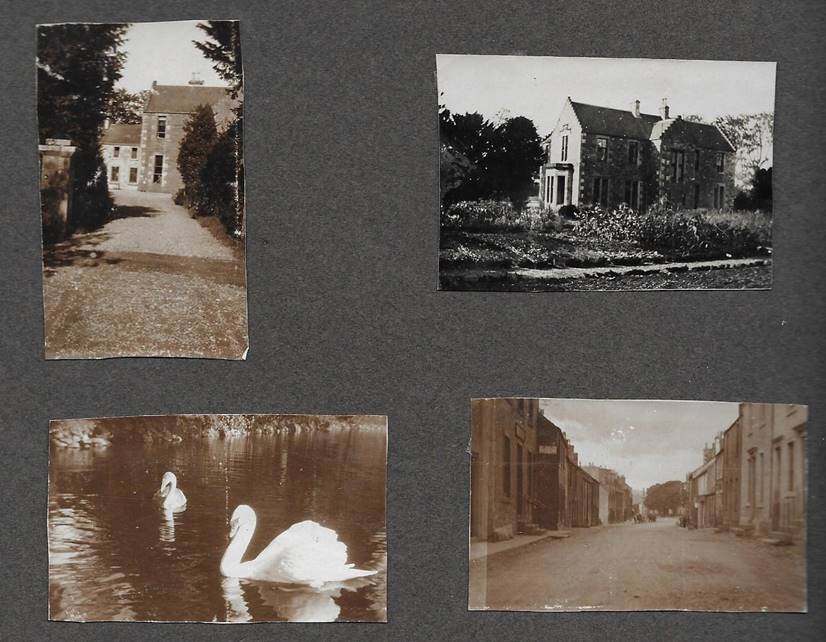
A visit to Highfields – Peggy and family
1978
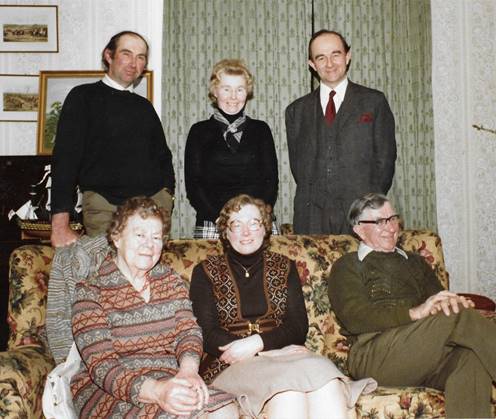
Peggy and Alfred’s
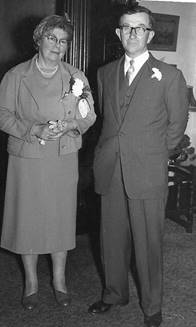
Golden Wedding, 16 March 1978 -
Back row, Geoff, Anne and Martin, sitting Peggy, Margot and Alfred
1987
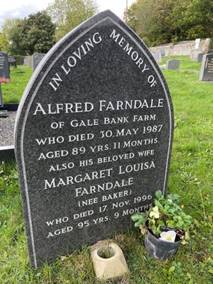
Alfred
died in 1987 aged 89.
1991
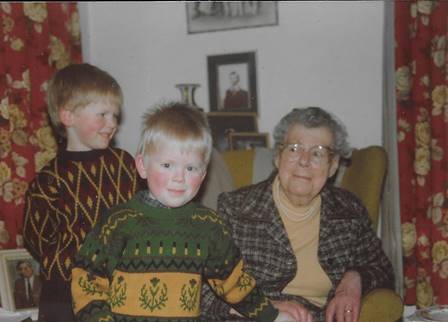
Peggy
with her great grandchildren, Phill and Ian Carlisle in 1991
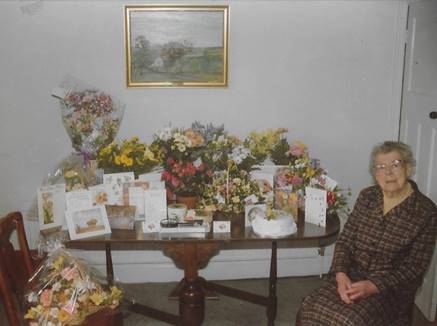
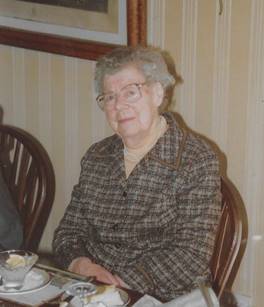
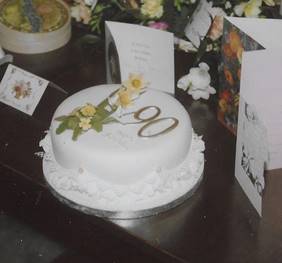
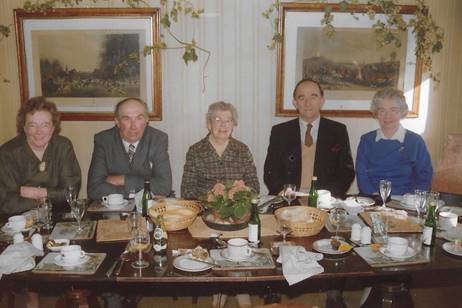
Peggy’s
ninetieth birthday, 24 February 1991
Margot Atkinson, Geoff Farndale, Peggy Farndale, Martin Farndale and
Anne Shepherd
1996
Peggy Farndale died
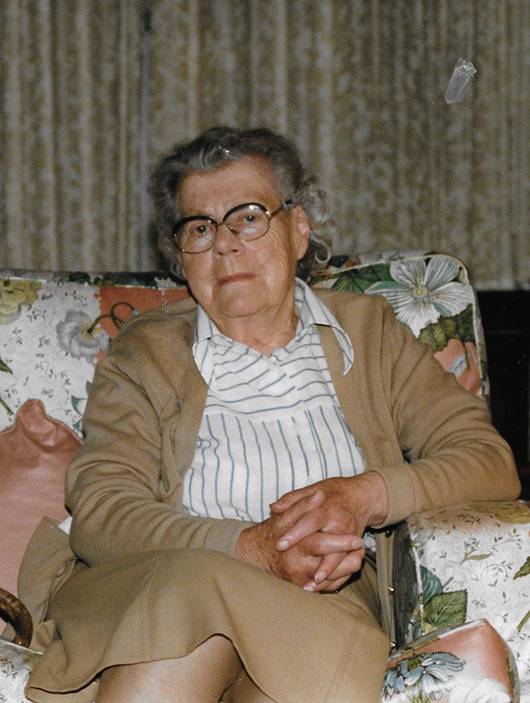
in Wensleydale on 17 November 1996.
Martin
Farndale, her son later reflected that:
She
is remembered with great love by her family, relatives and friends as a kind
very fair person who took the greatest interest in people and love children, especially
her grandchildren and great grandchildren. They in return loved her for she was
always so very approachable to them all. Throughout her life she was the focal
point of the family and kept them all informed about each other without any
favour. She gave firm advice but weas always there to listen, and once a
decision was made whether she agreed or not, she always supported those she
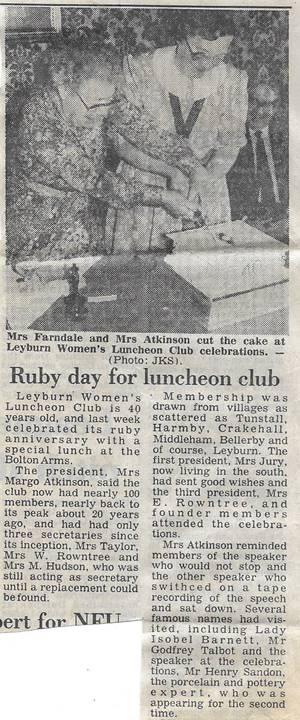
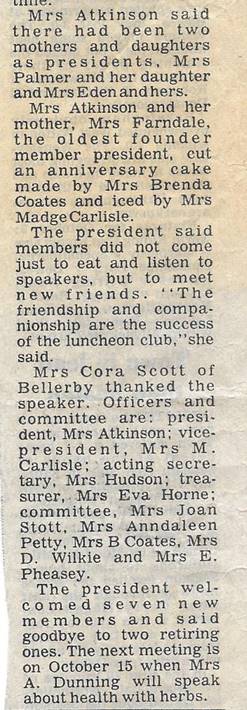
loved. She played a significant part in local affairs in Leyburn, and in the
Women’s Institute and Luncheon Clubs. She was a very good organiser. Amongst
other things, she was responsible for the street lights
of Wensley. She was one of the first women drivers and started with a Bull Nose
Ford in 1922. She taught each member of her family to drive, including her
husband.
She
will be sadly missed by all who knew her, but she will never be forgotten,
because she devoted her life to the good of those who she knew and had much
influence on them all.
Nigel
Farndale, her grandson later reflected that:
She
lived a wonderfully full, dignified and distinguished life that spanned, almost
exactly, the turbulent twentieth century.
I
suppose any life is the sum of its disparate elements, and those that capture
the essence of Peggy for me are watching her catch falling leaves in the autumn
at Gale Bank ‘for luck’; of her weeping when she played Mahler and Beethoven
recordings when Gran was out round the stock; of her standing somewhat
eccentrically in the smoke of a bonfire because “that’s what we used to do to
keep the mosquitoes of in Canada”; of her ability to recite Shakespeare, Keats
and Shelley from memory; and of her passion for Desert Orchid, the racehorse.
The detail we will probably all remember her for most, though, is her warm
chuckle and the fact that she was never happier than when catching up on, or
disseminating news and gossip about, her children and grandchildren.
Right
to the end she retained her sense of humour. When asked by the welfare
inspector if she was happy at Wensleydale House she said “The nurses are
helpful. The food is good. The beds are comfortable.” Then she turned to Dad
and said “There wasn’t anything else I was supposed to
say was there?”
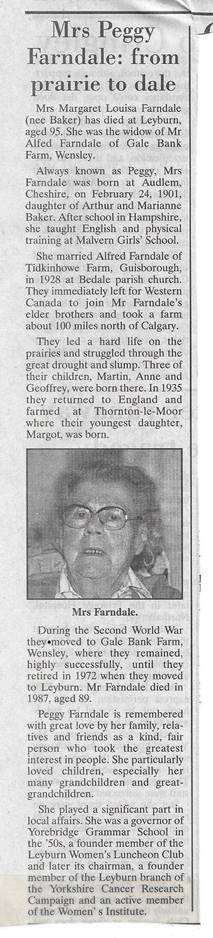
Darlington
and Stockton Times, 7 December 1996
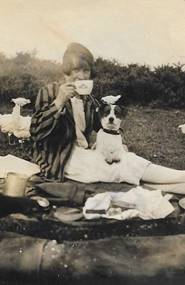
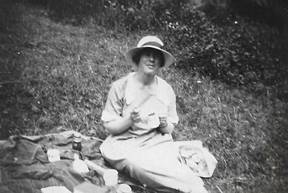
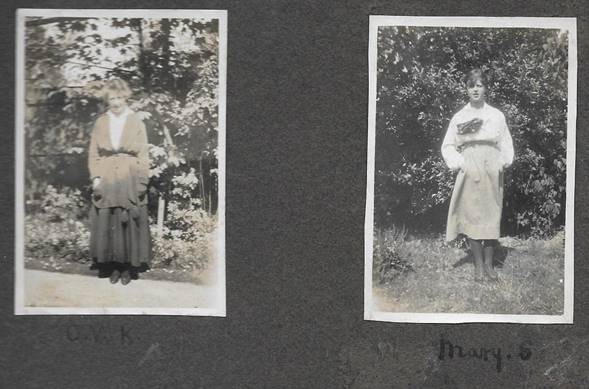
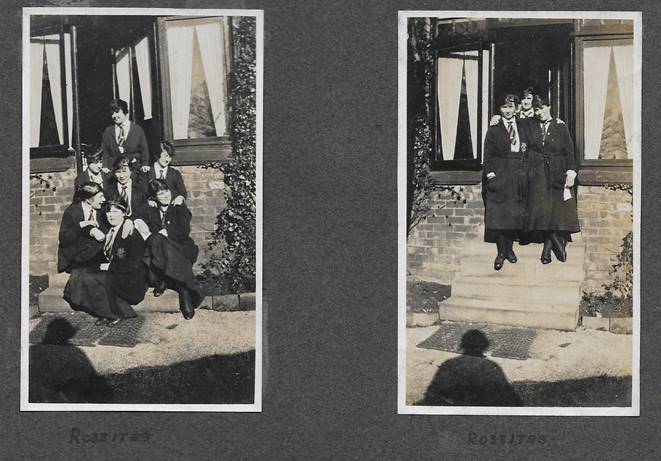
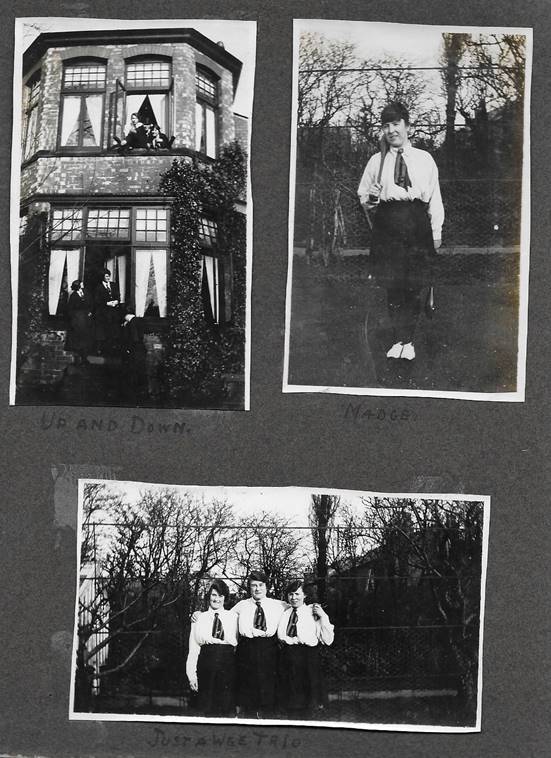
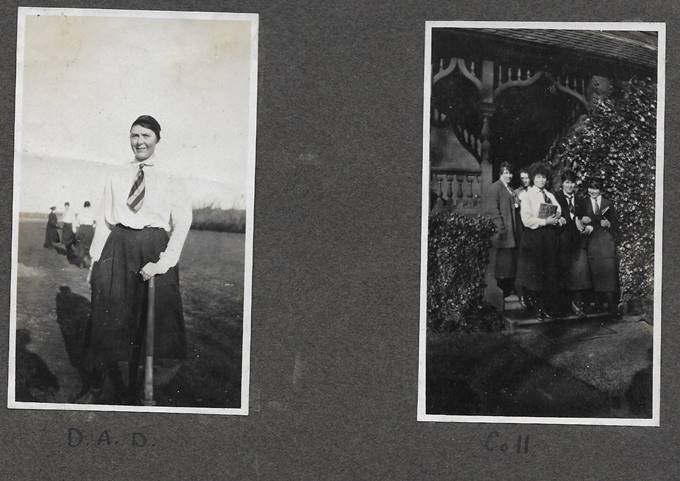
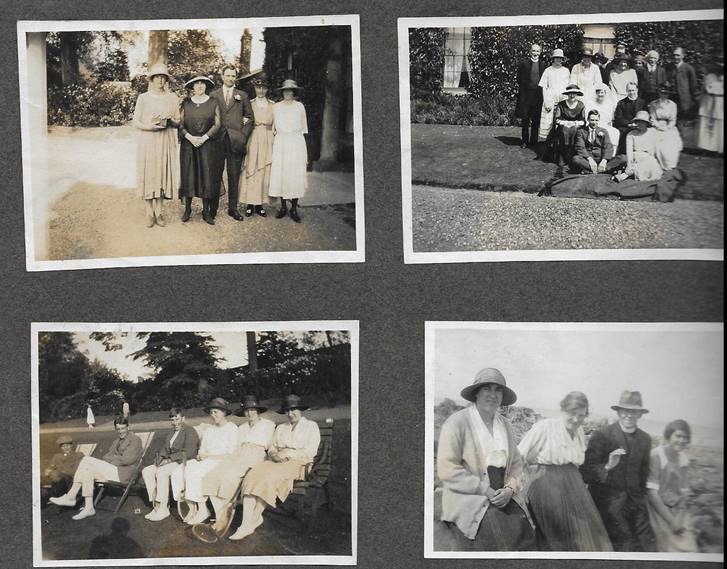
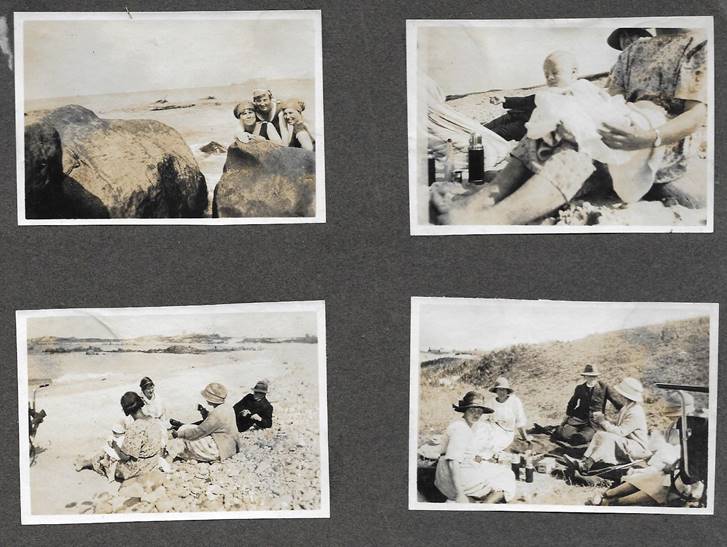
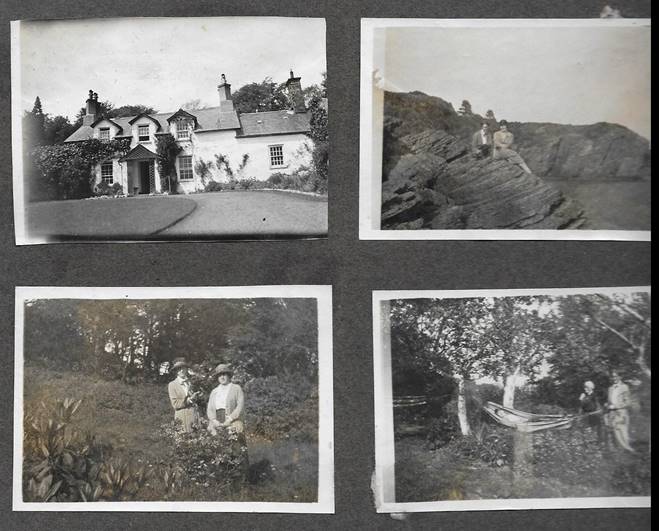
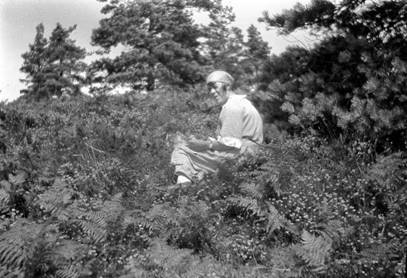
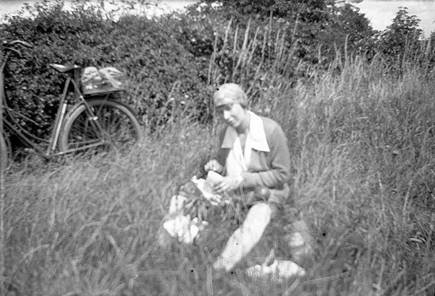
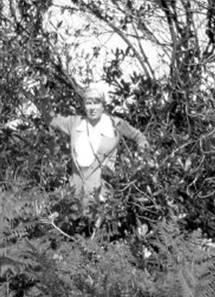
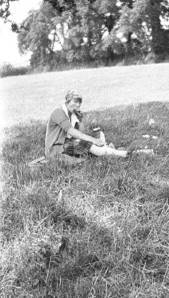
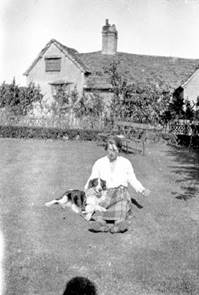
Photographs
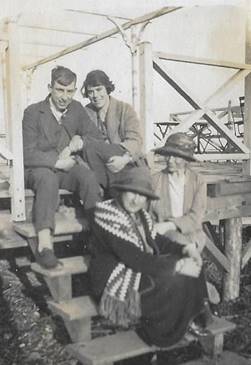
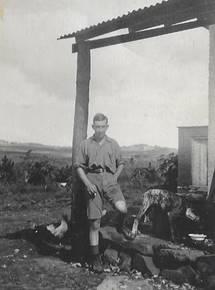
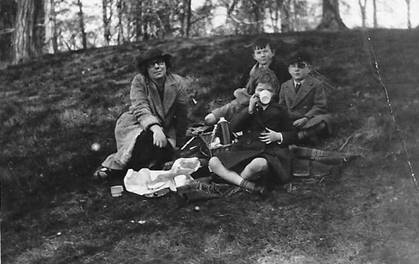
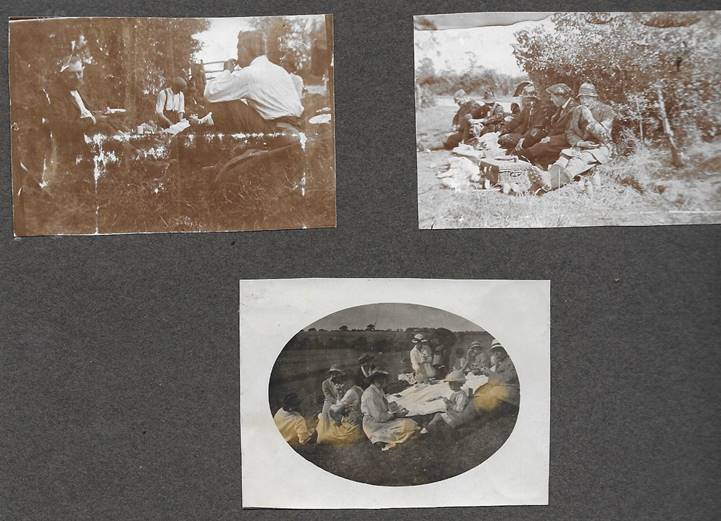
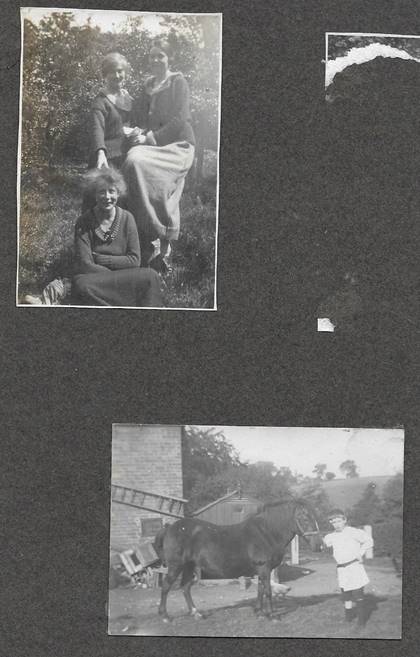
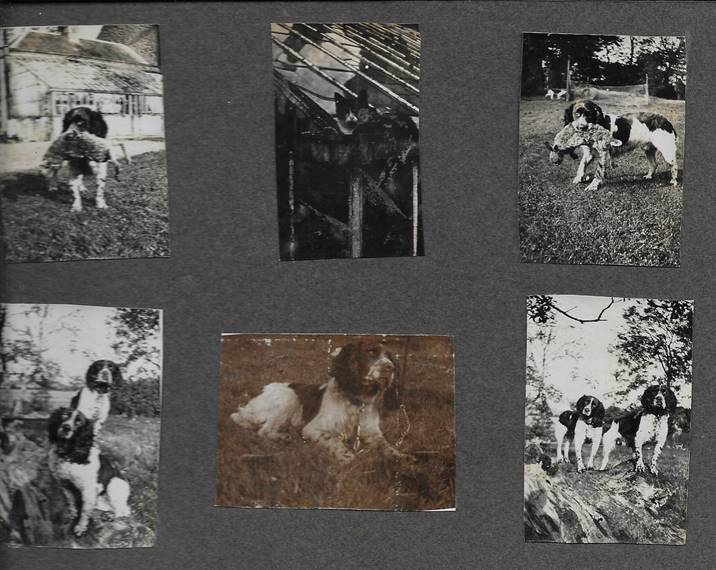
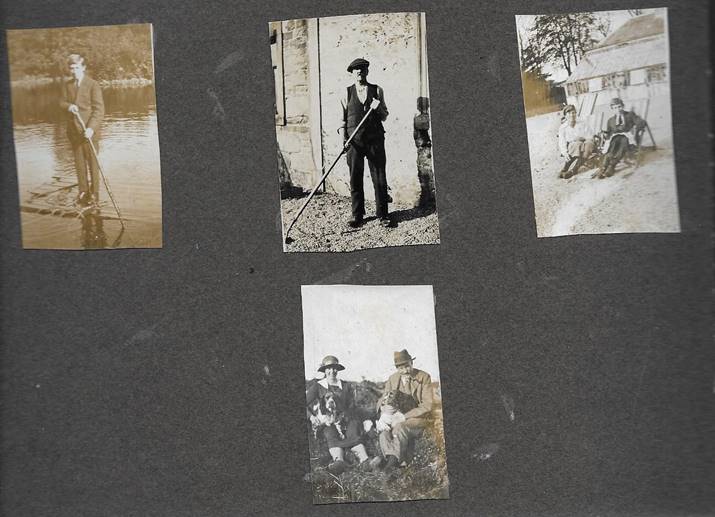
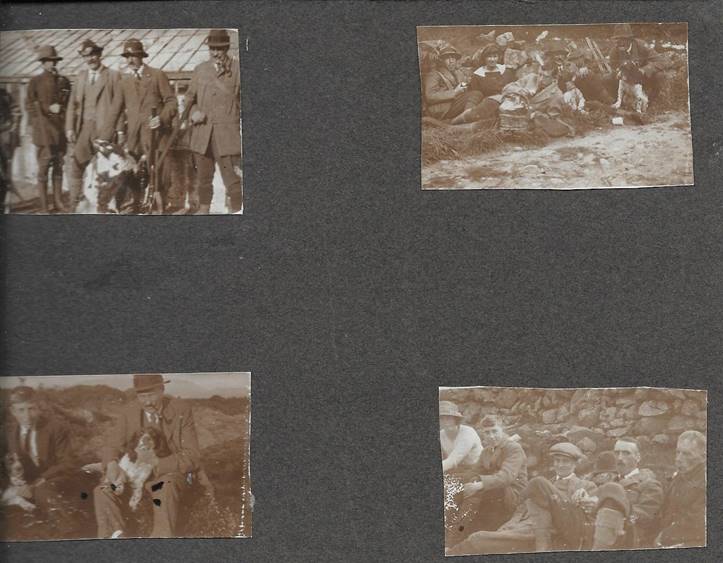
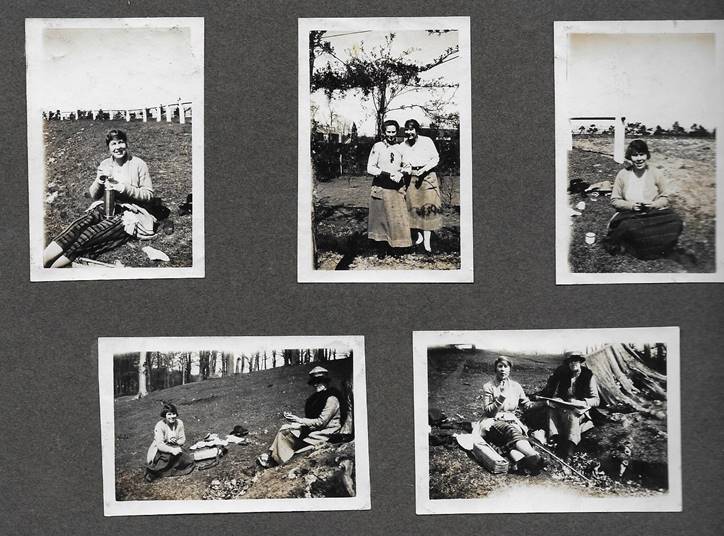
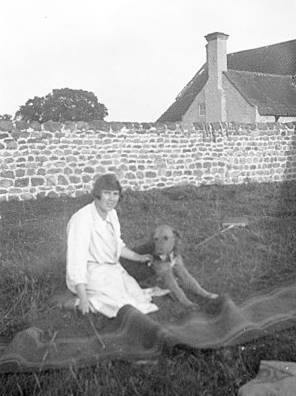
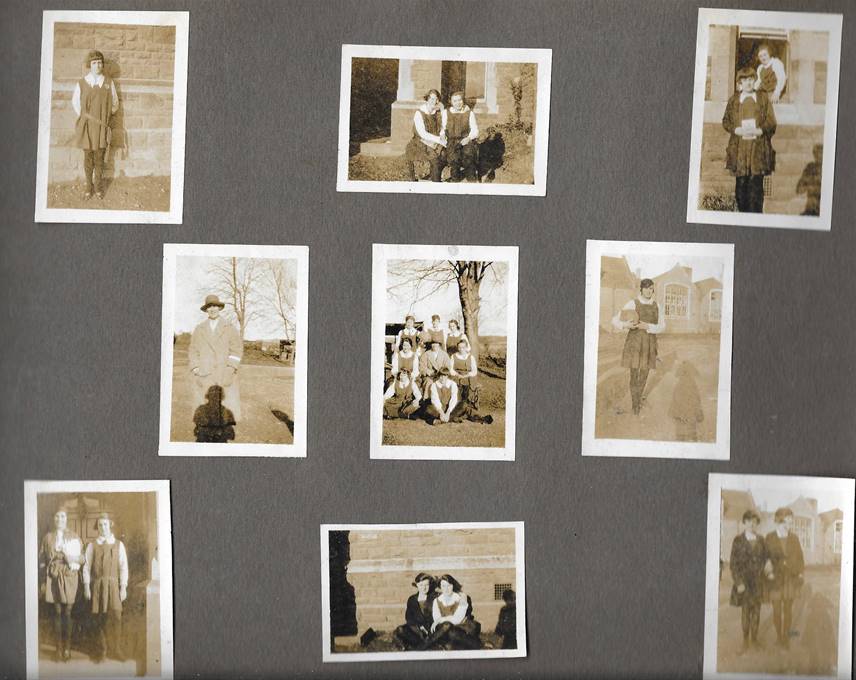
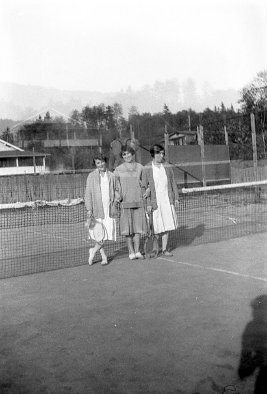
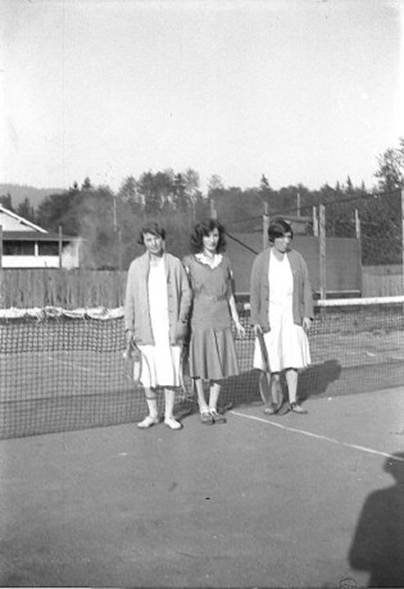
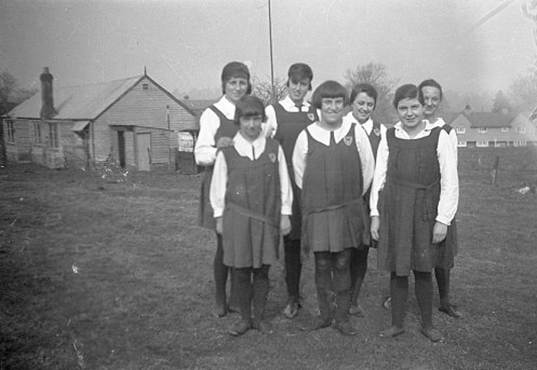
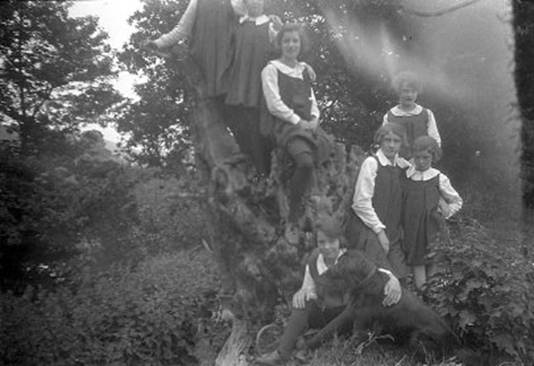
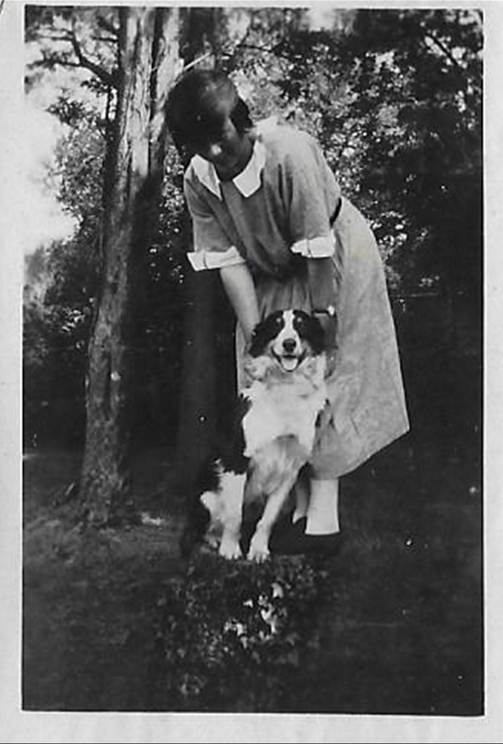
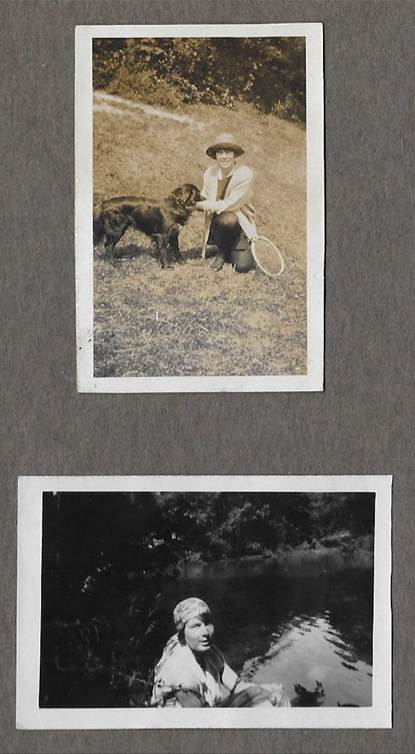
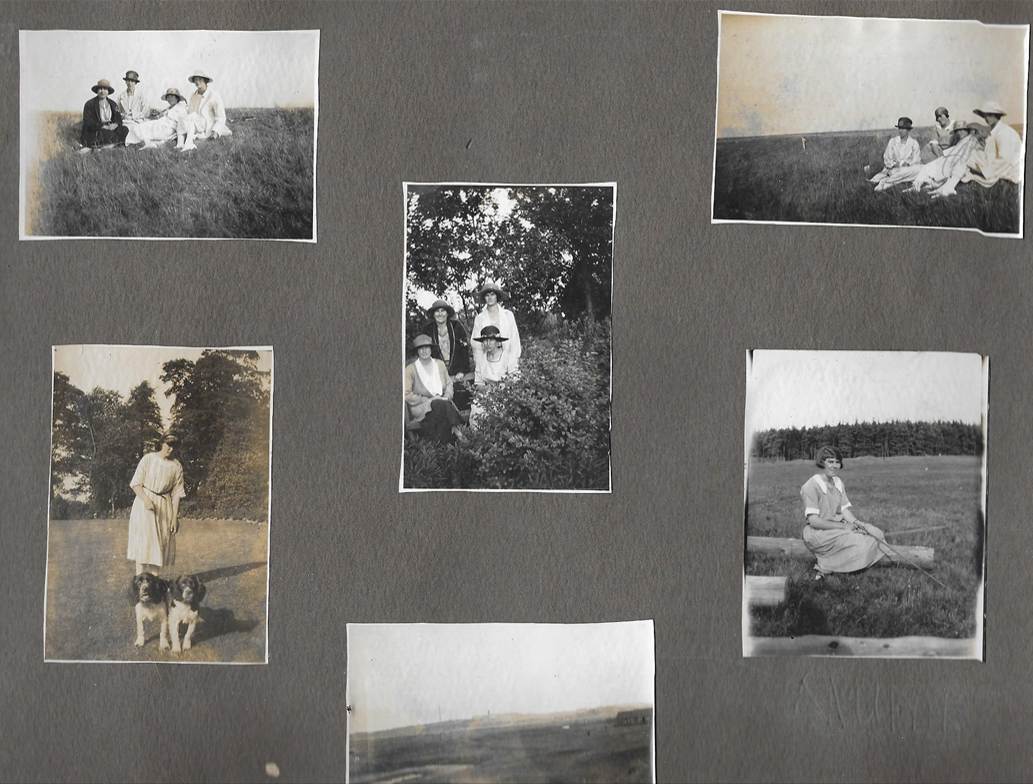
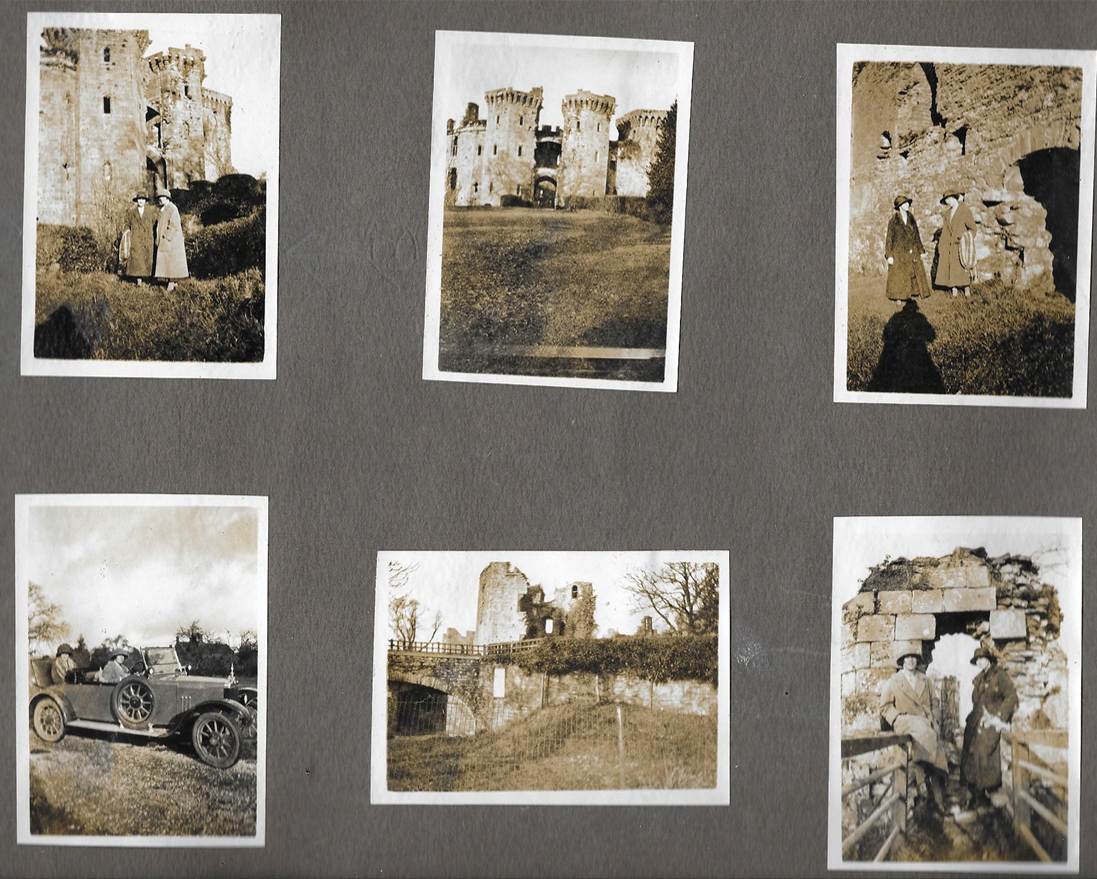
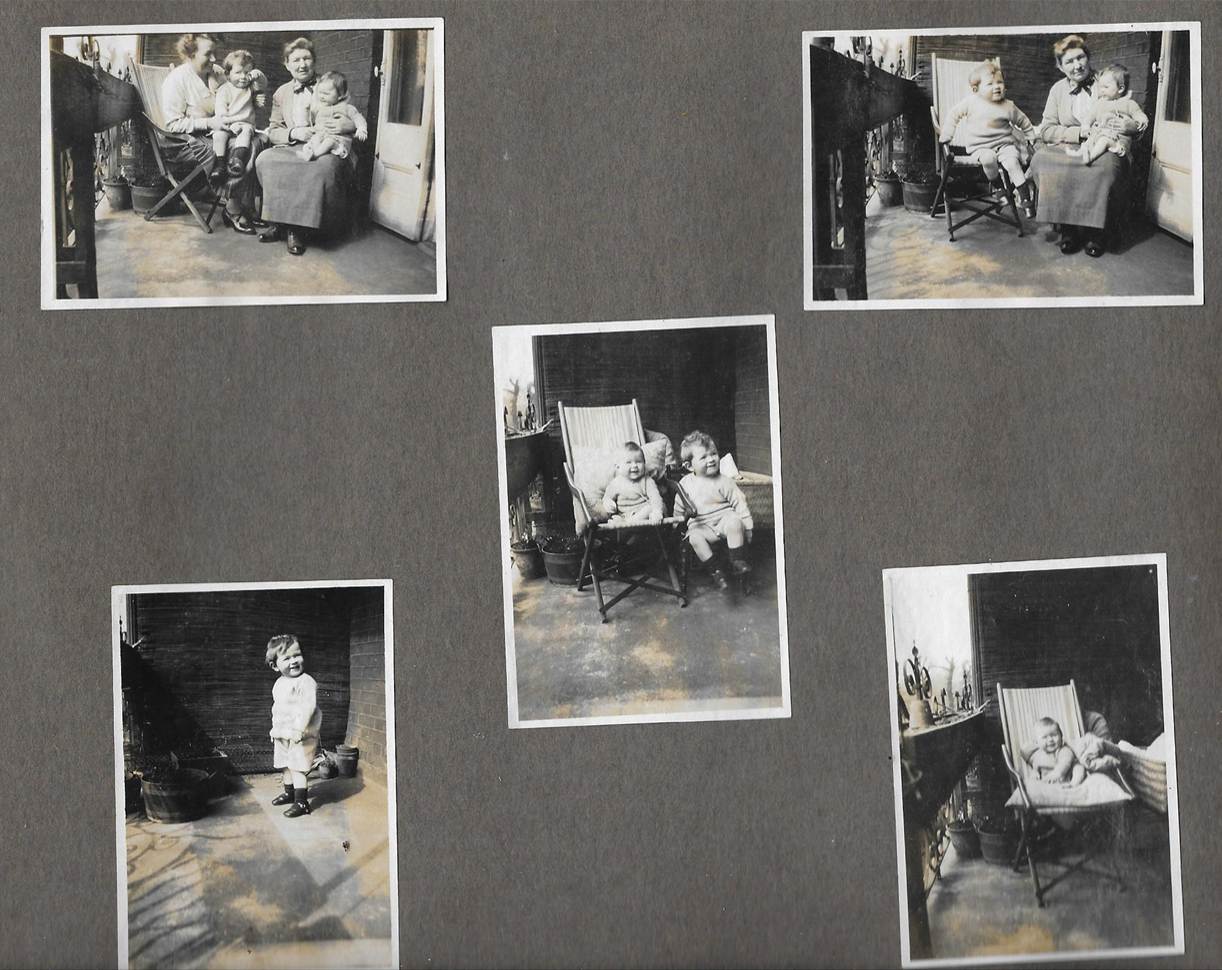
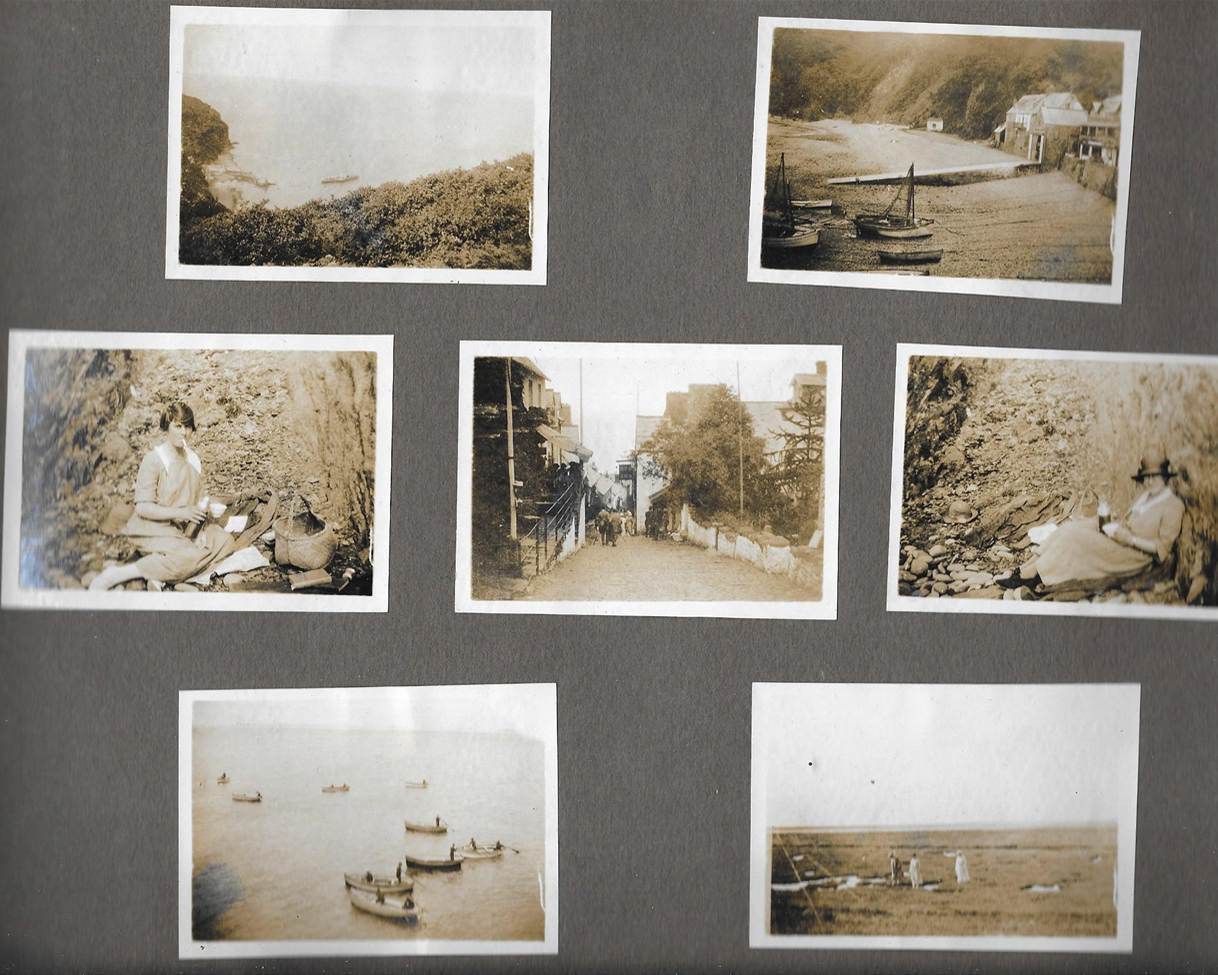
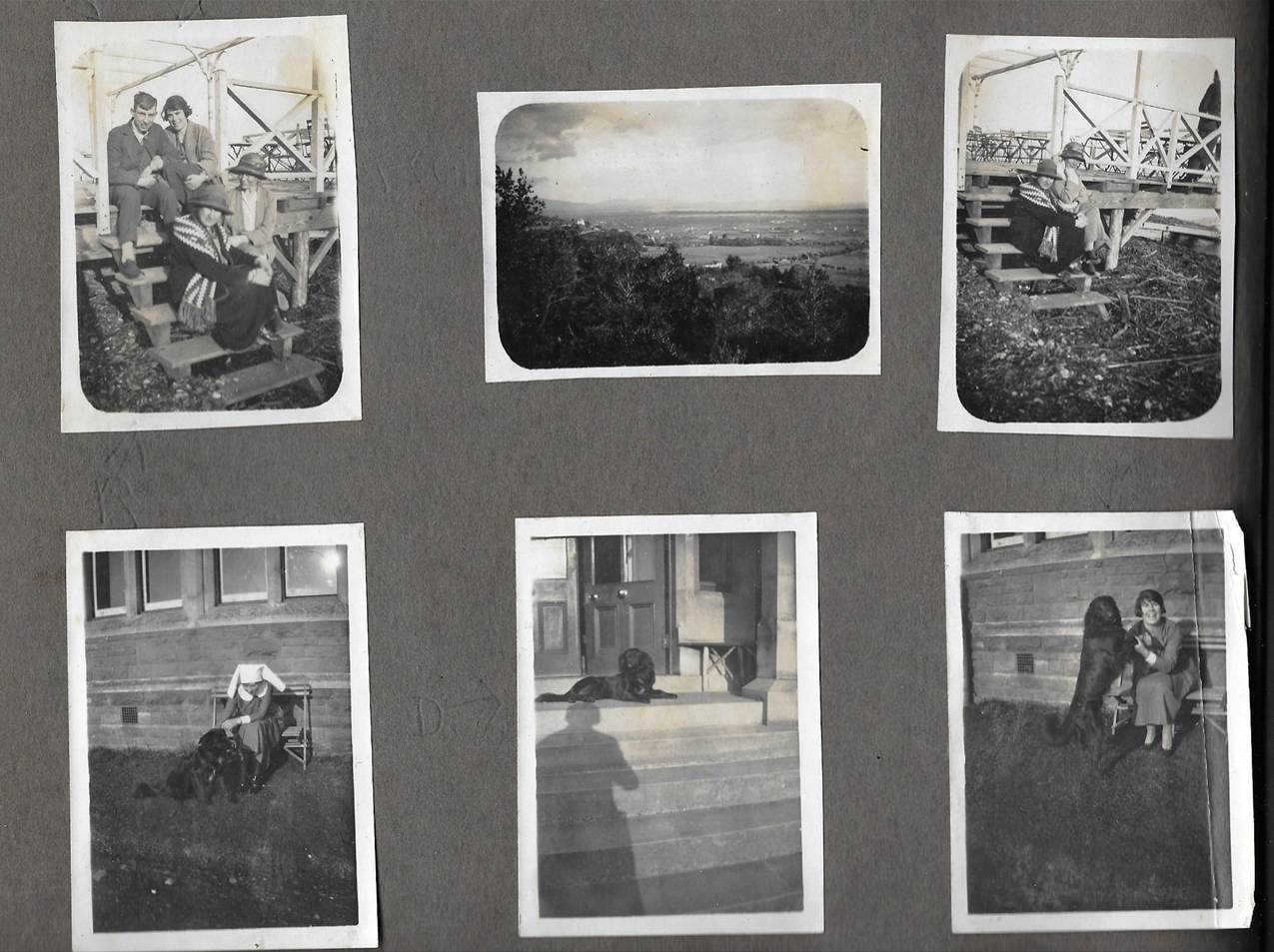
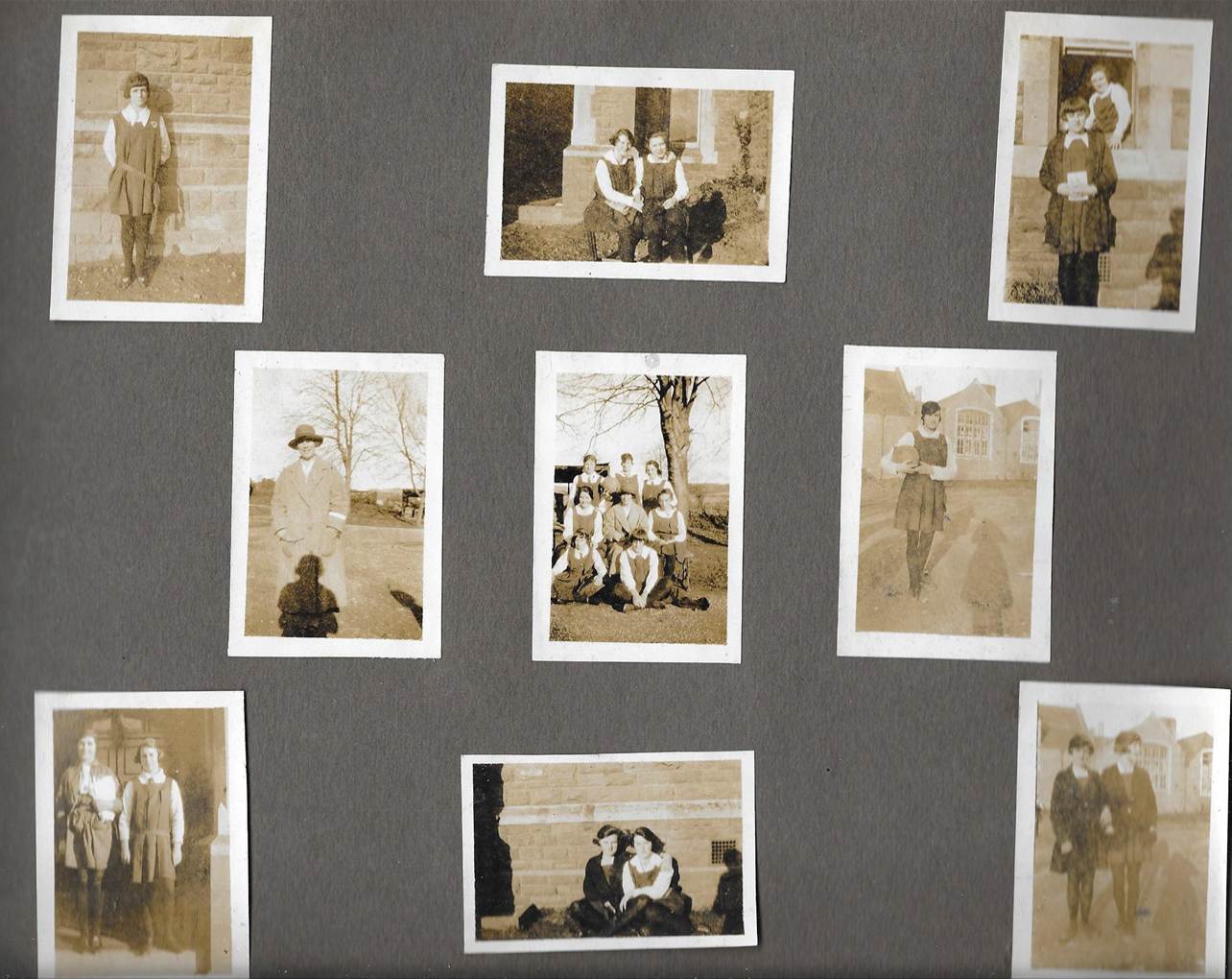
from the Twenties which are still to be identified:
OVK
and Mary S
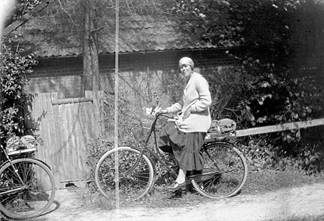
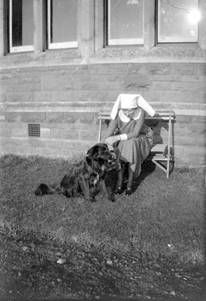
“Rossites”
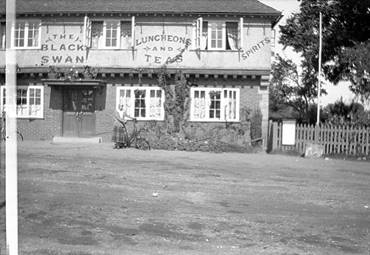
“Up and
Down”, Madge and “Just a wee Trio”
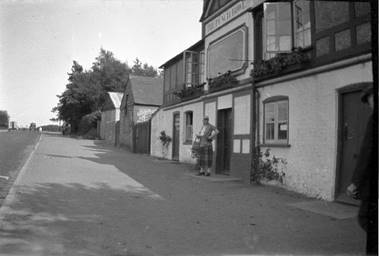
“D.A.D”
and “Coll or Co II”
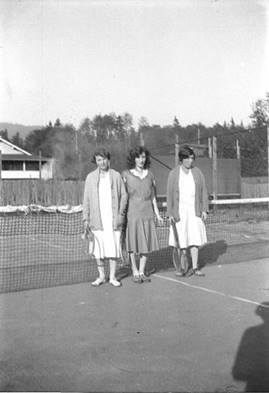
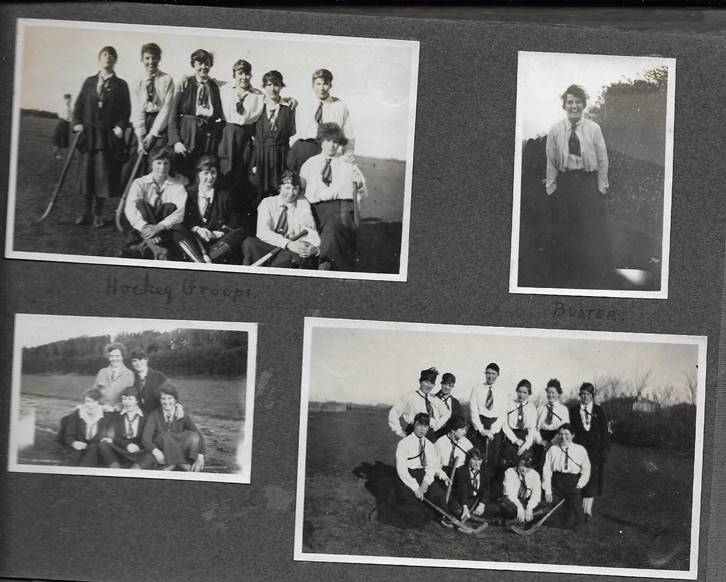
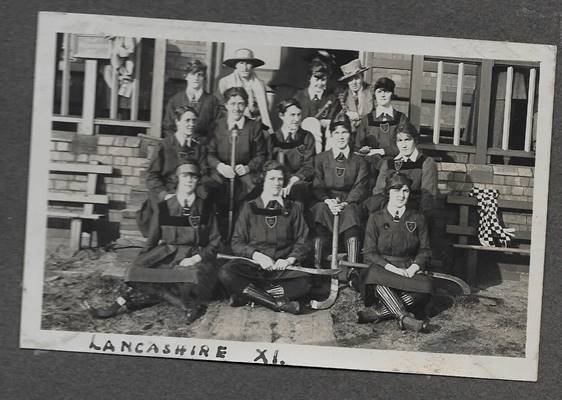
Hockey Groups and Buster
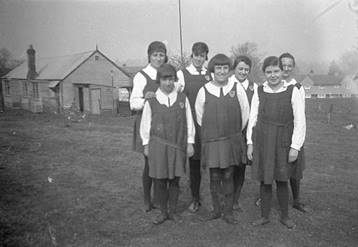
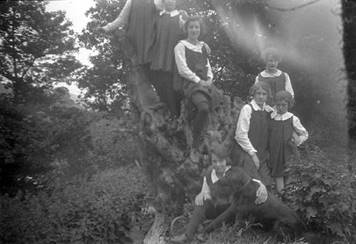
“Mary, Nan et Moi”, “Miss A”, “Billy”, “Nan” and “Moi”
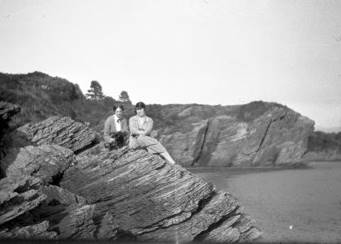
Hope, Buster and Bunny, SPTC
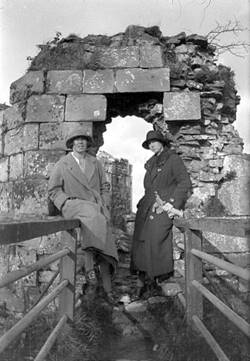
Homer (and her puppies?)
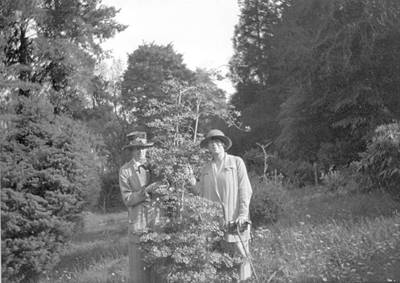
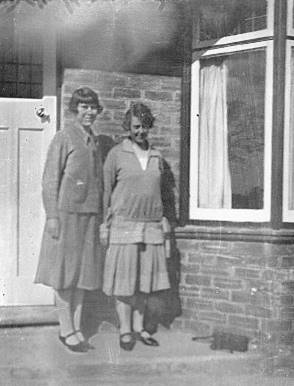
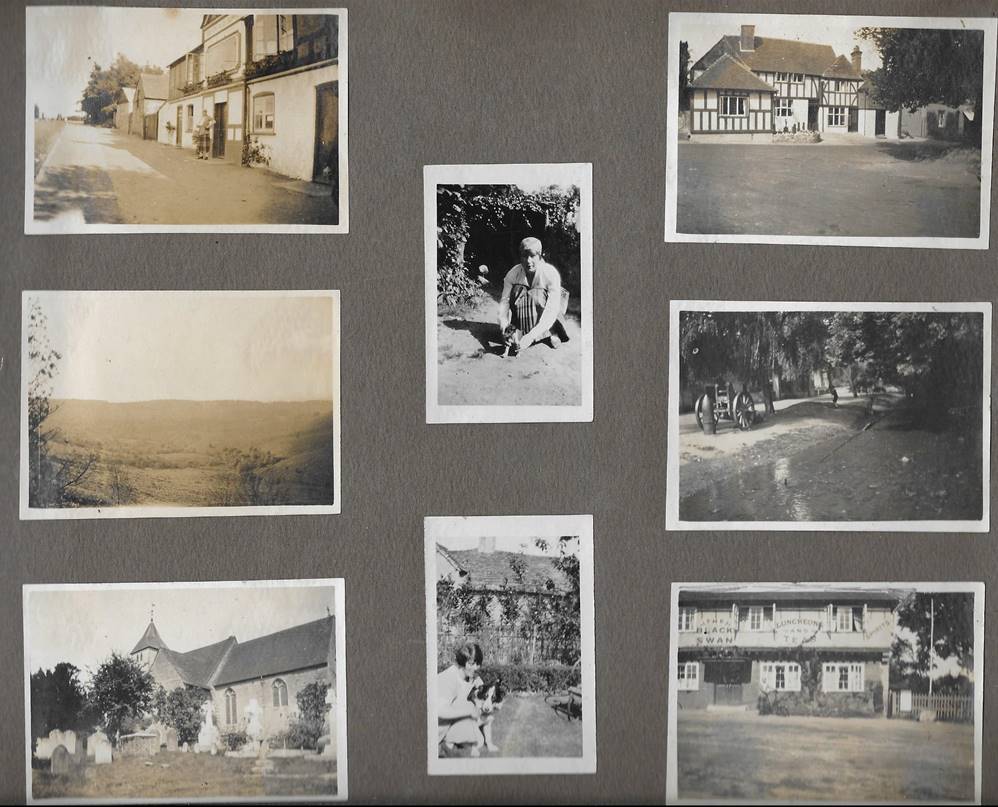
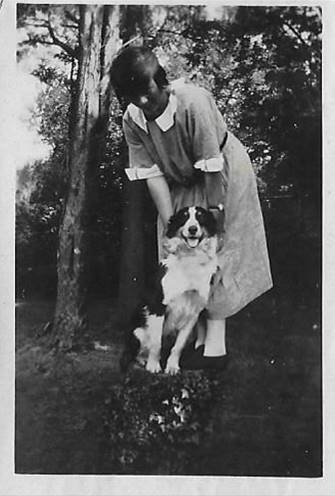
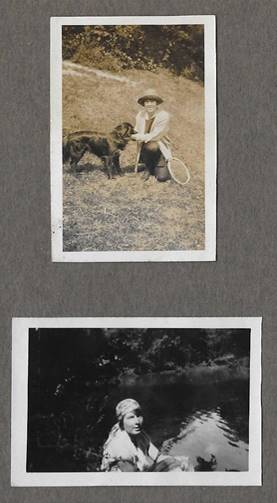
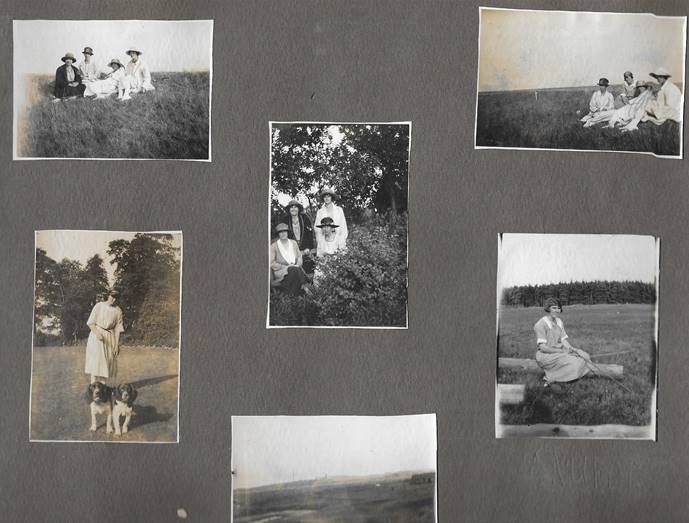
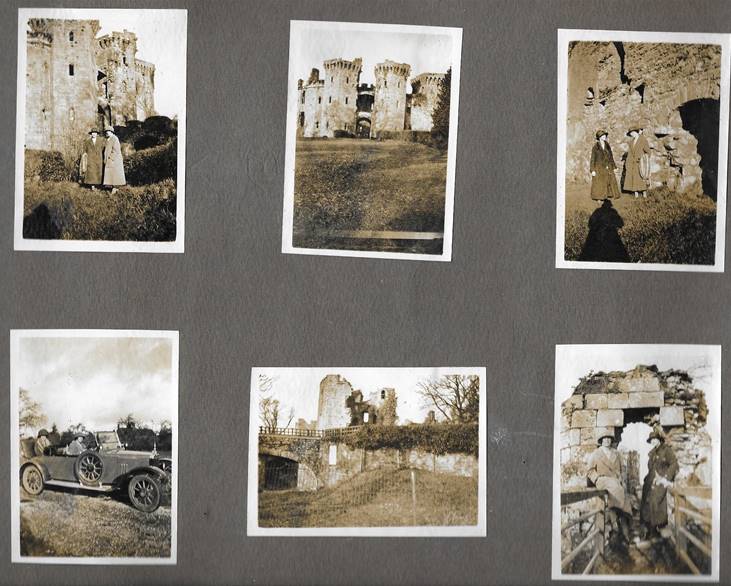
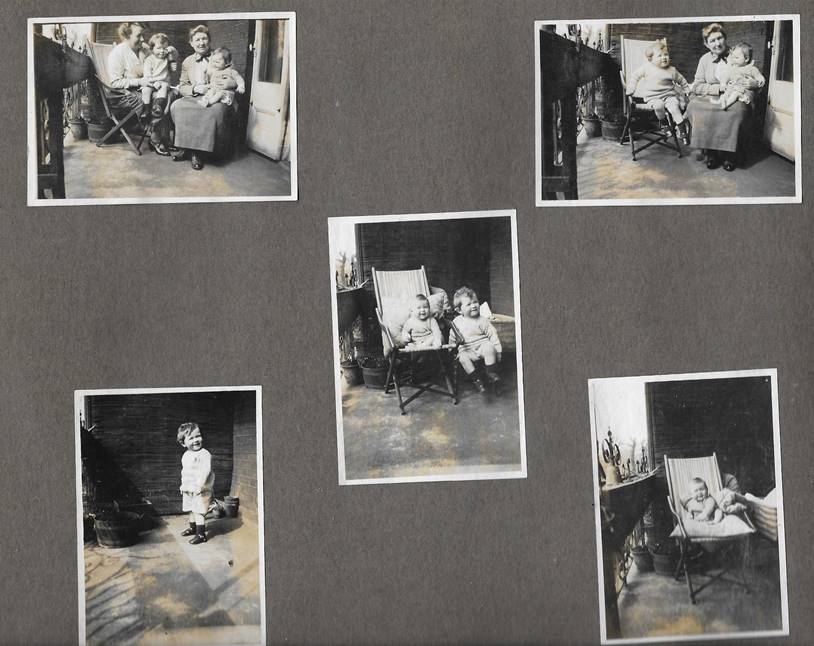
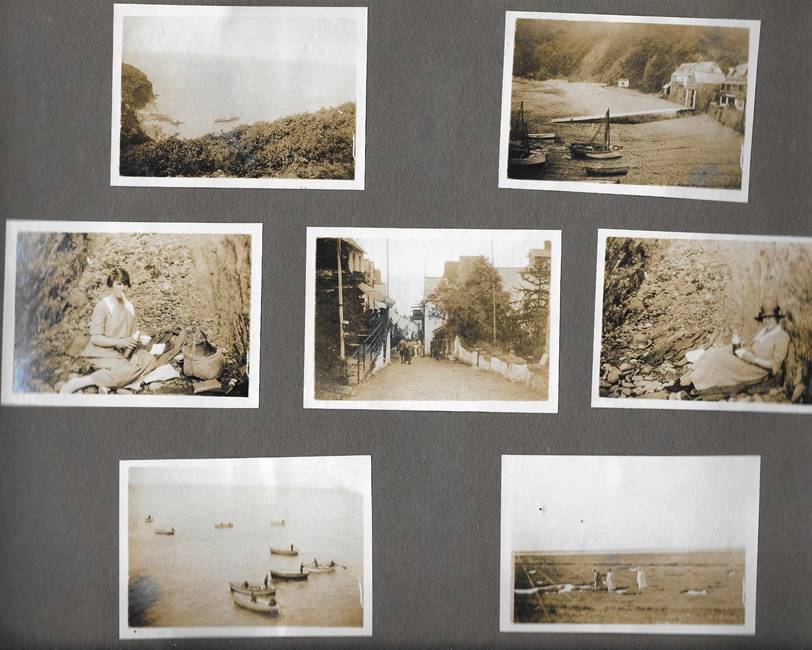
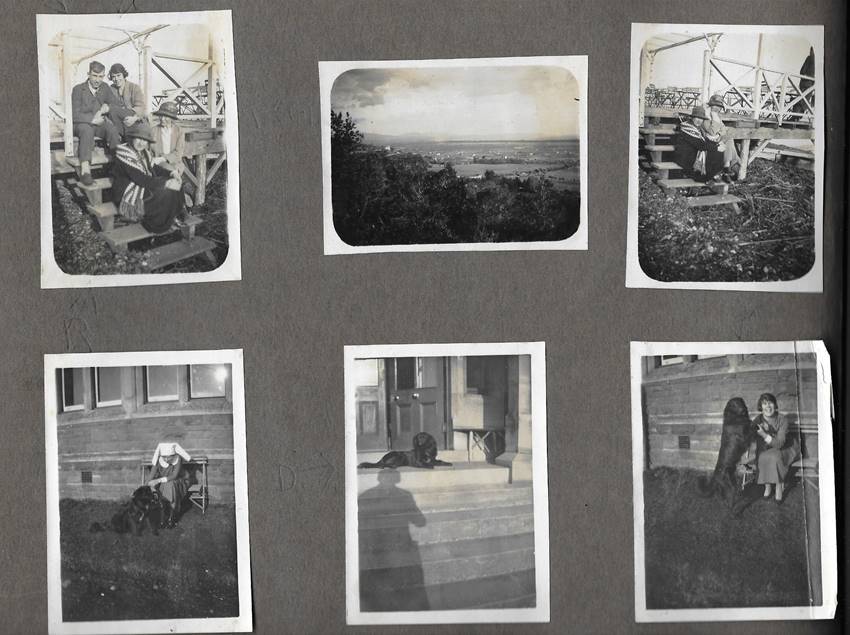
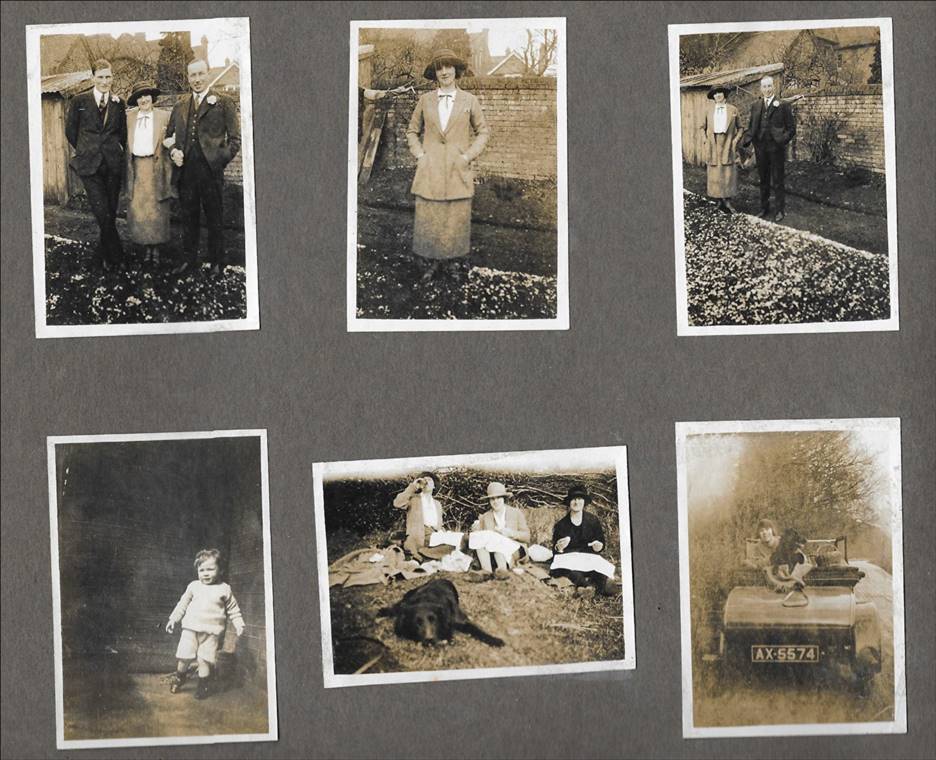
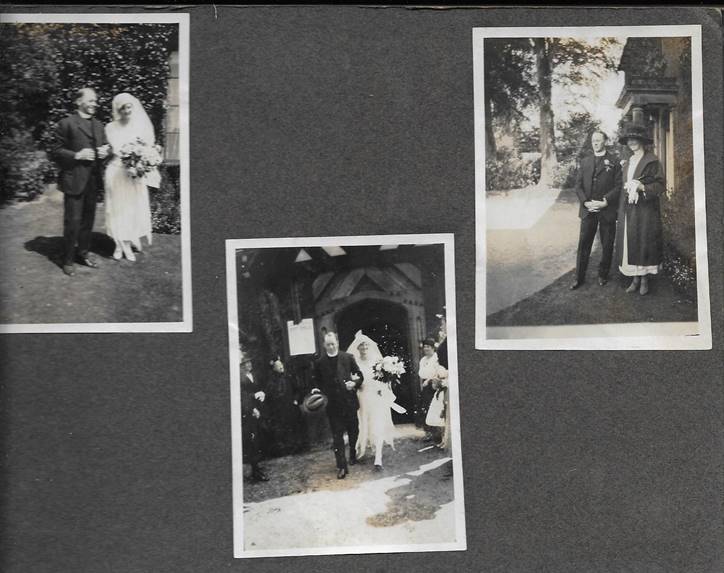
Could
this be Kit Lynham wedding to Francis Marshall, a parson?
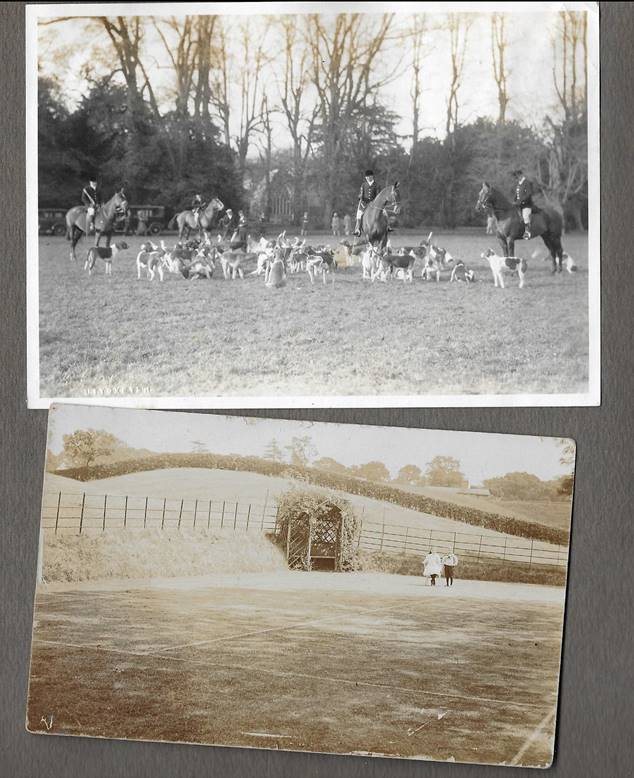
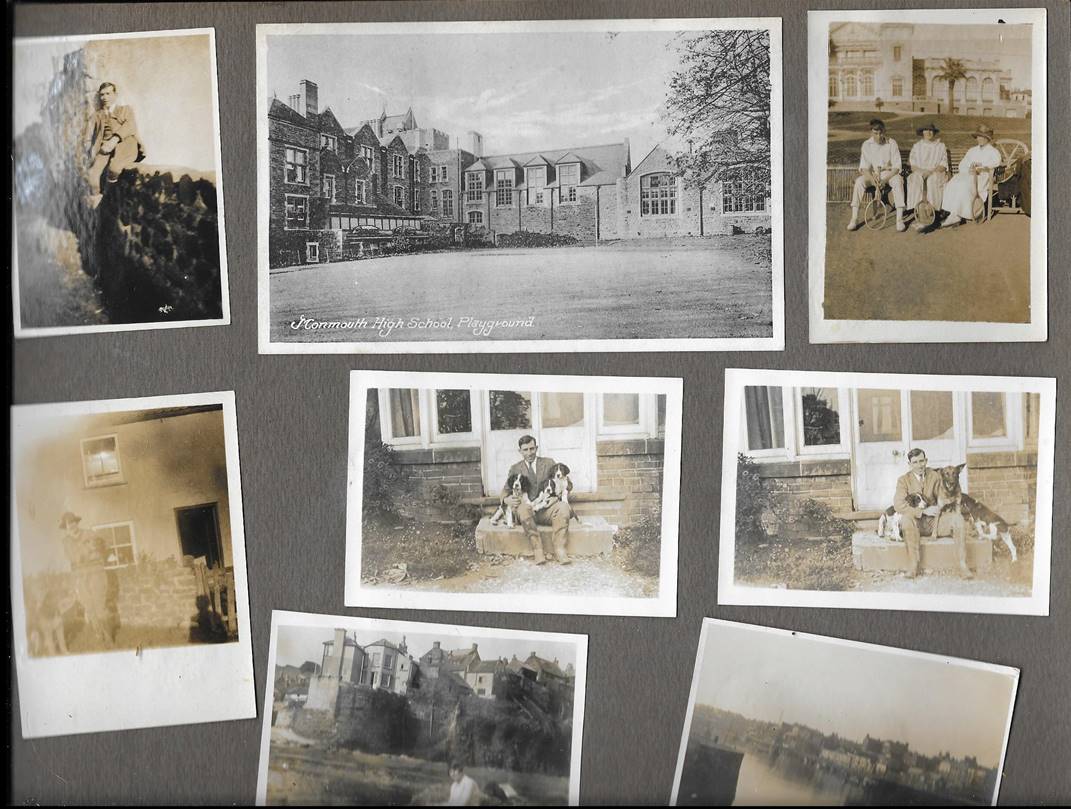
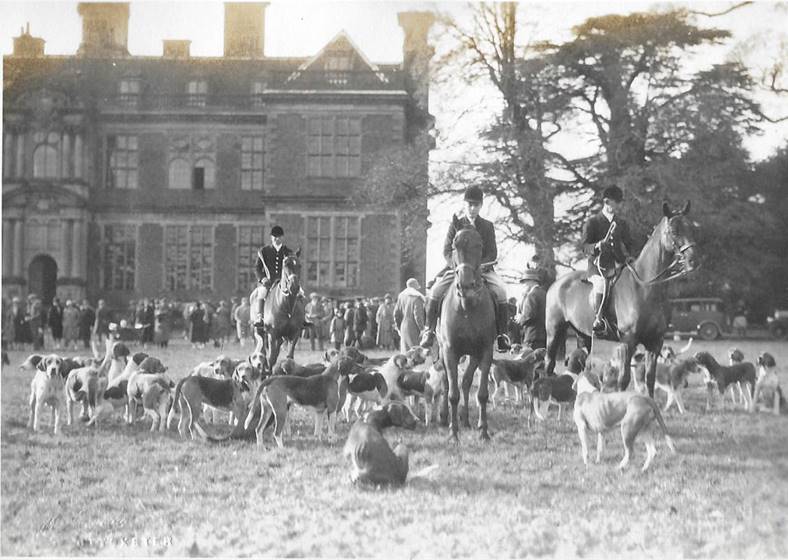
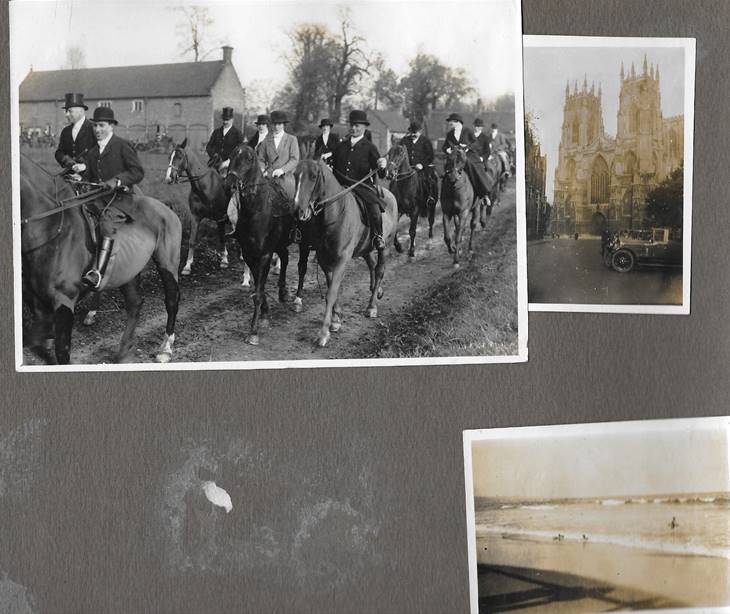
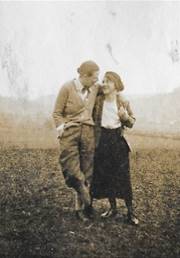
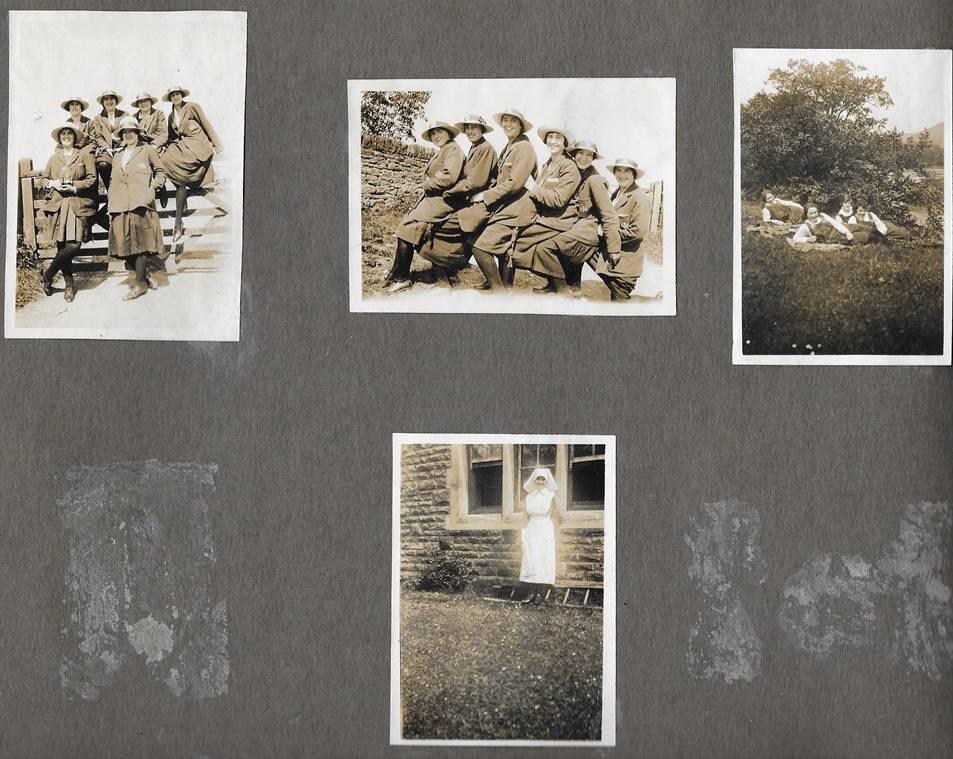
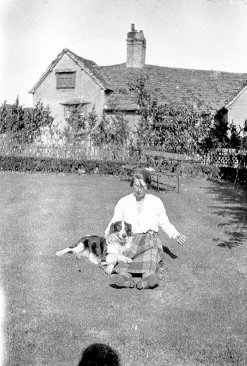
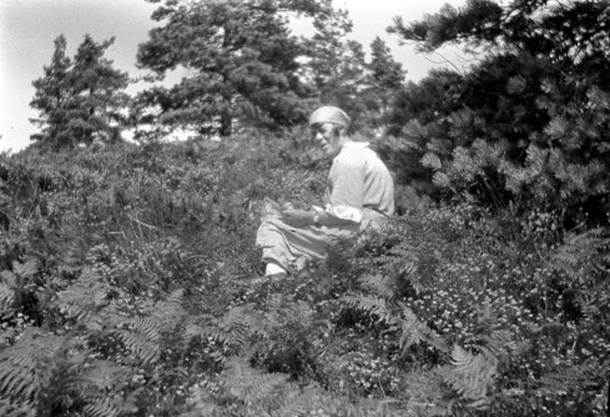
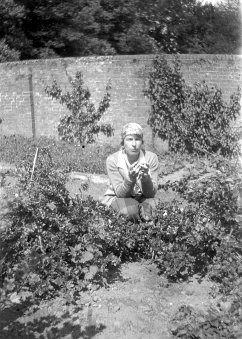
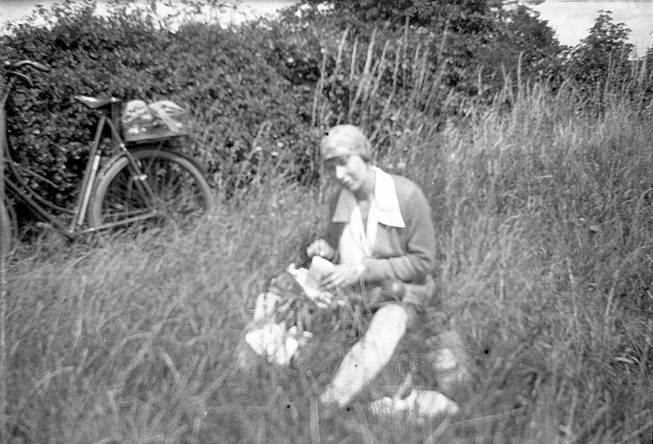
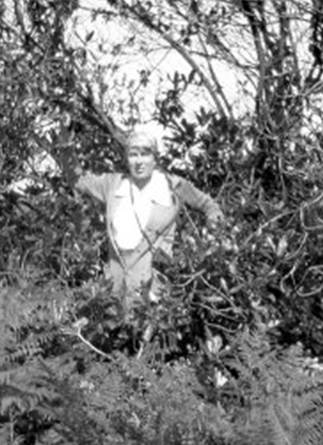
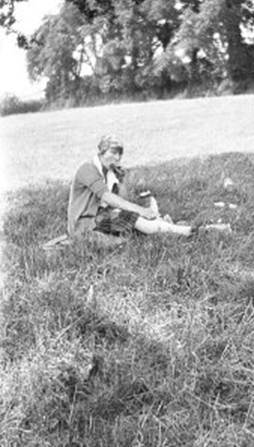
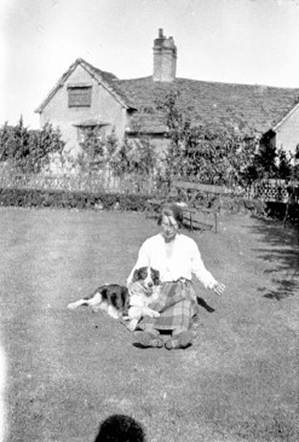
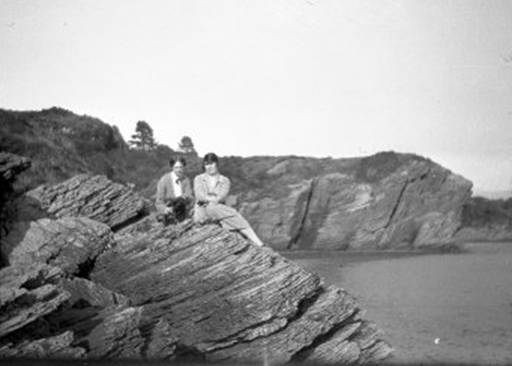
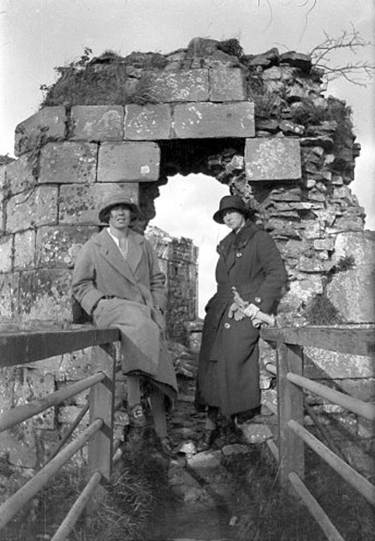
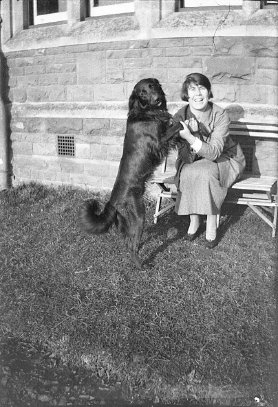
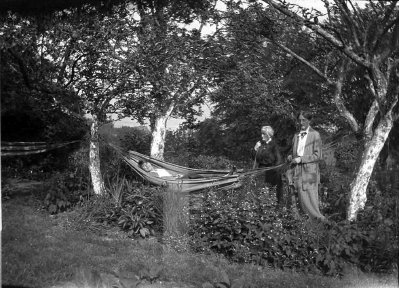
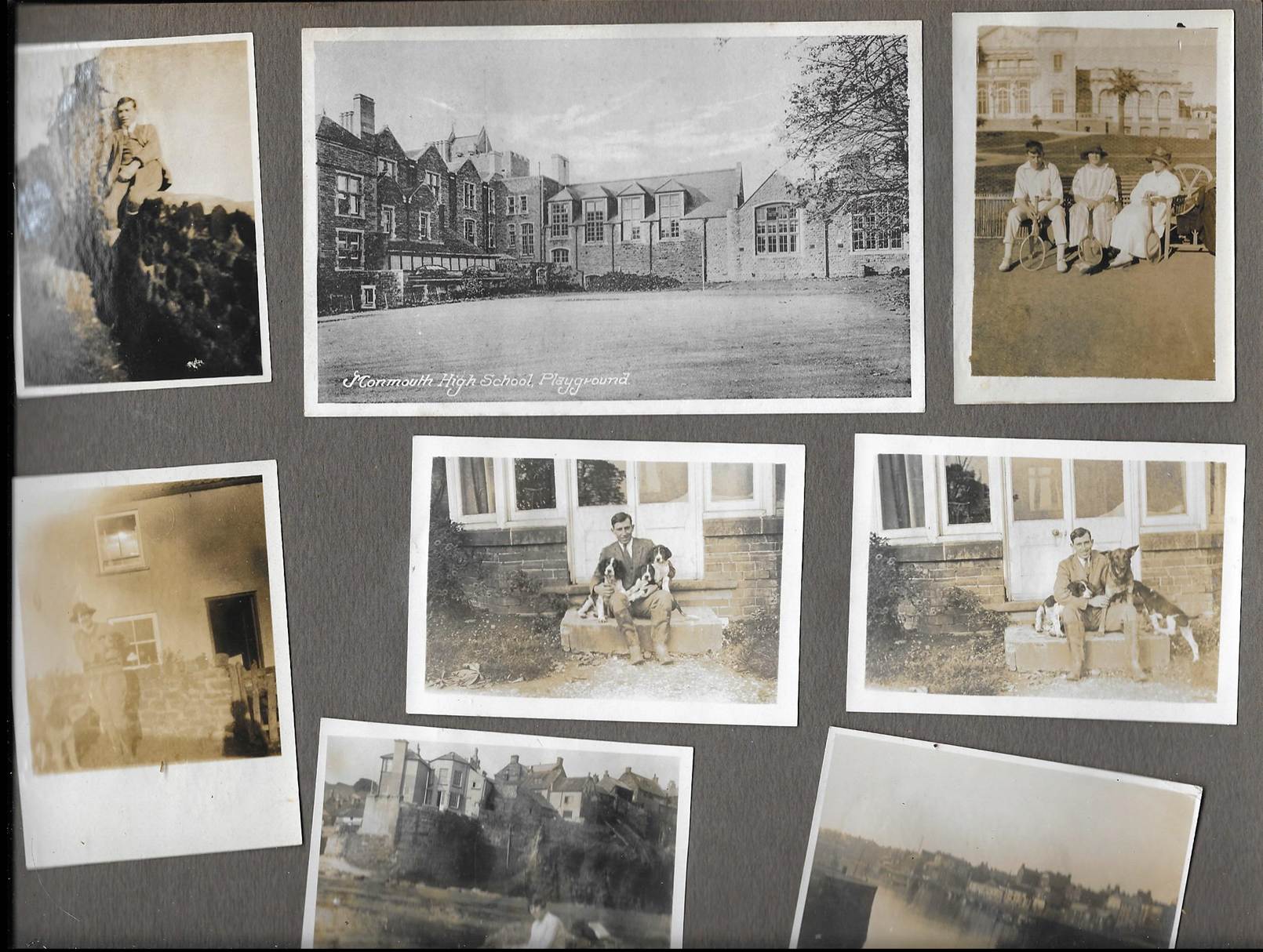
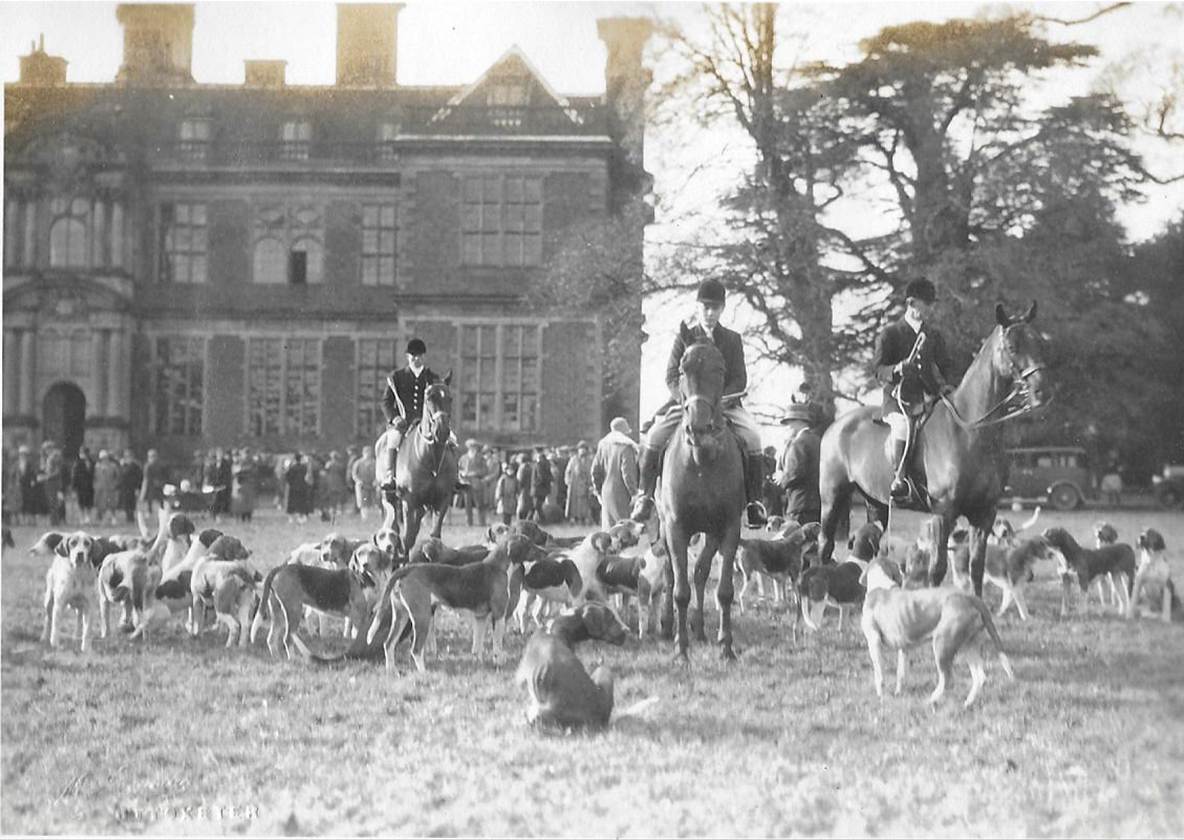
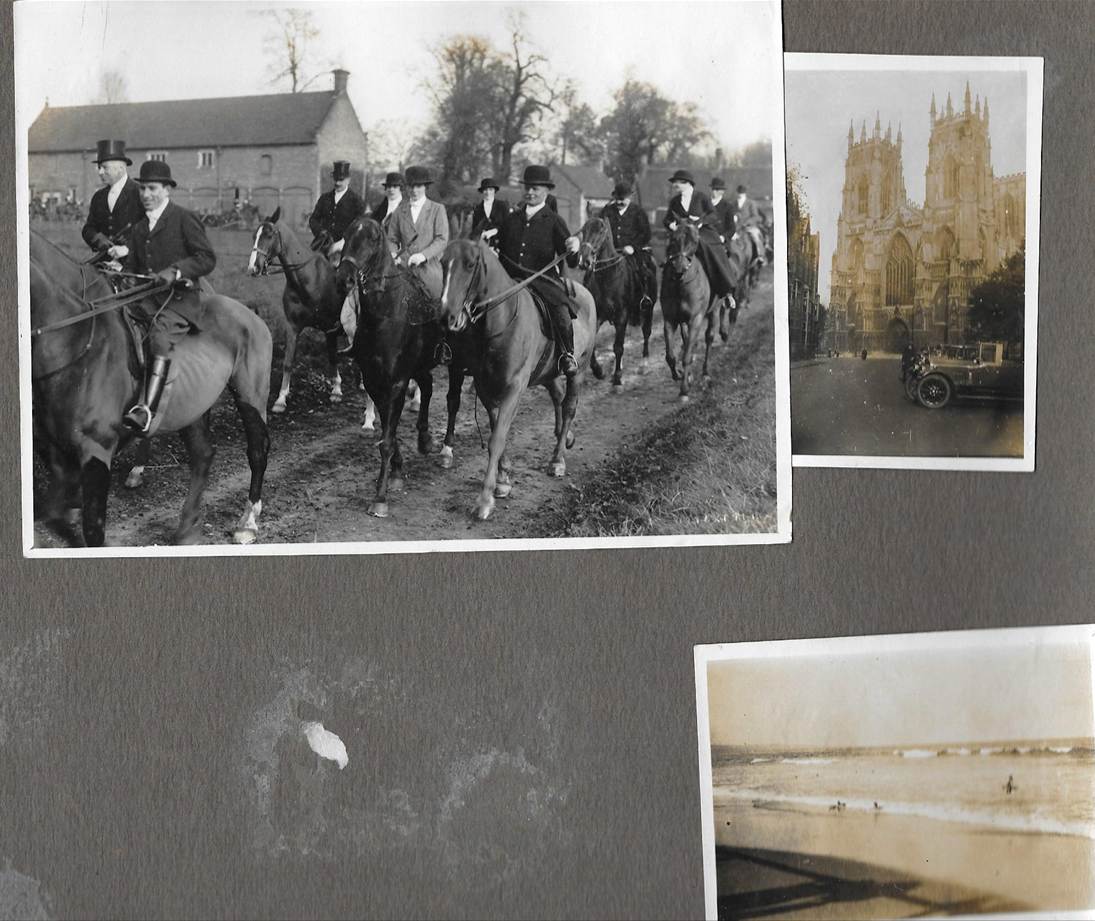
Peggy’s photos probably in the early 20s:
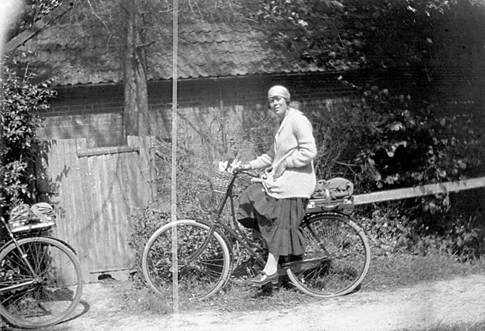
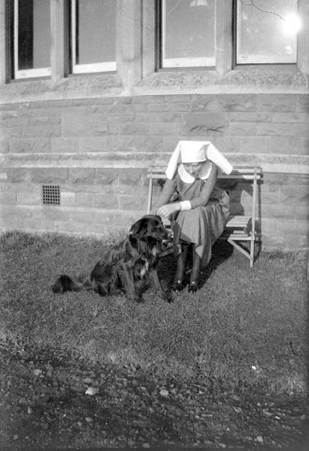
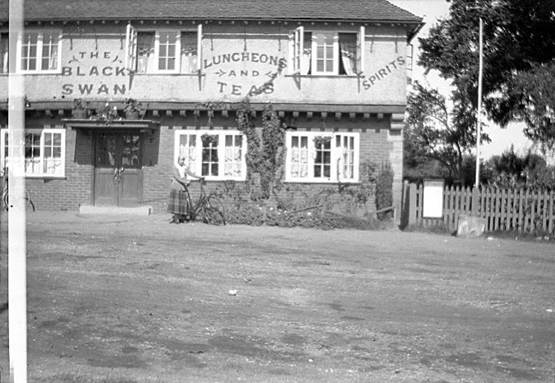
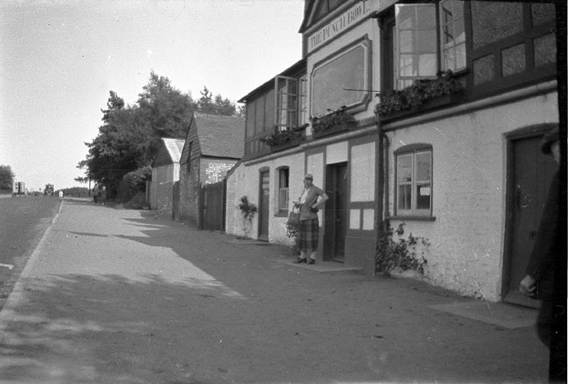
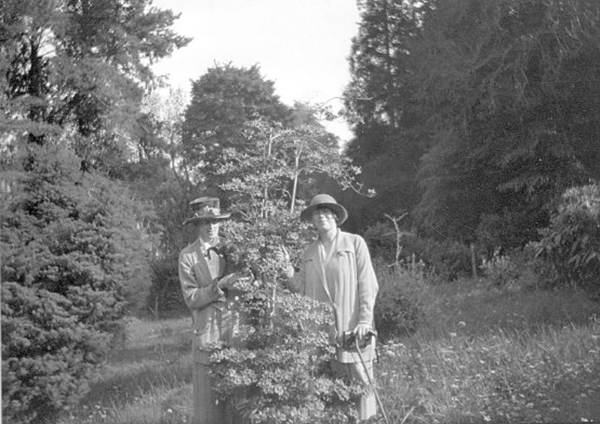
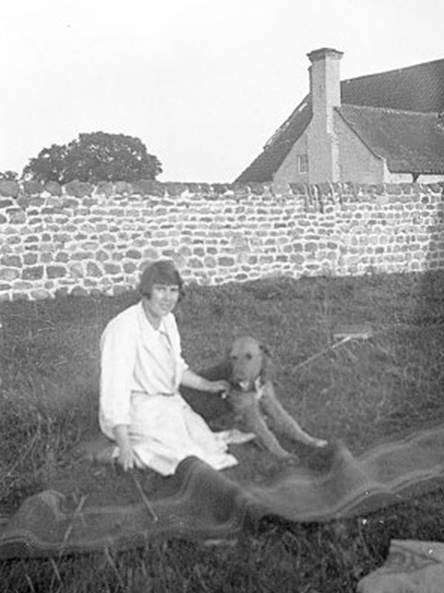
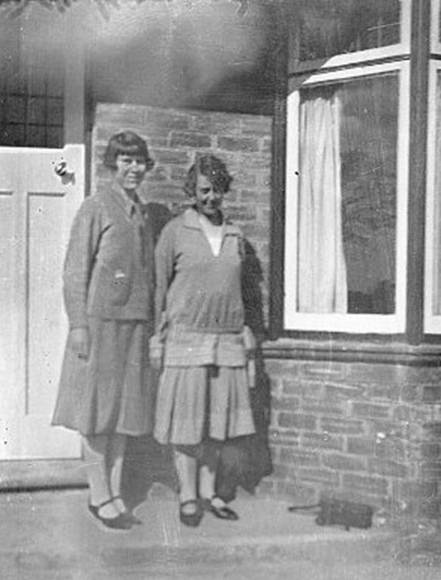
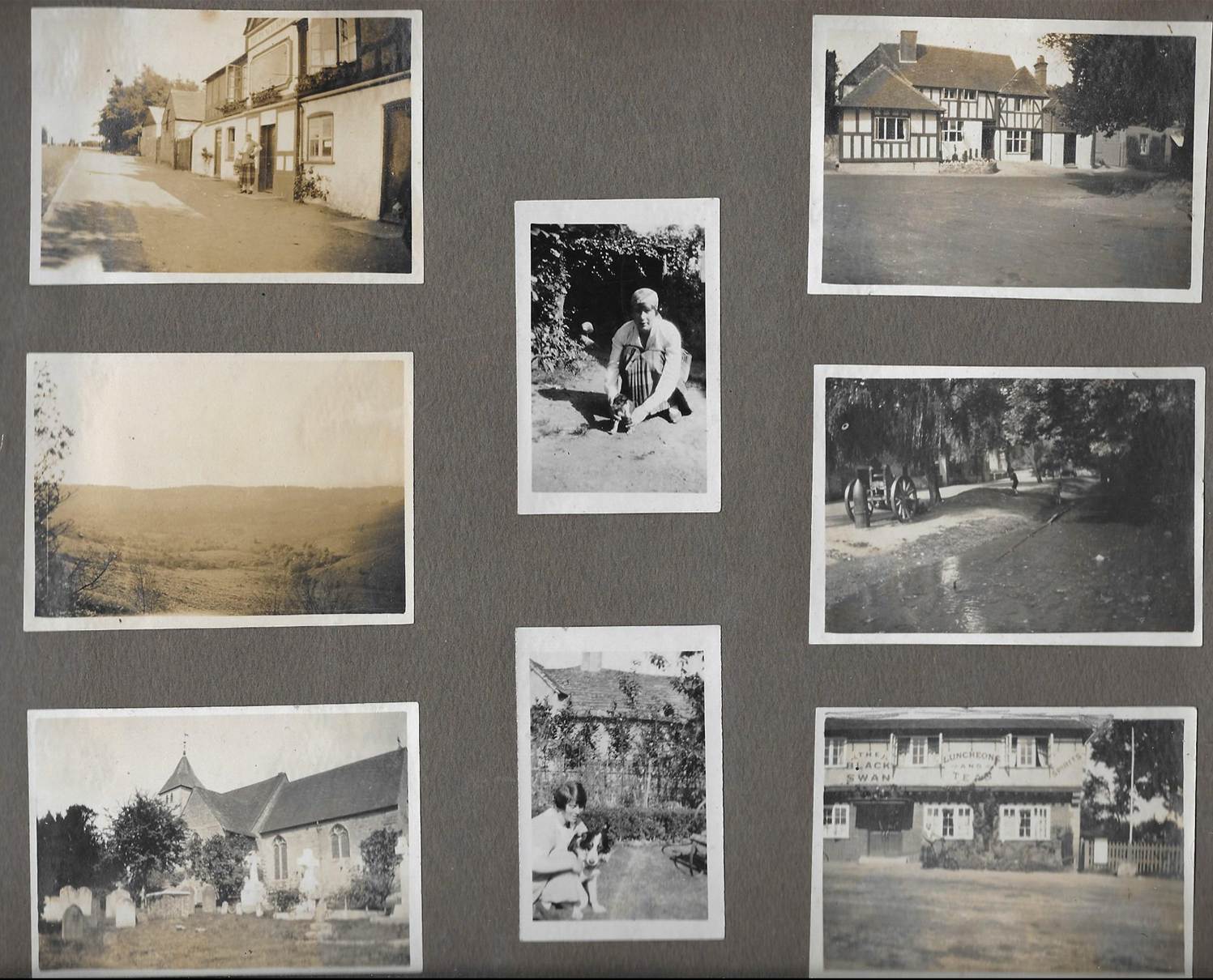
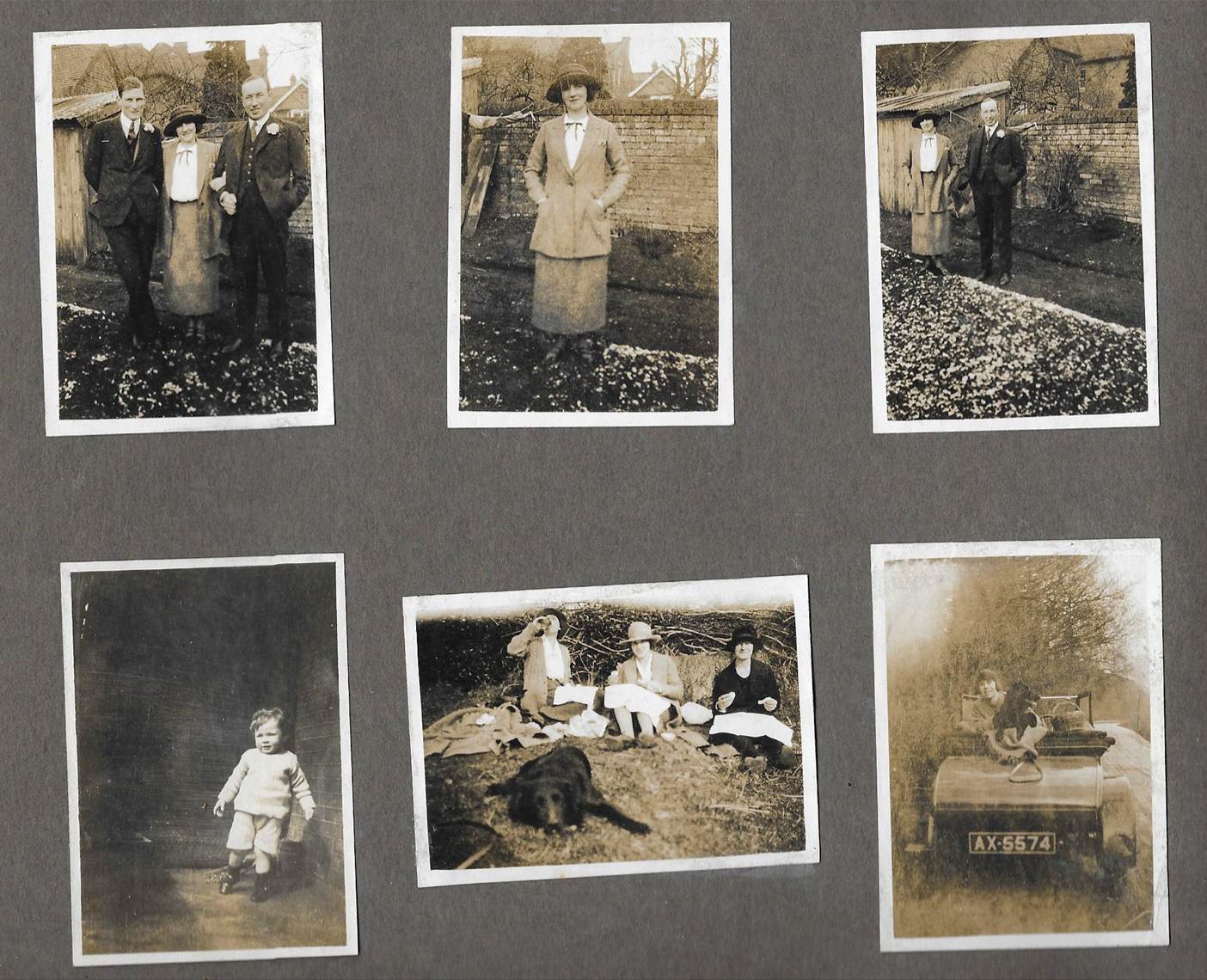
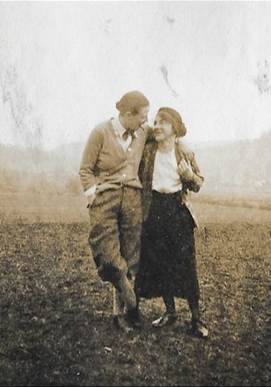
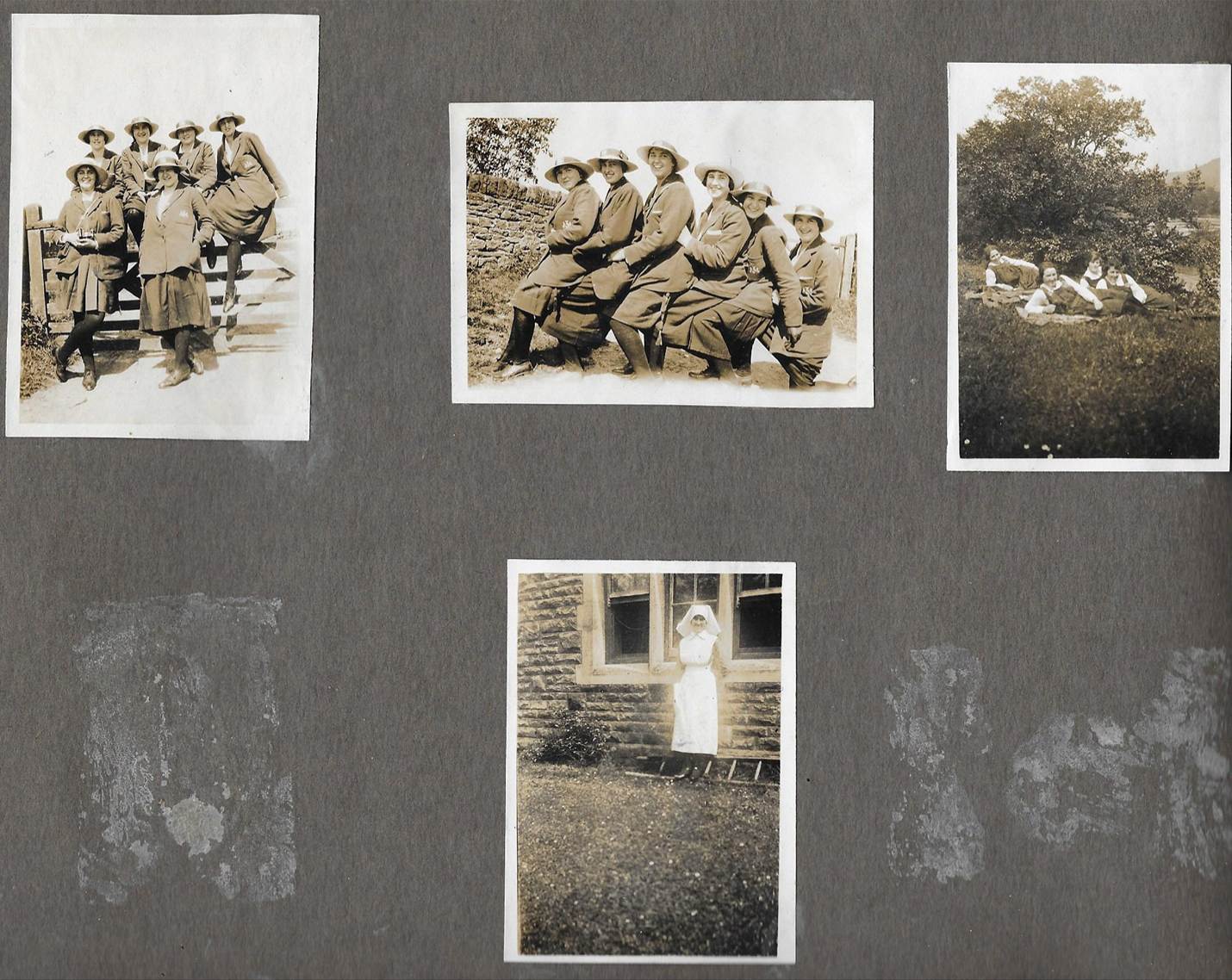
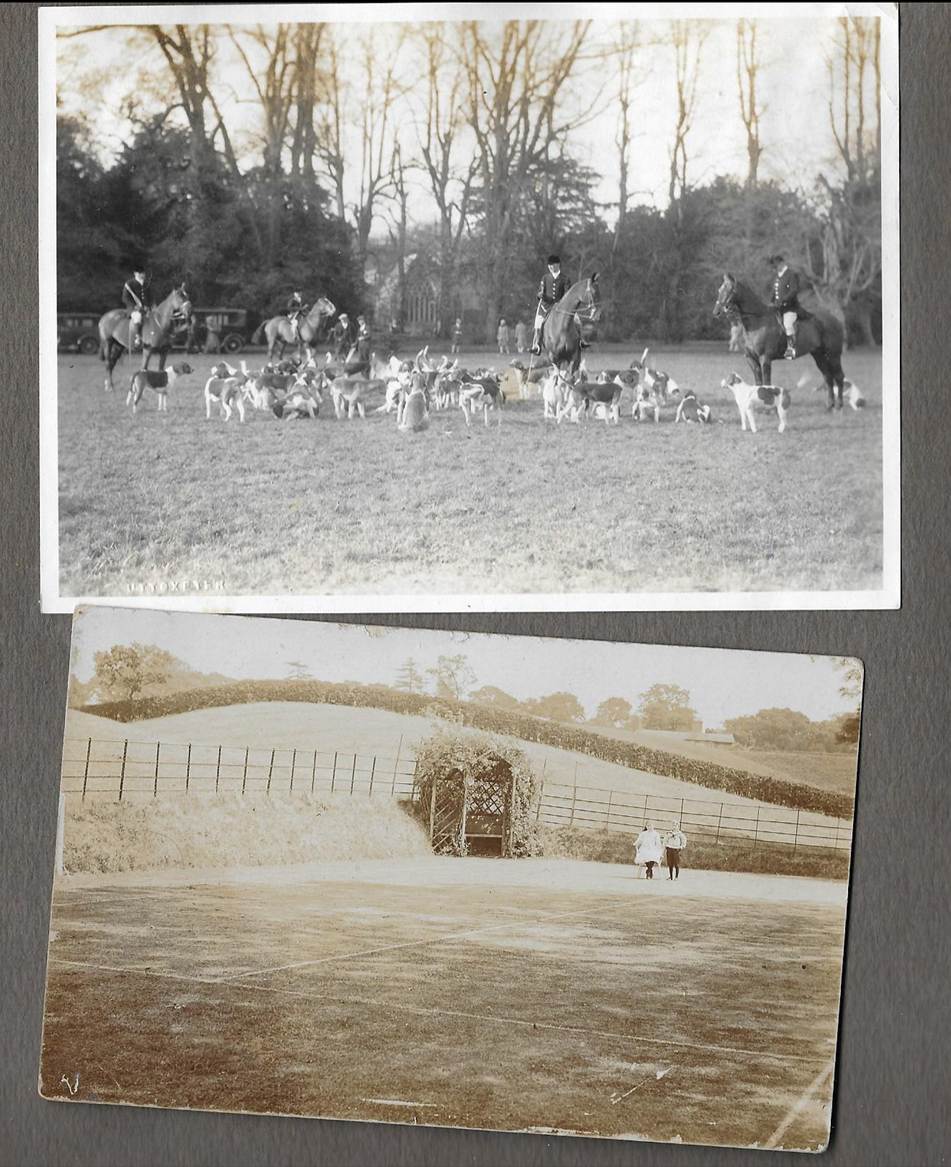
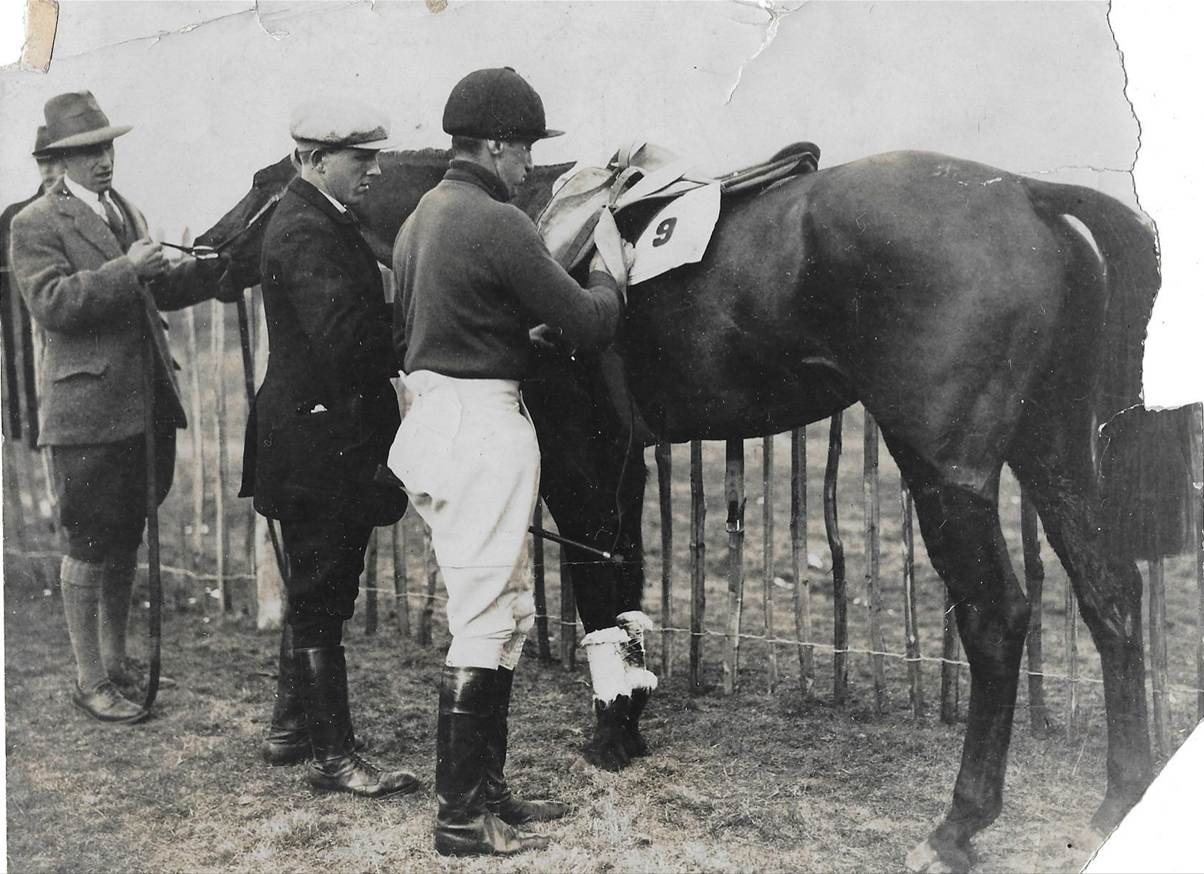
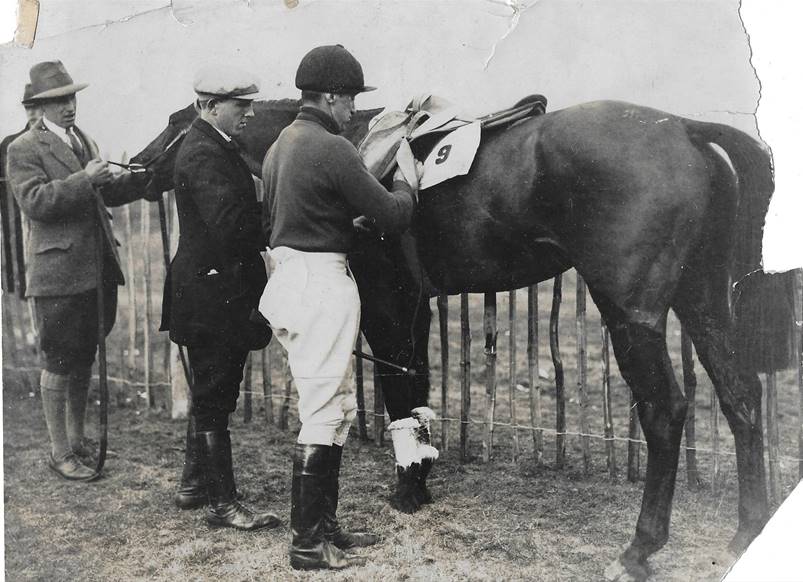
Annotated
on the reverse: “Geof, Captain Feldon’s Groom, Captain Feldon. Hydraulic won
Meyrells Hunt, Farmer’s Race, 1929.”