Albert William Farndale
30 June 1920
Lineage not identified
FAR00866
|
Return to the Home Page of the Farndale Family
Website |
The story of one family’s journey through two
thousand years of British History |
The 83 family lines into which the family is divided.
Meet the whole family and how the wider family is related |
Members of the historical family ordered by date of
birth |
Links to other pages with historical research and
related material |
The story of the Bakers of Highfields, the Chapmans,
and other related families |
Worked on ships’
companies
Headlines of
Albert Farndale’s life are in brown.
Dates are in red.
Hyperlinks to
other pages are in dark
blue.
References and
citations are in turquoise.
Context and local
history are in purple.
Geographical
context is in green.
Guisborough
1920
Albert William Farndale, whose mother’s
surname was Farndale and a single woman, was born in Guisborough District in the third quarter
of 1920 (GRO Vol 9D Page 1034).
1921
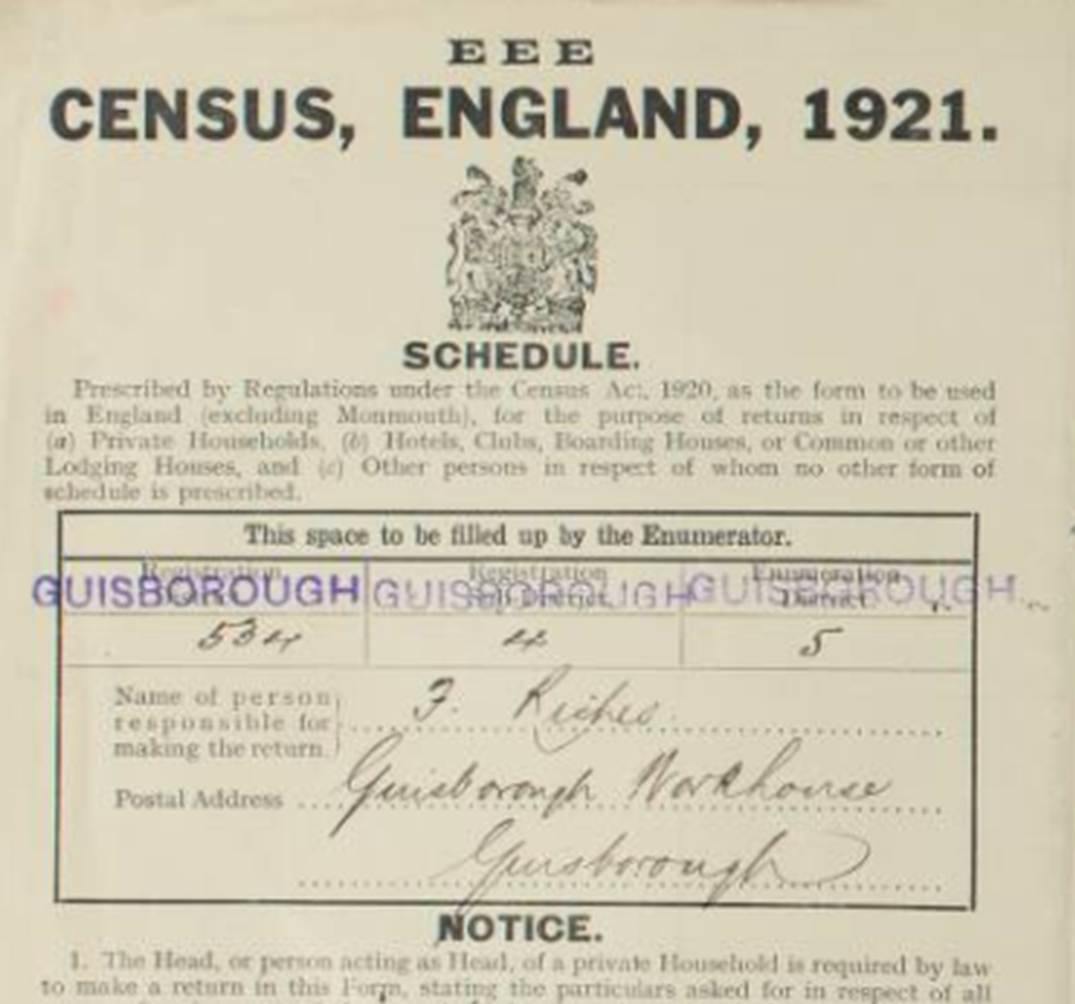
1921 Census – Guisborough Workhouse.
Albert William Farndale, born
Guisborough, inmate, 1 year old, both parents alive

At sea
1941
In 1941 he was assistant steward on
The British Zeal, bound for New York. He had served for 3 years at sea, and was
5 ft 9.5 inches tall, and 137 lbs weight.
1943
In 1943 and 1944 Albert W Farndale,
23, travelled to New York on the Queen Elizabeth
|
1943 |
British, Assistant Engineer Steward,
6 years service |
Queen Elizabeth |
|
|
5 August 1943 |
British, Assistant Engineer Steward |
Queen Elizabeth |
|
|
1944 |
England, Assistant Steward, 23, born
in Guisborough, living in Rugby |
SS Queen
Elizabeth |
|
|
24 April 1944 |
British. Arrived in New York from the
Port of Middlesbrough. Assistant
Steward. |
Empire Law |
|
|
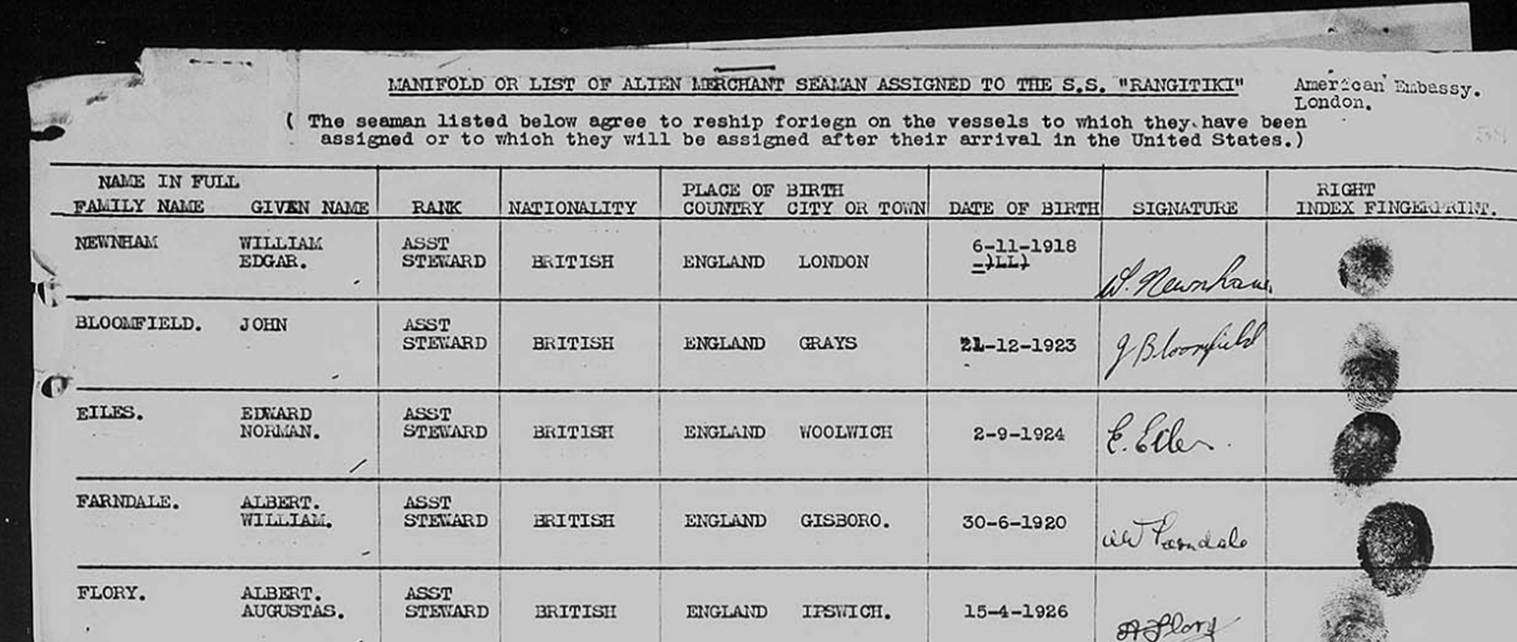
1944 |
England |
Rangitiki |
|
|
15 June 1944 |
British |
Rangitiki |
1944 on the SS Rangitiki:
At the start of the
Second World War, it was decided that Queen Elizabeth was so vital to the war
effort that she must not have her movements tracked by German spies operating
in the Clydebank area. An elaborate ruse suggested to any German observers that
she would sail to Southampton to complete her fitting-out. Another factor
prompting the ship’s departure was the necessity to clear the fitting-out berth
at the shipyard for the battleship HMS Duke of York, for final fitting-out, as
only it could accommodate the King George V-class battleships
By the beginning of
March 1940, Queen Elizabeth was ready to move; the ship had been fuelled, and
adjustments to her compass were made, along with some final testing of
equipment. The Cunard colours were painted over with battleship grey, and on
the morning of 3 March, the ship quietly left her moorings in the Clyde and
proceeded out of the river, where she was met by a King's Messenger, who
presented sealed orders directly to the captain.
They were to take the
ship directly to New York, in the neutral United States, not to stop or even
slow to drop off the Southampton harbour pilot who had embarked on at
Clydebank, and to maintain strict radio silence. Later that day, when she was
due to arrive at Southampton, the city was bombed by the Luftwaffe.
Queen Elizabeth
zigzagged across the Atlantic to elude German U-boats and took six days to
reach New York at an average speed of 26 knots. There she found herself moored
alongside both Queen Mary and the French Line's Normandie, the only time the
world's three largest ocean liners were ever berthed together.[16] Captain
Townley received two telegrams on his arrival, one from his wife, and the other
from Her Majesty Queen Elizabeth thanking him for the vessel's safe delivery.
The ship was then secured so that no one could board her without prior
permission, including port officials.
Queen Elizabeth left the
port of New York on 13 November 1940, for Singapore to receive her troopship
conversion. After two stops to refuel and replenish her stores in Trinidad and
Cape Town, she arrived in Singapore's naval docks, where she was fitted with
anti-aircraft guns, and her hull repainted grey.
Queen Elizabeth left
Singapore on 11 February, and on 23 February 1942, secretly arrived in
Esquimalt, British Columbia, Canada. She underwent refit work in drydock adding
accommodation and armaments, and three hundred naval ratings quickly painted
the hull. In mid-March, carrying 8,000 American soldiers, Queen Elizabeth began
a 7,700-mile voyage from San Francisco to Sydney, Australia. She then carried
Australian troops to theatres of operation in Asia and Africa. After 1942, the
two Queens were relocated to the North Atlantic for the transportation of
American troops to Europe. Their high speeds allowed them to outrun hazards,
principally German U-boats, usually allowing them to travel outside a convoy
and without escort. Nevertheless, Queen Elizabeth was the target of U-704,
which fired four torpedoes at her on 9 November 1942. The commander, Horst
Wilhelm Kessler, heard a detonation and Nazi radio propaganda claimed she was
sunk. In reality, one of the torpedoes detonated prematurely and the ship was unharmed.
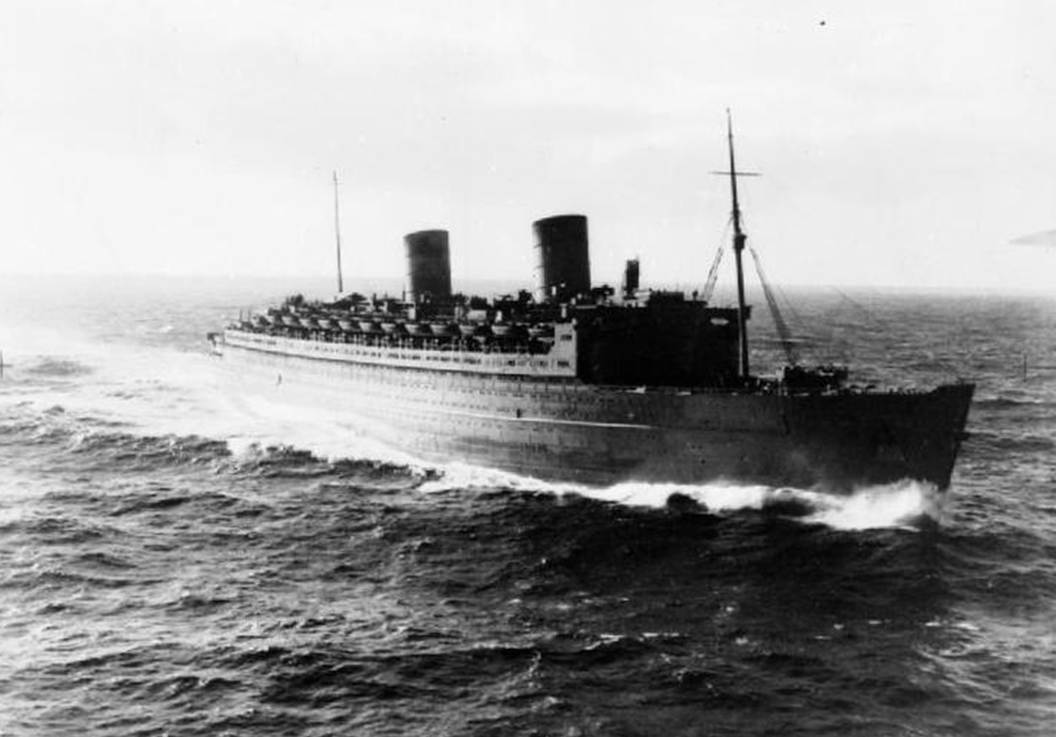
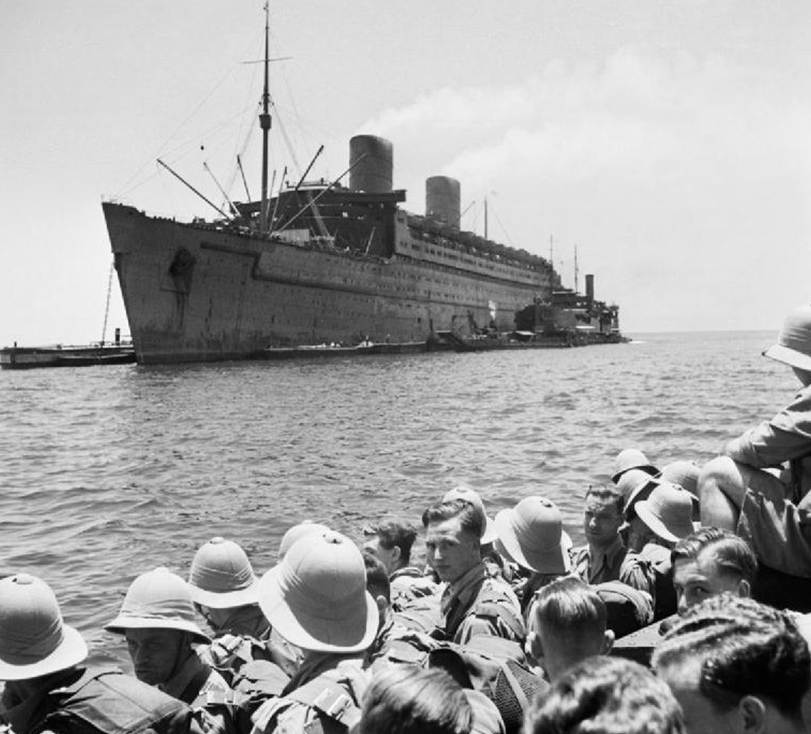
Queen Elizabeth as a
troopship in World War 2
During her war service
Queen Elizabeth carried more than 750,000 troops, and sailed some 500,000 miles
(800,000 km).
1952
On 28 June 1952 he arrived at
Brownsville, Texas from Wellington, NZ. He was second steward on the ship’s
company on the Lumen.
1958
There is an article about Albert William
Farndale in the Hull Daily Mail on 30 August and 24 September 1958. He was then
38 and an unemployed seaman.
County Durham
1961
Albert Farndale, aged 41, married
Elizabeth Mortimer in 1961 and their marriage was registered in the first
quarter of 1961 in southeast Durham (GRO Vol 1a page 1455).