Egton
The History of Egton with a focus on the aspects relative to
the Farndale family history
|
Return to the Home Page of the Farndale Family
Website |
The story of one family’s journey through two
thousand years of British History |
The 83 family lines into which the family is divided.
Meet the whole family and how the wider family is related |
Members of the historical family ordered by date of
birth |
Links to other pages with historical research and
related material |
The story of the Bakers of Highfields, the Chapmans,
and other related families |
Introduction
Dates are in red.
Hyperlinks to
other pages are in dark
blue.
Headlines of the
history of the Egton are in brown.
References and
citations are in turquoise.
Contextual
history is in purple.
This webpage about
the Egton has the following section headings:
· The Farndales of
Egton
· Egton, an overview
·
Timeline of
Egton
The Farndales of Egton
As early as 1275
De Johanne de Farndale, 1275 (FAR00014)
moved out of Farndale to Egton.
The Farndale
family group mostly associated with Egton is the Whitby 5 Line. The following
Farndales lived at Egton or were otherwise associated with Egton: De Johanne de
Farndale (FAR00014)
was born in 1275 and was one of the early inhabitants of Farndale, who moved
further afield to Egton. William Farndale (FAR00257) was
an inn keeper and agricultural labourer in Egton. Others were Ann Farndale (FAR00354); Hannah
Farndale (FAR00372);
William Farndale (FAR00378);
John Farndale (FAR00387)
was a miner of Egton; Samuel Saunders Farndale (FAR00410);
Hannah Farndale (FAR00462);
Thomas William Farndale (FAR00587).
Egton, an Overview
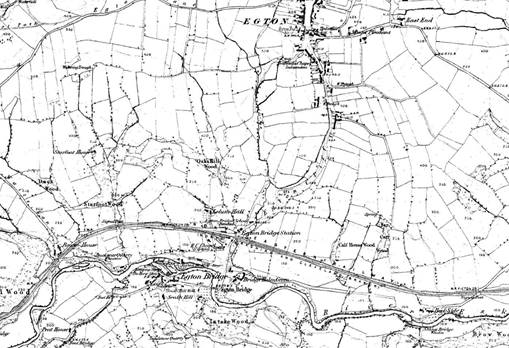
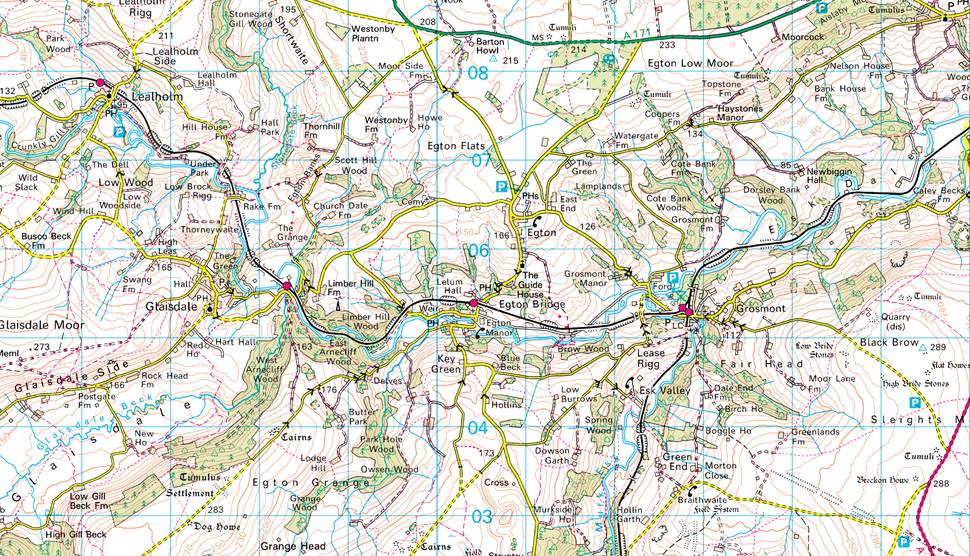
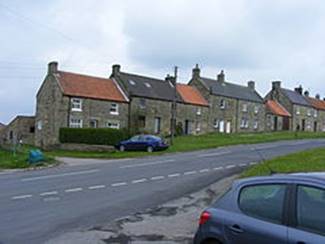
Egton is a
village and civil parish in Yorkshire, about 8 km west
of Whitby, and located within the North York Moors National Park.
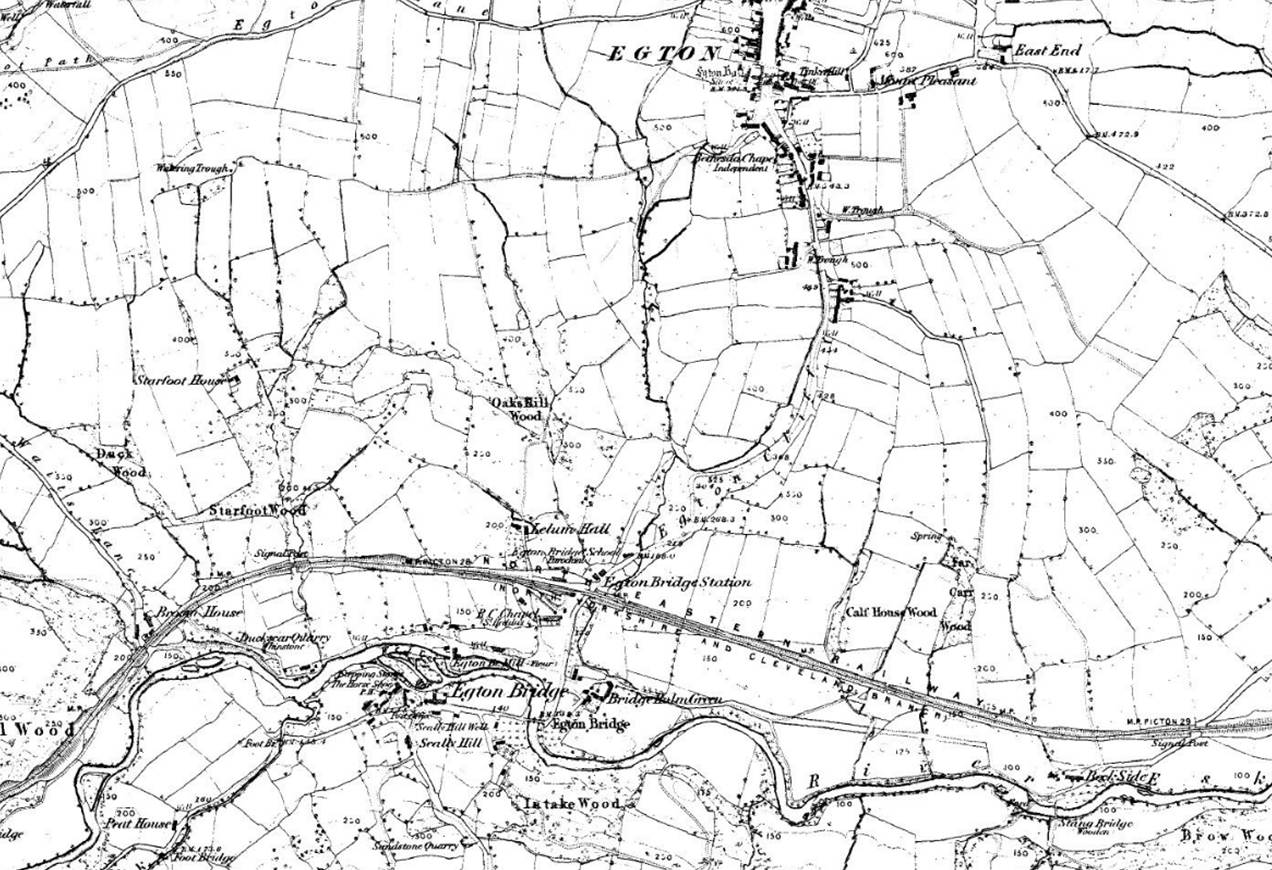
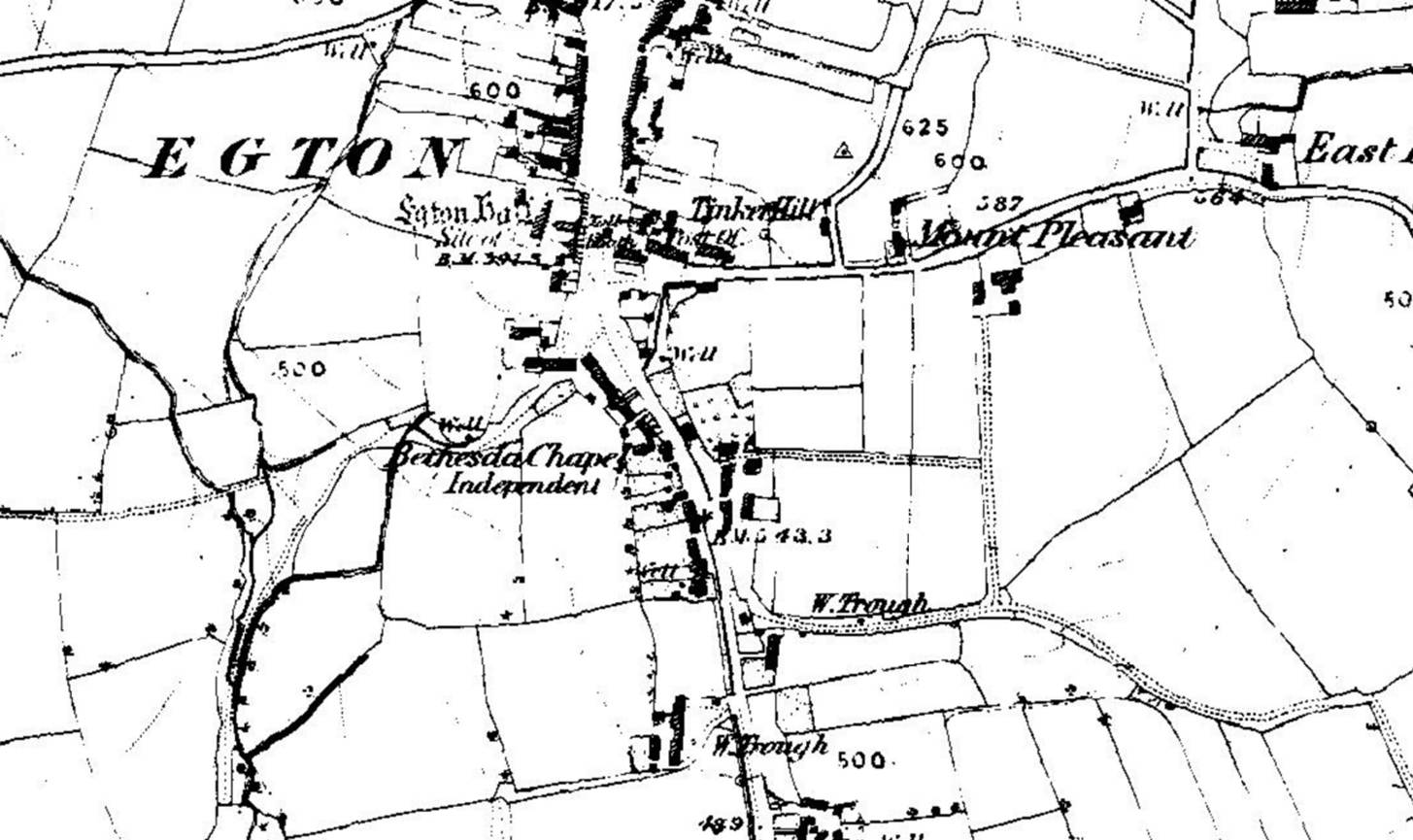
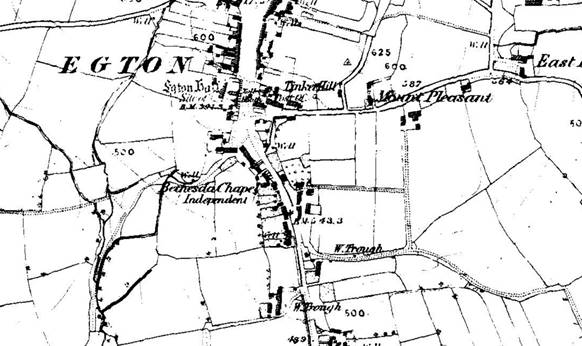
Egton
1857
Egton
was variously called Ectune, Egetune (eleventh century); Eggeton
(teelfth to fifteenth centuries); Egintona, Eggenton (twelfth
century); Ecton, Eketon (thirteenth and fourteenth cventuries).
Victoria County History – Yorkshire, A History of the County
of York North Riding: Volume 2 Parishes: Egton, 1923:
Egton
is a parochial township, formerly in the parish of Lythe. It contains the small
market town of Egton and the hamlet of Egton Bridge, which has a station on the
North Yorkshire and Cleveland branch of the North Eastern railway. Westonby,
Lealholm and Sletholm in its area were villagess in the 12th century, as were
Westonby and Sletholm, the site of which is not known, in 1284–5.
In
1438–9 the lord of Egton received £10 from the hamlet of Westonby, no longer in
existence by 1538. The name survives in Westonby House, Lodge and Moor. Egton
was assessed for the subsidy in 1301–2 as 'Egton with Leaserigg (Lecerigge),
and Westonby and Cocket.'
Part
of Egton, including Newbiggin, and lands in the parishes of Whitby and
Pickering were formed in 1852 into the ecclesiastical parish of Grosmont.
The
area of the present parish is 18,378 acres, of which 66 acres are covered by
water, 2,005 acres are arable land, 4,621 acres permanent grass, 1,405 acres
woods and plantations and the rest moorland. The cultivated land varies from
300 ft. to 600 ft., the moors from 800 ft. to over 1,000 ft. above ordnance
datum, the village of Egton lying at an elevation of about 600 ft.
The
subsoil is inferior oolite and middle and upper lias, the soil being very
varied.
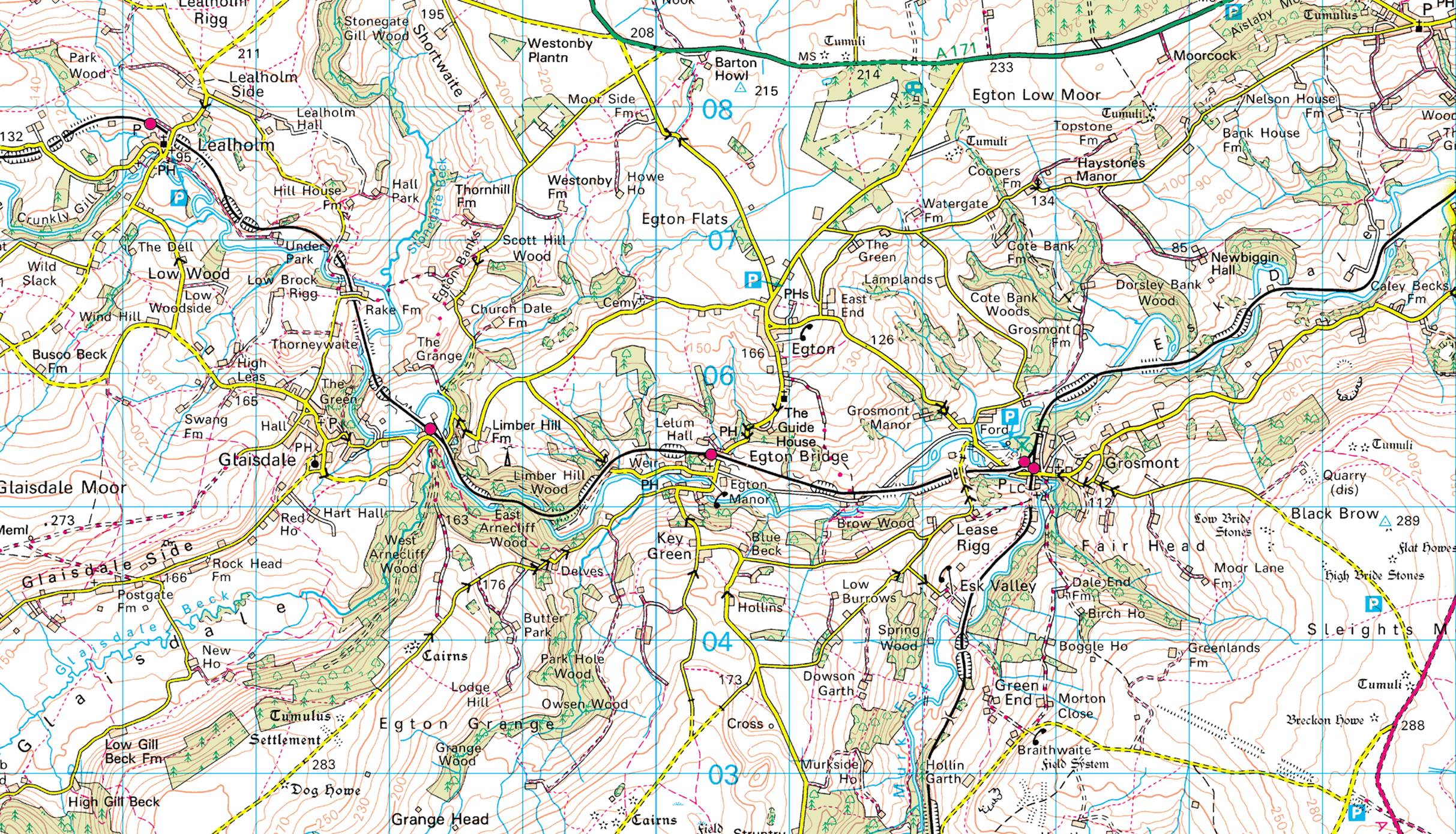
There is a nearby
village called Egton Bridge, which is home to Egton railway station.
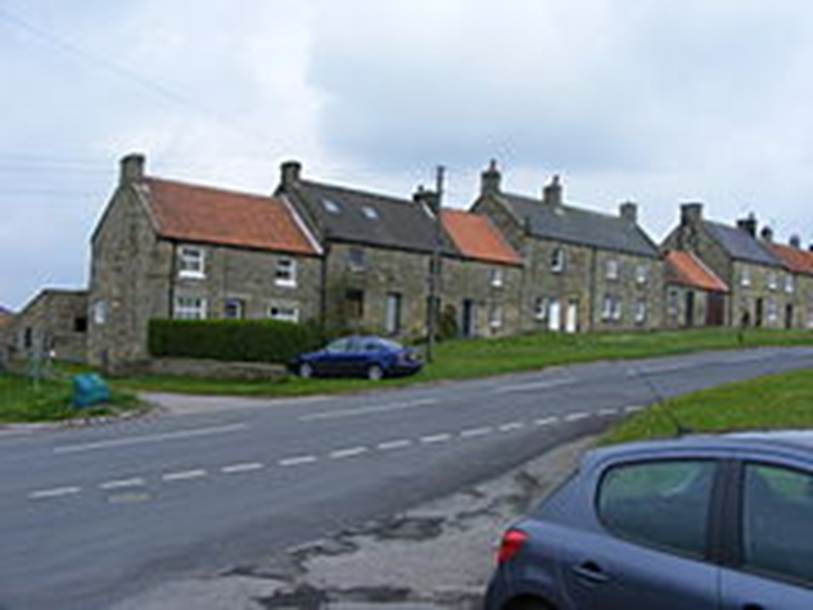
Egton is an
important local centre for family history. Prior to 1880, many important Birth,
Marriage and Death records were administered from Egton parish. The church in
Egton holds detailed transcriptions of parish records. The cemetery is half a
mile west, at the old church site. After 1870 many parishioners were buried at
nearby Aislaby.
Egton timeline
1060
Before the
Conquest Swen had 3 carucates at Egton as a 'manor'.
1086
The manor of
Egton in 1086 measured 4 'leagues' by 2 'leagues,' the pasturable woodland 3
'leagues' by 2 'leagues.' In 1086 the Count of Mortain was overlord of Egton.
Niel Fossard was under-tenant in 1086.
This woodland
district formed a forest appurtenant to the manor of Egton from the 12th to the
16th century, but no later mention of it has been found.
William Earl of
Albemarle, who usurped royal authority in the north in the reign of Stephen, is
said to have destroyed the vills of Westonby, Lealholm and Sletholm in making a chase. Like the manor, it was in his
hands in the reign of Henry II, as his ward William Fossard, having committed a
serious offence against him, had been forced to fly the country.
1180
Egton was in the
king's hands from 1180 to 1194, but later in the reign of Richard I was
restored to Joan Fossard, wife of Robert de Turnham.
1222
Henry III in 1222
granted to Peter de Mauley his forest of Egton, as his father-in-law Robert de
Turnham had held it in the reign of Richard I.
Sletholm was partly in
the forest in 1272.
1544
'The forest
called Egton Wood' is mentioned in 1544.
1878
The old church of
St Hilda stood on high ground on the road to Glaisdale. It was pulled down in
1878 and a cemetery chapel now occupies a portion of the site. The churchyard
continued to be used for burials.
Bibliography