William Baker (alias Hassall) the Elder
1787 to 1863
BAK00102
|
Return to the Home Page of the Bakers Family part of the website |
The Bakers of Highfields Story
The Story of the Dods and Bakers and of Highfields,
Fenton House and Hasfield Court. A journey through the history of Cheshire and
Staffordshire, an Anglo-Saxon nobleman who retained his lands after the
Conquest, pottery at Stoke on Trent, an encounter with Elgar, and the history
of an Elizabethan manor house at Audlem |
The family tree of the Bakers of Highfields |
The Family Tree of the Dods, predecessors to the
Bakers of Highfields |
The Bakers of Fenton House and Hasfield
Court
The Family Tree of the pottery Bakers of Stoke on Trent |
The Family Tree of the Bellyse Family |
The main part
of this website tells the story of the Farndale family from Yorkshire Descendants of Arthur Baker, the story of the
Farndale ancestry is told through the main part of this website You can also return to the Farndale
website home page |
The genealogy of the family of James Hall, linked to
the Baker family through marriage to Arthur Baker |
Headlines of
William Baker The Elder’s life are in brown.
Dates are in red.
Hyperlinks to
other pages are in dark
blue.
References and
citations are in turquoise.
Context and local
history are in purple.
1787
William Baker was the second, but
eldest surviving son of Richard and Hannah (nee Hassall) Baker (FAR00083). William was in or about born in
1787 (age at death record) or 1785.
1802
William Baker, of Highfields, JP
(1839) Cheshire, educated Shrewsbury, married Anne Hough, of Layton, Cheshire,
and died 1863, leaving issue (Burke, John and Burke, Sir
Bernard (1836)(Eighteenth Edition, 1972), Bellyse
Baker of Highfields in Burke’s Landed Gentry, Volume 3, pages
35 to 38).
William Baker was educated at
Shrewsbury School, where he was admitted in 1802.
William inherited Highfields, Audlem, from his father in
1803, when his father died.
Highfields passed to the younger
son, William Baker. William knew his priorities; They were fox hunting, shooting
and running the estate, and in that order. To do him justice, he would have
experienced great difficulty in taking over from his formidable aunt, Madam
Barrow. He hunted with the local packs, Highfields being in those days
within hacking distance of four different hunts. He also kept a private pack,
jointly with his friend and neighbour, Richard Corbett, of Adderley
hall.
Richard Baker’s
heir was a teenage son, William Baker (1787-1863), who was a pupil at
Shrewsbury School. He too seems to have used his mother's maiden name from time
to time, and when he was married in 1813 he was called
William Baker alias Hassall. He is not known to have followed his father and
grandfather into architectural practice or surveying, but one of his five sons,
Thomas Dod Baker (1830-80) took up the profession again and became Borough
Architect of Kidderminster; several of the others became lawyers. (Research by Nicholas Kingsley).
1807
On the death overseas of his
brother Richard Dod Baker (BAK00100) in 1807, Highfields
passed to the younger son, William Baker.
William knew his priorities. They were fox hunting, shooting and running the
estate, and in that order. To do him justice, he would have experienced great
difficulty in taking over from his formidable aunt, “Madam Barrow”. He hunted
with the local packs, Highfields being in those days within hacking distance of
four different hunts. He also kept a private pack, jointly with his friend and
neighbour, Richard Corbett, of Adderley hall. (Baker, J Bellyse
(1982), Highfields,
Audlem: Sixteenth Century Home of the Dod and Baker Families, Audlem
District History Society, page 26).
1813
William Baker married Anne Hough
(1793 to 1854) at St James the Great, Audlem on 9 August 1813. At the time of
his marriage he gave his name as William Baker alias
Hassall.

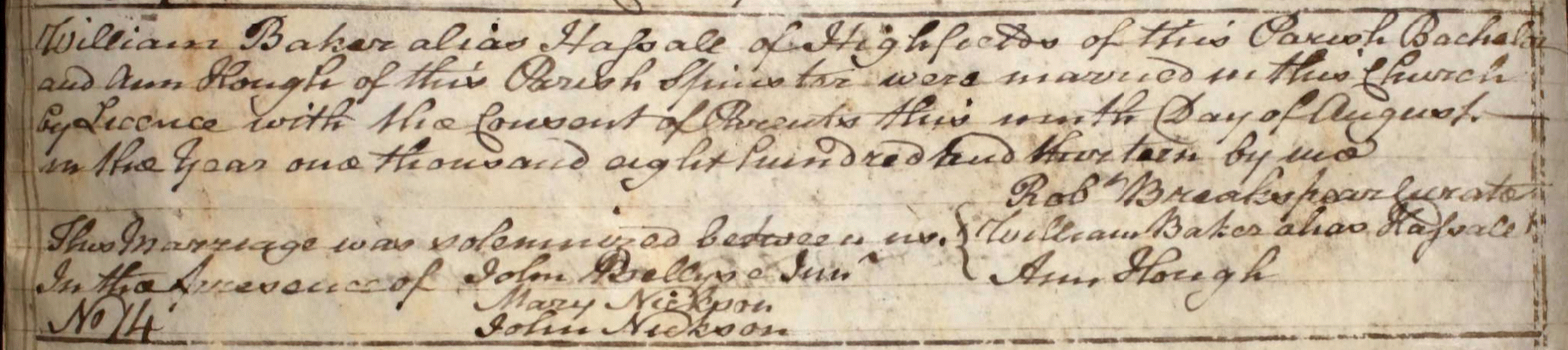
(St James the Great, Audlem, Parish Records)
They had eleven children.
Research
by Nicholas Kingsley: William Baker (1787-1863), was a pupil at Shrewsbury School.
He too seems to have used his mother's maiden name from time to time, and when
he was married in 1813 he was called William Baker
alias Hassall. He is not known to have followed his father and grandfather into
architectural practice or surveying, but one of his five sons, Thomas Dod Baker
(1830-80) took up the profession again and became Borough Architect of
Kidderminster; several of the others became lawyers.
The Bakers
continued to live at Highfields in the nineteenth century, farming their
estate, serving as JPs, and hunting. This part of Cheshire is on the divide
between four different hunts, and meets have been held regularly at the house
for the past two centuries. The only incident to disturb this secluded country
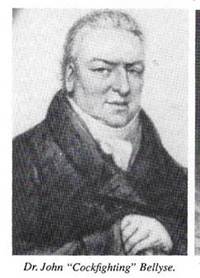
life was the elopement of Hannah, Richard Dod Baker’s eldest granddaughter,
with Dr John Bellyse, son of the cockfighting John Bellyse of Audlem. (Robinson, John Martin (1991), Highfields, Audlem,
Cheshire, Seat of John Bellyse Baker, Country Life 31 January 1991, page 50).
1815
In 1815, when his
first son Richard was born, William Baker was a gentleman.
Richard Dod Baker (1815 to 1843)(BAK00120),
who was unmarried, was born in 1815.
1816
William Dod Baker the Younger
(1816 to 1876)(BAK00121)
who later married Prudence Cliff and later his cousin Henrietta Louisa Bellyse
was born in 1816.
1817
Sarah Baker (1817 to 1907)(BAK00122) who
later married James Etches was born in 1817.
1819
Ann Baker (b 1819) (BAK00123) who later married
Rev James Wood was born in 1819.
The
Duke of Wellington visited Combermere Abbey for
the christening of Lord Combermere’s son in December.
During the visit they both went to Audlem, where Combermere’s
brother was the vicar. Having both been to Audlem Grammar School with William Baker
(1785 to 1863) they carried on to Highfields bringing the Duke
with them. Combermere’s sister, Hester, lived at the
Vicarage and her brother carved the mantle piece
commemorating the occasion. The fireplace was removed when the Vicarage was
demolished some years ago and is now in a bedroom at Highfields. (Latham
F A, Editor (1997), Audlem, The History of a Cheshire Parish and its five
townships, Local History Group, page 44).
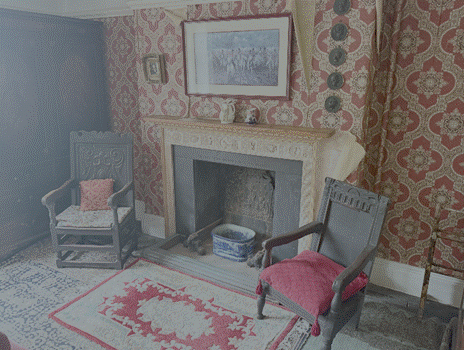
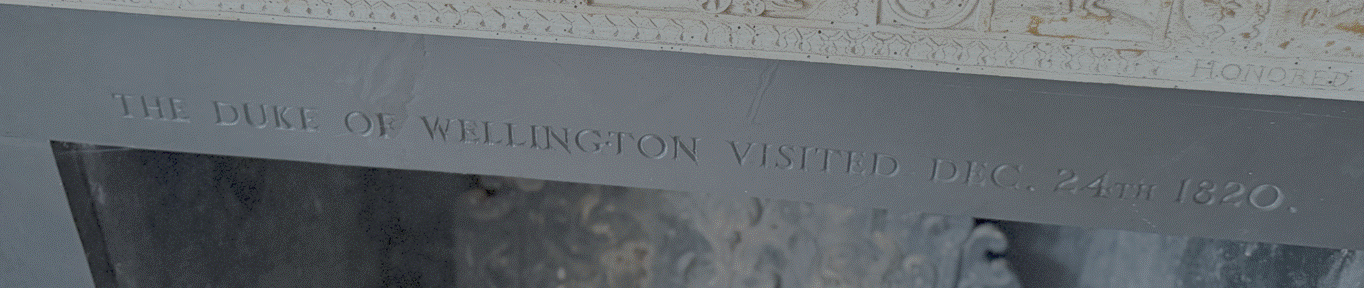
A memorable day was
Christmas Eve, 1820. The Duke of Wellington was staying with his old cavalry
commander, Field Marshall Viscount Combermere who, as
Harry Stapleton Cotton, had attended Audlem grammar school with William. On
Christmas Eve he and the Duke visited Combermere 's brother, William Cotton, who was vicar of
Audlem, from where they later drove on to Highfields. The Cotton’s sister,
Hester, commemorated the occasion by carving a fire piece, which remained in a
bedroom at the 17th century Vicarage until this beautiful old house was, I
think very foolishly, demolished by the church commissioners some years ago.
The fireplace was acquired by the writer, and is now
in a bedroom at Highfields. (Baker, J Bellyse (1982), Highfields,
Audlem: Sixteenth Century Home of the Dod and Baker Families, Audlem District History Society, page 26).
(Mortgage Bond for
securing £700 and interest, William Baker of Highfields to Mr James Cope, 11
May 1820, Baker Records 29)
1821
John Hough Baker (1821 to 1842) (BAK00124),
who was unmarried was born in 1821.
1823
Mary Baker (1823 to 1905)(BAK00125) who
later married John Piercy was born in 1823.
1824
The Crown Hotel was known as the Baker’s Tenement
from 1745 to 1808. In the latter year it was described as the Crown Inn, when
it came into the possession of Sarah Hough, of Hayward, in Audlem. On her death
in 1824 the Crown was inherited by her only child, Ann Baker, whose children
sold it to Charles Longhurst in 1877. (Burton,
Marjorie (1973), Nineteenth Century Audlem, Audlem District Amenities
Society, Johnson & Son Nantwich Limited page 4). Was Sarah Hough related
to William’s wife Anne Hough and why was her only daughter called Ann Baker?
1825
Jane Baker (1825 to 1914)(BAK00126) who
later married her cousin Joseph Haywood Belyse was born in 1825.
1826
(Transfer of two shares in the Birmingham and
Liverpool Junction Canal Navigation to Willia, Baker of Highfields, 26 August
1826, Baker Records 30)
1827
George Baker (1827 to 1877)(BAK00127)
who later married Jane Allman was born in 1827.
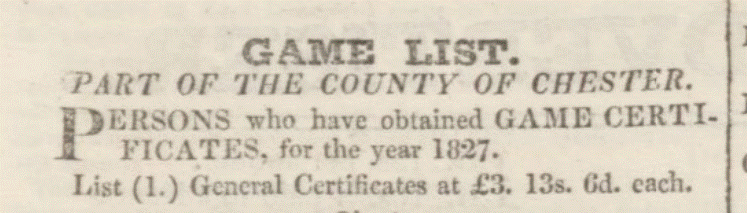
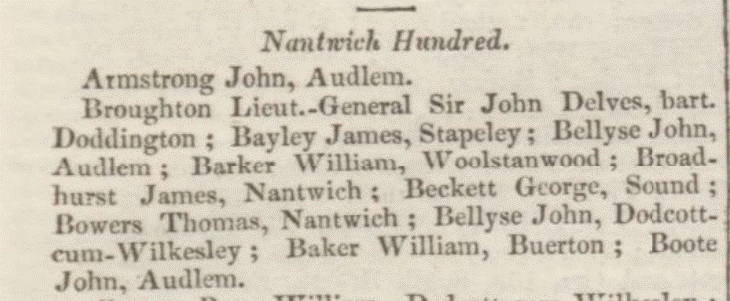
(Chester Chronicle, 21 September 1827)
1830
Thomas Dod Baker (1830 to 1880)(BAK00128)
who was unmarried was born in 1830.
1832
Charlotte Baker (b1832)(BAK00129)
who probably died young was born in 1832.
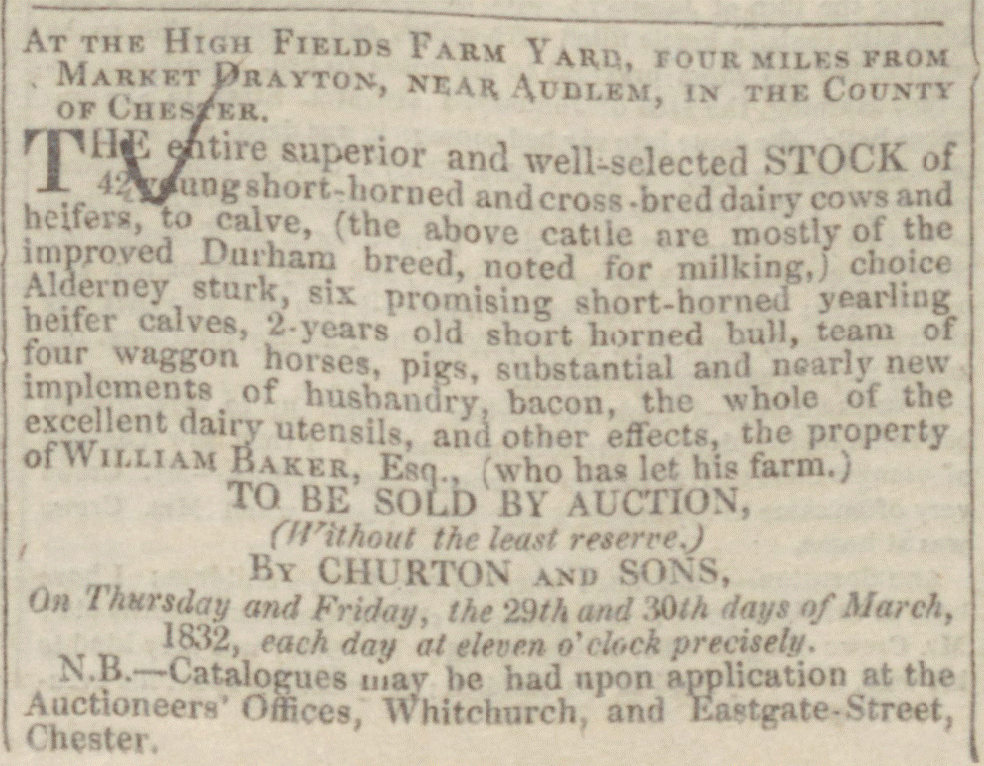
(Staffordshire Advertiser, 24 March 1832)
1834
Charity Baker (1834 to 1920)(BAK00130) who married
Henry Piercy was born in 1834.
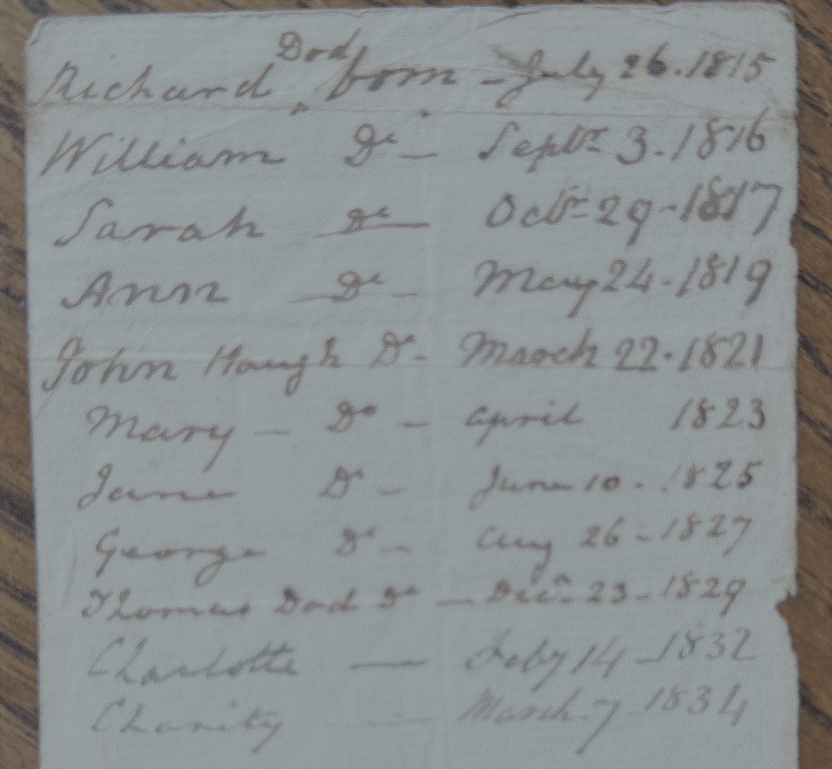
(Dates of Birth of the eleven children of William
Baker of Highfields, 1834, Baker Records 31)
1839
In 1839, he was a
JP for Cheshire. William was a Justice of
the Peace for Cheshire between 1839 and 1863.
1841
1841 Census, Highfields, Buernton
William Baker, 50, land
Ann Baker, 45
Richard Baker, 25, solicitor
William Baker, 20, land
Sarah Baker, 20
Ann Baker, 20
John Baker , 15
Mary Baker, 15
Jane Baker, 15
George Baker, 13
Thomas Baker, 4
Charlotte Baker, 9
Charity Baker, 7
1851
1851
Census –
Highfields, Woodhouse Lane, Buerton, Nantwich, Cheshire:
William Baker,
63, head, magistrate esquire
Ann Baker,57
Ann Baker, 30
Mary Baker, 27
Jane Baker, 25
George Baker, 23
Thomas Dod Baker,
21
Charlotte Baker,
19
Charity Baker, 17
4 servants
Waggoner
1852
(Charles Thorley to his cousin, William Baker of
Highfields, 11 September 1852, Baker Records 48)
1857
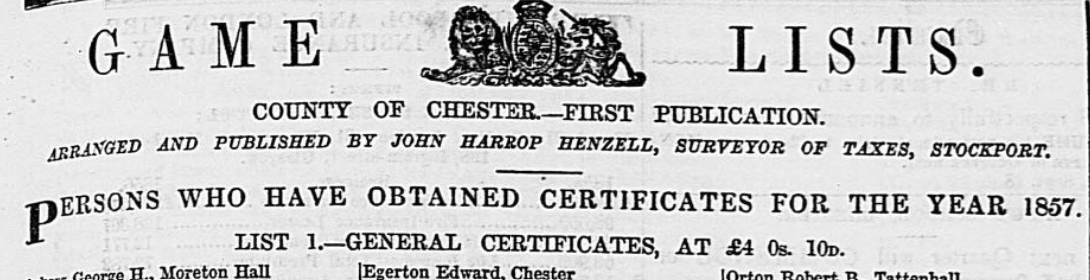
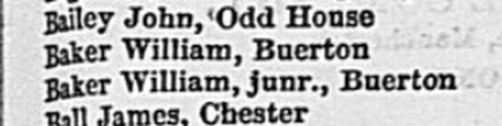
(Chester Chronicle 26 September 1857)
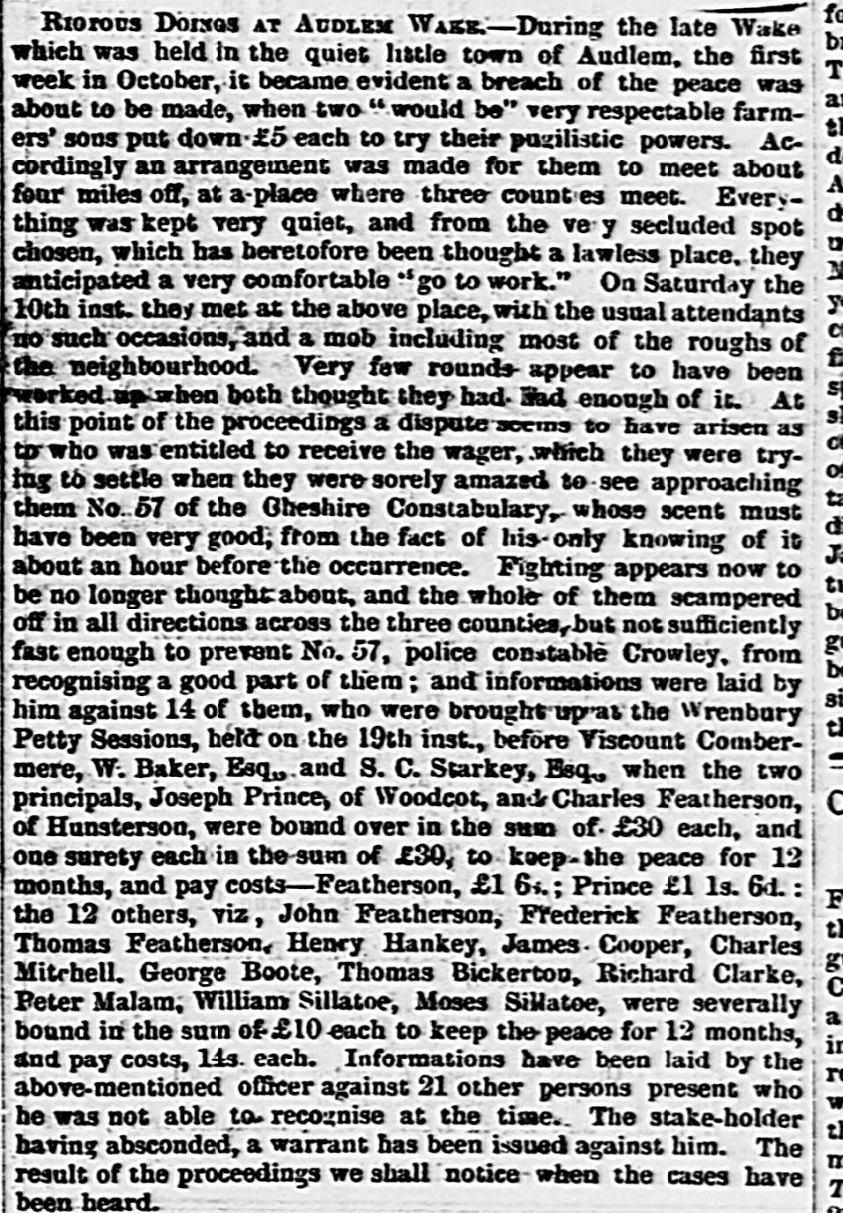
(Chester Chronicle, 31 October 1857)
1860
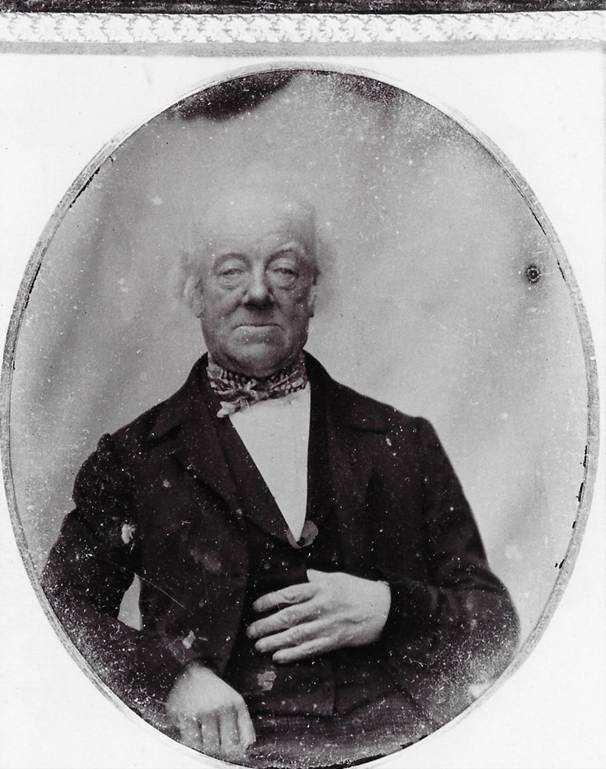
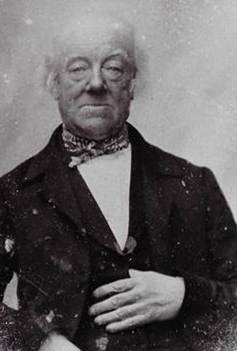
William Baker of
Highfields, from a photograph on glass taken about 1860
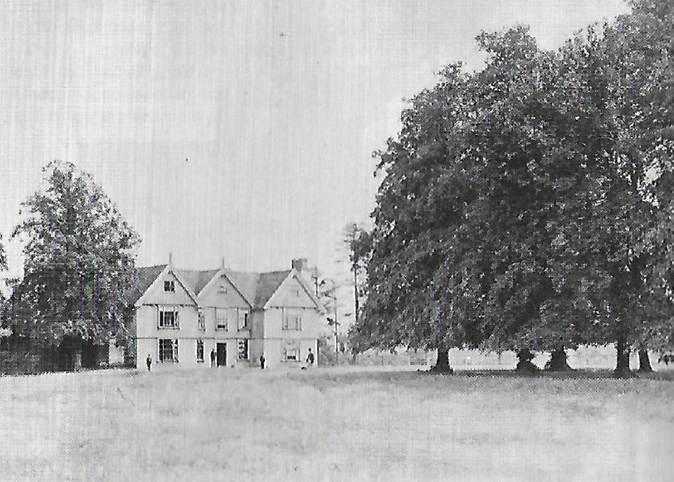
One of the earliest known
photographs of Highfields, dated about 1860, when the exterior had a stucco
finish so popular with Victorians and had not been marred by the heavy chimney
extensions of the mid 1880s
The earliest
known photograph of Highfields, taken about 1860, shows that the exterior was
then stuccoed and that the windows were sashed, those in the flanking wings being
of tripartite form, a late Georgian fashion, which makes it unlikely that this
remodelling of the house was undertaken earlier than in the eighteenth century
by William Baker. In the 1860 photograph the front door is shown in its present
axial position, which may also be the result of a Georgian alteration. The
original entrance is more likely to have been to one side, giving access to the
“screens” at the service end of the hall, as was standard in the traditional
arrangement of a house of this type. (Robinson, John Martin (1991), Highfields,
Audlem, Cheshire, Seat of John Bellyse Baker, Country Life 31 January 1991,
page 49).
1861
1861 Census – Kinsey Heath, Buerton, Nantwich,
Cheshire
William Baker, head, widower, born
Leominster, Herefordshire in 1788, 73, magistrate
Ann Baker, daughter, unmarried,
38, magistrate’s daughter, born Buerton
Mary Baker, daughter, unmarried,
33, magistrate’s daughter, born Buerton
Jane Baker, daughter, unmarried,
30, magistrate’s daughter, born Buerton
George Baker, son, unmarried, 28,
solicitor, born Buerton
Charlotte Baker, daughter,
unmarried, 25, magistrate’s daughter, born Buerton
Henrietta Baker,
granddaughter, unmarried, 11, born London
Jane E Baker, granddaughter,
unmarried, 6, born Buerton
Richard D Baker, grandson,
unmarried, 4, born Buerton
A visitor, John R Piercy, 29 (who
would marry Mary Baker in 1863)
3 house servants and a groom
1863
William Baker died on 8 July 1863,
aged 75. He was buried at St James the Great, Audlem on 13 July 1863 (St James the Great, Audlem
Parish Records).

The Wellington Journal, 18 July
1863: FUNERAL OF THE LATE W
BAKER, ESQ. On Wednesday, the 8th instant, William Baker, Esquire, one of the
oldest magistrates for the county of Chester, expired at his residence, the
Highfields, near Audlem, Cheshire, after a long and lingering illness, at the advanced
age of 75. His remains were consigned to their final resting place in the
churchyard, Audlem, in the same grave as his beloved wife, on Monday last. The deceased
was followed to the grave by his three sons, three sons in law, and other
relations and friends. A number of people congregated in the churchyard to
witness the last mournful and solemn rites of the deceased gentleman, who
through life was highly and deservedly esteemed, not only for his readiness to
do any act of kindness to his neighbours, but when officiating in his judicial
capacity invariably tempering mercy with justice, which gained for him the goodwill
of all men. He was indeed a true specimen of the fine old English gentleman,
and his name will long be remembered and his loss deeply deplored in this
county.
His will was proved 29 October
1863.
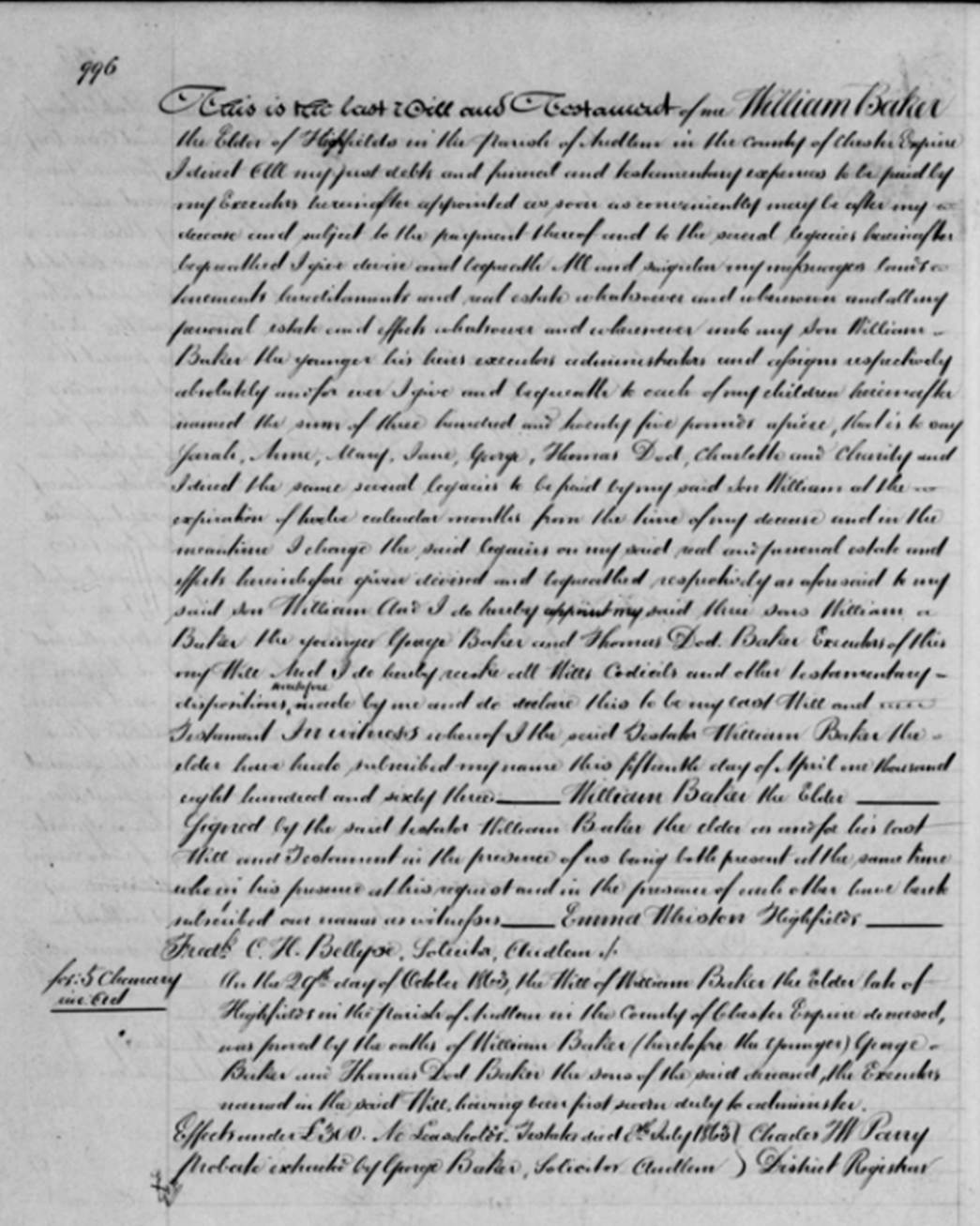
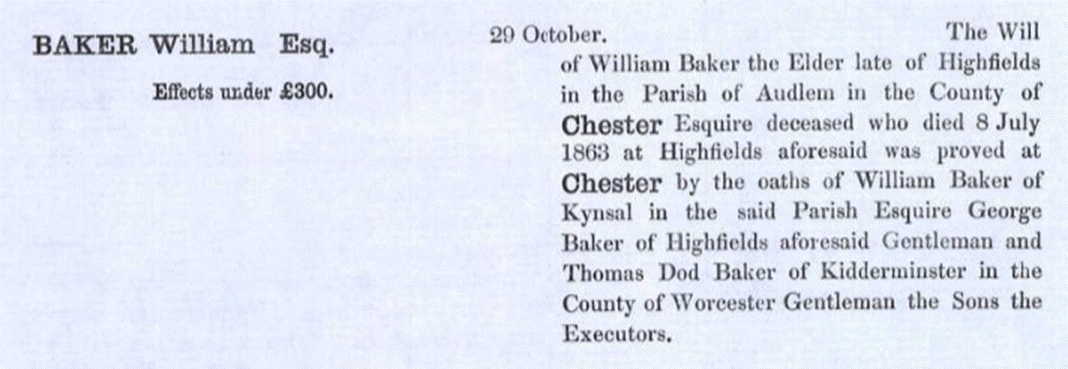
His wife, Anne was buried at
Audlem on 5 December 1854.
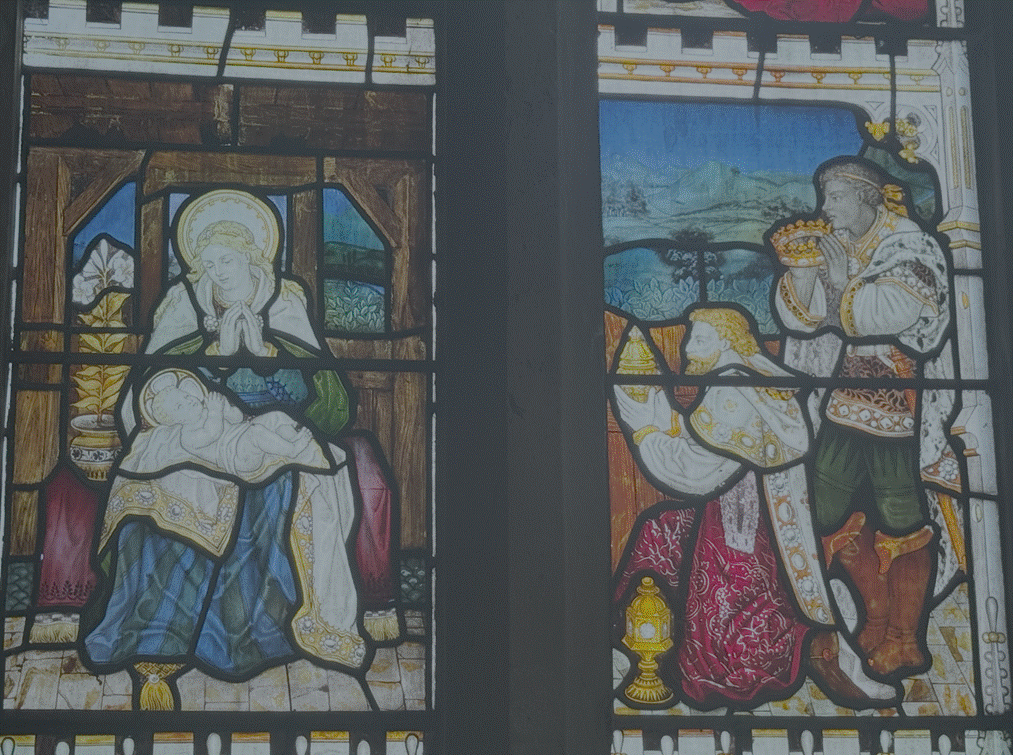
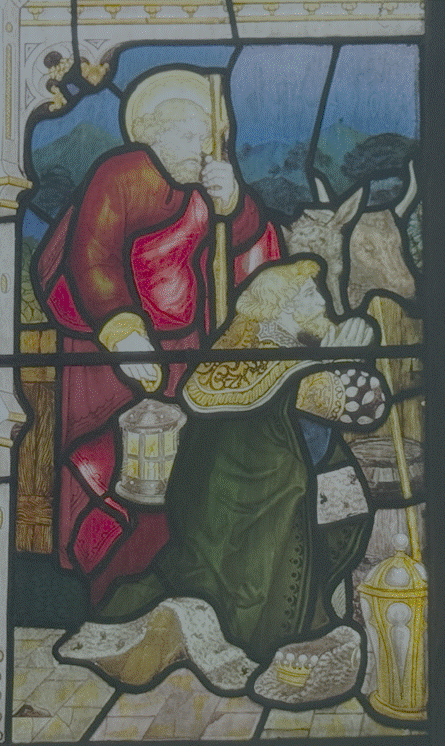
One of the stained
glass windows at Audlem church has the inscription:
To the glory of God, and in memory
of William Baker who died AD 1863, and of William Baker his son, who died 1876,
both of Highfields in this parish, justices of the Peace, this window is
dedicated.
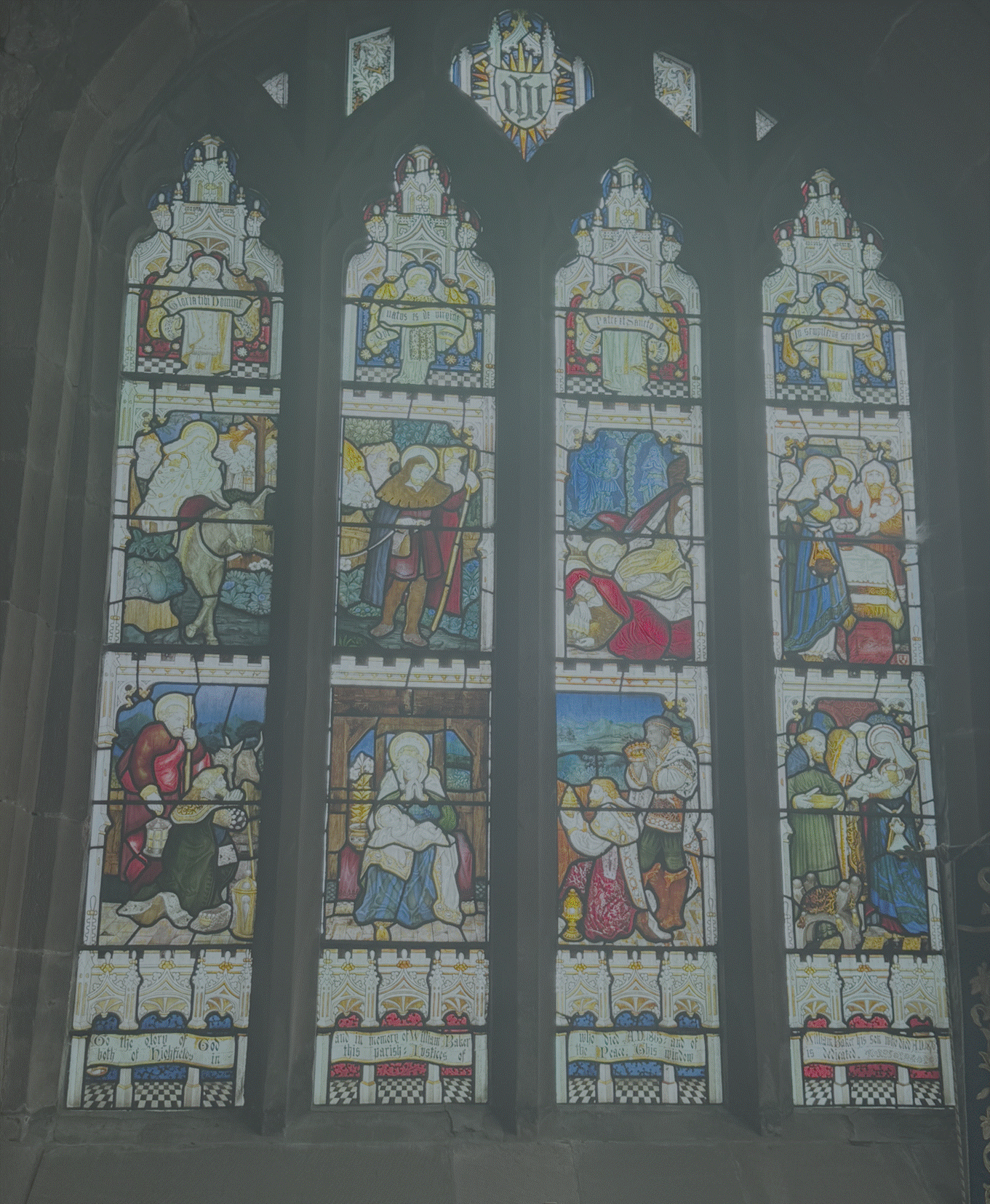
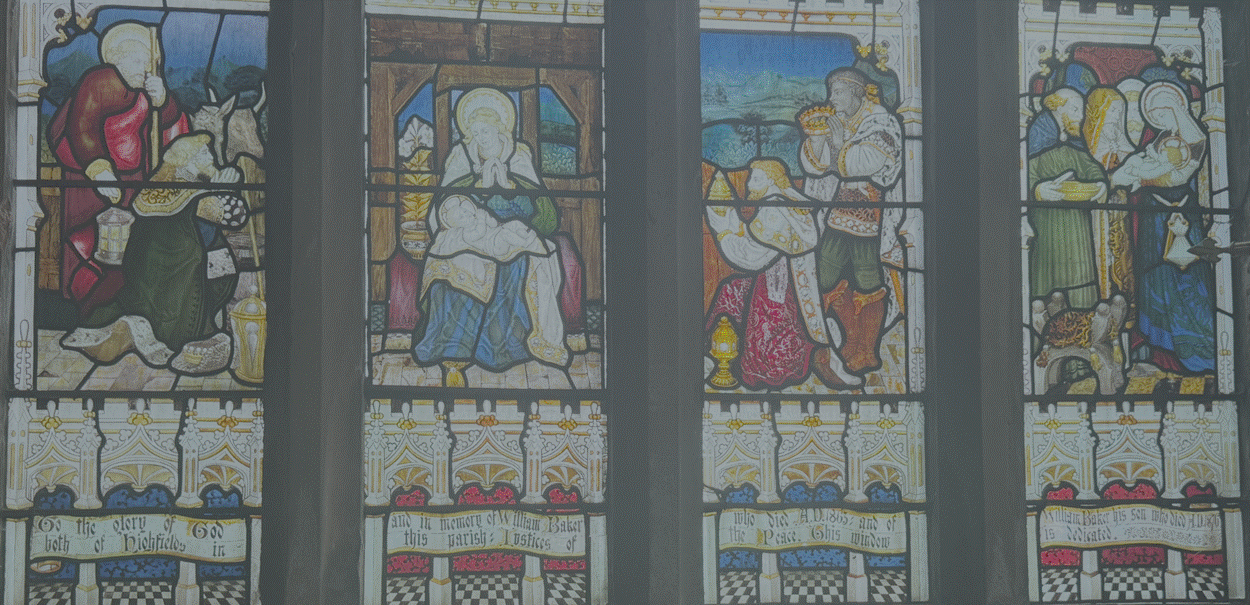
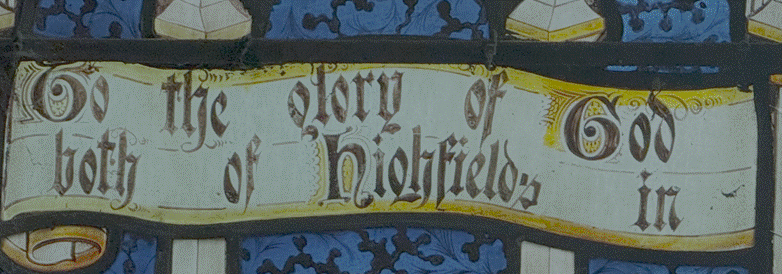
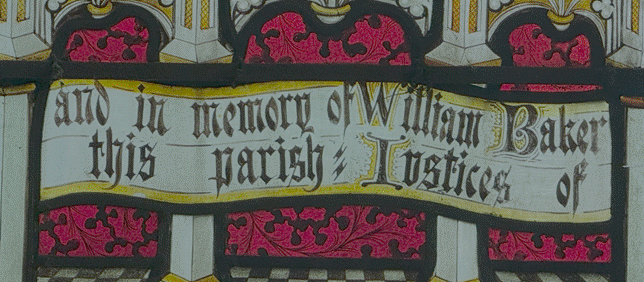
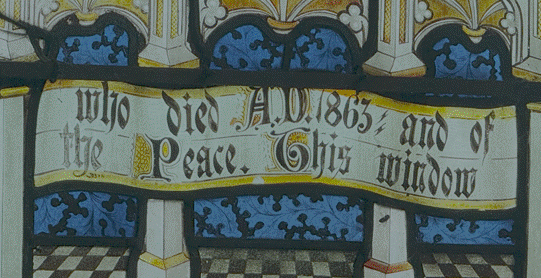
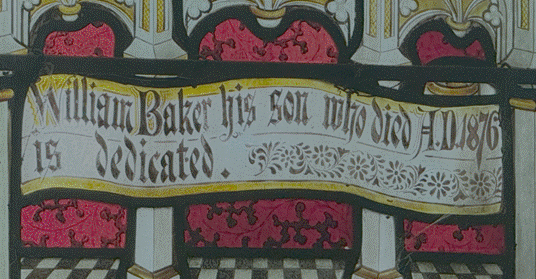
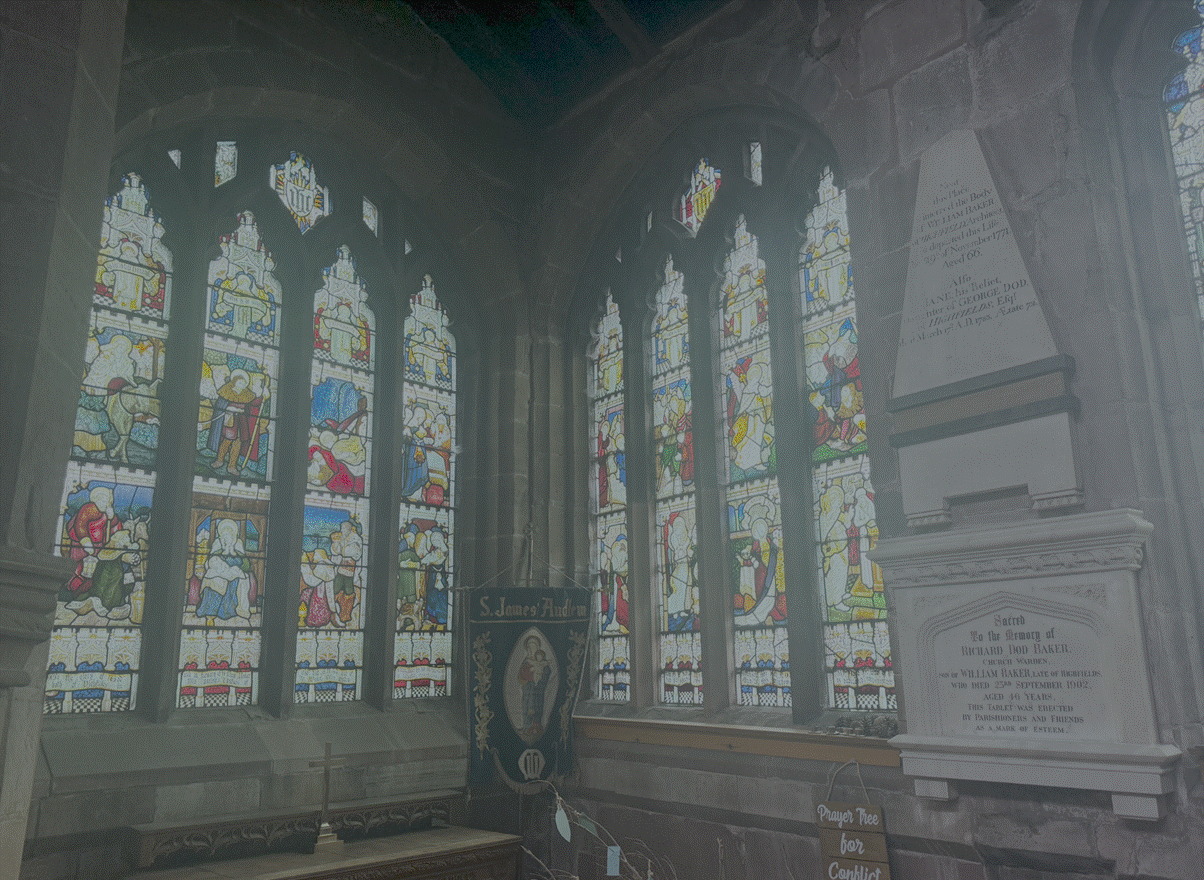
These windows, again by Kempe,
commemorate members of the Baker family of Highfields and
also the Atkinson family. One window, was
unveiled on Christmas Day 1880, and is inscribed “To the glory of God, and in
memory of William Baker, who died AD 1863, and of William Baker his son, who
died 1876, both of Highfields in this parish, Justices of the Peace, this
window is dedicated”.
The south wall also houses three
large stone memorials. The first is to “Richard Dod Baker, CW, son of William
Baker, died 23 September 1902, aged 46 years”. … The third and westernmost:
“Hannah Hall, 66 died 7th January 1764. Joseph Hall, 83, died 20
July 1800 …”
(Latham,
Frank (1997), Audlem: The History of a Cheshire Parish and its seventeen
townships, page 75).
Charles Eamer Kempe (29 June 1837
– 29 April 1907) was a British Victorian era designer and manufacturer of stained
glass. His studios produced over 4,000 windows and also
designs for altars and altar frontals, furniture and furnishings, lychgates and
memorials that helped to define a later nineteenth-century Anglican style. The
list of English cathedrals containing examples of his work includes Chester,
Gloucester, Hereford, Lichfield, Wells, Winchester and York. Kempe's networks
of patrons and influence stretched from the Royal Family and the Church of
England hierarchy to the literary and artistic beau monde.