An Ancestral Journey
Your travel guide for a trip to our ancestral lands
|
Return
to the Home Page of the Farndale Family Website |
The
story of one family’s journey through two thousand years of British History |
The 84
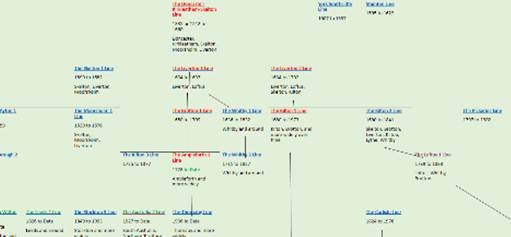
family lines into which the family is divided. Meet the whole family and how
the wider family is related |
Members
of the historical family ordered by date of birth |
Links to
other pages with historical research and related material |
The
story of the Bakers of Highfields, the Chapmans, and other related families |
The
Time Traveller’s Journey through North Yorkshire
The History of the North York Moors,
Ryedale, York, Cleveland and beyond |
The places to visit
to experience the Farndale Story first hand
Like so many
of the Farndale forebears, you might be inspired to take a journey in their
footsteps. This page will point you in the right direction. If direct
descendants of the family are planning a trip, email me on rcfarndale@hotmail.com, and I’ll
happily help.
|
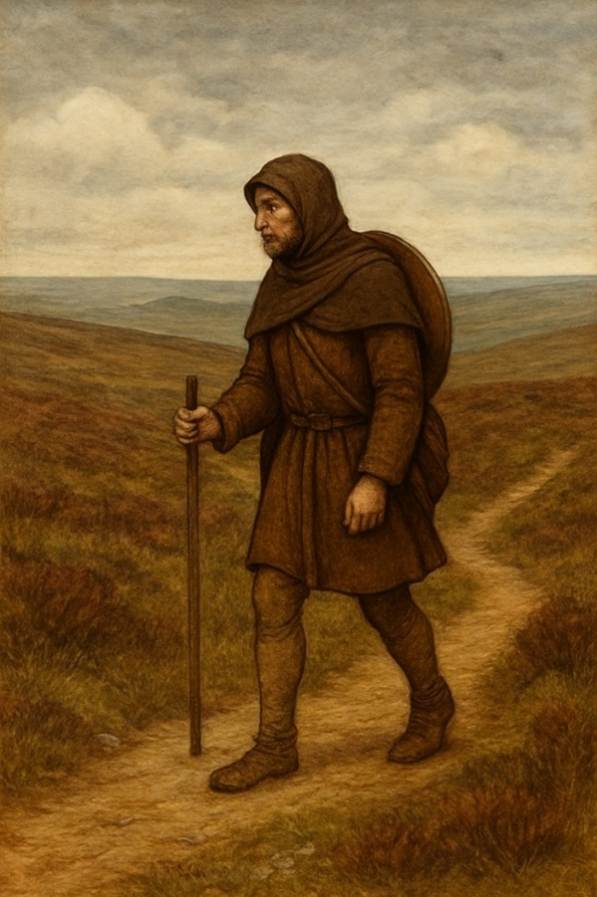
The ancient
routes across the moors
Exploring
the ancient tracks and roads across the moors around Farndale |
|
|
A journey
through our family story will focus on the North York Moors and the areas to
the north and south. Here are some of the main places that are associated with
our history.
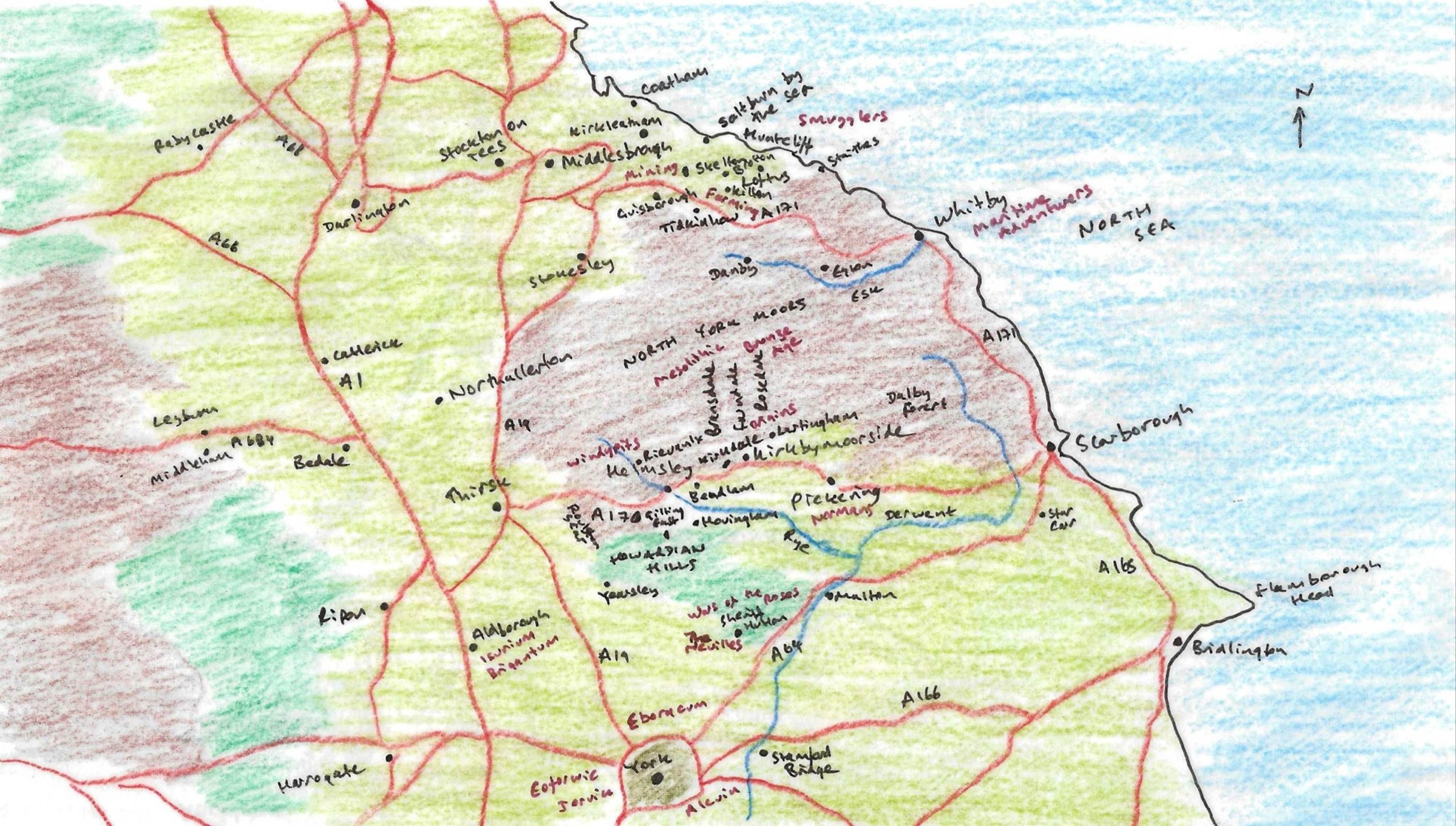
Map 1 –
The principal locations for a tour of the area associated with the Farndale
Story
To help you
find the most efficient route through the Farndale lands, you can see the
geographical layout of some of the places where you can rediscover the family
story at first hand in the schematic map below. The places in green text are possible stopping
points if you find yourself around the North York Moors. The places in blue text are links to further
information about particular places within the area. Click on the links to get
more information and the green links will help you with your trip.
|
|
|
|
|
|
|
|
|
|
|
|
|
|
|
|
|
|
|
|
|
|
|
|
|
|
|
|
|
|
||||
|
|
|
|
|
|
|
|
|
|
|
|
|
|
|
|
|
|
|
|
|
|
|
|
Not to Scale |
North |
|
|
|
|
|
|||
|
|
|
|
|
|
|
|
|
|
|
|
|
|
|
|
|
|
|
|
|
|
|
|
|
|
|
|
|
|
||||
|
|
|
|
Wilton |
|
|
|
|
|
|
|
|
|
|
NORTH SEA |
|
|
|
|
|
|
|
|
|
|
|
|
|
|||||
|
|
|
|
|
|
|
|
|
Skinningrove |
|
|
|
|
|
|
|
|
|
|
|
|
|
|
|
|
|
|
||||||
|
|
|
|
|
|
|
|
|
|
|
|
|
|
|
|
|
|
|
|
|
|
|
|
|
|||||||||
|
|
|
|
|
|
|
|
|
|
|
|
|
|
|
|
|
|
|
|
|
|
|
|
|
|
|
|||||||
|
|
|
|
|
|
|
|
|
|
|
|
|
|
|
|
|
|
|
|
|
|
|
|
|
|
|
|
||||||
|
|
|
|
Roseberry Topping |
|
|
|
|
|
|
Freebrough
Hill |
|
|
|
|
|
|
|
|
|
|
|
|
|
|
|
|
|
|
||||
|
|
|
|
|
|
|
|
|
|
|
|
|
|
|
|
|
|
|
|
|
|
|
|
|
|
|
|
|
|||||
|
|
|
|
|
|
|
|
|
|
|
|
|
|
|
|
|
|
|
|
|
|
|
|
|
|
|
|
|
|||||
|
|
|
|
|
|
|
|
|
|
|
|
|
|
|
|
|
|
|
|
|
|
|
|
|
|
|
|||||||
|
|
|
|
|
|
|
|
|
|
|
|
|
|
|
|
|
|
|
|
|
|
|
|
|
|
|
|
|
|
|
|||
|
|
|
|
|
|
|
|
|
|
|
|
|
|
|
|
|
|
|
|
|
|
|
|
|
|
|
|
|
|
|
|||
|
|
|
|
|
|
|
|
|
|
|
|
|
|
|
|
|
|
|
|
|
|
|
|
|
|
|
|
|
|
|
|||
|
|
|
|
|
NORTH |
|
YORK |
|
MOORS |
|
|
|
|
|
|
|
|
|
|
|
|
|
|
|
|
|
|
|
|||||
|
|
|
|
|
|
|
|
|
|
Middle Head |
Lion Inn, Blakey Moor |
|
|
|
|
|
|
|
|
|
|
|
|
|
|
|
|
|
|
|
|||
|
|
|
|
|
|
|
|
|
|
|
|
|
|
|
|
|
|
|
|
|
|
|
|
|
|
|
|
|
|
||||
|
|
|
|
|
|
|
|
|
The ancient
routes across the moors |
Spaunton
Moor The place of wild beasts and men who
live like wild beasts |
|
|
|
|
|
|
|
|
|
|
|
|
|
|
|
|
|
|
|
||||
|
|
|
|
|
|
|
|
|
Bransdale |
Low Mill |
|
|
|
|
|
|
|
|
|
|
|
|
|
|
|
|
|
||||||
|
|
|
|
|
|
|
|
|
|
|
Hutton-le-Hole |
|
|
|
|
|
|
|
|
|
|
|
|
|
|
|
|
|
|
|
|||
|
|
|
|
|
|
|
|
|
|
|
|
|
|
|
|
|
|
|
|
|
|
|
|
|
|
|
|
|
|
||||
|
|
|
|
|
|
|
|
|
|
|
|
|
|
|
|
|
Old Pickering Forest |
|
|
|
|
|
|
|
|
|
|
||||||
|
|
|
|
|
|
|
|
|
|
|
|
|
|
|
|
|
|
|
|
|
|
|
|
|
|
||||||||
|
|
|
|
|
|
|
|
|
|
|
|
|
|
|
|
|
|
|
|
|
|
|
|
|
|||||||||
|
|
|
|
|
|
|
|
|
VALE |
|
OF |
|
|
|
PICKERING |
|
|
|
|
|
|
|
|
|
|
|
|
|
|||||
|
|
|
|
|
|
Ampleforth |
|
|
|
|
|
|
|
|
|
|
|
|
|
|
|
|
|
|
|
|
|
|
|
|
|||
|
|
|
|
|
Coxwold |
|
Gilling East |
|
|
|
|
|
|
|
|
|
|
|
|
|
|
|
|
|
|
|
|
|
|
||||
|
|
|
|
|
|
|
|
|
|
|
|
Malton |
|
|
|
|
|
|
|
|
|
|
|
|
|
|
|
|
|
||||
|
|
|
|
|
|
|
|
|
|
|
|
|
|
|
|
|
|
|
|
|
|
|
|
|
|
|
|
||||||
|
|
|
|
|
|
|
|
|
|
|
|
|
|
|
|
|
|
|
|
|
|
|
|
|
|
|
|
|
|
|
|||
|
|
|
|
|
|
|
|
|
|
|
|
|
|
|
|
|
|
|
|
|
|
|
|
|
|
|
|
|
|
||||
|
|
|
|
|
|
|
|
|
|
|
|
|
|
|
|
|
|
|
|
|
|
|
|
|
|
|
|
|
|
|
|||
|
|
10 km
Aldborough |
|
|
|
|
|
|
|
Battle of Stamford Bridge |
|
|
|
|
|
|
|
|
|
|
|
|
|
|
|
|
|
|
|
|
|||
|
|
|
|
|
|
|
|
|
|
|
|
|
|
|
|
|
|
|
|
|
|
|
|
|
|
|
|
|
|
|
|||
|
|
|
|
|
|
|
|
|
|
|
|
|
|
|
|
|
|
|
|
|
|
|
|
|
|
|
|


|
|
|
|
||
|
|
|
|
|
|
|
|
|
|
|
|
|
|
|
|
|
|
|
|
|
|
|
Map 2 –
Schematic interactive map of principal locations to experience the Farndale
Story first hand
A Possible Two Day
trip
The
interactive map should help you to plan a trip that suits you best, over a
single day or more. For those after a little more guidance, here is a possible
trip over two days.
Day 1 –
Our Ancient and Medieval History
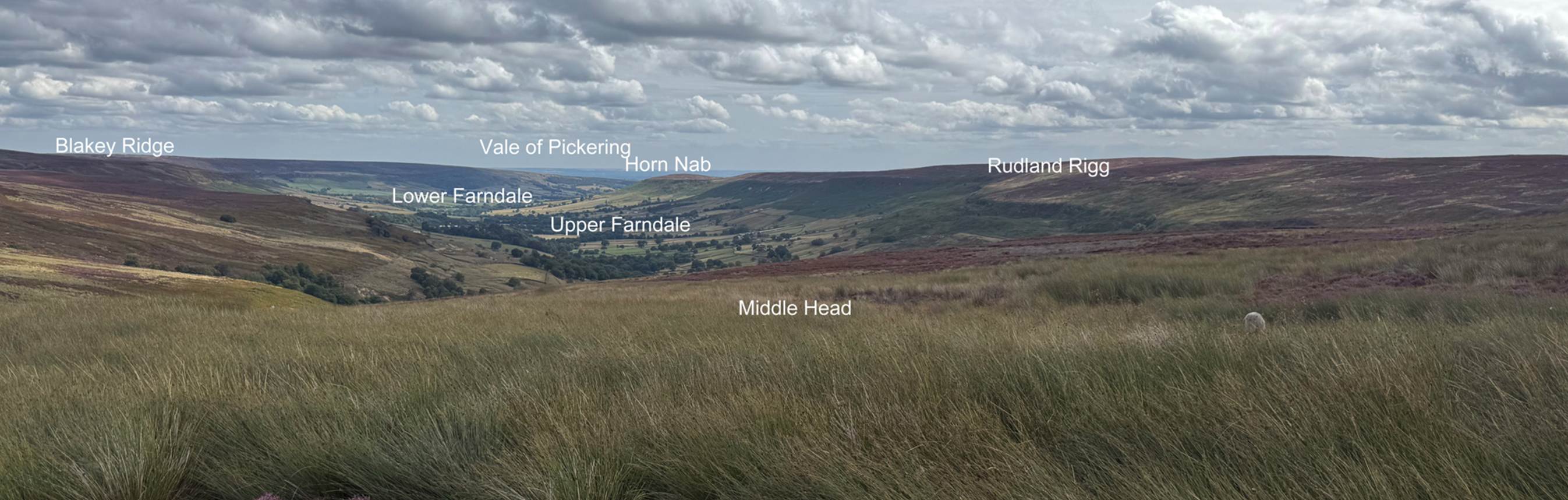
The best
starting point is the Farndale Rim, from where you can find a suitable
vantage point looking over the dale from Blakey Ridge. You should first take in
the Mesolithic, Neolithic and Bronze
Age history of this region. You can look
across to Horn Nab, the site of Bronze Age archaeology and the Arm Purse dropped by a Roman soldier
in about the second century CE. Take in the shape of the dale and let your
imagination fill it with a dense forest of alders and other native trees, which
is how it looked for eons of time. Then imagine some limited clearance by monks
in to twelfth century before more substantial clearance for agriculture in the
thirteenth century. You might catch a glimpse of Edmund the Hermit, watching
warily from behind a tree. This is the place from which to contemplate the Cradle of the family story and the Primeval Swamp of our deep history.
You can then
drive down into Farndale and imagine the clearing of
the dale in the thirteenth century, and the industry and agriculture focused
around two watermills. Here you will immerse yourself in the world of our earliest ancestors.
Buy some lunch in the Farndale store, and you might come away with a shopping
bag with your name on it.
After
exploring Farndale you should drive into Hutton le Hole and then turn left to
follow the moorland road across the southern reach of Spaunton
moor to Lastingham to visit the site of Cedd’s monastery at
the Anglo-Saxon frontier with the wilderness of wild beasts and men who live
like wild beasts. Visit the wonderful old church and descend into the
crypt, to find yourself transported back in time by 1,500 years. As you return
along the road to Hutton le Hole the fields to your south were the site of
early Roman rural
settlements.
Now drive
south into Kirkbymoorside, the
centre of the estate of Chirchebi, described in the Domesday Book, the place
where the Game of Thrones played out between the House Mowbray and the House Stuteville. Notice the small
hamlet at Keldholme where the priory had interests in Farndale in the
thirteenth century. Continue along the A170 on the Helmsley road and after
about 1 kilometre turn off on the lane to the north of the road to the
exquisite church of Kirkdale. Park in the car park. You might first walk back
along to road to the Kirkdale Cave, about 500 metres from the car park.
Here you will look up at a portal which will transport you back 130,000 years
to an interglacial period when hippopotami and elephants roamed these lands.
Now return to the Anglo Saxon church itself. As you pass through the metal
gate, you will come to a porch and above the door you will see the Sundial erected in about 1055 by Orm Gamalson, under which our
ancestors passed a millennium ago, contemplating time as you do now. Walk round
the outside of the church, looking for three Anglo-Saxon crosses embedded into
the walls, and then go inside, to look at Anglo -Saxon artefacts from
the eight century and afterwards. This was probably the centre of our world for
many centuries before the Norman Conquest and you can read more about its
significance in the Introduction to Kirkdale, Anglo-Saxon Kirkdale, and Anglo-Saxon Scandinavian Kirkdale and its
place in the Farndale Story in Anglo Saxon Kirkdale and Scandinavian
Kirkdale.
Now continue along the road, passing the site
of the Roman Villa at Beadlam (which you might visit one day, organised on
limited days by English
Heritage to enter the world of our Roman history) to Helmsley. Again you
might enjoy a visit to the castle at Helmsley on another trip. For now, take
the B1257 northwest from Helmsley and next visit Rievaulx Abbey,
the abbey with extensive interests in the lands of Farndale, and in whose cartulary
the name Farndale first appeared in 1154.
If you still
have time, you might also fit in a trip to Pickering, to visit Pickering Castle, another
English Heritage site, where you will find the court building where our
fourteenth century ancestors were tried for poaching offences.
Before you leave don’t miss the medieval murals at Pickering Church. Pickering
is part of the lands of the
Lancastrian House, and the first place Henry IV headed to when he landed to
seize the throne from Richard II, and our initial family allegiance in the
competition which later became the Wars of the Roses might surprise you. On
another day, with more time, a drive through Dalby Forest takes you into the forest world of our poaching ancestors.
You are unlikely to have time to visit Sheriff Hutton, domain of the House Neville and Richard of
Gloucester’s Northern Interests, in the same day, but if you can fit it into a longer
schedule, it is a place at the heart of our family interest in the Wars of the
Roses. It was the home of Richard Farndale,
the veteran who fought in the armies of Richard II, Henry IV and Henry V. In Sheriff Hutton Church
you will come face to face with the House Neville,
and the effigy of the young son of Richard III. This is the place to consider
our family’s part in medieval warfare.
A little
further south from Sheriff Hutton is the site of the Battle of Stamford Bridge,
where Harold defeated his brother Tostig and Harold Hardrada of Norway in 1066,
a prelude to his defeat by William the Conqueror only days afterwards.
There are
many places to stay, but a dramatic option is the Lion Inn on Blakey Ridge, which is en route to the locations for Day 2, and a
place which overlooks Farndale.
Day 2 –
Our agricultural and industrial heritage
A good
starting point for Day 2 is Kirkleatham, where the family first came when Nicholas and Agnes Farndale
and their family first
settled there. At the excellent and free Kirkleatham
Museum you will find exhibits which help to reflect the family story, including
a display of the Anglo-Saxon burial at Street Houses, near a family home at Carlin How. If you’ve not yet had
breakfast, try the café at the Walled Garden. Walk
to the church in the village and you could take a short trip to the church at
Wilton, which may have been the location of the family’s first home.
Now drive
into Skelton and visit Skelton Old Church. You may be
descended from John Andrew, King of the Smugglers, and Martin Farndale,
who married his granddaughter, who are both buried to your right immediately after
you pass through the white metal gate. Go inside the church and you will find
yourself in a church rebuilt in the eighteenth century but which reflects the
world into which the Farndale family arrived. This is also the heart of the
lands of the House Brus, from whom
the Scottish Kings descend, the junior line of the House to the Yorkshire de
Brus line!
Now drive on to Kilton, the home of our family for over 250 years.
Consider the genealogy of the Kilton
1 Line, and the story of the Farmers of Kilton. This was the home of those from
whom all the modern family descend in some way. Find your own link to the folk
of Kilton. John
Farndale wrote
extensively about Kilton and the surrounding area. Kilton Hall is roughly
located at the site of the small, bustling hamlet that once stood here. The
ruins of Kilton Castle are in the woods and difficult to access. You might be
able to walk to the ruins of the Kilton Mine. The family probably first settled on the hills to the north around
Craggs, but were also associated with Stank House and then Kilton Hall Farm. This
is the world of old Johnny Farndale,
Old Farndale of Kilton; William Farndale,
a farmer and merchant; John Farndale, the
author; Matthew
Farndale, who emigrated to Australia; Martin
Farndale, who farmed at Kilton Hall Farm; John George Farndale,
who wrote home from the Crimean War and settled in Ontario; Charles Farndale,
who was a central figure in the community; and George Farndale and
Grace Farndale,
the last Farndales at Kilton. It is the place of which John Farndale wrote
No place can equal Kilton for its loveliness. However this is also the
place from which to consider the family’s transition to the changes brought by the
Industrial Revolution.
From Kilton
drive a short distance towards Brotton to visit
Brotton Old Churchyard where you will
find generations of our ancestors all resting in the same place.
Next I
suggest you drive to Saltburn
by the Sea where at Cats Nab you can experience the family’s connection
with the Smugglers of the east
coast and the Alum House of Johnny Farndale
and then head up to Huntcliff to look back over Old Saltburn to the
new Victorian town of Saltburn-by-the-Sea.
For those
closer to my immediate family, the farmhouse at Tidkinhow is now
a
holiday let. It is also worth a trip to Great Ayton and Great Ayton Mill, the home of many generations of
the family.
Further days for
more depth to the story
To extend
the trip, or to do it in stages, there are other journeys which will take you
to the heart of the Farndale Story.
Whitby is the scene of extensive family connection, where the groundbreaking
Synod of Whitby was held. Here
you can explore our family links with James
Cook and look back over the port from St Mary’s church and the Abbey.
Many of the Whitby Farndales were buried in Dracula’s graveyard at St
Mary’s. Connect with the maritime adventurers, Giles Farndale,
John Farndale
and John Christopher
Farndale Senior and his sons.
York is the place of Roman Eboracum, Anglo-Saxon Eoforwic and
Scandinavian Jorvik, brought to life at
the Jorvik Museum. It is the world of Alcuin. The Shambles was
the workplace of John Farndale,
the fourteenth century butcher. York is the place of our Merchants ancestors
in the fourteenth century. Don’t miss the Roman architecture below the
cathedral in the Crypt, the excellent Yorkshire Museum, and a walk around
the walls.
You could
also follow the Pathfinders to Danby
and Egton.
It is worth
a trip to the Roman administrative town at Isurium Brigantum or
Aldborough, but you will need to book a slot with English
Heritage.
A separate
trip to Doncaster will take
you to Doncaster Minster, home of the Vicar of Doncaster who had land at Loversall and our later ancestors at Campsall, in
Barnsdale Forest, the original home of Robin
Hood.
You could
also travel further back in time into our archaeological deep history by
visiting Star Carr and then the Rotunda museum at Scarborough, with the bones from the Kirkdale Cave and some artefacts from Star Carr. You
could also take in the Bronze Age Ryedale Windy Pits (though
most are difficult to access and need permission) and the Iron Age Hill Fort at
Roulston Scar. If you decide to put on your walking
boots and hike around the rim above Farndale, send me an email to rcfarndale@hotmail.com, and I’ll
point out the many prehistoric sites to take in.
Bon
voyage.